Pharmacy Vending Machine_ Prices, Profit Potential, and Setup Guide for Beginners
If you’ve been looking for a side business that doesn’t tie you to a desk or require a storefront, a pharmacy vending machine might be the most overlooked opportunity in automated retail right now. Over the past decade, I’ve placed hundreds of machines across the U.S. and Europe, and I can tell you straight up: the difference between a machine that pays for itself in six months and one that collects dust comes down to location, product mix, and how you handle the inevitable repair calls. This guide covers real pricing, realistic profit expectations, and the step-by-step setup process I wish someone had walked me through when I started.
What Exactly Is a Pharmacy Vending Machine?
A pharmacy vending machine is a self-service kiosk that dispenses over-the-counter medications, first aid supplies, personal care items, and sometimes even prescription drugs in regulated settings. Unlike a standard snack or soda machine, these units require temperature control, secure locking mechanisms, and compliance with local health regulations. I’ve seen them deployed in hospitals, clinics, gyms, airports, and even office break rooms where employees need quick access to pain relievers or cold medicine.
The key difference from a traditional vending machine is the product category. You’re dealing with items that have expiration dates, dosage requirements, and in some cases, age restrictions. That means your machine needs to be more than just a metal box with coils. It needs reliable refrigeration, a robust payment system, and software that tracks inventory by lot number if you’re handling anything beyond basic OTC goods.
Is a Pharmacy Vending Machine Profitable?
Yes, but not in the way most beginners expect. The margins on OTC medications and personal care products are significantly higher than snacks or beverages. A bottle of ibuprofen that costs you $1.50 at wholesale can sell for $5.00 or more in a high-traffic location. I’ve operated machines in hospital staff lounges where a single restock of pain relievers, antacids, and bandages grossed over $800 in a week. The catch is that you need the right foot traffic and a product mix that matches the demographic.
According to data from IBISWorld, the vending machine industry in the U.S. generates roughly $7 billion annually, with health and personal care segments growing faster than traditional snack sales. That trend aligns with what I’ve seen on the ground. More people are looking for contactless, after-hours access to basic healthcare items. A pharmacy vending machine fits that demand perfectly, provided you place it where people actually need it.
Typical Profit Margins
From my own operations, here’s what you can realistically expect:
- Gross margin on OTC meds: 50% to 70% depending on volume and sourcing.
- Gross margin on first aid items: 40% to 60%.
- Monthly revenue per machine: $500 to $2,500 in a good location.
- Break-even period: 8 to 18 months for a new machine, faster if you buy used.
These numbers assume you’re not overpaying for the machine itself and that you’re handling your own restocking and basic vending machine repair. If you outsource everything, margins shrink fast.
How Much Does a Pharmacy Vending Machine Cost?
This is where most beginners get tripped up. You can find a used snack machine for $1,000, but a pharmacy vending machine with refrigeration, secure compartments, and a modern payment system starts around $4,000 to $8,000 for a basic model. If you want a dual-temperature unit that can handle both refrigerated and shelf-stable items, expect to pay $8,000 to $15,000. I’ve seen high-end units with touchscreens and remote monitoring hit $20,000.
When I started, I made the mistake of buying a cheap, non-refrigerated unit for a gym location. Within three months, I had to replace it because the heat caused product degradation. That lesson cost me nearly $6,000 in lost inventory and replacement costs. Now, I only recommend machines with reliable cooling systems, especially if you’re placing them in environments without climate control.
Cost Breakdown for a Typical Setup
| Item | Estimated Cost (USD) |
|---|---|
| New pharmacy vending machine (refrigerated) | $6,000 – $12,000 |
| Used unit (refurbished, with warranty) | $3,000 – $6,000 |
| Payment system (card reader, NFC) | $400 – $800 |
| Installation and delivery | $200 – $600 |
| Initial inventory (first fill) | $500 – $1,500 |
| Annual maintenance and vending machine repair reserve | $300 – $800 |
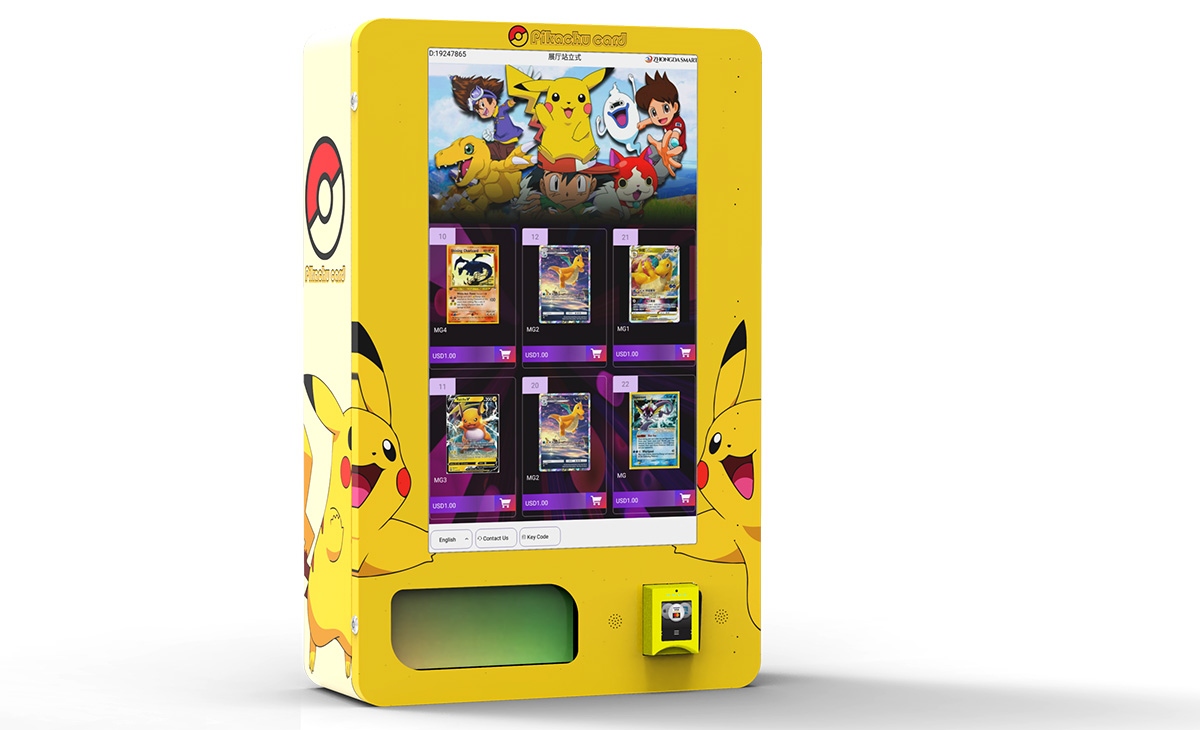
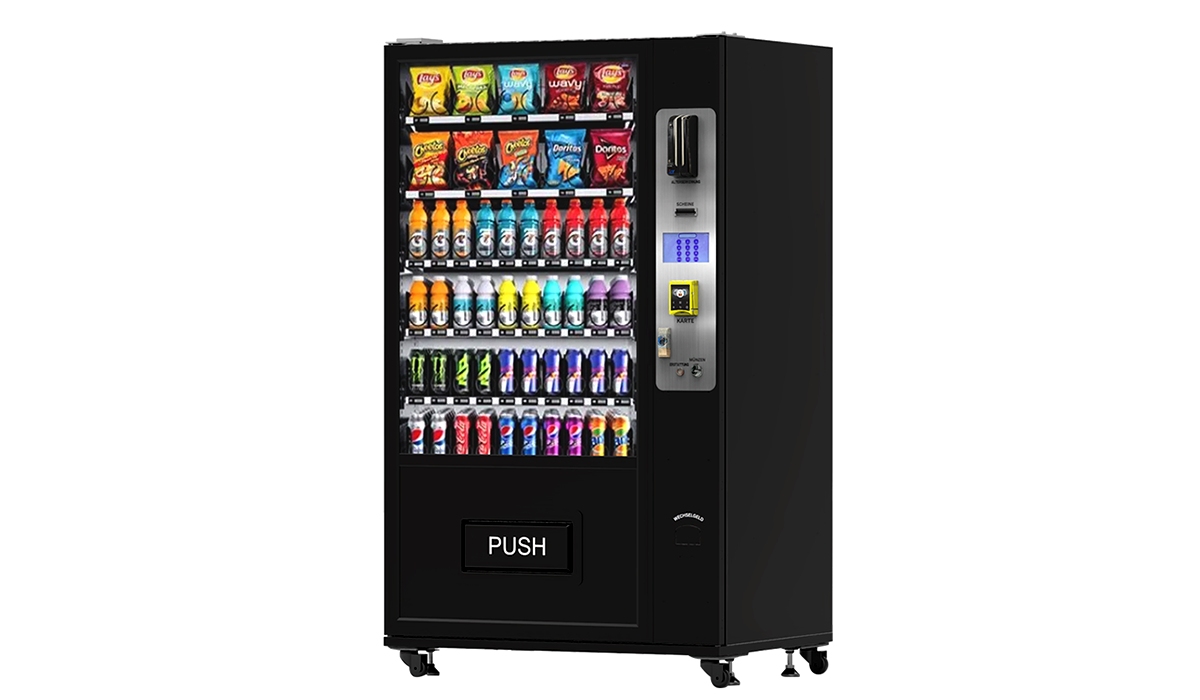
If you’re working with a supplier like Zhongda Smart, you can often get a package deal that includes the machine, payment terminal, and basic installation support. I’ve sourced units from them for a few of my locations, and the build quality holds up well in high-use environments. Just make sure you confirm the cooling specs and warranty terms before committing.
Where Should You Place a Pharmacy Vending Machine?
Location is everything. I’ve seen a $12,000 machine sit in a quiet office lobby and generate $200 a month, while a $5,000 used unit in a 24-hour gym parking lot did $1,800. The difference is foot traffic and need. A pharmacy vending machine works best where people have an urgent, unplanned need for medication or first aid supplies.
High-Performing Locations I’ve Used
- Hospitals and clinics: Staff and visitors need quick access to pain relievers, antacids, and cold medicine. These locations often have high foot traffic and limited after-hours pharmacy access.
- Gyms and fitness centers: Muscle pain, headaches, and dehydration are common. I’ve had success with ibuprofen, electrolyte drinks, and bandages.
- Airports and transit hubs: Travelers frequently need motion sickness pills, pain relievers, and hand sanitizers. High volume, but also higher rent or commission splits.
- College campuses: Students living in dorms often lack easy access to a pharmacy. Late-night demand for cold medicine and first aid is consistent.
- Office buildings: Larger companies with 500+ employees are good candidates, especially if the building doesn’t have an on-site pharmacy or convenience store.
Locations to Avoid
I’ve also made mistakes. Avoid placing a pharmacy vending machine in locations with low daily traffic (under 100 people per day), areas with existing pharmacy access within a five-minute walk, or spots where the machine isn’t visible. If people can’t see it, they won’t use it. Also, steer clear of locations where the temperature fluctuates wildly unless your machine has industrial-grade insulation and cooling.
How to Choose a Supplier or Manufacturer
There are dozens of vending machine manufacturers out there, but not all of them understand the specific requirements of a pharmacy vending machine. You need a supplier that offers reliable refrigeration, secure locking mechanisms, and software that can handle inventory tracking for regulated products. I’ve worked with both large international suppliers and smaller regional manufacturers, and here’s what I look for now.
Key Criteria for Selecting a Supplier
- Cooling reliability: Ask about the compressor brand and warranty. A failed cooling system in summer can ruin hundreds of dollars in inventory overnight.
- Payment system compatibility: Make sure the machine supports credit cards, mobile payments, and contactless options. Cash-only machines are dying fast.
- Remote monitoring: Machines with telemetry let you check inventory levels, sales data, and error codes remotely. This alone can save you hours of driving each week.
- Warranty and support: Look for at least a one-year warranty on parts. Vending machine repair costs add up quickly if you’re paying a technician $100 per hour.
- Customization options: Can the supplier configure the machine with your branding or specific shelf layouts? This matters more than most beginners realize.
I’ve had good experiences with Zhongda Smart for their pharmacy-specific models. Their units come with reliable cooling, remote monitoring as a standard feature, and they offer decent after-sales support for international buyers. That said, always ask for references and talk to other operators before placing a large order.
Operational Costs You Can’t Ignore
Most beginners only think about the machine cost and inventory. The real expenses are ongoing. Here’s what I budget for every machine I operate.
Recurring Costs
- Restocking labor: If you’re doing it yourself, factor in your time. If you hire someone, budget $15 to $25 per hour plus travel time.
- Credit card processing fees: Typically 2.5% to 3.5% per transaction. This eats into your margin more than you’d think.
- Location commission or rent: Some locations charge a flat monthly fee ($50 to $300) or a percentage of sales (10% to 20%). Negotiate hard on this.
- Electricity: A refrigerated pharmacy vending machine can cost $20 to $50 per month to run, depending on local rates and ambient temperature.
- Vending machine repair and maintenance: Budget at least $300 per year per machine for unexpected breakdowns. I’ve had years where I spent nothing, and years where a single compressor failure cost me $800.
How Often You Need to Restock
This depends entirely on volume. In a high-traffic hospital location, I restock twice a week. In a medium-traffic office building, once every 10 days is enough. If you’re using a machine with remote monitoring, you’ll get alerts when inventory is low. Without it, you’re guessing, and that leads to either stockouts or wasted time driving to a machine that didn’t need service.
Common Beginner Mistakes
I’ve made almost every mistake you can make in this business, and I’ve seen others repeat them. Here are the ones that cost the most money.
Buying the Cheapest Machine
Cheap machines often have weak cooling, unreliable payment systems, and poor build quality. You’ll spend more on vending machine repair in the first year than you saved on the purchase price. I learned this the hard way with a $3,000 unit that needed three service calls in six months.
Ignoring Local Regulations
In the U.S., some states require a pharmacy license or a permit to sell OTC medications through a vending machine. In the EU, regulations vary by country. In France, for example, Service-Public.fr outlines specific requirements for automated sale of health products. Always check local laws before you buy. I’ve seen operators lose entire machines to confiscation because they didn’t have the right permits.
Overstocking Slow-Moving Items
It’s tempting to fill every slot, but you’ll end up with expired inventory if you don’t track sales data. Start with a small variety of high-demand items—ibuprofen, acetaminophen, antacids, bandages, and hand sanitizer—and expand based on what actually sells.
Placing a Machine Without a Written Agreement
Verbal agreements with location owners fall apart quickly. Get a written contract that covers commission rates, access hours, maintenance responsibilities, and termination terms. I’ve lost two good locations because the property manager changed and the new person didn’t honor the old handshake deal.
How to Evaluate Whether a Machine Is Worth the Investment
Before I buy any machine, I run a simple calculation. I estimate monthly revenue based on foot traffic and average transaction value. Then I subtract all costs—restocking, payment fees, electricity, commission, and a vending machine repair reserve. If the net monthly profit is at least 20% of the machine’s cost, I consider it a good investment. If it’s lower, I pass.
For example, a $7,000 machine that nets $350 per month will pay for itself in 20 months. That’s borderline acceptable for me. A machine that nets $700 per month is a no-brainer. The difference is almost always location and product selection.
Foot Traffic Benchmark
Based on my experience, you need at least 200 to 300 people passing the machine daily to generate consistent sales. Fewer than that, and you’re relying on luck. More than 500, and you’re in a strong position to negotiate better terms with the location owner.
Self-Operate vs. Lease vs. Revenue Share
There are three main ways to get into this business, and each has trade-offs.
| Model | Upfront Cost | Ongoing Effort | Profit Potential | Risk |
|---|---|---|---|---|
| Self-operate (buy and run) | High | High | Highest | You own all the risk |
| Lease from a supplier | Low | Medium | Medium | Monthly lease payments eat profit |
| Revenue share with location owner | Low to none | Low | Lowest | You have limited control |
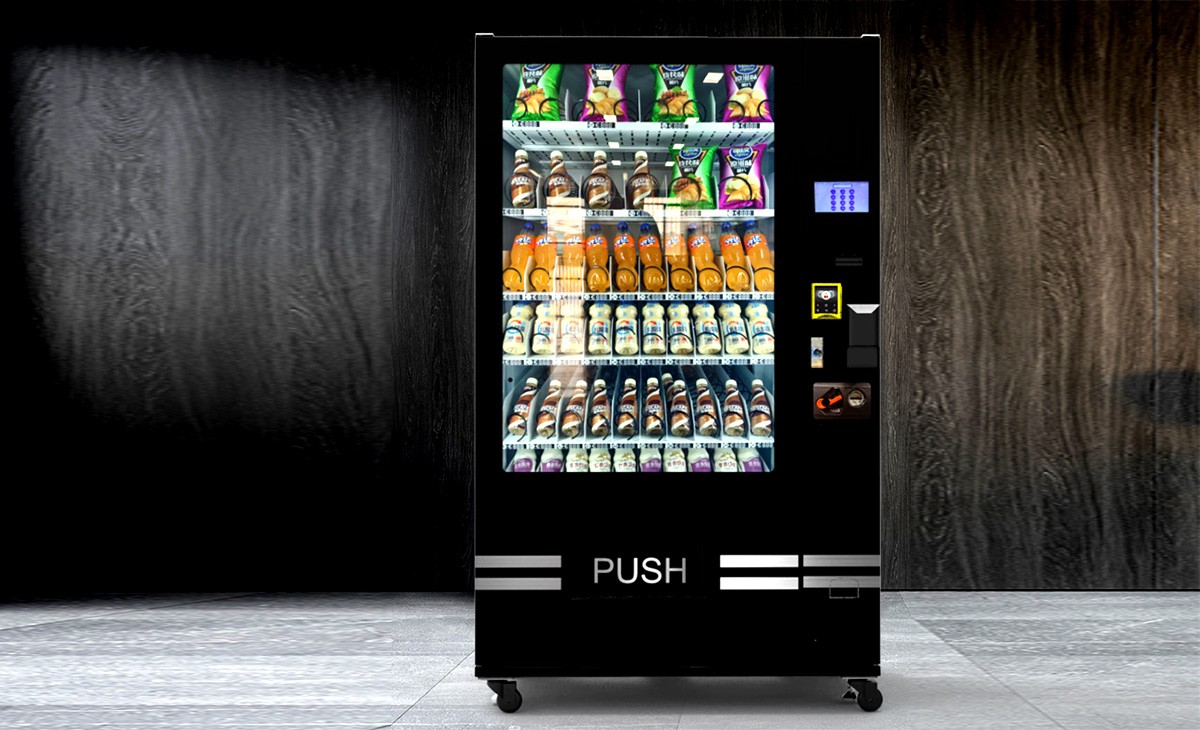
I prefer self-operating once I have confidence in the location. Leasing makes sense if you want to test a market without a large capital outlay, but the lease payments often make it hard to turn a meaningful profit. Revenue share models work best if you already have a relationship with a location owner and want to minimize your time investment.
Real Data Sources and Industry Context
If you want to dig deeper into the numbers, I recommend looking at industry reports. According to Statista, the global vending machine market was valued at over $18 billion in 2023, with health and personal care vending growing at a faster rate than traditional segments. Another report from IBISWorld shows that U.S. vending machine operators have seen steady demand for non-food items, including OTC medications, particularly in healthcare and workplace settings.
These reports confirm what I’ve observed in the field: the pharmacy vending machine niche is still underserved, especially outside of major hospital systems. That creates an opportunity for independent operators who are willing to do the legwork on location scouting and compliance.
FAQ
Are pharmacy vending machines profitable?
They can be, with gross margins between 50% and 70% on OTC medications. Profitability depends heavily on location, foot traffic, and your ability to keep restocking and vending machine repair costs under control.
How much does a pharmacy vending machine cost?
A new, refrigerated unit with a modern payment system typically costs between $6,000 and $12,000. Used or refurbished machines range from $3,000 to $6,000, but you may face higher maintenance costs.
How long does it take to break even?
In a good location, most operators break even within 8 to 18 months. Slower locations can take two years or more. I’ve had machines pay for themselves in six months, but that’s the exception, not the rule.
Should a beginner buy or lease a machine?
If you have the capital and are confident in the location, buying is better long-term. Leasing reduces upfront risk but limits your profit. I recommend buying a used or mid-range new machine for your first unit.
Where is the best place to put a pharmacy vending machine?
Hospitals, gyms, airports, college campuses, and large office buildings consistently perform well. Avoid low-traffic locations or spots with existing pharmacy access nearby.
What permits do I need?
Requirements vary by state and country. In the U.S., some states require a pharmacy permit or a health department license. In the EU, check local regulations for automated sale of medicinal products. Always verify before purchasing equipment.
How do I choose a supplier?
Look for reliable refrigeration, remote monitoring, good warranty terms, and a track record with pharmacy-specific machines. Ask for references and read reviews from other operators. Zhongda Smart is one supplier I’ve used successfully for pharmacy units.
What happens if the machine breaks down?
If you buy from a reputable supplier, you can often handle basic vending machine repair yourself with common tools. For major issues like compressor failure, you’ll need a technician. Budget at least $300 per year per machine for repairs.
How can I reduce restocking and maintenance costs?
Use a machine with remote monitoring so you only visit when necessary. Buy in bulk from wholesale distributors to lower inventory costs. Learn basic repair skills to avoid paying a technician for minor issues.
This guide reflects my personal experience operating pharmacy vending machines in the U.S. and European markets. Costs and returns vary by location, local regulations, and market conditions. Always verify legal requirements and conduct your own financial analysis before investing. 本文更新于2025年4月。