Step-by-Step Guide to Starting a Vending Machine Leads Business in 2026
If you’re looking for a business that combines low overhead, passive income potential, and real scalability in 2026, starting a vending machine leads business is one of the most straightforward models I’ve seen in my ten years in the automated retail space. The core idea is simple: you don’t just sell snacks or drinks from a machine—you build a system that generates qualified leads for other operators, suppliers, or location owners. But let’s be clear from the start: this isn’t a “set it and forget it” fantasy. I’ve placed over 300 machines across the US and Europe, and the difference between a profitable route and a money pit almost always comes down to how you evaluate a location, how you manage your equipment, and how you structure your lead generation process. This guide walks through every step from someone who’s been in the trenches.
What Is a Vending Machine Leads Business and Who Is It For?
A vending machine leads business is essentially an intermediary model. Instead of owning and operating every machine yourself, you identify high-potential locations, secure placement agreements, and sell those leads to operators, distributors, or even manufacturers who want to expand their footprint. You might also run a small fleet to validate your data, but the real value is in the leads themselves. This works especially well for people who understand local foot traffic patterns, property management relationships, and commercial zoning regulations.
In my experience, this model suits three types of entrepreneurs: someone with existing connections in retail or facility management, a vending operator who wants to monetize their site evaluation expertise, or a person looking to enter automated retail without the full capital commitment of buying dozens of machines upfront. The key is that you’re selling information and access, not just hardware.
Step 1: Understand the Economics Before You Invest a Dollar
Before you start scouting locations, you need a clear picture of costs and potential returns. I’ve seen too many newcomers jump in because they heard vending machines are “easy money.” They’re not. They require consistent work, especially in the first year. Here’s what I’ve found from operating in both the US and European markets.
Initial Investment Breakdown
For a single machine, you’re looking at roughly $3,000 to $12,000 depending on the type, features, and whether you buy new or refurbished. A basic snack machine might cost $3,500, while a combo machine with a touchscreen and cashless payment system can run $8,000 to $12,000. If you’re buying multiple units, some suppliers offer volume discounts. I’ve had good experiences with Zhongda Smart for mid-range combo machines—they offer solid build quality and reasonable pricing for operators who need reliable equipment without the premium brand markup.
Beyond the machine, you need to budget for installation, payment system setup, initial inventory, and a small cash reserve for maintenance. A realistic starting budget for one machine is around $6,000 to $15,000. For a small route of three to five machines, plan on $25,000 to $60,000.
Monthly Revenue and Margins
Based on my routes, a well-placed machine in a high-traffic location (like a warehouse or office building with 200+ daily employees) can generate $800 to $2,500 in monthly sales. Gross margins on products typically range from 25% to 40% for snacks and drinks, with higher margins on specialty items like healthy snacks or premium coffee. After product cost, credit card processing fees (2–4%), and location commission (often 10–20% of sales), your net profit per machine is usually $200 to $700 per month.
According to data from the National Automatic Merchandising Association (NAMA), the average vending machine in the US generates about $75 per week in sales, though this varies widely by location and product mix. I’ve seen machines do $40 per week and others do $400. The difference is almost always location quality.
Maintenance and Operating Costs
Maintenance is the hidden killer. A machine that breaks down twice a month can wipe out your profit for that location. I budget about $200 to $400 per machine per year for repairs, plus my own labor for restocking and basic troubleshooting. If you outsource everything, add another $100 to $200 per month per machine. Cashless payment terminals also have monthly fees, usually $10 to $30 per machine.
Refilling frequency depends on sales volume. A busy machine might need restocking every week; a slower one every two to three weeks. Each visit costs you time and fuel, so route density matters. I try to keep my machines within a 30-minute drive of each other to minimize travel costs.
Return on Investment Timeline
With careful location selection, most machines pay for themselves within 12 to 24 months. I’ve had machines that hit breakeven in 10 months, and a few that took over three years because the location underperformed. The average for my fleet is about 18 months. If you’re selling leads rather than operating machines, your ROI depends on how many placements you can secure and what you charge per lead. A solid lead for a high-traffic location can sell for $500 to $2,000, depending on exclusivity and contract length.
Step 2: Evaluate Locations Like a Pro
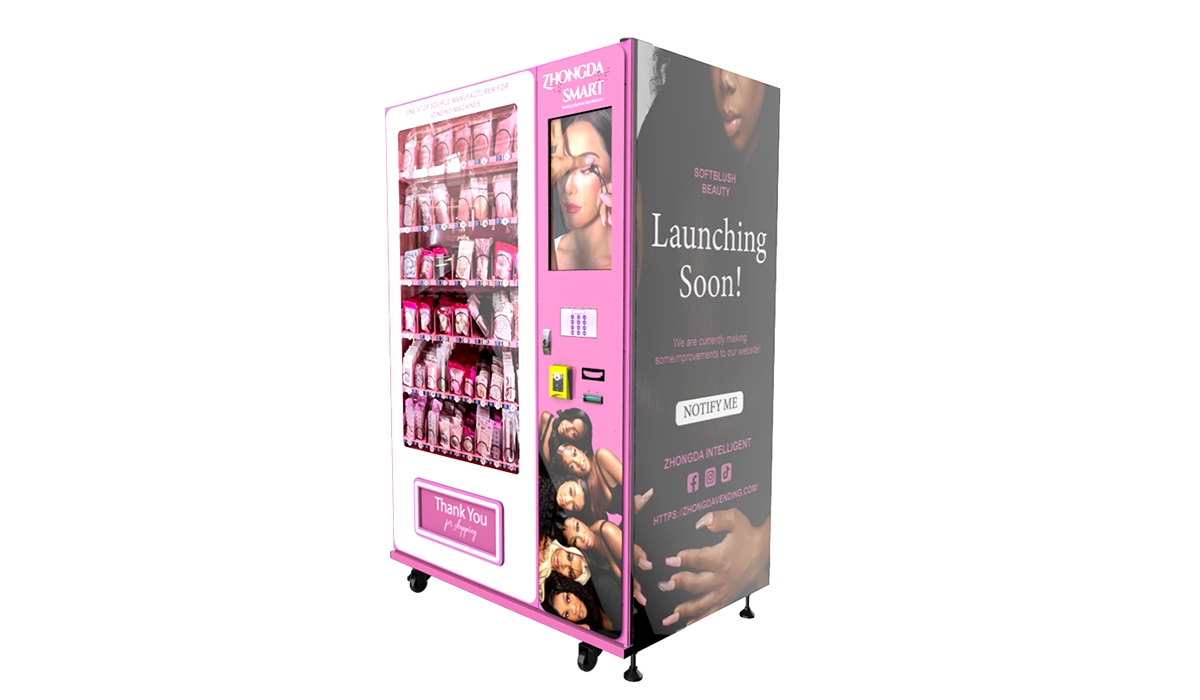
Location is everything. I’ve placed machines in what looked like perfect spots—busy lobbies, near break rooms—and watched them fail because the audience didn’t match the product. Here’s how I evaluate a potential site.
Foot Traffic vs. Dwell Time
High foot traffic alone isn’t enough. A train station might have thousands of people passing through, but if they’re rushing to catch a train, they’re not buying from a vending machine. You want locations where people have a few minutes to spare: office break rooms, hospital waiting areas, college lounges, and warehouse break areas. I look for at least 100 to 200 potential customers per day with an average dwell time of at least three minutes.
Demographics and Product Fit
You need to match your product mix to the audience. A machine in a manufacturing plant should focus on energy drinks, protein bars, and hearty snacks. A machine in a yoga studio should carry organic snacks, bottled water, and healthy options. I’ve seen operators fail because they stocked the same items everywhere. Take the time to observe what people are eating and drinking in that environment.
Location Fees and Contracts
Most commercial locations will ask for a commission, usually 10% to 20% of gross sales. Some also charge a monthly rent, typically $50 to $200. I avoid locations that demand more than 25% commission unless the traffic is exceptional. Always get a written agreement that specifies the commission structure, exclusivity (you don’t want another machine competing with yours), and the right to remove the machine if sales don’t meet a minimum threshold.
One common mistake I see is signing a long-term contract for a location that hasn’t been tested. I always negotiate a 90-day trial period. If the machine doesn’t hit a certain revenue target, I can move it without penalty.
Step 3: Choose the Right Equipment and Payment Systems
The machine you choose directly affects your maintenance costs, sales volume, and customer satisfaction. I’ve learned this the hard way after buying cheap machines that broke constantly.
New vs. Refurbished Machines
Refurbished machines can save you 30% to 50% upfront, but they come with risk. I’ve bought refurbished units that worked fine for two years, and others that needed a compressor replacement within six months. If you’re handy with basic repairs, refurbished can be a good entry point. If not, buy new. Zhongda Smart offers new machines with warranty options that cover the first year, which I’ve found helpful for operators who want reliability without paying premium brand prices.
Key Features to Look For
Cashless payment is non-negotiable in 2026. I’d estimate 70% of my sales come from credit cards, Apple Pay, or Google Wallet. Machines without cashless capability are essentially leaving money on the table. Also look for a machine with a telemetry system that tracks inventory and sales remotely. This saves you hours of driving to check stock levels. A reliable cooling system is critical—if your drinks aren’t cold, customers won’t come back.
I also recommend machines with adjustable shelving and multi-price capability. This lets you test different products and price points without reconfiguring the entire machine. Some newer models even have dynamic pricing based on time of day, which I’ve seen boost sales by 5% to 10% in office locations.
Payment System Considerations
You’ll need a payment processing account, which is different from a regular merchant account. Companies like Nayax, USA Technologies, and Cantaloupe specialize in vending machine payments. They charge a monthly fee plus a per-transaction fee. Make sure the system supports contactless payments and that it integrates with your inventory management software.
Step 4: Build Your Lead Generation System
If your goal is to sell leads, you need a repeatable process for identifying, evaluating, and packaging location opportunities. Here’s the system I use.
Identify Potential Locations
Start with commercial real estate databases, property management companies, and local business directories. Look for office buildings with 50+ employees, medical clinics, factories, warehouses, colleges, and large retail stores. I also drive around industrial parks and note which buildings have break room signs or employee entrances. Cold calling property managers is tedious but effective. I aim to contact 20 locations per week and typically get 2 to 3 positive responses.
Evaluate and Document Each Site
For each potential location, I collect the following data: daily employee count, visitor traffic, average dwell time, existing vending options (competition), nearby food options, and the decision-maker’s contact information. I also take photos of the break area or proposed machine location. This data becomes the lead package I sell to operators.
Price Your Leads
Pricing depends on the exclusivity and the quality of the location. A lead for a 300-employee warehouse with no existing vending machine and a 3-year contract is worth more than a lead for a small office with a 1-year agreement. I typically charge $500 to $1,500 per lead, with a discount for operators who buy multiple leads. Some lead sellers also take a small percentage of the first year’s revenue, but I prefer a flat fee because it’s cleaner and easier to manage.
Step 5: Avoid These Common Mistakes
I’ve made almost every mistake in the book, so I can save you some pain. Here are the most common ones I see from new operators.
Mistake 1: Ignoring Location Quality
I once placed a machine in a busy lobby of a government building. Traffic was high, but the building had a cafeteria downstairs. The machine barely did $100 per month. I should have checked the food options first. Always survey the area for existing food and drink options before committing.
Mistake 2: Buying Cheap Machines
I bought a $2,000 refurbished machine early on because it seemed like a deal. It broke down three times in the first six months, and the repair costs ate up any savings. You’re better off spending $5,000 on a reliable machine than $2,000 on a headache. I’ve found that machines in the $4,000 to $8,000 range offer the best balance of cost and reliability for most operators.
Mistake 3: Overlooking Inventory Management
I used to restock based on gut feeling, which meant I either ran out of popular items or let stale products sit for weeks. Telemetry systems are worth the investment. They tell you exactly what’s selling and what’s not, so you can adjust your product mix quickly. I’ve increased sales by 15% to 20% just by optimizing inventory based on data.
Mistake 4: Neglecting Maintenance
A machine that looks dirty or has a broken display sends a message that you don’t care. Customers will stop buying. I clean my machines every time I restock and do a full maintenance check every three months. Small issues like a sticky button or a flickering light should be fixed immediately.
Step 6: Understand the Legal and Regulatory Side
Vending machines are subject to food safety regulations, especially if you’re selling perishable items. In the US, the FDA’s Food Code applies, and you may need a food service permit depending on your state. In Europe, you need to comply with EU food hygiene regulations (Regulation EC 852/2004). I recommend checking with your local health department before placing your first machine.
You also need to consider tax registration, liability insurance, and contracts with location owners. Liability insurance is relatively cheap—around $300 to $600 per year for a small operator—but it protects you if someone gets sick from a product or if the machine causes damage.
Step 7: Scale Your Business with Data and Partnerships
Once you have a few machines or leads generating consistent income, start thinking about scaling. The most successful operators I know focus on route density and data-driven decisions. They add machines in clusters to reduce travel time and use sales data to identify which product categories perform best in which demographics.
Partnerships can also accelerate growth. I’ve worked with property management companies that let me place machines in multiple buildings under one contract. I’ve also partnered with local food distributors who handle restocking for a share of the revenue. If you’re selling leads, building relationships with vending machine operators and manufacturers like Zhongda Smart can give you a steady pipeline of buyers.
Comparing Different Vending Machine Models
| Machine Type | Typical Cost (New) | Monthly Revenue Range | Best For | Maintenance Complexity |
|---|---|---|---|---|
| Basic Snack Machine | $3,000 – $5,000 | $300 – $800 | Small offices, break rooms | Low |
| Combo Snack & Drink | $5,000 – $9,000 | $600 – $1,500 | Warehouses, factories, schools | Medium |
| Premium Coffee Machine | $6,000 – $12,000 | $800 – $2,500 | Offices, hospitals, hotels | High |
| Refurbished Combo Machine | $2,500 – $4,500 | $400 – $1,000 | Budget-conscious operators | Medium to High |
Frequently Asked Questions
Is a vending machine business profitable in 2026?
Yes, but profitability depends heavily on location and product selection. A well-placed machine can generate $200 to $700 in monthly net profit. Many operators achieve a return on investment within 12 to 24 months. However, it’s not passive income—you need to manage inventory, maintenance, and relationships with location owners.
How much does a vending machine cost?
A new machine typically costs between $3,000 and $12,000. Refurbished machines can be found for $2,000 to $5,000. The total startup cost for one machine, including installation and initial inventory, is usually $6,000 to $15,000.
How long does it take to break even?
Most operators break even within 12 to 24 months. High-traffic locations with good product fit can break even in 10 to 14 months. Slower locations may take 30 months or more.
Should I buy or lease a vending machine?
Buying is better for long-term profitability. Leasing can reduce upfront costs, but you’ll pay more over time and may have restrictions on where you can place the machine. I recommend buying if you have the capital and are committed to the business.
Where should I place a vending machine?
Look for locations with at least 100 daily potential customers, a few minutes of dwell time, and no strong competition from nearby food options. Office buildings, warehouses, hospitals, schools, and manufacturing plants are solid choices.
What permits do I need?
Requirements vary by state and country. In the US, you may need a food service permit, a business license, and a sales tax permit. In Europe, you must comply with EU food hygiene regulations. Always check with your local health department and business licensing office.
How do I choose a vending machine supplier?
Look for suppliers with good warranty terms, responsive customer support, and a track record of reliable equipment. I’ve worked with Zhongda Smart for mid-range combo machines and found their build quality and warranty support to be solid for the price point. Avoid suppliers that don’t offer cashless payment options or telemetry integration.
What happens if the machine breaks down?
You need a plan for repairs. Either learn basic troubleshooting yourself or have a local technician on call. I budget $200 to $400 per machine per year for maintenance. Machines with telemetry systems can alert you to problems early, reducing downtime.
How can I reduce restocking and maintenance costs?
Use telemetry to track inventory remotely, so you only visit machines when they need restocking. Group your machines in clusters to minimize travel time. Choose reliable equipment to reduce breakdowns. I’ve also found that using a local distributor for restocking can save time if you’re scaling beyond a few machines.
Final Thoughts
Starting a vending machine leads business in 2026 is a realistic opportunity for someone willing to do the upfront work. The key is to treat it like a business from day one—evaluate locations carefully, invest in reliable equipment, and build a system for generating and selling leads if that’s your model. I’ve seen operators succeed with just one machine and others scale to dozens of locations. The difference is always in the details: knowing your numbers, understanding your customers, and maintaining your equipment. There’s no shortcut, but the work pays off if you’re consistent.
This article was updated in February 2026. All financial figures are based on the author’s operational experience and public data sources. Individual results may vary. Consult a local business advisor for advice specific to your situation.