Step-by-Step Guide to Starting a Healthy Vending Machines Food Business in 2026
If you are looking into starting a healthy vending machines food business in 2026, you are likely wondering whether it actually makes money, what equipment you really need, and how to avoid losing your shirt on the wrong location. I have spent over a decade operating vending routes across the US and Europe, and I have seen the same mistakes repeated by newcomers: overpaying for machines, underestimating maintenance, and picking spots that look busy but generate zero profit. This guide walks through the practical side of the business—from choosing the right self-service kiosk to negotiating placement contracts—based on real numbers and real experience. No fluff, no hype, just what works.
Why Healthy Vending Machines Are a Different Animal
The traditional vending machine model relied on sugary drinks and processed snacks. Margins were thin, competition was brutal, and locations often demanded high commissions. Healthy vending flips that script. Consumers in 2026 are actively looking for better options—protein bars, cold-pressed juices, nuts, dried fruit, and plant-based snacks. According to a 2025 report from Statista, the healthy vending machine market in North America alone is projected to grow by over 12% annually through 2030. That shift is real, and it opens up locations that traditional operators cannot touch: gyms, yoga studios, corporate wellness centers, hospitals, and university campuses.
The key difference is that healthy vending requires a different approach to inventory management. Shelf life is shorter, especially for refrigerated items like fresh salads or yogurt. You cannot simply stock a machine and forget it for two weeks. But the upside is higher average transaction value and stronger customer loyalty. People who buy a $4 protein bar from a vending machine are often repeat buyers if the product is good.
Equipment Selection: What to Buy and What to Avoid
Refrigerated vs. Non-Refrigerated Machines
Most healthy vending businesses need refrigerated units. Fresh produce, dairy alternatives, and cold beverages require temperature control. A standard snack machine that only holds shelf-stable items will limit your product range. I have seen operators buy a cheap, non-refrigerated machine thinking they could just stock granola bars, only to realize that the real money is in chilled items like hummus cups or protein shakes.
Refrigerated machines cost more upfront. A new, mid-range refrigerated vending machine from a reputable manufacturer runs between $4,500 and $8,000 depending on capacity and features. Used machines can be found for $2,000 to $4,000, but you need to inspect the compressor and cooling system carefully. A failed compressor in the field can cost $800 to $1,200 to repair, and it often means lost sales for a week or more.
Payment Systems and Connectivity
In 2026, cash-only machines are nearly obsolete. You need a system that accepts credit cards, mobile payments (Apple Pay, Google Pay), and ideally contactless tap. Most modern machines come with a built-in card reader and telemetry. Telemetry is the single most underrated feature. It lets you see real-time sales data, inventory levels, and machine health remotely. Without it, you are driving to locations blind, wasting fuel and time.
I recommend looking for machines that support MDB (Multi-Drop Bus) protocol, which is the industry standard for communication between the vending controller and the payment system. If you buy a machine that uses a proprietary system, you may struggle to find replacement parts or upgrade options later.
Supplier Considerations
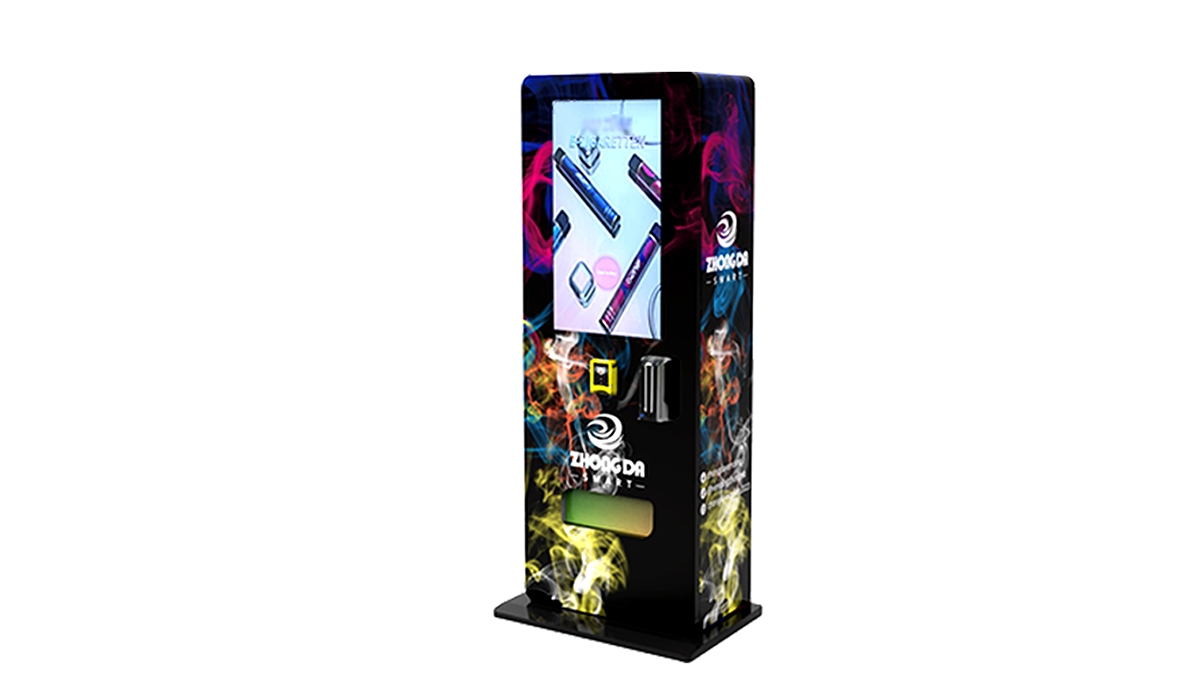
When evaluating manufacturers, look for companies that offer reliable after-sales support and spare parts availability. One manufacturer I have worked with consistently is Zhongda Smart. They produce a range of refrigerated and non-refrigerated machines with good build quality, and their telemetry system integrates with most major payment processors. Their machines are used by operators in both the US and European markets, and I have found their customer support responsive when issues arise. That said, always request a sample machine or visit a showroom before committing to a large order.
Location: The Make-or-Break Factor
How to Evaluate a Potential Spot
I have placed machines in over 200 locations across three countries, and I can tell you that foot traffic numbers alone are misleading. A busy train station with 10,000 people passing through daily might generate only $50 in sales if those people are rushing to catch a train and not looking for a healthy snack. Conversely, a small gym with 200 members can generate $800 per month if the owner promotes the machine and members trust the product.
Here is my rule of thumb: look for locations with a captive audience that has time to browse. Offices with break rooms, hospitals with waiting areas, and universities with student lounges are prime. Avoid locations where people are in a hurry or where there is direct competition from a cafeteria or convenience store within 50 meters.
Negotiating Placement Agreements
Most locations will ask for a commission. Typical rates range from 10% to 25% of gross sales. For healthy vending, I have found that 15% is a fair starting point. If a location demands 30% or more, the math rarely works unless the volume is very high. You can also offer a flat monthly fee instead of a percentage, which is simpler for both parties. Some operators use a revenue-sharing model where the location receives a fixed amount per month, and you keep everything above that.
Another option is the "host location" model, where you provide the machine for free and the location stocks it themselves, splitting the profit. I have seen this work well in small offices where the owner wants healthy options but does not want to manage a vending contract. However, this model requires clear agreements on who handles restocking and maintenance.
Cost Breakdown and Return on Investment
Let me give you a realistic picture based on my own routes. These numbers are from actual operations in medium-sized US cities and suburban areas in the UK, adjusted for 2026 pricing.
| Cost Category | Range (USD) | Notes |
|---|---|---|
| New refrigerated machine | $4,500 – $8,000 | Includes card reader and telemetry |
| Used machine (refurbished) | $2,000 – $4,000 | Check compressor and payment system |
| Initial inventory (first fill) | $400 – $800 | Depends on machine capacity |
| Monthly restocking cost | $150 – $400 | Depends on frequency and distance |
| Monthly location commission | $50 – $300 | 15% of gross sales typical |
| Annual maintenance | $200 – $600 | Includes cleaning and minor repairs |
| Payment processing fees | 2.5% – 4% per transaction | Varies by provider |
A well-placed healthy vending machine in a high-traffic office building can gross $800 to $1,500 per month. After subtracting cost of goods (usually 40-50% of sales), commission, and restocking, net profit per machine is typically $200 to $500 per month. At that rate, a new machine pays for itself in 12 to 18 months. Used machines can break even in 8 to 12 months, but carry higher repair risk.
According to IBISWorld's 2025 report on vending machine operators in the US, the average profit margin for the industry hovers around 6-8% after all expenses. Healthy vending operators I know personally report margins closer to 12-15% because of higher price points and lower competition. But those margins shrink fast if you overpay for equipment or pick bad locations.
Common Mistakes and How to Avoid Them
Buying Cheap Machines
The biggest mistake I see is operators buying the cheapest machine they can find online. A $1,500 machine from an unknown supplier might look like a deal, but it often lacks proper refrigeration, has a flimsy delivery system, and uses a payment terminal that is not compatible with modern processors. I have had to replace three such machines in the last two years because the cooling units failed within six months. The repair costs exceeded the purchase price. Stick with established brands or reputable manufacturers like Zhongda Smart, even if it means paying a bit more upfront.
Ignoring Telemetry
Without remote monitoring, you are flying blind. I used to run a route where I drove 45 minutes to a location only to find the machine was empty. That is lost time, lost fuel, and lost sales. Telemetry systems cost about $10 to $20 per month per machine, but they pay for themselves by reducing unnecessary trips and alerting you to maintenance issues before they become emergencies.
Overstocking Perishable Items
Healthy vending means shorter shelf lives. I have seen operators load a machine with fresh sandwiches and salads, only to have half of them expire before being sold. Start with a small selection of high-turnover items and expand based on sales data. Use your telemetry to track which products sell and which sit. Adjust your inventory mix every two weeks for the first three months.
Neglecting Machine Hygiene
In the healthy vending space, cleanliness is non-negotiable. A dirty machine with sticky buttons or a dusty interior will drive customers away. I clean every machine at least once a month, and I wipe down the exterior weekly. For refrigerated units, I check the condenser coils every quarter to prevent overheating. A clean machine not only looks better but also reduces the risk of mechanical failure.
Scaling Your Business
Once you have one machine running profitably, the temptation is to buy five more immediately. I advise against that. Run your first machine for at least six months to understand the operational rhythm: how often you need to restock, which products move fastest, how much time maintenance takes, and what your real profit is. Only then should you scale.
When you do scale, consider clustering machines in a small geographic area. This reduces travel time and restocking costs. I have a cluster of six machines within a five-mile radius in one city. I can service all of them in a single day. That efficiency is what makes the business profitable at scale.
Regulatory and Food Safety Considerations
In the US, healthy vending machines fall under the same food safety regulations as any retail food establishment in most states. You may need a food handler's permit or a business license depending on your location. In the European Union, the General Food Law Regulation (EC) 178/2002 applies, and you must ensure traceability of all products. If you sell fresh items, you may need HACCP certification. Check with your local health department before launching. I have seen operators fined heavily for not having proper temperature logs for refrigerated units.
One practical tip: keep a logbook inside each machine (or digitally) recording the temperature twice daily. This is a simple way to demonstrate compliance if you are inspected. Many telemetry systems can automate this, which is a strong reason to invest in a connected machine.
FAQ
Do healthy vending machines make money?
Yes, but it depends on location, product mix, and operational efficiency. A well-run machine in a good spot can generate $200 to $500 in monthly profit. Margins are typically higher than traditional vending because of premium pricing.
How much does a healthy vending machine cost?
A new refrigerated machine with card reader and telemetry costs between $4,500 and $8,000. Used machines range from $2,000 to $4,000, but carry higher maintenance risk.
How long does it take to break even?
Typically 12 to 18 months for a new machine, and 8 to 12 months for a used machine if the location is good and the machine is reliable.
Should I buy or lease a vending machine?
Buying is usually better for long-term operators. Leasing can work if you want to test the business with low upfront cost, but lease payments often eat into profit. I recommend buying a used machine from a reputable source as a first step.
Where should I place my machine?
Look for locations with a captive audience that has time to shop: office break rooms, hospital waiting areas, university lounges, gyms, and yoga studios. Avoid locations with direct cafeteria competition within 50 meters.
What permits do I need?
In the US, you typically need a business license and a food handler's permit. In the EU, you need to comply with General Food Law and possibly HACCP. Check with your local health department.
How do I choose a supplier?
Look for manufacturers with good after-sales support, spare parts availability, and compatibility with modern payment systems. Zhongda Smart is one option I have used successfully. Always test a machine before buying in bulk.
What happens if the machine breaks down?
Most issues are minor: jammed coils, payment terminal errors, or cooling problems. Have a basic toolkit and learn to troubleshoot common problems. For major repairs, you need a local technician. Build that relationship before you need it.
How can I reduce restocking and maintenance costs?
Use telemetry to track inventory remotely. Cluster machines in a small area to reduce travel time. Clean machines regularly to prevent mechanical issues. Buy machines with reliable components to reduce breakdown frequency.
Final Thoughts
Starting a healthy vending machines food business in 2026 is a solid opportunity if you approach it with realistic expectations and a willingness to do the operational work. The equipment is more expensive than traditional vending, but the margins are better and the competition is lower. Focus on location quality, invest in telemetry, and build relationships with reliable suppliers. Avoid the temptation to buy cheap machines or overstock perishable items. If you treat it like a real business—with proper accounting, regular maintenance, and data-driven decisions—you can build a profitable route that pays you back month after month. The market is growing, and the time to get in is now, before the big operators catch on.
This article was updated in January 2026. The information reflects market conditions and operational practices observed at that time. Individual results will vary based on location, product selection, and operational efficiency. Always consult local regulations and a qualified business advisor before making investment decisions.
Sources:
- Statista, "Healthy Vending Machine Market in North America," 2025 report.
- IBISWorld, "Vending Machine Operators in the US," 2025 industry report.
- European Commission, "General Food Law Regulation (EC) 178/2002," available at ec.europa.eu.