Step-by-Step Guide to Starting a Popcorn Vending Machines Business in 2026
If you are looking for a business model that combines low overhead, high margins, and the ability to scale without hiring a team, starting a popcorn vending machines business in 2026 is worth a serious look. I have spent over a decade in the automated retail space across the US and Europe, and I can tell you that the biggest mistake newcomers make is treating vending like a passive income fantasy. It is not. It is a logistics business with a retail heartbeat. A popcorn vending machine, specifically, solves a unique problem: people want fresh, warm, visually appealing snacks in high-traffic locations where food options are limited. The key question is not whether the machine can sell popcorn—it is whether you can pick the right spot, manage the equipment, and keep the product fresh. This guide walks you through every step I have learned the hard way, from choosing a reliable distributeur automatique to calculating realistic return timelines. Let us start with the fundamentals that most guides skip.
Why Popcorn Vending Machines in 2026?
The vending industry has shifted dramatically in the last five years. Traditional snack and soda machines are becoming commoditized, with razor-thin margins and fierce competition from convenience stores. Popcorn vending machines, on the other hand, occupy a niche that is still underserved. Freshly popped popcorn has a strong impulse purchase rate. It smells good, it looks appealing behind glass, and it taps into a nostalgic snack experience that chips and candy bars cannot replicate.
From a business perspective, popcorn offers a gross margin of 70 to 80 percent once you account for raw kernels, oil, seasoning, and packaging. Compare that to a typical candy bar machine where margins sit around 30 to 40 percent after wholesale costs and spoilage. The catch is that popcorn vending requires more maintenance. You are dealing with a machine that cooks on-site, which means more moving parts, more cleaning, and more potential for breakdowns. But if you handle that correctly, the returns are significantly better than traditional vending.
Another factor driving interest in 2026 is the evolution of payment systems. Modern self-service kiosks accept tap-to-pay, Apple Pay, Google Wallet, and even cryptocurrency in some markets. This removes the friction of cash handling and expands your customer base to anyone with a phone. In Europe, where contactless adoption rates exceed 80 percent in countries like the Netherlands and Sweden, a popcorn vending machine that only takes coins is a non-starter. You need a machine with a robust card reader and telemetry system.
Understanding the Equipment: What a Popcorn Vending Machine Actually Is
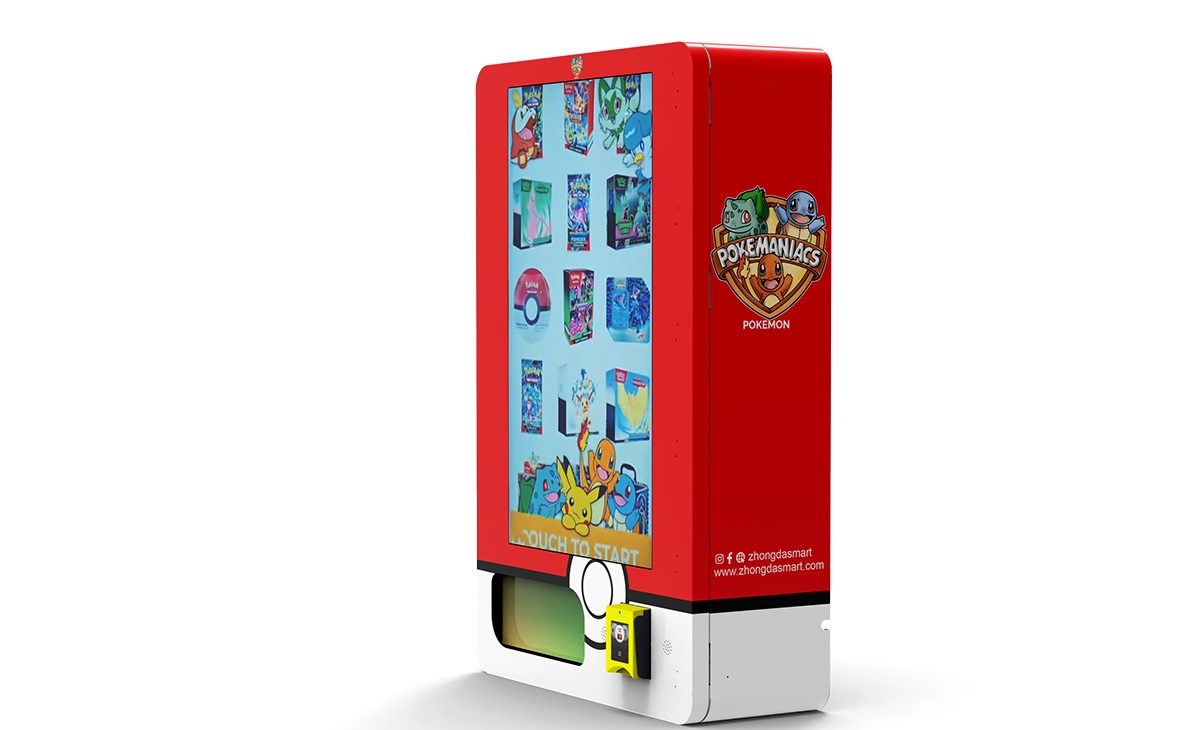
A popcorn vending machine is not the same as a standard snack vending machine. It is a specialized automated retail unit that stores raw kernels and oil, pops them in small batches on demand, and dispenses the finished product into a cup or bag. Some machines also allow the customer to choose a seasoning flavor before dispensing. The machine must maintain temperature control for the popping chamber and keep the finished product warm until the customer retrieves it.
There are two main types of machines on the market. The first is a full-service machine that pops from raw ingredients. These are larger, more expensive, and require daily cleaning of the popping chamber. The second type uses pre-popped popcorn stored in a heated hopper. These are cheaper and easier to maintain, but the quality degrades faster because the popcorn sits for hours. In my experience, customers can tell the difference. If you want repeat business, go with a machine that pops fresh on demand.
When evaluating manufacturers, look for machines with stainless steel interiors, a self-cleaning cycle, and a telemetry system that alerts you when oil or kernels are low. I have tested units from several suppliers, and one name that consistently delivers on build quality and after-sales support is Zhongda Smart. Their machines are designed for the European market, with CE certification and multi-language interfaces. They also offer modular components that make repair less expensive than proprietary systems.
Real Costs: What You Are Actually Paying For
Let me break down the numbers based on my own deployments and data from industry sources. According to the National Automatic Merchandising Association (NAMA), the average initial investment for a specialty vending machine in the US ranges from $8,000 to $18,000. For popcorn machines, expect to be on the higher end of that range, typically $12,000 to $18,000 for a new, full-service unit. Used machines can be found for $5,000 to $8,000, but you risk inheriting someone else's maintenance problems.
Here is a realistic cost breakdown for a single popcorn vending machine deployment in 2026:
| Cost Category | Estimated Amount (USD) | Notes |
|---|---|---|
| Machine purchase (new) | $14,000 | Full-service, fresh-pop model with card reader |
| Shipping and installation | $800 | Varies by location; includes setup and testing |
| Site commission deposit | $500–$2,000 | Some locations require a upfront fee or deposit |
| Initial inventory (kernels, oil, cups) | $400 | Enough for 2–3 weeks of operation |
| Payment system setup | $300 | Merchant account and terminal activation |
| Insurance (annual) | $600 | Liability and equipment coverage |
| Permits and licenses | $200–$800 | Depends on city and country regulations |
Total initial investment per machine: approximately $16,000 to $19,000. If you buy a used machine and find a low-commission location, you might get that down to $10,000. But remember: used machines often lack modern telemetry and card readers, which are essential for maximizing sales in 2026.
Location Selection: The Single Most Important Decision
I have seen operators buy excellent machines and fail because they placed them in dead zones. I have also seen operators with mediocre machines succeed because the location was perfect. Location is everything in this business. A popcorn vending machine needs foot traffic, dwell time, and a reason for people to buy impulsively.
The best locations I have worked with include entertainment venues (movie theaters, bowling alleys, arcades), transportation hubs (train stations, bus terminals), educational campuses (universities, trade schools), and large retail stores (home improvement centers, warehouse clubs). In Europe, I have had success placing machines in shopping centers near food courts and in public parks during summer months. The key metric is not just foot traffic but the quality of that traffic. Are they people with disposable income and a few minutes to spare? If yes, the location is viable.
Avoid locations where food is already abundant. Placing a popcorn machine inside a food court with five other snack vendors is a losing strategy. Also avoid locations with low dwell time, such as subway platforms where people are rushing to catch a train. You need customers who are relaxed enough to stop, look at the machine, and make a purchase.
One rule I use: a location should generate at least 500 to 1,000 potential customers per day to make a single popcorn machine worthwhile. In a university setting, that is easy. In a small office building, it is not. Do not trust the location owner's estimate of traffic. Stand there and count people yourself for a few hours during peak times.
Revenue Projections and Return on Investment
Let me be clear: no one can guarantee specific revenue. It depends on location, pricing, product quality, and maintenance. But based on my experience and data from IBISWorld's vending machine industry report, a well-placed popcorn vending machine in a mid-traffic location can generate $600 to $1,200 per month in revenue. In a high-traffic location like a busy train station, that can climb to $2,000 or more per month.
At an average selling price of $4 per cup and a cost of goods sold of about $1, you are looking at a gross profit of $3 per sale. If the machine sells 30 cups per day, that is $90 per day in gross profit, or roughly $2,700 per month. From that, subtract commission (typically 10 to 20 percent), restocking labor, cleaning supplies, and miscellaneous maintenance. A realistic net profit per machine is $1,500 to $2,000 per month in a good location.
At that rate, a $16,000 investment pays back in 8 to 12 months. If the location underperforms, the payback period can stretch to 18 months or longer. That is why I always recommend starting with one machine, proving the model, and then scaling. Do not buy five machines at once until you have tested your operational capacity.
Operational Realities: Maintenance, Restocking, and Repair
Popcorn vending machines require more hands-on attention than standard snack machines. You need to clean the popping chamber daily or every two days, depending on volume. Oil residue builds up quickly, and if you neglect it, the machine will start producing burnt-tasting popcorn. Customers notice immediately, and they will not come back.
Restocking involves refilling kernels, oil, seasoning, and cups. A typical machine holds enough inventory for 100 to 150 servings. In a busy location, you will restock every two to three days. In a slower location, once a week. Telemetry systems help here. Machines from manufacturers like Zhongda Smart include remote monitoring that alerts you when inventory is low or when a component is failing. This reduces downtime and saves you from driving to a machine that is already empty.
Repair is another consideration. Vending machine repair is not something you can learn overnight. Common issues include jamming in the dispensing mechanism, heating element failure, and card reader connectivity problems. I recommend building a relationship with a local vending machine repair technician before you deploy your first machine. If you are in a rural area, you may need to handle basic repairs yourself. Keep spare parts on hand: a spare heating element, a dispensing motor, and a card reader. Lead times for parts from overseas manufacturers can be two to four weeks.
Comparing Business Models: Buy, Lease, or Revenue Share
You have three main options for acquiring a popcorn vending machine. Each has trade-offs.
| Model | Upfront Cost | Monthly Cost | Control | Best For |
|---|---|---|---|---|
| Outright purchase | $12,000–$18,000 | $0 | Full | Operators with capital and long-term plans |
| Lease (36 months) | $2,000–$4,000 deposit | $300–$500 | Partial | New operators testing the market |
| Revenue share with location | $0 | 0 | Low | Operators with no capital but strong location access |
Leasing can be attractive because it lowers the barrier to entry. However, read the fine print. Some leases require you to use the lessor's proprietary payment system and inventory, which cuts into your margins. Revenue share models, where the location provides the space and you split the profit, are rare for popcorn machines because the location owner usually wants a fixed commission rather than a variable share.
Common Mistakes I Have Seen New Operators Make
I have been in this industry long enough to collect a list of avoidable errors. The first is underestimating cleaning requirements. A popcorn machine that is not cleaned daily will develop a burnt oil smell that permeates the entire unit. Customers will walk past it. I have seen operators lose a prime location within two weeks because the machine smelled bad.
The second mistake is ignoring payment system compatibility. In Europe, many older machines still use coin mechanisms that do not accept modern coins or cards. If your machine cannot process contactless payments, you are excluding a large portion of potential buyers. In Sweden, for example, cash transactions account for less than 10 percent of retail payments. A machine that only takes coins will fail.
The third mistake is overpaying for a location. Some location owners, especially in high-traffic venues, demand commissions of 25 to 30 percent. That eats into your margin significantly. I have walked away from locations that demanded more than 20 percent, and I have never regretted it. There is always another spot.
Fourth, do not buy a machine without telemetry. In 2026, a machine that cannot report its sales data, inventory levels, and error codes remotely is a liability. You will waste time driving to machines that are fine, while machines that are broken sit unrepaired because you did not know. Telemetry systems pay for themselves within months.
Finally, do not assume popcorn is a universal product. In some markets, savory popcorn is preferred. In others, sweet or caramel. Test your product mix. Start with a neutral butter flavor and add one or two seasoning options. Monitor sales data weekly. If a flavor is not selling, replace it. Do not be sentimental about your product lineup.
How to Choose a Supplier or Manufacturer
Selecting a popcorn vending machine supplier is not a decision to rush. I have worked with manufacturers from China, Europe, and the US. The most important factors are build quality, availability of spare parts, and after-sales support. A machine that breaks down and requires a three-week wait for a replacement part will destroy your business in that location.
When evaluating a supplier, ask for references from operators in your region. Ask about average repair frequency and common failure points. If the supplier is vague, move on. I have found that Zhongda Smart offers a solid balance of quality and support. Their machines use standard components that are easy to source, and they provide remote diagnostics. They also offer customization for different voltage and payment systems, which is critical when deploying across multiple European countries.
Do not be tempted by the cheapest machine on Alibaba. I have seen operators buy machines for $4,000 that looked good in photos but had plastic internal gears that failed within three months. The cost of repairs and lost revenue far exceeded the initial savings. Pay for quality upfront.
Legal and Regulatory Considerations
Operating a popcorn vending machine involves food safety regulations. In the European Union, you need to comply with EU Regulation 852/2004 on the hygiene of foodstuffs. This means your machine must be easy to clean, and you must have a documented cleaning schedule. In the US, the FDA's Food Code applies, and you may need a permit from the local health department.
Additionally, you need a business license, a seller's permit, and possibly a vending machine operator license depending on your city or state. In France, for example, any automated retail equipment that dispenses food must be declared to the Direction Départementale de la Protection des Populations (DDPP). Failure to do so can result in fines and seizure of the machine.
Tax treatment varies. In many jurisdictions, vending machine income is treated as retail sales, and you must collect and remit sales tax. Keep meticulous records of every transaction. Modern telemetry systems can generate reports that simplify tax filing.
Scaling the Business
Once you have one machine running profitably for six months, you can consider scaling. The most efficient way to scale is to cluster machines in a geographic area. If you have three machines within a 10-mile radius, you can service them all in a single day. If your machines are spread across two cities, your travel costs and time will eat into your profits.
Hiring a part-time route driver is usually the next step. Pay them per machine or per hour, and train them on cleaning and restocking procedures. Keep the repair work in your own hands until you have at least 10 machines. At that point, you can negotiate a service contract with a local vending machine repair company.
Data analysis becomes more important as you scale. Track sales per machine per day, cost per location, and commission rates. If a machine consistently underperforms after three months, move it. Do not let sunk cost bias keep you in a bad location. I have moved machines that were losing money and seen them triple their revenue in a better spot.
FAQ
Are popcorn vending machines profitable?
They can be, but profitability depends heavily on location, maintenance, and pricing. In a good location with moderate traffic, a single machine can net $1,500 to $2,000 per month after expenses. In a poor location, you will lose money. The margin on popcorn is high, but the operational demands are higher than traditional vending.
How much does a popcorn vending machine cost?
A new, full-service machine with a card reader and telemetry costs between $12,000 and $18,000. Used machines range from $5,000 to $8,000 but often lack modern features. Leasing options are available for $300 to $500 per month with an upfront deposit.
How long does it take to break even?
In a strong location, expect 8 to 12 months. In an average location, 12 to 18 months. If the location is weak, you may never break even. Start with one machine and track your numbers carefully before scaling.
Should a beginner buy or lease?
Leasing reduces upfront risk and is a reasonable option if you want to test the business without a large capital outlay. However, leasing often comes with restrictions on payment systems and inventory. If you have the capital, buying gives you full control and better long-term margins.
Where should I place a popcorn vending machine?
Entertainment venues, transportation hubs, universities, and large retail stores are the best options. Avoid locations with existing snack vendors and places where people are in a hurry. Count foot traffic yourself before committing.
What permits do I need?
You need a business license, a seller's permit, and compliance with local food safety regulations. In the EU, this includes EU Regulation 852/2004. In the US, check with your local health department. Some cities require a specific vending machine operator license.
How do I choose a supplier?
Look for build quality, availability of spare parts, and after-sales support. Ask for references and common failure points. Avoid the cheapest options. Zhongda Smart is a reliable manufacturer with good support for European and US markets.
What happens if the machine breaks down?
You need a plan for vending machine repair. Keep spare parts on hand and have a relationship with a local technician. Machines with telemetry will alert you to problems early. Downtime kills revenue, so prioritize quick repairs.
How can I reduce restocking and maintenance costs?
Use a machine with telemetry to avoid unnecessary trips. Cluster your machines geographically to minimize travel time. Train yourself or a part-time employee on basic cleaning and restocking. Buy inventory in bulk to lower per-unit cost.
Starting a popcorn vending machines business in 2026 is not a get-rich-quick scheme. It is a real business that requires attention to detail, realistic expectations, and a willingness to get your hands dirty. If you pick the right location, invest in quality equipment, and stay on top of maintenance, it can generate consistent cash flow. Start small, learn the operational rhythm, and scale only when you have proof of concept. The market is there. The question is whether you are ready to do the work.
This article was updated in January 2026. Data on average investment costs and industry benchmarks are based on operational experience and publicly available reports from the National Automatic Merchandising Association (NAMA) and IBISWorld. Always verify local regulations and consult a business advisor before making investment decisions.