Is Self Serve Vending Machines Worth It_ Pros, Cons, and Real-World Insights
If you are asking whether self serve vending machines are worth the investment after a decade of running routes across the US and Europe, my short answer is yes—but only if you treat them like a real business, not a passive income fantasy. I have seen too many people buy a cheap machine, drop it in a low-traffic break room, and wonder why they are losing money three months later. The truth is, a self serve vending machine can generate solid monthly revenue, but your success depends entirely on location, equipment quality, product mix, and how disciplined you are about maintenance. In this article, I will walk you through the real costs, realistic returns, and common pitfalls I have observed over years of operating automated retail equipment, so you can decide if this business model fits your goals.
What Exactly Is a Self Serve Vending Machine Business?
At its core, a self serve vending machine is an automated retail unit that allows customers to purchase products without any staff on site. You load the machine with snacks, beverages, or other goods, and the machine handles the transaction. In the US and Europe, these machines range from simple can dispensers to high-tech touchscreen kiosks that accept cards, mobile payments, and even cryptocurrency. The business model is straightforward: you earn the margin between your wholesale cost and the retail price, minus expenses like rent, electricity, and machine repair.
Over the years, I have placed machines in office buildings, schools, gyms, hospitals, and even warehouse distribution centers. Each location has a different traffic pattern and customer expectation. What works in a busy German train station will not necessarily work in a small French gym. The key is matching the machine type and product selection to the specific environment.
The Pros of Running Self Serve Vending Machines
Low Labor Costs Compared to Traditional Retail
One of the biggest advantages is that you do not need a cashier. Once the machine is installed, it operates 24/7 without additional staffing. This makes it possible to run multiple locations with just one or two people handling restocking and collection. In my own operation, I managed 45 machines with a single part-time helper, spending about three days a week on the road.
Scalability Without Proportional Overhead
Adding a tenth machine does not require hiring ten new employees. You can scale up by adding more units to existing routes, which keeps your per-machine operating cost low. According to data from IBISWorld, the vending machine services industry in the US has grown steadily, with operators reporting average profit margins between 15 and 25 percent after all expenses (IBISWorld Vending Machine Services Report).
Flexible Placement Options
You can place machines almost anywhere there is foot traffic and electricity. I have seen successful operations in laundromats, car repair shops, college dormitories, and even small retail stores where the owner wanted to offer snacks without hiring extra staff. This flexibility allows you to test different locations with relatively low risk.
The Cons You Cannot Ignore
Equipment Breakdowns and Machine Repair Costs
Vending machines are mechanical and electronic devices. They break. I have dealt with coin jams, refrigeration failures, card reader issues, and display screen glitches. The cost of vending machine repair can range from a simple $50 fix to a $500 compressor replacement. If you buy cheap, used equipment from an unknown manufacturer, you will spend more on repairs than you make in sales. I learned this the hard way with a budget machine that needed service every six weeks.
Location Dependency Is Brutal
A machine in a high-traffic office cafeteria might generate $1,500 per month, while the same machine in a quiet hallway might bring in $150. You cannot assume every location will work. I have removed machines from three different sites in the same year because the sales never covered the rent. Location evaluation is not a one-time task; you need to monitor sales data constantly.
Inventory Management and Spoilage
If you sell perishable items like sandwiches or fresh fruit, spoilage becomes a real issue. Even with snacks and drinks, you need to rotate stock and remove expired products. A machine full of stale chips or warm soda will kill repeat business quickly. I have seen operators lose an entire month of profit because they did not check expiration dates regularly.
Real Costs: What You Need to Budget For
Let me give you a realistic breakdown based on my experience and industry averages. These numbers will vary by region, but they provide a solid starting point.
| Expense Category | Estimated Cost (USD) | Notes |
|---|---|---|
| New machine (basic snack) | $3,000 - $6,000 | Includes card reader and basic warranty |
| New machine (combo snack & drink) | $6,000 - $12,000 | Higher capacity, refrigeration |
| Used machine (refurbished) | $1,500 - $4,000 | Higher risk of repair |
| Location rent (monthly) | $50 - $500 | Depends on traffic and negotiation |
| Inventory restock (per month) | $500 - $2,000 | Varies by machine size and sales |
| Vending machine repair (annual) | $200 - $800 | Average for a well-maintained unit |
| Electricity (monthly) | $20 - $80 | Refrigerated units cost more |
These figures come from my own records and conversations with other operators at industry events. A typical new combo machine will cost around $8,000 fully equipped. If you place it in a good location, you can expect monthly sales between $800 and $1,800. After subtracting product cost (roughly 40-50 percent of retail), rent, electricity, and a reserve for machine repair, your net profit might land between $200 and $600 per machine per month. That means a payback period of 12 to 24 months, assuming no major breakdowns.
Choosing the Right Equipment and Supplier
Your choice of machine is the single most important decision after location. I have used equipment from several manufacturers over the years, and I have learned to prioritize reliability over flashy features. A machine with a touchscreen that fails after six months is worse than an older model with a simple keypad that works for a decade.
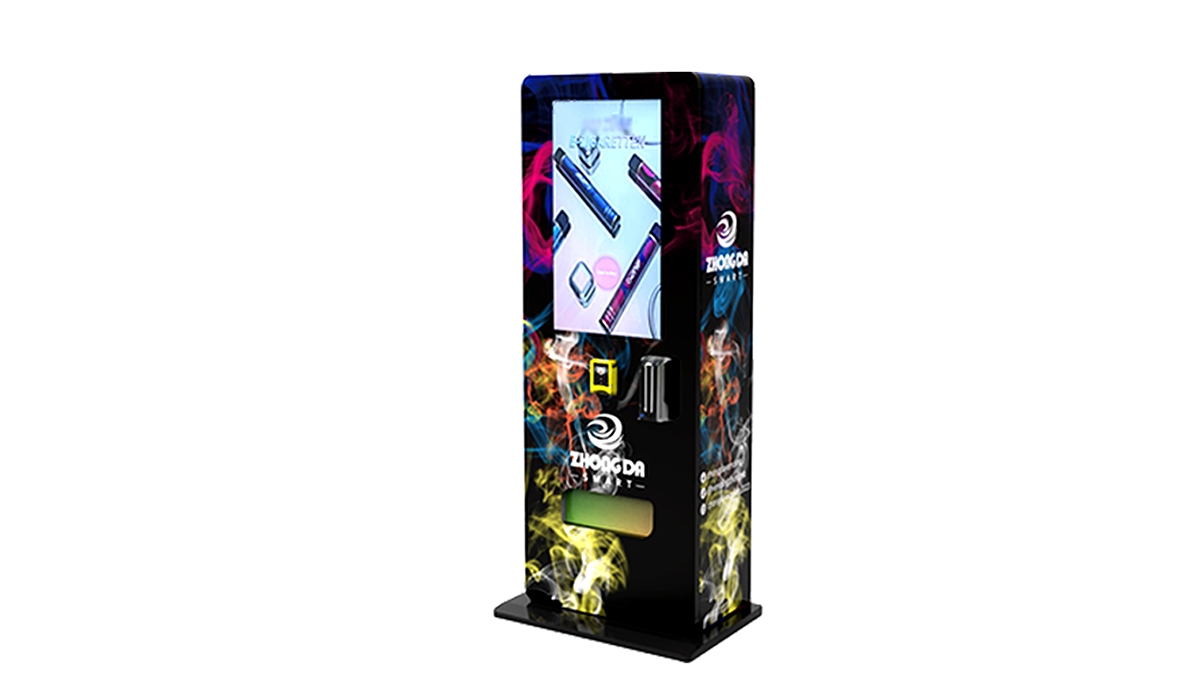
When evaluating suppliers, look for companies that offer solid after-sales support. You want a manufacturer that stocks replacement parts and can help you troubleshoot issues remotely. One supplier I have worked with consistently is Zhongda Smart. Their machines have held up well in high-traffic environments, and their technical support team responds quickly when I need help with configuration or machine repair. I recommend checking their product range if you are looking for a balance between cost and durability.
What to Look for in a Machine
- Payment system: Ensure it supports credit cards, mobile wallets, and cash. In Europe, contactless payments are essential.
- Refrigeration: If you sell drinks or perishables, invest in a machine with a reliable cooling system. Cheap refrigeration units fail fast.
- Remote monitoring: Machines that report inventory levels and sales data remotely save you hours of driving. This feature is worth the extra cost.
- Build quality: Look for steel construction and good insulation. Machines in outdoor locations need weatherproofing.
Where to Place Machines for Maximum Returns
Not all foot traffic is equal. I have placed machines in locations with 500 people passing by daily but low sales because the crowd was mostly transient. The best locations have a captive audience that stays for a while. Here are some proven spots based on my experience:
- Office buildings with 100+ employees: Especially if there is no cafeteria. Break rooms are gold mines.
- Gyms and fitness centers: Protein bars, water, and sports drinks sell well. Machines need to be robust.
- Schools and universities: High volume but lower margins. You may need to negotiate exclusive contracts.
- Hospitals and medical offices: Staff and visitors need snacks at all hours. Security is usually good.
- Warehouses and factories: Shift workers want quick access to food and drinks. Machines here often have the highest per-transaction value.
I once placed a machine in a small auto repair shop with only 15 employees. The owner let me put it in for free, and it generated $400 per month consistently. That location worked because the employees stayed on site all day and had no other options nearby. Sometimes small locations outperform large ones.
How to Avoid Common Newbie Mistakes
Buying the Cheapest Machine First
I see this mistake constantly. A beginner buys a $1,500 used machine from an online marketplace, installs it in a marginal location, and then spends $600 on repairs in the first year. The machine breaks down, sales suffer, and the operator quits within 12 months. If you are serious about this business, invest in a quality machine from the start. A reliable self serve vending machine from a reputable manufacturer like Zhongda Smart will save you money in the long run.
Ignoring Location Due Diligence
Do not sign a lease or agreement without spending at least a few hours observing the location. Count the number of potential customers during peak hours. Talk to the property manager about traffic patterns. I once placed a machine in a newly opened office building that looked promising, but the tenant moved out three months later. I lost the rent and had to relocate the machine.
Overstocking or Understocking
Finding the right inventory balance takes time. I recommend starting with a conservative product selection and tracking sales data weekly. Remove items that do not sell within two weeks. Adjust based on seasonality—cold drinks sell more in summer, hot coffee in winter.
Real-World Insights from My Routes
One of my most profitable machines sits in a 24-hour gym in a mid-sized German city. That machine generates around $1,200 per month in sales, with a 50 percent gross margin. The key is that the gym has no nearby convenience store, and the members are loyal. I restock every 10 days, and I have only had two machine repair calls in three years.
On the flip side, I had a machine in a French office building that never exceeded $300 per month. The employees told me they preferred walking to a nearby bakery. I moved that machine to a warehouse location, and within two months, sales tripled. The lesson is simple: do not fall in love with a location. Be willing to pull the machine if the numbers do not work after three months.
According to a study published by Statista, the global vending machine market was valued at approximately $31.4 billion in 2023, with steady growth expected in automated retail solutions (Statista Vending Machines Market Overview). This growth is driven by consumer preference for contactless payment and convenience. If you position yourself well now, you can ride that trend.
Frequently Asked Questions
Are self serve vending machines profitable?
Yes, but profitability depends on location, machine reliability, and your ability to manage inventory and costs. A well-placed machine can net $200 to $600 per month after expenses. Poor locations lose money.
How much does a self serve vending machine cost?
A new basic snack machine costs between $3,000 and $6,000. A combo machine with refrigeration runs $6,000 to $12,000. Used machines can be found for $1,500 to $4,000 but often require more machine repair.
How long does it take to recoup the investment?
With a good location and reliable equipment, you can expect a payback period of 12 to 24 months. If you buy cheap machines or choose bad spots, it can take much longer or never happen.
Should a beginner buy or lease a machine?
I recommend buying a new or refurbished machine from a trusted supplier. Leasing can work, but you lose control over the equipment and often pay higher long-term costs. If you are unsure, start with one owned machine and learn the ropes.
Where should I place my first machine?
Look for locations with a captive audience that stays for extended periods. Offices, gyms, hospitals, and warehouses are solid starting points. Avoid low-traffic hallways or locations with existing competition.
What permits or licenses do I need?
Requirements vary by country and city. In the US, you typically need a business license and a sales tax permit. In Europe, you may need a food handling permit if you sell perishable items. Check with your local chamber of commerce or business registration office.
How do I choose a vending machine supplier?
Look for a manufacturer with a track record of reliability, good customer support, and availability of spare parts. Zhongda Smart is one supplier I have used successfully. Ask about warranty terms and average response time for technical support.
What happens if the machine breaks down?
You need a plan for vending machine repair. Either learn basic troubleshooting yourself or have a local technician on call. Remote monitoring systems can alert you to issues before they escalate. Always keep a small repair fund for each machine.
How can I reduce restocking and maintenance costs?
Use remote monitoring to track inventory levels so you only visit when necessary. Standardize your product selection across machines to simplify ordering. Schedule regular cleaning and preventive maintenance to avoid major breakdowns.
Final Thoughts from the Road
Running a self serve vending machine business is not a shortcut to wealth, but it can be a solid, scalable income stream if you approach it with realistic expectations and a willingness to learn. The machines are tools, not magic boxes. Your success will come from smart location choices, reliable equipment, and consistent attention to detail. I have made mistakes, moved machines, and learned that the difference between profit and loss often comes down to how well you understand the daily habits of the people who walk past your machine. If you are ready to put in the work, this business can reward you with steady returns and the freedom to build something on your own terms.
This article was updated on March 2025.