Free Vending Machine Near Me Business Guide_ How It Works, Profit & Maintenance Explained
If you’ve been searching for a “free vending machine near me” hoping to land a machine with zero upfront cost, let me save you some time: that phrase rarely leads to a free machine in the traditional sense. What it usually points to is a placement model where a location host provides the space, and an operator like me covers the equipment, stocking, and maintenance. In over a decade of running vending routes across the U.S. and parts of Europe, I’ve seen more newcomers get burned by unrealistic expectations around “free” machines than by any other mistake. The reality is that a properly managed vending machine business requires real capital, careful site selection, and ongoing work. This guide walks you through how the model actually works, what profit looks like in practice, and how to handle maintenance so your machines keep earning instead of collecting dust.
How a Vending Machine Business Actually Works
At its core, vending is automated retail. You buy or lease a machine, place it in a location with foot traffic, stock it with products, and collect money. The operator handles everything from sourcing inventory to fixing a jammed coin mechanism at 9 PM on a Saturday. The location host typically provides electricity and space, often in exchange for a commission on sales or a flat monthly fee.
Most operators I know, including myself, started with a single machine and scaled from there. I placed my first unit in a small auto repair shop in Ohio. That machine did about $300 a month in sales, which felt like a win until I realized how much time I spent driving out to restock it. The lesson was clear: location matters more than the machine itself. A high-end machine in a dead spot will lose money, while a basic model in a busy warehouse can turn a solid profit.
There are three common ways to get into this business: buy your own machine outright, lease one from a supplier, or use a placement service that pairs you with a location. The “free vending machine near me” search usually falls under the placement model, where a manufacturer or distributor places a machine at no cost to you but takes a cut of sales. That arrangement works well for some, but you lose control over product selection and pricing.
Is a Vending Machine Business Profitable?
Profitability depends on margins, volume, and operating costs. I’ve seen single machines generate anywhere from $100 to over $1,500 per month in revenue. The average for a well-placed machine in the U.S. hovers around $300 to $600 per month, according to data from IBISWorld’s vending machine operator industry report. Gross margins on products typically range from 25% to 40%, depending on what you sell. Snacks and candy bars have higher margins than healthy options or cold drinks.
But gross margin isn’t net profit. You have to subtract the cost of goods, credit card processing fees (typically 2% to 4% per transaction), machine maintenance, and your time. If you pay a location commission, that’s usually 10% to 20% of gross sales. A machine doing $500 a month might net you $150 to $200 after all expenses. That’s not bad if you have 20 machines, but it’s not a get-rich-quick setup either.
I’ve seen operators fail because they underestimated how much inventory they’d need to buy upfront. You can’t just fill a machine once and walk away. Restocking every one to two weeks is standard, and if you’re selling fresh food or perishables, that drops to every few days. The profit is in the volume and the repeat business, not the margin on a single bag of chips.
Equipment Costs: What You’ll Actually Spend
Let’s talk numbers. A new vending machine costs anywhere from $2,500 to $10,000, depending on size, features, and whether it’s a snack machine, a drink machine, or a combo unit. Refrigerated machines for cold drinks or fresh food are on the higher end. Used machines can be found for $1,000 to $3,000, but you need to inspect them carefully. I’ve bought used machines that looked fine but had corroded wiring or failing compressors that cost more to repair than the machine was worth.
If you’re looking at a free vending machine near me offer, read the fine print. Some suppliers offer a machine “free” if you sign a long-term service contract or agree to buy all your inventory from them at marked-up prices. That can eat into your margins fast. I’ve seen contracts where the machine is technically free, but the operator ends up paying double for candy bars compared to wholesale prices.
Here’s a quick comparison of typical costs for different machine types based on what I’ve seen in the market:
| Machine Type | New Price Range | Used Price Range | Typical Monthly Revenue | Common Locations |
|---|---|---|---|---|
| Snack only | $2,500–$4,500 | $1,000–$2,500 | $300–$600 | Offices, break rooms |
| Drink only (refrigerated) | $3,500–$6,000 | $1,500–$3,500 | $400–$800 | Gyms, schools, warehouses |
| Combo (snack + drink) | $5,000–$8,000 | $2,000–$4,000 | $500–$1,000 | Auto shops, laundromats |
| Fresh food / cold food | $6,000–$10,000 | $2,500–$5,000 | $600–$1,500 | Hospitals, universities |
These are rough estimates based on my experience and conversations with other operators. Your actual numbers will vary based on location, product pricing, and local competition.
Maintenance and Repair: What No One Tells You
Vending machine repair is the part of the business that surprises most newcomers. Machines break. Coin mechanisms jam. Card readers lose connection. Refrigeration units fail. I’ve had a machine go down in the middle of summer with a full load of chocolate bars that melted into a sticky mess. That was a $200 loss in product alone.
Basic maintenance includes cleaning the machine, checking for jammed products, testing payment systems, and replacing worn parts. You can learn to do most of this yourself, but it takes time. If you’re not handy, you’ll need to hire a technician, which can cost $75 to $150 per hour plus parts. I’ve seen operators pay $300 to fix a simple jam because they didn’t know how to clear it themselves.
Preventive maintenance is key. I check every machine in my route at least once a month for loose wiring, worn belts, and refrigerant levels. A well-maintained machine can last 10 to 15 years. A neglected one might fail in two. If you’re sourcing equipment from a supplier like Zhongda Smart, make sure they provide clear maintenance documentation and have replacement parts available. I’ve worked with several manufacturers over the years, and the ones that offer good after-sales support save you a lot of headaches.
Site Selection: The Make-or-Break Factor
I’ve placed machines in over 50 locations across three states, and I can tell you that site selection is the single most important decision you’ll make. A great machine in a bad location will fail. A basic machine in a great location will thrive.
Look for locations with consistent foot traffic, a captive audience, and few alternatives. Auto repair shops, car dealerships, warehouses, manufacturing plants, gyms, and college dorms are classic winners. Offices can work, but only if there’s enough employees and no cafeteria nearby. I’ve placed machines in small offices that did $80 a month, barely covering the cost of restocking.
One mistake I made early on was putting a machine in a laundromat that had low traffic during the day. The owner wanted a machine, and I agreed without checking foot traffic patterns. That machine averaged $120 a month, and after commission and restocking costs, I was losing money. I moved it to a warehouse with 200 employees, and it did $700 a month within two months.
When evaluating a location, ask these questions: How many people pass by daily? Is there a break room or waiting area? Do people have easy access to other food or drinks? Is the location open during hours when people are most likely to buy? If you’re searching for a free vending machine near me placement, the location host will often provide traffic data, but verify it yourself. I’ve seen hosts overestimate foot traffic by 50% or more.
Payment Systems and Technology
Cash-only machines are becoming obsolete. Most buyers today expect to pay with a credit card, debit card, or mobile wallet. A modern vending machine should support NFC payments like Apple Pay and Google Pay, plus traditional card swipes. The cost of adding a card reader to an older machine is around $300 to $600, plus monthly processing fees.
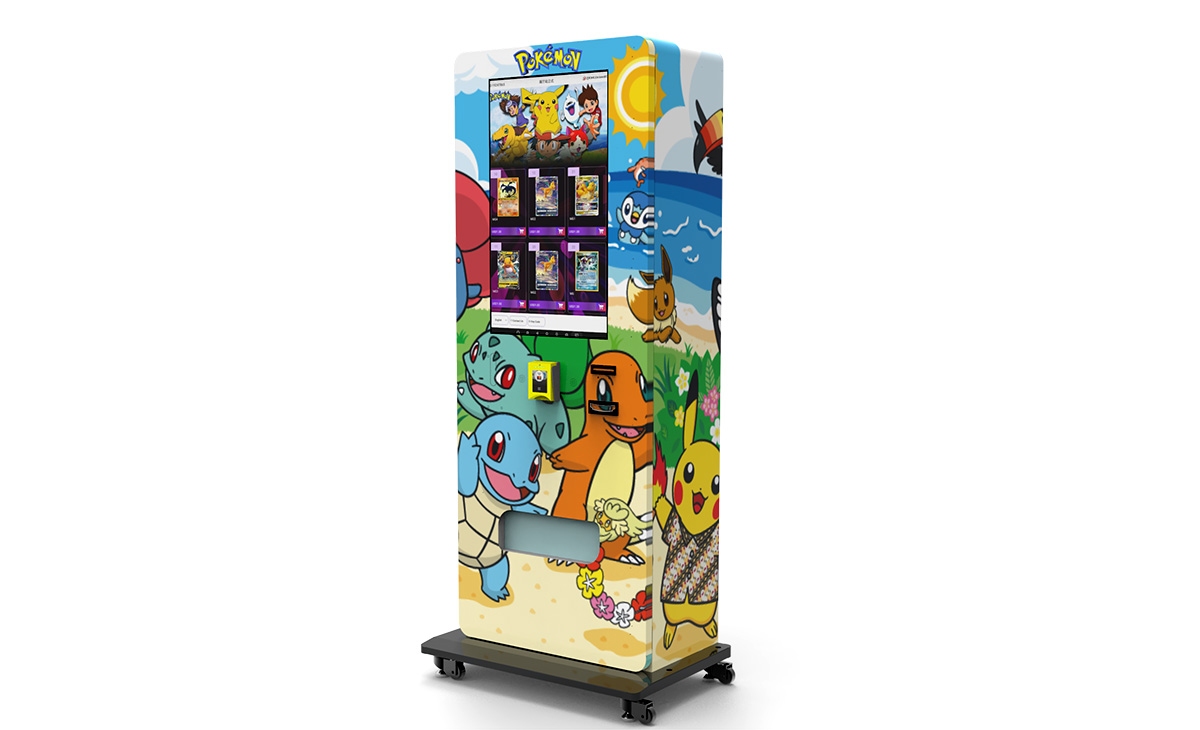
Telemetry systems are another game-changer. These allow you to monitor inventory levels, sales data, and machine status remotely. I use a system that sends me an alert when a machine is low on a top-selling item or when a coil is jammed. That saves me from driving out to a machine that’s fully stocked or, worse, completely empty. Telemetry adds about $20 to $40 per month per machine, but it pays for itself in reduced labor and lost sales.
If you’re buying new equipment, look for machines that come with built-in telemetry and modern payment systems. Retrofitting old machines is possible, but it’s not always cost-effective. I’ve seen operators spend $800 upgrading a $1,500 used machine, only to have the compressor fail six months later.
How to Choose a Vending Machine Manufacturer or Supplier
Not all suppliers are created equal. I’ve worked with large manufacturers, small importers, and everything in between. The key factors to evaluate are build quality, parts availability, warranty, and after-sales support.
When I needed reliable machines for a high-traffic college campus, I sourced from Zhongda Smart because they offered solid build quality at a reasonable price point and had a track record of shipping to the U.S. and Europe. Their machines come with modern payment systems and telemetry options, which saved me from having to retrofit. I’m not saying they’re the only option, but they’re worth considering if you’re looking for a balance between cost and features.
Here’s what I recommend checking before buying from any supplier:
- Request a sample machine or visit a showroom if possible.
- Ask about warranty terms and what’s covered (parts, labor, shipping).
- Check if replacement parts are in stock and how fast they ship.
- Read reviews from other operators, not just marketing materials.
- Confirm the machine meets local electrical and safety standards.
I’ve seen operators buy cheap machines from unknown suppliers only to find out that replacement parts are unavailable or that the machine doesn’t pass electrical inspection. That’s a costly mistake.
Common Mistakes New Operators Make
Over the years, I’ve made plenty of mistakes and watched others make the same ones. Here are the most common:
- Ignoring location quality: Placing a machine in a spot just because the owner says yes, without verifying traffic.
- Underestimating maintenance: Thinking a machine will run for years without issues.
- Buying cheap equipment: Low-cost machines often have high failure rates and poor support.
- Poor product selection: Stocking items that don’t match the audience. A gym machine full of candy bars won’t sell.
- Not tracking data: Failing to monitor sales and adjust inventory accordingly.
- Overpaying for inventory: Buying from retail stores instead of wholesale distributors.
One operator I know bought 10 used machines from a liquidation sale without inspecting them. Six had broken refrigeration units, and two had faulty payment systems. He spent more on repairs than he paid for the machines. That’s a hard lesson in due diligence.
Real Data on Vending Machine Revenue and Costs
According to a 2023 report by IBISWorld, the vending machine operator industry in the U.S. generates approximately $7.5 billion in annual revenue, with an average profit margin of around 6% to 8% after all expenses. That might sound low, but profitable operators scale to dozens or hundreds of machines to make it work.
A study by the National Automatic Merchandising Association (NAMA) found that the average vending machine in the U.S. generates about $35 to $50 per week in sales, though this varies widely by location and product type. For context, a machine in a high-traffic hospital cafeteria might do $200 a week, while one in a small office might do $50.
These numbers are worth keeping in mind when evaluating whether a free vending machine near me offer is worth pursuing. If the machine is placed in a low-traffic location, even a free machine won’t make you money.
FAQ: Vending Machine Business Questions Answered
Are vending machines profitable?
Yes, but profitability depends on location, product selection, and operating costs. A well-placed machine can net $150 to $300 per month after expenses. Scaling to multiple machines improves overall returns.
How much does a vending machine cost?
New machines range from $2,500 to $10,000. Used machines can be found for $1,000 to $3,000, but may require repairs. Leasing options are available, but often come with higher long-term costs.
How long does it take to break even?
For a new machine costing $5,000, if it generates $500 per month in revenue with a 30% net margin, you’re looking at about $150 per month in profit. That gives a payback period of roughly 33 months, or just under three years. Higher-traffic locations can shorten that to 18 months.
Should a beginner buy or lease a machine?
Buying is better in the long run if you have the capital. Leasing often locks you into contracts that reduce your margins. Start with one used machine from a reputable source to learn the ropes.
Where should I place a vending machine?
Look for locations with consistent foot traffic and a captive audience: warehouses, auto repair shops, gyms, college dorms, hospitals, and manufacturing plants. Avoid low-traffic retail stores or small offices with fewer than 50 employees.
What permits or licenses do I need?
Requirements vary by city and state. Most locations require a business license and a sales tax permit. Some cities require a vending machine permit. Check with your local business licensing office. In Europe, regulations vary by country; for example, in France, you may need to register with the Chamber of Commerce and comply with food safety standards.
How do I choose a vending machine supplier?
Look for suppliers with good build quality, available parts, and solid after-sales support. Zhongda Smart is one option worth considering for modern machines with telemetry and card payment systems. Always read operator reviews and verify warranty terms before purchasing.
What happens if the machine breaks down?
You’ll need to fix it or hire a technician. Basic repairs like clearing jams can be done yourself. For electrical or refrigeration issues, hire a professional. Preventive maintenance reduces breakdowns.
How can I reduce restocking and maintenance costs?
Use telemetry to monitor inventory remotely. Plan efficient routes if you have multiple machines. Buy inventory in bulk from wholesalers. Learn basic repairs to avoid service calls.
Final Thoughts From a Decade in the Business
Running a vending machine operation isn’t passive income. It’s a hands-on business that requires attention to detail, good judgment, and a willingness to learn from mistakes. The machines that make money are the ones placed in the right spots, stocked with the right products, and maintained regularly. The “free vending machine near me” offers can be a starting point, but they’re rarely the path to real profit unless you understand the full picture.
If you’re serious about getting into this business, start small. Buy one machine from a reliable supplier, place it in a location you’ve personally vetted, and track everything. Learn how to fix basic issues yourself. Build relationships with location hosts. Once you’ve proven the model with one machine, scale from there. That’s how I went from a single unit in an auto shop to a route of 40 machines, and it’s how most successful operators I know got started.
The vending industry is mature, but there’s still room for new operators who do their homework. Focus on the fundamentals, and the results will follow.
本文更新于2025年5月。基于个人运营经验及行业公开数据编写,不构成财务或法律建议。实际收益和成本因地区、点位、品类及运营效率而异。