Top Things You Should Know About Smart Ai Vending Machines in 2026
If you are looking into smart AI vending machines in 2026, the first thing you need to understand is that the technology has shifted from a novelty to a necessity for operators who want to stay competitive. Over my ten years running vending routes across the US and Europe, I have watched machines evolve from simple snack dispensers into fully connected automated retail hubs. The real shift is in data: these machines now tell you exactly what sells, when it sells, and when they need service. If you are still thinking of vending as a passive income play, you are missing the point. In 2026, success depends on choosing the right smart AI vending machines, understanding your location data, and having a realistic grasp of costs and maintenance. Let me walk you through what actually matters.
What a Smart AI Vending Machine Actually Does
A smart AI vending machine is not just a cooler with a touchscreen. It uses cameras, weight sensors, or RFID to track every item in real time. The machine learns which products move fast and which sit idle. It can adjust pricing dynamically based on time of day or inventory levels. Some models even use facial recognition to guess the age or gender of the buyer and suggest products accordingly. In practice, this means you can run a route with fewer site visits because the machine tells you when it is low on stock or if a coil is jammed. That alone cuts labor costs significantly.
These machines also support cashless payments as standard. In 2026, if your machine does not accept Apple Pay, Google Pay, credit cards, and local mobile wallets, you are losing at least 20 to 30 percent of potential sales. I have seen locations where adding a card reader doubled revenue within a month. The AI component goes further by analyzing transaction data to predict restock needs and even suggest new product categories. This is not science fiction. It is available now from manufacturers like Zhongda Smart, who have been refining these systems for the European and North American markets.
Where Smart AI Vending Machines Work Best
Not every location is a good fit. I have placed machines in over 200 sites, and the difference between a profitable route and a money pit often comes down to foot traffic quality, not quantity. A location with 500 people passing per day but only 30 seconds of dwell time will underperform a smaller site where people wait. Think about places where people have time to browse: hospital waiting rooms, gym lobbies, co-working spaces, college dorms, and manufacturing break rooms. These spots generate consistent sales because the customer is already there and looking for a quick purchase.
High-traffic transit hubs like train stations and airports can work, but the rent is steep and competition is fierce. I have seen operators lose money on prime spots because the commission demanded by the landlord ate up all margin. A better approach for most operators is to target mid-traffic locations with low or zero rent, such as small offices, auto repair shops, or community centers. In these spots, a single smart AI vending machine can generate between 800 and 2,500 USD per month in revenue, depending on product mix and local pricing. According to a 2025 report by IBISWorld, the average vending machine in the US generates about 1,200 USD per month, but smart machines with dynamic pricing can push that number higher.
How Much Does a Smart AI Vending Machine Cost
This is where most beginners get it wrong. They see a cheap machine on Alibaba for 2,000 USD and think they have found a deal. In reality, a reliable smart AI vending machine from a reputable supplier will cost between 5,000 and 15,000 USD depending on size, features, and refrigeration quality. A basic model with a touchscreen and cloud connectivity might run 5,000 to 7,000 USD. A full-size machine with AI inventory tracking, multiple temperature zones, and a robotic arm can cost 12,000 to 15,000 USD. I recommend budgeting at least 8,000 USD per machine for a decent unit that will last five to seven years with proper maintenance.
Shipping, import duties, and installation add another 500 to 1,500 USD per machine depending on your location. If you buy from a manufacturer like Zhongda Smart, they often provide a logistics partner and installation support, which saves headaches. Do not forget the cost of the payment system. A good card reader and telemetry unit will run 300 to 600 USD. Some machines come with these built in, but always confirm before ordering. I have seen operators buy machines that looked great on paper but required a separate payment integration that cost more than the machine itself.
Operating Costs You Cannot Ignore
Owning a smart AI vending machine is not a set-it-and-forget-it business. You have ongoing costs that eat into your margins. The biggest is product cost, which typically runs 50 to 60 percent of retail price. If you sell a soda for 2 USD, your cost is roughly 1 USD. Then you have credit card processing fees, which average 2.5 to 3.5 percent per transaction. Electricity for a refrigerated machine runs about 30 to 60 USD per month. Internet connectivity for the telemetry system costs another 10 to 20 USD per month. And then there is the cost of your time or your employee time for restocking and maintenance.
On average, I estimate that total operating costs eat up about 65 to 75 percent of gross revenue. That leaves a gross margin of 25 to 35 percent before you account for machine depreciation and any location commission. A machine doing 1,200 USD per month might net you 300 to 400 USD after all expenses. That is decent if you have 20 machines, but marginal if you only have one. The key to profitability is density: running multiple machines on a single route so that restocking and maintenance time is shared across many units. According to data from the National Automatic Merchandising Association (NAMA), operators with 50 or more machines see average profit margins that are 8 to 12 percent higher than those with fewer than 10 machines.
Return on Investment and Payback Period
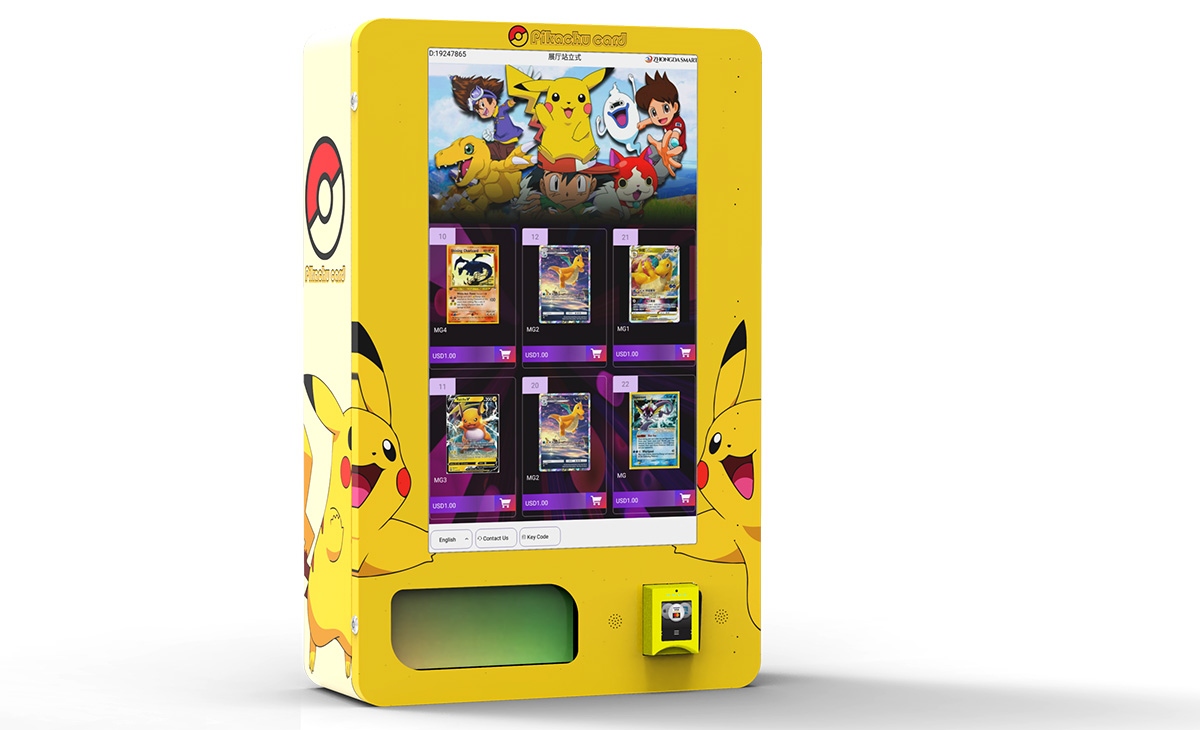
Most operators expect to recoup their investment within 12 to 24 months. In my experience, 18 months is a realistic target for a well-placed smart AI vending machine. If you pay 8,000 USD for the machine and net 400 USD per month, you are looking at 20 months to break even. That is acceptable, but only if the machine keeps running without major repairs. If you place a machine in a low-traffic spot, payback can stretch to three years or more. I have pulled machines after 12 months because they were not generating enough to cover restocking labor.
One factor that accelerates payback is dynamic pricing. Smart AI vending machines allow you to raise prices during peak hours or lower them to clear slow-moving inventory. In a busy office building, I have seen operators increase prices by 15 percent between 11 AM and 2 PM without losing sales. That extra margin can shorten payback by several months. Another factor is product selection. If you sell high-margin items like protein bars, healthy snacks, or premium cold brew coffee, your margins can hit 40 to 45 percent instead of the standard 25 to 30 percent for soda and chips.
How to Choose a Supplier or Manufacturer
This is where experience separates successful operators from those who quit after one year. Do not buy from a supplier who cannot provide local service or spare parts. I have made that mistake. I bought a machine from a no-name manufacturer and spent six months trying to get a replacement compressor. The machine sat idle, losing money every day. Now I only work with suppliers who have a proven track record in my market. Zhongda Smart is one example of a manufacturer that has invested heavily in European and North American distribution and support networks. Their machines are built with standard components that are easy to source, and they offer remote diagnostics that can identify issues before a technician is needed.
When evaluating a supplier, ask for references from operators in your country. Ask about average repair response time. Ask what spare parts they stock locally. A good supplier will have a parts warehouse within your region. Also, check the warranty terms. A minimum of two years on the compressor and one year on electronics is standard. Anything less is a red flag. Do not be fooled by a low price. The cheapest machine often costs the most in downtime and repair bills. I have seen operators spend 3,000 USD on a machine and then 2,000 USD on repairs in the first year. That is not a bargain.
Vending Machine Repair and Maintenance Realities
Every machine breaks. It is not a question of if, but when. The most common issues are jammed coils, faulty card readers, and refrigeration failures. With a smart AI vending machine, many problems can be diagnosed remotely. The machine sends an alert, and you can often clear a jam by guiding the customer through a reset via the touchscreen. But some repairs require a technician. Budget for at least 200 to 400 USD per machine per year in maintenance costs. If you run a route of 20 machines, set aside 4,000 to 8,000 USD annually for repairs and spare parts.
One thing I have learned is that preventive maintenance is cheaper than emergency repairs. Clean the condenser coils every three months. Check the door seals. Update the software when the manufacturer releases a patch. These small steps can extend the life of a machine by years. I have machines that are still running after eight years because I stayed on top of maintenance. I have also seen machines die in two years because the operator ignored the alerts. If you are not comfortable with basic troubleshooting, either hire a part-time technician or partner with a vending machine repair service in your area. Do not let a small problem become a big one.
Common Mistakes New Operators Make
The most common mistake is overestimating sales. Beginners see a location with heavy foot traffic and assume every person will buy something. In reality, conversion rates in vending are typically 2 to 5 percent. A location with 1,000 people per day might only generate 20 to 50 transactions. Do your math before signing a lease. The second mistake is buying too many machines at once. Start with one or two machines, learn the operational rhythm, and then scale. I have seen operators buy ten machines, place them poorly, and lose their entire investment within a year.
Another mistake is ignoring the local market. A machine that works in a New York City office building will not necessarily work in a rural Texas auto shop. Product preferences vary by region and even by neighborhood. Use the data from your smart AI vending machine to adjust your inventory every two weeks. If a product does not sell, replace it. Do not get attached to a product because you like it. The machine tells you what works. Listen to it. Finally, do not underestimate the importance of cleanliness. A dirty machine repels customers. Wipe down the touchscreen, empty the trash bin, and make sure the machine looks professional. First impressions matter in automated retail.
Self-Service Kiosk vs. Traditional Vending Machine
In 2026, the line between a vending machine and a self-service kiosk is blurring. A self-service kiosk typically offers a larger screen, more product information, and sometimes the ability to customize orders. Think of a machine that dispenses fresh pizza or made-to-order coffee. These kiosks cost more, usually 10,000 to 20,000 USD, but they command higher prices and attract more attention. In high-traffic locations like airports or university campuses, a self-service kiosk can generate 3,000 to 5,000 USD per month. However, they require more maintenance and more frequent restocking because they often handle perishable items.
For most operators, a hybrid approach works best. Use traditional vending machines for snacks and drinks, and deploy a self-service kiosk for specialty items like fresh food or premium beverages. This gives you diversification without overcommitting to a single high-cost machine. I have seen operators succeed with a mix of both, using the data from the smart AI vending machines to decide where to place the more expensive kiosks. The key is to match the machine type to the location. A break room in a warehouse does not need a 20,000 USD kiosk. A corporate headquarters with 500 employees might justify one.
Revenue Potential by Location Type
To give you a clearer picture, here is a table based on my own route data and industry benchmarks. These numbers are estimates and will vary based on product pricing, local competition, and foot traffic quality. Use them as a starting point for your own financial projections.
| Location Type | Average Monthly Revenue (USD) | Typical Commission | Estimated Net Profit (After Costs) | Payback Period (Months) |
|---|---|---|---|---|
| Office building (200+ employees) | 1,200 – 2,000 | 0 – 10% | 300 – 600 | 14 – 20 |
| Hospital waiting area | 1,500 – 2,500 | 5 – 15% | 400 – 700 | 12 – 18 |
| Gym or fitness center | 800 – 1,500 | 0 – 10% | 200 – 400 | 18 – 24 |
| College dormitory | 1,000 – 1,800 | 0 – 5% | 250 – 500 | 16 – 22 |
| Manufacturing plant | 1,500 – 3,000 | 0 – 10% | 400 – 800 | 10 – 16 |
| Train station (high traffic) | 2,000 – 4,000 | 15 – 30% | 200 – 500 | 20 – 30 |
As you can see, high-commission locations like train stations can look attractive on the top line but often deliver lower net profit. I prefer locations with low or no commission, even if the revenue is lower. The net profit is more predictable, and I have more control over pricing and product selection.
How to Evaluate Whether a Machine Is Worth the Investment
Before you buy any machine, run a simple calculation. Estimate the monthly revenue based on foot traffic and conversion rate. Subtract product cost, payment processing fees, electricity, connectivity, and maintenance. Then subtract any location commission. What is left is your net monthly profit. Multiply that by 12 to get annual net profit. Divide the total cost of the machine by the annual net profit. That gives you the payback period in years. If it is more than two years, the machine is a marginal investment. If it is more than three years, pass on it.
Also, consider the opportunity cost. Could you place the same machine in a better location? Could you use the money to buy two cheaper machines for lower-traffic but commission-free spots? I have found that spreading investment across multiple mid-tier locations often yields better returns than putting all your capital into one premium spot. Diversification reduces risk. If one machine underperforms, the others can compensate. This is especially important for new operators who are still learning the market.
Legal and Regulatory Considerations
In Europe and North America, vending machines are subject to food safety regulations, especially if you sell perishable items. In the EU, you must comply with the General Food Law Regulation (EC) 178/2002, which requires traceability of all food products. In the US, the FDA regulates vending machines that sell food, and some states require permits for each machine. You also need to comply with local tax laws. In some jurisdictions, vending machine sales are subject to sales tax, and you are responsible for remitting that tax. I recommend consulting with a local accountant or business advisor before you start. The cost of non-compliance can be steep, including fines and forced removal of your machines.
Another consideration is accessibility. In the US, the Americans with Disabilities Act (ADA) requires that vending machines be accessible to people with disabilities. This means the touchscreen must be at a certain height, and the machine must accommodate wheelchair users. Many smart AI vending machines come with ADA-compliant designs, but you should verify this before purchasing. In Europe, similar accessibility standards apply under the European Accessibility Act, which will be fully enforced by 2025. Do not ignore these requirements. I have seen operators forced to relocate machines because they were not compliant.
How to Lower Restocking and Maintenance Costs
The biggest operational expense after product cost is labor for restocking and maintenance. Smart AI vending machines help here because they provide real-time inventory data. Instead of visiting every machine on a fixed schedule, you only visit machines that need restocking. This can cut restocking frequency by 30 to 50 percent. I have operators on my route who restock some machines only once every two weeks because the data shows slow turnover. On the maintenance side, remote diagnostics reduce the number of unnecessary service calls. If the machine reports a jam, you can often guide a customer or onsite staff through a fix over the phone.
Another cost-saving strategy is to standardize your machine fleet. If all your machines are from the same manufacturer, you only need to stock one set of spare parts and train your staff on one system. Mixing brands creates complexity and increases downtime. I have standardized on Zhongda Smart machines for my last two fleet expansions because their parts are interchangeable across models and their remote support is responsive. This has reduced my average repair time from three days to less than 24 hours.
Frequently Asked Questions
Are smart AI vending machines profitable?
Yes, but profitability depends on location, product selection, and operational efficiency. A well-placed machine can net 300 to 800 USD per month after all costs. However, many machines fail because of poor location choice or high commission fees. Do your homework before buying.
How much does a smart AI vending machine cost?
Expect to pay between 5,000 and 15,000 USD for a reliable machine. Shipping and installation add another 500 to 1,500 USD. Cheaper machines often have higher repair costs and shorter lifespans.
How long does it take to recoup the investment?
Most operators see payback within 12 to 24 months. A realistic average is 18 months for a well-placed machine. Machines in low-traffic spots may take three years or longer.
Should I buy or lease a vending machine?
Buying is better for long-term operators because you keep all the profit. Leasing can work for beginners who want to test the market without a large upfront cost, but the terms are often unfavorable. I recommend buying one machine first, learning the business, and then scaling.
Where should I place my first machine?
Look for locations with steady foot traffic, low or no rent, and a captive audience. Office break rooms, manufacturing plants, and gyms are good starting points. Avoid high-commission locations like airports until you have experience.
What permits do I need?
Requirements vary by country and state. In the US, you may need a business license, a food permit, and a sales tax permit. In the EU, you must comply with food safety and accessibility regulations. Check with local authorities before placing a machine.
How do I choose a vending machine supplier?
Look for a supplier with local support, a good warranty, and a track record in your market. Ask for references and check their spare parts availability. Zhongda Smart is one manufacturer that offers strong support in Europe and North America.
What happens if the machine breaks down?
Smart machines send alerts for most issues. Many problems can be diagnosed remotely. For physical repairs, you will need a technician. Budget 200 to 400 USD per machine per year for maintenance. Keep spare parts on hand for common failures like card readers and compressors.
How can I reduce restocking costs?
Use the machine data to restock only when needed. Standardize your fleet to simplify inventory and repairs. Negotiate bulk pricing with suppliers to lower product costs. Also, consider using a part-time restocker if your route grows beyond five machines.
Can I run a vending machine business part-time?
Yes, many operators start part-time with five to ten machines. The smart AI features reduce the need for constant monitoring. However, you still need to be available for restocking and repairs. As the route grows, it becomes harder to manage part-time.
Final Thoughts from the Road
Smart AI vending machines in 2026 are a solid business opportunity for operators who approach them with realistic expectations. The technology has matured, and the data these machines provide gives you a level of control that was unimaginable a decade ago. But the fundamentals have not changed: location matters, costs matter, and you have to put in the work. I have seen too many people jump in thinking they will get rich quick, only to lose money because they ignored the basics. If you take the time to learn the market, choose your equipment carefully, and treat each location as a business decision, you can build a profitable route that generates reliable income. Start small, use the data, and scale when you are ready.
This article was written based on over ten years of hands-on experience operating vending routes in the US and European markets. Data points from IBISWorld and NAMA are cited for industry context. All financial estimates are based on real operational experience and should be verified against your specific market conditions. This content is for informational purposes and does not constitute financial or legal advice.
Last updated: June 2026.