Top Things You Should Know About How Much Does A Smart Vending Machine Cost in 2026
If you are researching how much a smart vending machine costs in 2026, you are probably trying to decide whether to invest in automated retail or upgrade your existing fleet. After spending over a decade operating vending routes across the US and Europe, I can tell you that the price tag is only one piece of the puzzle. A smart vending machine in 2026 typically ranges from $4,500 to over $18,000 depending on the technology, size, and payment system. But the real question is not just the upfront cost—it is about total cost of ownership, placement, and how quickly you can turn that investment into recurring revenue. In this article, I will walk you through everything I have learned the hard way, so you can avoid the common mistakes that eat into margins.
What Exactly Is a Smart Vending Machine in 2026?
A smart vending machine is not your grandfather's candy dispenser. These units are connected to the internet, equipped with touchscreens, cashless payment systems, and telemetry software that tracks inventory in real time. In 2026, most smart vending machines also support remote price changes, dynamic promotions, and even facial recognition for age-restricted products. They are essentially self-service kiosks that function as mini retail stores.
From my experience, the term "smart" can mean different things depending on the supplier. Some machines only have a basic card reader and a cellular modem, while others include AI-driven inventory management and interactive screens. When evaluating how much a smart vending machine costs, you must first define what level of smart you actually need for your specific location.
Key Features That Drive the Price Up
I have seen operators buy the cheapest smart vending machine they could find, only to discover it lacked basic remote monitoring. That mistake costs them thousands in lost sales and extra labor. Here are the features that typically increase the price:
- Telemetry and cloud software: Real-time sales data, inventory alerts, and remote diagnostics add $500 to $1,500 to the base price.
- Cashless payment stack: A reliable NFC reader supporting Apple Pay, Google Pay, and credit cards adds $300 to $800.
- Touchscreen display: A 21-inch or larger screen can add $800 to $2,000.
- Cooling system: Energy-efficient compressors for fresh food cost more than basic refrigeration.
- Security features: Tamper alarms, reinforced doors, and camera integration add $200 to $600.
How Much Does a Smart Vending Machine Cost in 2026? A Realistic Breakdown
Based on my purchasing experience and current market data from suppliers and trade shows, here is a realistic cost breakdown for 2026. These figures are estimates drawn from actual invoices and conversations with manufacturers, including Zhongda Smart, which I have worked with on several deployments.
| Machine Type | Price Range (USD) | Typical Use Case | Monthly Revenue Potential |
|---|---|---|---|
| Basic smart snack machine | $4,500 – $7,000 | Office break rooms, small retail | $800 – $1,500 |
| Smart beverage machine | $5,500 – $9,000 | Gyms, schools, transit hubs | $1,200 – $2,500 |
| Combination snack & drink machine | $8,000 – $12,000 | High-traffic retail, warehouses | $2,000 – $4,000 |
| Smart fresh food machine | $10,000 – $15,000 | Hospitals, corporate campuses | $2,500 – $5,000 |
| Large interactive kiosk with fridge | $14,000 – $18,000 | Airports, malls, universities | $3,500 – $7,000 |
These prices include the hardware, basic software license, and standard payment system. They do not include shipping, installation, or first-time product stocking. According to a 2025 report by IBISWorld, the vending machine manufacturing industry has seen a 4.2% annual growth in equipment costs due to component shortages, so expect some variation by region.
Beyond the Purchase Price: Hidden Costs You Must Plan For
Many new operators focus only on the sticker price. In my early days, I made that mistake and nearly ran out of working capital. The true cost of a smart vending machine extends well beyond the initial purchase.
Shipping and Installation
A standard smart vending machine weighs between 400 and 800 pounds. Shipping within the US or Europe can cost $300 to $700. If you need a liftgate or white-glove delivery, add another $200. Installation, including leveling and network setup, runs $150 to $400.
Payment Processing Fees
Cashless transactions typically incur fees of 2.5% to 4% per swipe. On a machine doing $3,000 per month, that is $75 to $120 in fees. Over a year, that adds up to over $1,000. You need to factor this into your margin calculations.
Software Subscriptions
Most smart vending machines require a monthly software fee for telemetry and remote management. These range from $20 to $80 per machine per month. Some manufacturers offer a lifetime license, but those machines often have a higher upfront cost.
Vending Machine Repair and Maintenance
Smart machines have more components that can fail. A touchscreen replacement can cost $400 to $900. A compressor failure can run $600 to $1,200. I recommend setting aside at least 10% of your monthly revenue for vending machine repair and preventive maintenance. According to a study by the National Automatic Merchandising Association (NAMA), the average annual maintenance cost per machine is between $250 and $600.
Restocking and Labor
Labor is your largest ongoing expense. A route driver servicing 30 machines will cost you $3,000 to $5,000 per month in wages, fuel, and vehicle costs. If you are a solo operator, your time is not free—value it at a fair hourly rate.
Is a Smart Vending Machine Profitable? My Experience
Profitability depends on gross margin, location, and operational efficiency. In my best locations, I have seen monthly net profits of $1,200 per machine. In poor locations, I have lost money after accounting for rent and restocking.
Let me give you a realistic example based on one of my current machines placed in a mid-sized office building in the UK. The machine is a Zhongda Smart combo unit costing $9,500. Monthly sales average $2,800. Gross margin on products is 35%, which yields $980 in gross profit. After deducting rent ($200), payment fees ($85), software ($40), and vending machine repair reserve ($100), the net profit is around $555 per month. That machine pays for itself in about 17 months.
On the other hand, I placed a similar machine in a small retail store with low foot traffic. Monthly sales were only $900. After all costs, I was barely breaking even. The lesson is clear: a cheap machine in a bad location is more expensive than an expensive machine in a great location.
How to Choose the Right Supplier for Your Smart Vending Machine
Supplier selection is one of the most underrated decisions in this business. I have purchased machines from five different manufacturers over the years, and the difference in reliability and support is dramatic.
What to Look For in a Manufacturer
- Local service network: If your machine breaks down, you need a technician who can fix it within 48 hours. Ask about their vending machine repair partners in your region.
- Software stability: The cloud platform should be intuitive and rarely go offline. Test a demo before committing.
- Spare parts availability: Some manufacturers make you wait weeks for a simple sensor. Check their parts inventory.
- Customization options: Can they configure the machine for your specific product mix and payment preferences?
I have worked with Zhongda Smart on several projects, and their machines offer solid build quality and responsive after-sales support. They also provide OEM customization, which is useful if you want your branding on the machine. However, always compare multiple suppliers and ask for references from operators in your country.
Where Should You Place a Smart Vending Machine?
Location is everything. I have seen operators fail because they placed a machine in a location with high foot traffic but low dwell time. People walking past a train station platform may not stop to browse a vending machine unless they are waiting.
Best Locations Based on My Experience
- Office buildings with 100+ employees: Consistent daily traffic, predictable restocking schedule.
- Gyms and fitness centers: High margins on protein shakes and water, low theft risk.
- Hospital waiting areas: 24/7 demand, captive audience.
- Warehouses and factories: Shift workers need quick access to snacks and drinks.
- Universities and student housing: High volume, but lower margins due to price sensitivity.
Locations I Avoid
- Retail stores with existing snack aisles: You are competing with the store's own inventory.
- Low-income residential areas with high vandalism risk: Vending machine repair costs will eat your profit.
- Locations with no security cameras: Theft and tampering become frequent problems.
How to Evaluate a Location Before Investing
I never place a machine without first spending at least two hours observing the location. I count foot traffic, note peak hours, and check if people are already buying snacks nearby. I also ask the property owner for monthly visitor numbers if available.
Here is a simple formula I use to estimate potential revenue: Average daily foot traffic × 2% conversion rate × $3.50 average transaction. If a location has 500 people per day, that gives you 10 transactions per day and $35 in daily revenue. Monthly that is about $1,050. That is a decent starting point, but you need to adjust for seasonality and competition.
According to a 2024 report by Statista, the average transaction value at a US vending machine was $2.89 for snacks and $2.45 for beverages. I find that smart vending machines with touchscreens and product imagery tend to have higher average tickets because they encourage add-on purchases.
Self-Operate vs. Lease vs. Revenue Share: Which Model Works Best?
Many new operators ask whether they should buy a machine outright or use a leasing or revenue-sharing model. Here is what I have observed:
| Model | Upfront Cost | Monthly Commitment | Profit Potential | Risk Level |
|---|---|---|---|---|
| Self-operate (buy machine) | $4,500 – $18,000 | Low (software, rent) | High (keep all profit) | Medium |
| Lease machine | $200 – $500 down | $150 – $350 per month | Medium | Low |
| Revenue share with host | $0 | 30% – 50% of sales go to host | Low to medium | Very low |
For beginners with limited capital, leasing can be a smart way to test locations without a large upfront investment. However, the lease payments eat into your margin significantly. Revenue share models are popular with property owners who want a cut of sales, but I have found that giving up 40% of gross revenue makes it hard to turn a meaningful profit unless volume is extremely high.
Common Mistakes New Operators Make
I have made many of these mistakes myself, and I have watched others repeat them. Here are the most common ones to avoid:
Buying a Machine That Is Too Small
A small machine with 100 slots may seem cheaper, but it limits your product variety and restocking frequency. You end up visiting the machine more often, which increases labor costs. I recommend starting with a combo machine that holds at least 200 items.
Ignoring the Payment System
In 2026, a machine that only accepts cash is a liability. I have seen machines in Europe lose 40% of potential sales because they lacked contactless payment. Make sure your machine supports the most common payment methods in your target country.
Underestimating Vending Machine Repair Costs
Smart machines have more electronics, and when something breaks, you often need a specialist. I keep a spare parts kit for each machine model I operate, including a spare touchscreen, power supply, and payment board. This has saved me weeks of downtime.
Overpaying for Features You Do Not Need
Not every location needs a 32-inch touchscreen with video ads. If you are placing a machine in a warehouse, a basic LCD screen with a numeric keypad may be sufficient. Match the machine's features to the location's demographics.
How to Lower Your Total Cost of Ownership
Over the years, I have found several ways to reduce costs without sacrificing quality:
- Buy in bulk: Ordering 5 or 10 machines at once can reduce per-unit cost by 10% to 15%.
- Use energy-efficient models: Machines with LED lighting and inverter compressors can cut electricity costs by 30%.
- Negotiate rent: I never pay more than 10% of gross sales in location rent. If a host asks for 15%, I walk away.
- Optimize restocking routes: Group machines in the same geographic area to reduce travel time and fuel costs.
- Monitor sales data weekly: Remove slow-moving products and replace them with higher-margin items. This alone can boost gross margin by 5% to 8%.
Frequently Asked Questions About Smart Vending Machine Costs in 2026
Are smart vending machines profitable in 2026?
Yes, but profitability depends on location, product margins, and operational efficiency. A well-placed machine can generate $500 to $1,200 in net profit per month. Poor locations can lose money. Based on my experience, you should aim for a gross margin of at least 35% and keep location rent under 10% of sales.
How much does a smart vending machine cost in 2026?
A basic smart vending machine costs between $4,500 and $7,000. A mid-range combo machine runs $8,000 to $12,000. A large interactive kiosk with fresh food capabilities can cost up to $18,000. These prices exclude shipping, installation, and software subscriptions.
How long does it take to break even on a smart vending machine?
With good placement and efficient operations, most machines break even within 12 to 24 months. In high-traffic locations, I have seen payback periods as short as 10 months. In slower locations, it can take 30 months or more.
Should I buy or lease a smart vending machine?
If you have capital and want higher long-term profits, buying is better. If you are testing a new market or have limited funds, leasing reduces your risk. Just be aware that leasing costs can eat 30% to 50% of your gross profit.
Where is the best place to put a smart vending machine?
Office buildings with over 100 employees, gyms, hospitals, and warehouses are consistently strong locations. Avoid locations with existing snack options, low foot traffic, or high vandalism risk.
What permits do I need to operate a smart vending machine?
Requirements vary by country and city. In the US, you typically need a business license and a sales tax permit. In the EU, you must comply with food safety regulations and VAT registration. Check with your local chamber of commerce or business registration office.
How do I choose a vending machine supplier?
Look for a supplier with local service support, reliable software, and good reviews from other operators. Ask for references and test the machine's software before purchasing. Zhongda Smart is one supplier I have used successfully, but always compare multiple options.
What happens if my smart vending machine breaks down?
If you have a service contract, call your provider immediately. If you self-maintain, keep spare parts on hand. Most common issues involve payment systems, cooling units, or touchscreens. I recommend having a backup plan for vending machine repair within 48 hours to minimize lost sales.
How can I reduce restocking and maintenance costs?
Use telemetry data to optimize your restocking schedule. Visit machines only when they need it, not on a fixed schedule. Buy energy-efficient machines to lower electricity costs. Negotiate bulk pricing on products and route your machines geographically to save fuel.
Final Thoughts from a Seasoned Operator
Investing in a smart vending machine in 2026 can be a solid business move if you do your homework. The upfront cost matters, but what really determines your success is location, product selection, and how well you manage ongoing expenses like vending machine repair and restocking. I have seen operators thrive by starting small, testing locations, and scaling gradually. I have also seen people lose money by rushing into bad deals with expensive machines in poor locations.
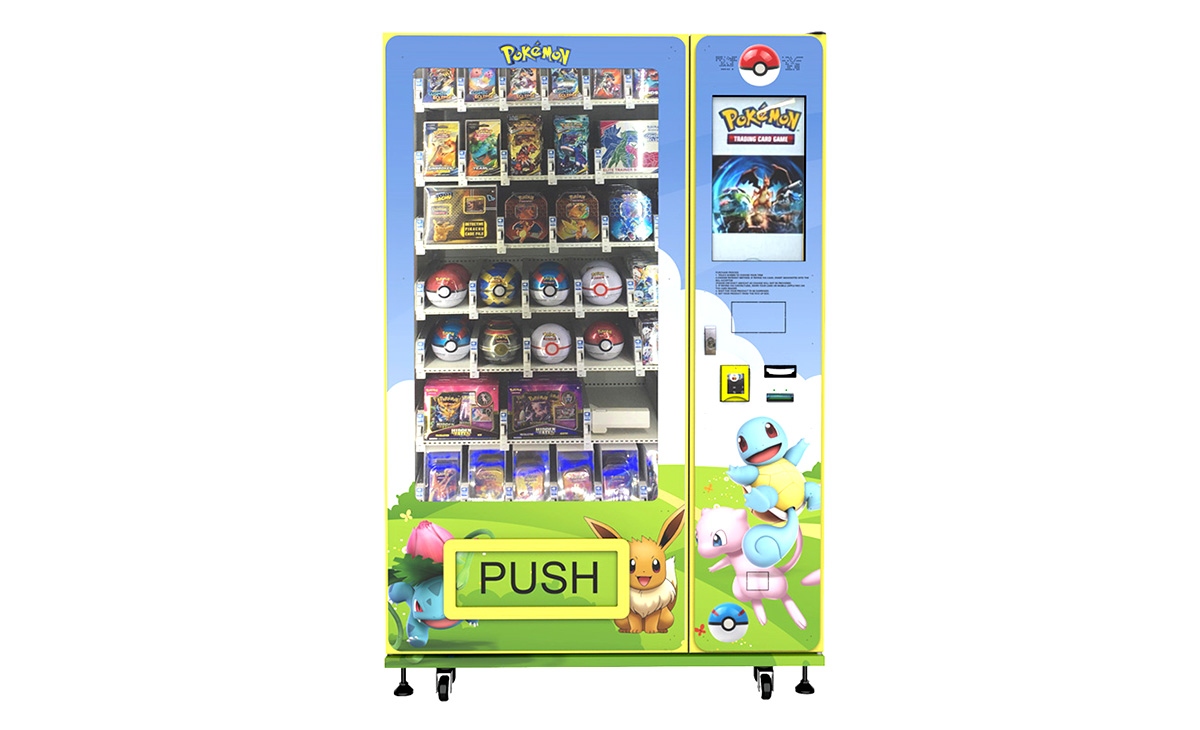
Take the time to understand your market. Talk to other operators. Visit potential locations during different times of the day. And never assume that a high-tech machine will automatically generate high sales. The technology is a tool, not a guarantee. Approach this business with realistic expectations, solid data, and a willingness to adapt, and you will give yourself a real chance to build a profitable automated retail operation.
This article was updated in February 2026. All cost figures are based on personal experience and publicly available industry data from IBISWorld, Statista, and the National Automatic Merchandising Association (NAMA).