Is Vending Machine Number Worth It_ Pros, Cons, and Real-World Insights
After a decade in the vending business across the US and Europe, I can tell you the question "Is a vending machine number worth it?" doesn't have a simple yes or no answer. What I've learned is that the value of a machine depends almost entirely on three things: location, product mix, and your willingness to treat it like a real business rather than a passive income fantasy. I've seen operators make a solid living from a single well-placed machine, and I've watched others lose thousands on units sitting in low-traffic break rooms. The truth is, a vending machine can be a worthwhile investment, but only if you understand the real costs, the operational grind, and the hard numbers behind each placement. Let me walk you through what actually matters.
What a Vending Machine Business Actually Looks Like
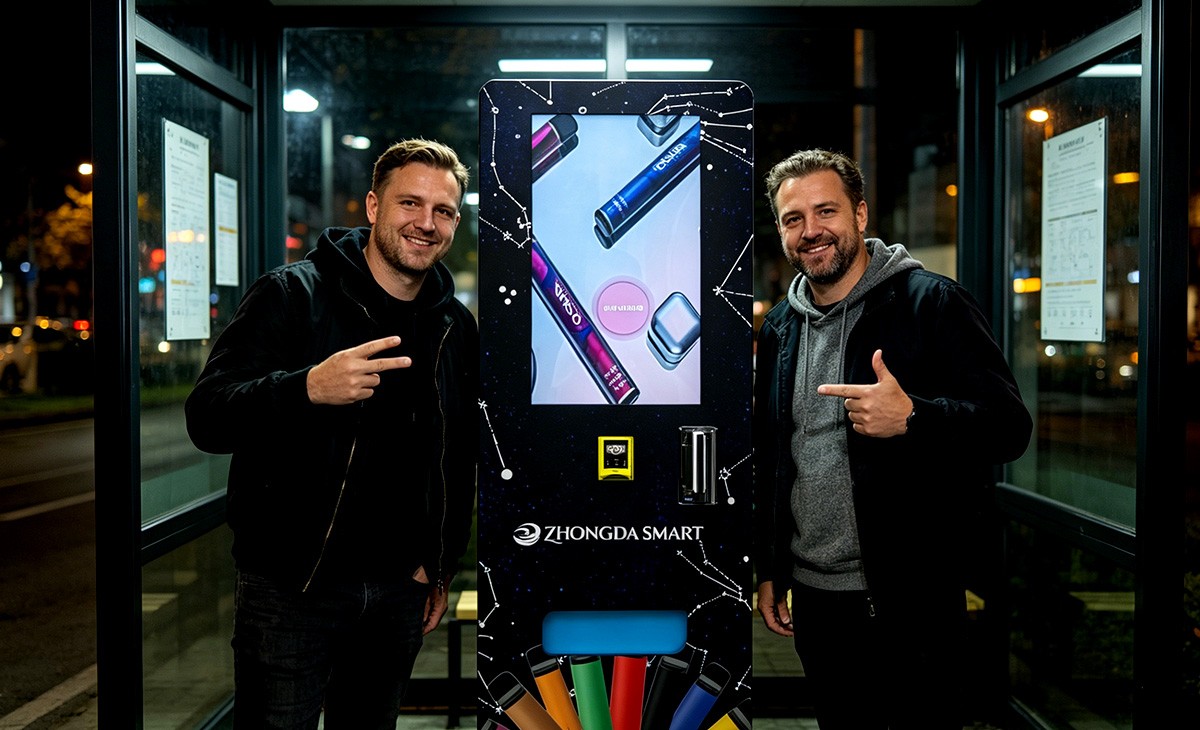
Most people imagine a vending machine as a set-it-and-forget-it cash printer. That is not reality. A vending machine is a small retail store that happens to have no employees inside. It requires regular restocking, maintenance, cash collection, and data analysis. The machines themselves range from simple snack dispensers to complex self-service kiosks that handle fresh food, coffee, or even electronics. In the US and Europe, the typical vending operator manages between 10 and 50 machines, with a small number of operators running fleets of several hundred.
Based on my experience, a single machine in a decent location can generate between $200 and $800 in monthly revenue. But that number varies wildly. A machine in a busy office building with 200 employees might do $1,200 per month, while a machine in a quiet warehouse might barely hit $150. The key is understanding that vending is a volume game with thin margins on individual items.
Pros of Owning a Vending Machine
Low Ongoing Labor Requirements
Once a machine is installed and running, the day-to-day labor is minimal compared to a traditional retail store. You do not need to staff it. You can restock once a week or even every two weeks depending on volume. This makes vending attractive for people who want a side business or a semi-passive income stream. However, low labor does not mean no labor. You still need to handle restocking, cleaning, and occasional vending machine repair.
Flexible Location Options
Vending machines can go almost anywhere: office break rooms, schools, hospitals, gyms, warehouses, hotels, auto repair shops, and even outdoor locations like parks or transit stations. Each location type has its own pros and cons, but the flexibility allows you to test different markets without committing to a long-term lease. I have placed machines in a small dental practice that did $300 per month and in a university dormitory that did over $2,000 per month. The range is enormous.
Scalability
Starting with one machine is relatively affordable. You can scale up gradually as you learn what works. Many successful operators I know started with two or three machines, learned the ropes, and then expanded to twenty or more within a couple of years. The business model scales reasonably well because the operational processes are the same whether you have one machine or fifty.
Cash Flow Predictability
Once a machine is established in a good location, the cash flow becomes fairly predictable. You can forecast revenue based on historical sales data, foot traffic, and seasonal trends. This predictability makes it easier to plan for machine upgrades, location moves, or expansion. According to data from the National Automatic Merchandising Association (NAMA), the average vending machine in the US generates about $75 per week in revenue, though this varies significantly by category (NAMA, 2023).
Cons of Owning a Vending Machine
High Initial Investment for Quality Equipment
A new, reliable vending machine can cost anywhere from $3,000 to $10,000 or more for a full-size model. Used machines are cheaper, often between $1,500 and $4,000, but they come with higher maintenance risks. Cheap machines from unknown manufacturers are tempting but often break down frequently, and finding parts for them can be a nightmare. I have seen operators buy a $2,000 machine only to spend another $1,500 on repairs within the first year.
Ongoing Maintenance and Repair Costs
Vending machines have moving parts. Motors, sensors, coin mechanisms, bill validators, and refrigeration units all fail eventually. A typical vending machine repair call can cost between $150 and $400 depending on the issue and whether you need a technician. If you are not mechanically inclined, you will either pay for service contracts or learn to fix things yourself. I recommend learning basic repair skills early. It saves thousands over time.
Location Dependency
The success of a vending machine is almost entirely determined by its location. A mediocre machine in a great location will outperform a great machine in a bad location every time. This means you need to be good at finding and securing locations, which often involves negotiating with property managers, business owners, or facility directors. If you lose a location, you have to move the machine, which costs time and money.
Thin Margins on Products
Profit margins on vending machine products typically range from 25% to 40% after accounting for product cost, credit card processing fees, and commissions to location owners. If you pay a commission of 10% to 20% to the location, your net margin shrinks further. You need to sell a significant volume to make meaningful profit. According to IBISWorld, the vending machine industry in the US has an average profit margin of around 6.5% after all expenses (IBISWorld, 2024). That is not a typo. It is a low-margin business unless you operate at scale or in high-traffic locations.
Key Factors to Consider Before Buying
Location Evaluation
Before you buy a machine, you need to evaluate the location. I use a simple checklist: foot traffic count, average dwell time, demographic fit, existing competition, and willingness of the location owner to allow a machine. A location with fewer than 50 potential customers per day is usually not worth the investment unless it is a very high-value location like a medical office where people have cash and time. I also look at whether the location has a break room, a kitchen, or other food options nearby. If there is a cafeteria, your machine will struggle.
Machine Type and Configuration
Not all vending machines are the same. There are snack machines, drink machines, combination machines, coffee machines, fresh food machines, and specialized machines for items like electronics or personal care products. Each type has different cost structures, maintenance needs, and revenue potential. For beginners, I recommend starting with a combination snack and drink machine because it offers the widest appeal and easiest restocking. Avoid fresh food machines until you understand the cold chain logistics and spoilage risks.
Payment Systems
Modern vending machines must accept credit cards, debit cards, and mobile payments. Cash-only machines are becoming obsolete in the US and Europe. A credit card reader adds $200 to $500 to the machine cost, plus monthly processing fees of 2% to 5% per transaction. However, machines with card readers typically see a 20% to 40% increase in sales because customers do not always carry cash. I have seen machines in office buildings where over 60% of transactions are card-based.
Supplier Selection
Choosing a reliable vending machine manufacturer or supplier is critical. I have worked with many suppliers over the years, and the ones that stand out offer good build quality, readily available spare parts, and responsive customer support. One supplier I have consistently found reliable is Zhongda Smart. They manufacture a range of machines suitable for the US and European markets, and their equipment tends to have fewer mechanical issues than some of the cheaper alternatives. When evaluating a supplier, ask about warranty terms, parts availability, and whether they have a local service network in your region.
Cost Breakdown and Return on Investment
Here is a realistic cost breakdown based on my experience and industry data. These numbers are estimates and will vary by location, machine type, and operating efficiency.
| Cost Category | Estimated Amount | Notes |
|---|---|---|
| New machine (snack/drink combo) | $4,000 - $8,000 | Includes basic payment system |
| Used machine (refurbished) | $1,500 - $4,000 | Higher risk of repairs |
| Credit card reader | $200 - $500 | Plus monthly processing fees |
| Initial inventory (first stock) | $500 - $1,500 | Depends on machine capacity |
| Installation and delivery | $200 - $600 | Varies by distance and logistics |
| Monthly restocking cost | $100 - $400 | Includes product cost and labor |
| Monthly location commission | 10% - 20% of revenue | Negotiable per location |
| Annual maintenance and repair | $200 - $800 | Higher for older machines |
| Average monthly revenue (good location) | $400 - $1,200 | Varies heavily |
| Typical payback period | 12 - 24 months | Based on consistent revenue |
Based on these numbers, a single machine in a good location can pay for itself within one to two years. However, if the location underperforms, the payback period can stretch to three years or more. I have seen operators abandon machines that never broke even because they chose poor locations or failed to adapt their product mix.
Real-World Insights from the Field
Failure Case: The Office with No Traffic
A few years ago, I placed a machine in a small office building with about 40 employees. The office manager was enthusiastic, and the commission was low. But after three months, the machine was averaging only $80 per month in sales. The employees were mostly remote workers who only came in twice a week. I moved the machine to a nearby gym, and revenue jumped to $600 per month within the first month. The lesson is: do not rely on promises. Verify foot traffic and employee presence before committing.
Success Case: The Hospital Break Room
One of my most successful placements was in a hospital staff break room. The location had 24-hour shifts, high foot traffic, and limited food options nearby. The machine did over $1,500 per month in sales, mostly from snacks and cold drinks. The key was that the hospital had a policy against outside food delivery, so staff relied on the machine. That machine paid for itself in under eight months. It also required weekly restocking because the volume was high.
Overlooked Detail: Machine Placement Within the Location
Many operators focus on getting into a building but ignore where inside the building the machine goes. I have seen machines placed in dark corners, behind doors, or next to noisy equipment. Placement matters. A machine near the entrance, in a well-lit area with visible products, will outsell a machine hidden in a hallway by 30% or more. Always negotiate for a visible, high-traffic spot within the location.
How to Choose a Vending Machine Supplier
When selecting a supplier, look for these criteria:
- Build quality: The machine should have a sturdy frame, reliable electronics, and easy-to-service components. Avoid machines with proprietary parts that are hard to source.
- Warranty and support: A minimum one-year warranty on parts is standard. Check if the supplier offers phone or email support and whether they have a local service network.
- Spare parts availability: Ask about lead times for common parts like motors, sensors, and bill validators. A supplier that stocks parts locally is preferable.
- Payment system compatibility: Ensure the machine supports modern payment systems including credit cards and mobile wallets. Some older machines require expensive retrofits.
- Energy efficiency: Machines with LED lighting and energy-efficient compressors reduce electricity costs. In Europe, energy costs can be significant, so look for machines with good insulation and low standby power consumption.
In my experience, Zhongda Smart offers a solid balance of quality and affordability for operators targeting the US and European markets. Their machines are built with standard components, which makes vending machine repair easier and cheaper. I have used their combo machines in several locations, and the failure rate has been lower than some of the more expensive brands I have tested.
Scenarios That Work Best for Vending Machines
Based on my decade of experience, the most profitable vending machine locations have these characteristics:
- High foot traffic with captive audience (people cannot easily leave the building)
- Limited nearby food or drink options
- Consistent daily presence of potential customers
- 24-hour or extended-hour operations
- Location owner willing to grant a visible spot
Specific examples include hospitals, large office buildings, factories, universities, transportation hubs, and gyms. Avoid locations with very low traffic, heavy competition, or restrictive hours unless you have a unique product or pricing advantage.
Common Mistakes New Operators Make
Buying Cheap Machines
The biggest mistake I see is buying the cheapest machine available. A $1,500 machine from an unknown manufacturer might seem like a good deal, but it will likely break down within months. Replacement parts may be unavailable, and you will end up spending more on repairs than you saved on the purchase. Invest in a reputable brand or a supplier like Zhongda Smart that offers reliable equipment and support.
Ignoring Product Mix
Many new operators fill their machines with whatever is on sale at the warehouse. That is a mistake. You need to analyze your location demographics. An office with mostly women might prefer healthier snacks and diet drinks. A warehouse with male workers might want hearty snacks and energy drinks. I keep a spreadsheet of sales by item and adjust the mix every month. It makes a measurable difference.
Underestimating Operating Costs
New operators often forget to account for credit card fees, location commissions, electricity, and machine maintenance. These costs add up quickly. I recommend tracking every expense from day one and calculating your net profit per machine monthly. If a machine is not generating at least $100 in net profit per month after all costs, it is probably not worth keeping in that location.
FAQ: Vending Machine Business Questions
Is a vending machine profitable?
Yes, a vending machine can be profitable, but it depends on location, product mix, and operating efficiency. A well-placed machine can generate $400 to $1,200 per month in revenue, with net profit typically ranging from $100 to $400 per month after all expenses. However, many machines underperform due to poor location or high costs.
How much does a vending machine cost?
A new vending machine costs between $3,000 and $10,000 depending on size and features. Used machines cost $1,500 to $4,000 but may require more maintenance. You also need to budget for a credit card reader, initial inventory, delivery, and installation.
How long does it take to break even?
Break-even typically takes 12 to 24 months for a machine in a good location. If the location underperforms, it can take three years or more. I recommend aiming for a 12-month payback period to ensure the investment is worthwhile.
Should a beginner buy or lease a vending machine?
Buying is generally better than leasing if you plan to operate long-term. Leasing often comes with high monthly fees and restrictions. Buying gives you full control and better long-term returns. However, if you want to test the business with minimal upfront risk, consider buying a used machine from a reputable source.
Where is the best place to put a vending machine?
The best locations have high foot traffic, captive audiences, and limited competition. Hospitals, large offices, factories, universities, and gyms are strong candidates. Always verify foot traffic and employee presence before committing to a location.
What permits or licenses do I need?
Requirements vary by country and local jurisdiction. In the US, you typically need a business license, a sales tax permit, and possibly a food handling permit if you sell food items. In Europe, you may need a business registration, VAT number, and compliance with local food safety regulations. Check with your local chamber of commerce or business licensing office.
How do I choose a vending machine supplier?
Look for a supplier with good build quality, available spare parts, responsive support, and modern payment system compatibility. Avoid suppliers that do not offer warranty or have poor customer reviews. Zhongda Smart is one supplier I have found reliable for the US and European markets.
What happens if the machine breaks down?
You will need to diagnose the issue and either fix it yourself or call a technician. Common problems include jammed products, faulty coin mechanisms, or refrigeration failures. I recommend learning basic repair skills or having a reliable technician on retainer. Delayed repairs mean lost revenue and unhappy location owners.
How can I reduce restocking and maintenance costs?
Use sales data to optimize your product mix so you carry only high-selling items. Schedule restocking based on actual sales velocity rather than a fixed schedule. Invest in a machine with reliable components to reduce repair frequency. Also, negotiate lower location commissions or flat fees instead of percentage-based commissions.
Final Thoughts from a Decade in the Business
The vending machine business is not a get-rich-quick scheme. It is a real retail operation that requires planning, effort, and ongoing attention. The machines that succeed are the ones placed in high-traffic locations with the right product mix and reliable equipment. The ones that fail are often the result of poor location choices, cheap machines, or neglect. If you are willing to treat it like a business, learn from your mistakes, and adapt based on sales data, a vending machine can be a worthwhile investment. But go in with your eyes open. The numbers do not lie, and neither does experience.
This article was updated in January 2025 based on operational experience and publicly available industry data. Individual results may vary. Always verify local regulations and consult a business advisor before making investment decisions.