Is Sandwiches For Vending Machines Worth It_ Pros, Cons, and Real-World Insights
After more than a decade running vending machine routes across the U.S. and parts of Europe, I have watched the conversation around fresh food in automated retail shift from curiosity to serious consideration. The question I hear most often from new operators and location owners alike is whether sandwiches for vending machines are worth the effort, the cost, and the risk. The short answer is yes, but only if you understand the nuances of perishable inventory, machine selection, and placement strategy. This article draws on real operational experience, industry data, and lessons learned the hard way to give you a clear picture of what it really takes to make sandwiches work in a vending machine business.
What Makes Sandwiches Different From Traditional Vending Inventory
Most vending machines you see in office break rooms or gas station lobbies are built for shelf-stable products. Chips, candy bars, crackers, and bottled drinks can sit for weeks without spoiling. Sandwiches change everything because they bring perishability, temperature control, and food safety regulations into the equation. If you have ever pulled a stale granola bar out of a machine, you know the experience is mildly disappointing. If you pull out a soggy, warm chicken salad sandwich that should have been refrigerated, you have a health hazard and a reputation problem.
Sandwiches require a refrigerated vending machine, often called a cold food machine or a combo machine with a refrigerated section. These units are more expensive than standard snack or drink machines. They also demand more frequent service because inventory turns over faster and spoilage is a real cost. According to the National Automatic Merchandising Association (NAMA), the average cold food vending machine generates between $200 and $600 per week in revenue, depending on location and product mix. That is a wide range, and the difference usually comes down to how well the operator manages the perishable side of the business.
Pros of Adding Sandwiches to Your Vending Machine Lineup
Higher Revenue Per Transaction
A bag of chips might sell for a dollar or two. A sandwich, especially a decent one with fresh ingredients, can command five to eight dollars or more in the right location. That higher price point means you need fewer transactions to hit your daily revenue targets. In my experience, a well-placed cold food machine in a busy office or hospital can outperform a snack machine by a significant margin on a per-square-foot basis.
Differentiation and Customer Loyalty
In markets where every break room has the same candy bars and soda options, offering fresh sandwiches sets you apart. Employees appreciate having a real meal option when they forgot to pack lunch or when the cafeteria is closed. I have seen locations where the sandwich machine becomes the reason people stay on site during lunch breaks, which builds goodwill and repeat business.
Expansion Into New Location Types
Sandwich vending opens doors to locations that traditional snack and drink machines cannot serve well. Hospitals, schools, manufacturing plants, and large office towers often have demand for fresh food but lack the foot traffic or space for a full cafeteria. A self-service kiosk with sandwiches fills that gap neatly. Many of these locations also pay higher commissions or allow longer contracts because they see fresh food as a valuable employee amenity.
Cons and Hidden Challenges of Sandwich Vending
Higher Equipment and Installation Costs
A standard snack vending machine might cost between $2,500 and $4,000 new. A refrigerated machine capable of holding sandwiches at safe temperatures typically runs between $5,000 and $10,000 or more. If you add a payment system with cashless capability, telemetry for remote monitoring, and installation costs, you are looking at a significant upfront investment. I have seen new operators underestimate this by a wide margin and then struggle with cash flow during the first year.
Shorter Shelf Life and Higher Waste
Sandwiches have a shelf life of three to five days under proper refrigeration, sometimes less if they contain fresh produce or delicate proteins. That means you cannot overstock. You have to rotate inventory carefully and be willing to pull unsold product before it becomes a problem. Waste is a direct hit to your margin. In my own routes, I budget for 5 to 10 percent waste on fresh items, depending on the location and how well I know the traffic patterns. New operators often see waste rates of 15 percent or higher until they learn the rhythms of each machine.
Food Safety Compliance
In the United States, vending machines that sell perishable food must comply with local health department regulations. In Europe, the requirements vary by country but are generally strict. You may need permits, regular temperature logging, and in some cases, health inspections of your commissary or kitchen. If you are sourcing sandwiches from a third-party supplier, you need to verify that they follow HACCP or equivalent food safety protocols. I have had to pull machines from locations because the facility could not maintain a consistent power supply, causing temperature fluctuations that made compliance impossible.
Real-World Insights From Operating Sandwich Vending Machines
One of the first lessons I learned was that location selection matters even more for sandwich vending than for traditional machines. A snack machine in a low-traffic spot might still turn a modest profit because the product lasts months. A sandwich machine in a low-traffic spot is a money pit. You need a minimum of 50 to 100 people passing the machine daily, and ideally a higher percentage of those people should be regulars who will buy lunch or a meal replacement.
I once placed a refrigerated machine in a small office building with about 40 employees. The building had no cafeteria and no nearby food options, so I thought it was a perfect fit. What I did not account for was the irregular schedules of the staff. Some days the machine sold eight sandwiches. Other days it sold two. The waste rate climbed above 20 percent, and after three months I moved the machine to a hospital break room where traffic was consistent around the clock. That machine now averages over $500 per week with waste under 8 percent.
Another insight that took me years to fully appreciate is the importance of product variety and local taste. National brand sandwiches from large distributors are convenient, but they often taste bland and uninspired. In markets where people care about food quality, like the Pacific Northwest or parts of Germany, I have had much better success sourcing from local delis or commissaries that make sandwiches fresh each morning. The logistics are more complicated, but the sales uplift is real. A machine stocked with fresh, locally made sandwiches can outsell one with factory-packaged options by 30 percent or more.
Equipment Considerations for Sandwich Vending
Not all refrigerated vending machines are created equal. Some are designed primarily for beverages and have limited shelf space for larger items like sandwiches. Others are built specifically for fresh food, with adjustable shelving, precise temperature control, and features like humidity management to keep bread from getting soggy.
When I evaluate a machine for sandwich vending, I look at three things first. Temperature consistency is the most critical. The machine must hold a steady temperature between 34 and 38 degrees Fahrenheit, even during peak ambient heat or when the machine is in a sunny location. The second factor is shelving flexibility. Sandwiches come in different sizes and shapes, and a machine with fixed shelves limits your sourcing options. The third is the refrigeration unit itself. Some cheaper machines use off-the-shelf cooling components that fail frequently. A reliable compressor and good insulation make a big difference in both product quality and maintenance costs over the life of the machine.
One manufacturer I have worked with on several installations is Zhongda Smart. Their refrigerated vending machines are built with sandwich vending in mind, offering adjustable temperature zones and shelving that accommodates a wide range of fresh products. I have found their equipment to be reliable in high-traffic locations, and the remote monitoring feature helps me track temperature and inventory levels without driving to every machine. If you are looking at suppliers, it is worth evaluating their cold food lineup alongside the more traditional options.
Cost Breakdown and Return on Investment Estimates
Based on my own routes and conversations with other operators, here is a realistic cost and revenue picture for a sandwich vending machine in a good location. These numbers are estimates and will vary based on your market, supplier agreements, and location terms.
The initial investment for a new refrigerated vending machine with cashless payment and telemetry typically falls between $6,000 and $12,000. Installation and delivery add another $300 to $800. If you are leasing the machine, monthly payments can range from $150 to $300 depending on the term and equipment value.
Monthly revenue from a well-placed sandwich machine usually lands between $800 and $2,500. Gross margin on sandwiches, after accounting for the cost of goods sold, is typically 40 to 55 percent. That is lower than the margin on snacks or drinks, which can exceed 60 percent, but the higher selling price compensates for the difference.
Monthly operating costs include restocking labor, vehicle expenses, waste, and any commissions paid to the location owner. Commissions range from 10 to 25 percent of gross sales, depending on the desirability of the location. Maintenance and repair costs average $200 to $500 per year per machine for refrigerated units, which is higher than non-refrigerated machines because of the compressor and cooling system.
Based on these numbers, a sandwich vending machine in a strong location can pay for itself in 12 to 24 months. In weaker locations, the payback period stretches to three years or more, and in some cases, the machine never becomes profitable. I have pulled machines that were losing money after 18 months because the location traffic changed or the product mix was wrong.
Comparison Table: Sandwich Vending vs. Traditional Vending
| Factor | Sandwich Vending Machine | Traditional Snack/Drink Machine |
|---|---|---|
| Equipment cost (new) | $6,000 – $12,000 | $2,500 – $5,000 |
| Average transaction value | $4 – $8 | $1 – $3 |
| Gross margin | 40% – 55% | 50% – 65% |
| Product shelf life | 3 – 5 days | Several months |
| Weekly service frequency | 2 – 3 times | 1 – 2 times |
| Waste rate (typical) | 5% – 15% | Under 2% |
| Maintenance cost per year | $200 – $500 | $100 – $300 |
| Payback period (good location) | 12 – 24 months | 10 – 18 months |
How to Choose a Supplier for Sandwich Vending Machines
Supplier selection is one of the most overlooked aspects of starting a vending route, especially for fresh food. A machine that breaks down frequently is not just a repair cost. It is lost revenue, wasted product, and frustrated customers who may not come back.
When evaluating suppliers, I recommend focusing on after-sales support rather than just the initial price. A cheaper machine from a company with no local service network can end up costing you more in downtime and expedited shipping for parts. Look for manufacturers that offer training, documentation, and responsive technical support. Zhongda Smart is one of the suppliers I have used for refrigerated machines because they provide solid documentation and have a network of distributors in several countries. Their machines also come with telemetry options that help me monitor temperature and sales remotely, which is critical for perishable inventory.
Another factor to consider is the availability of spare parts. Some manufacturers use proprietary components that are hard to source outside their home market. Others use standard refrigeration parts that any local technician can handle. If you plan to service your own machines, this matters a lot. If you rely on third-party repair services, check whether they are familiar with the brand you are buying.
Common Mistakes New Operators Make With Sandwich Vending
I have seen the same mistakes repeat across dozens of new operators over the years. The most common one is underestimating the service frequency required for fresh food. A snack machine can go a week or more between visits. A sandwich machine needs attention every two to three days, sometimes more in high-traffic locations. New operators who try to stretch the service interval end up with stale product, high waste, and complaints from location owners.
Another mistake is choosing a machine with inadequate refrigeration for the local climate. I once installed a machine with a standard cooling unit in a warehouse that had no air conditioning. During the summer, the interior temperature of the warehouse exceeded 100 degrees Fahrenheit. The machine could not keep up, and I lost an entire load of sandwiches in one weekend. Upgrading to a machine with a heavier-duty compressor and better insulation solved the problem, but it was an expensive lesson.
Pricing too low is also common. New operators worry that customers will not pay premium prices for a vending machine sandwich, so they price them near cost. That leaves no room for waste, commissions, and overhead. In my experience, customers are willing to pay a fair price for a fresh, good-tasting sandwich, especially if the alternative is walking to a convenience store or fast food restaurant. Test higher price points in your first few weeks and adjust based on sales volume.
Best Locations for Sandwich Vending Machines
Not every location with people is a good location for sandwich vending. The best spots have consistent daily traffic, a captive audience, and limited nearby food competition. Hospitals are near the top of the list because they operate 24/7 and staff often have limited time for meal breaks. Manufacturing plants and warehouses also work well because workers tend to eat on site and have predictable schedules.
Office buildings with more than 100 employees and no cafeteria are strong candidates, but only if the workforce is present five days a week. Buildings with high remote work rates or irregular staffing are riskier. Schools and universities can work, but you often need to navigate procurement rules and health department requirements specific to educational settings.
I have also had success placing sandwich machines in transportation hubs like bus terminals and train stations, though the waste rate tends to be higher because customer traffic is less predictable. In those locations, I reduce the variety of sandwiches and focus on a few best-selling options to minimize waste.
How to Evaluate Whether a Sandwich Vending Machine Is Worth It
Before you invest in a refrigerated vending machine, run a simple calculation based on the location you are targeting. Estimate the number of people who pass the machine daily, the percentage who are likely to buy a sandwich, and the average transaction value. Multiply those numbers to get a rough daily revenue. Then subtract the cost of goods sold, commission, labor, and waste to see what is left.
If the net monthly profit is less than $200, the machine is probably not worth the effort and risk. If it is $400 or more, the machine has a good chance of being profitable within two years. I have walked away from many locations that looked promising on paper but did not meet this threshold after I factored in the higher service frequency and waste of fresh food.
Another useful metric is the break-even point on waste. If your waste rate exceeds 12 percent, you are losing money on every sandwich you throw away. At that point, either the location traffic is too low, the product selection is wrong, or the service interval is too long. Fixing one of those variables usually brings waste back into an acceptable range.
Frequently Asked Questions About Sandwiches for Vending Machines
Are sandwiches for vending machines profitable?
Yes, in the right location with consistent traffic and proper inventory management, sandwich vending can be more profitable per transaction than traditional snack vending. However, the higher equipment cost, waste risk, and service frequency mean that location selection and operational discipline are critical. A bad location will lose money quickly.
How much does a refrigerated vending machine cost?
A new refrigerated vending machine suitable for sandwiches typically costs between $6,000 and $12,000, depending on features like cashless payment, telemetry, and shelving configuration. Used machines can be found for $3,000 to $6,000, but they may have higher maintenance costs and less reliable cooling systems.
How long does it take to recoup the investment?
In a strong location, a sandwich vending machine can pay for itself in 12 to 24 months. In average locations, the payback period extends to 30 months or more. Some machines never become profitable if the location traffic changes or if the operator fails to control waste and service costs.
Should a beginner start with sandwich vending or traditional vending?
I recommend starting with a traditional snack and drink machine to learn the basics of route management, inventory rotation, and customer preferences. Once you have six to twelve months of experience, adding a refrigerated machine to one of your best locations is a more manageable step. Starting with sandwich vending as your first machine increases the learning curve and financial risk.
What are the best locations for a sandwich vending machine?
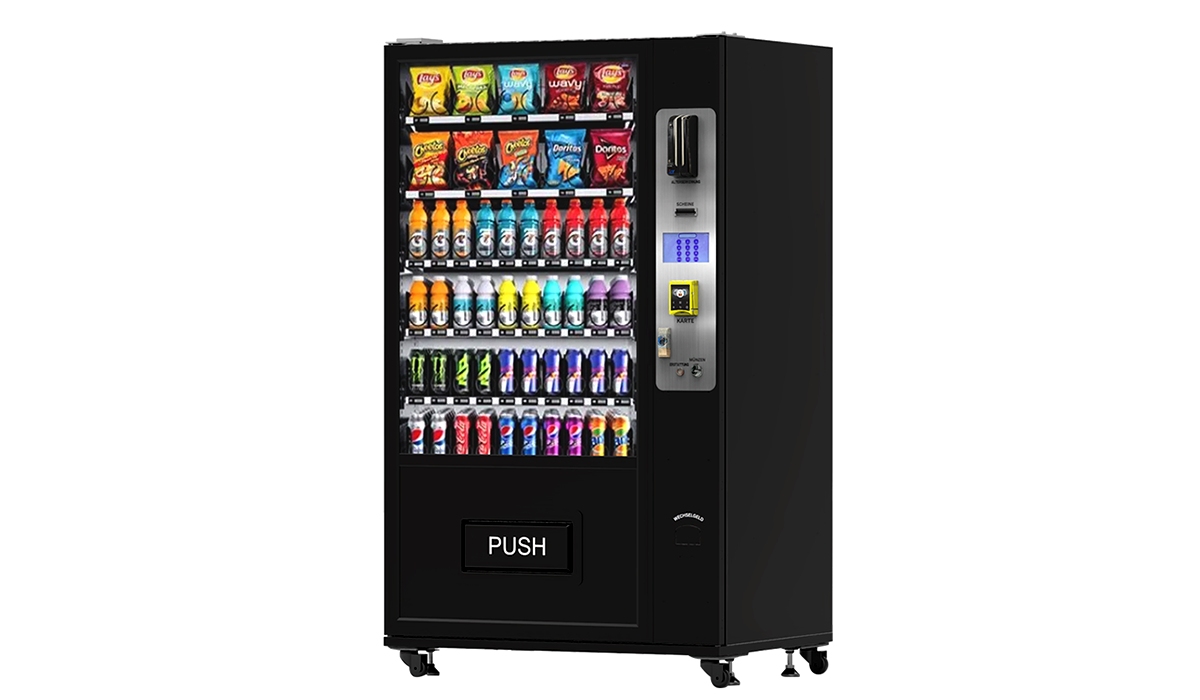
Hospitals, manufacturing plants, large office buildings without cafeterias, and transportation hubs with consistent daily traffic are the best locations. Avoid locations with low foot traffic, irregular schedules, or nearby food options that are cheaper and more convenient.
What permits or licenses do I need?
Requirements vary by country and local jurisdiction. In the United States, you typically need a business license, a food handler permit, and may need to pass health department inspections for your commissary or storage facility. In Europe, regulations differ by country. Check with your local health department or chamber of commerce before purchasing equipment.
How do I choose a vending machine supplier?
Look for suppliers with a track record of reliable equipment, responsive technical support, and availability of spare parts. Avoid basing your decision solely on price. Manufacturers like Zhongda Smart offer refrigerated machines with features suited for sandwich vending, including remote monitoring and adjustable shelving. Verify that the supplier has a service network or support system in your region.
What happens when the machine breaks down?
If the refrigeration fails, you need to act quickly to salvage the product and prevent spoilage. Having a backup plan, such as a local repair technician or a spare machine, is important. Telemetry systems that alert you to temperature changes can help you respond before the product is ruined. Budget for maintenance and repairs as part of your operating costs.
How can I reduce waste in sandwich vending?
Start with a limited product selection of two to four sandwich varieties and track sales data closely. Adjust your order quantities based on what sells fastest. Increase service frequency during busy periods and reduce inventory during slower weeks. Consider donating unsold, still-fresh sandwiches to local shelters to reduce waste and build community goodwill.
Final Thoughts on Sandwich Vending Machines
Sandwich vending is not a shortcut to easy money. It requires more planning, more capital, and more hands-on management than traditional vending. But for operators who are willing to put in the work, it offers a way to differentiate their business, serve locations that competitors avoid, and build a route with higher revenue potential per machine. The key is to go in with realistic expectations, choose your locations carefully, and stay disciplined about inventory and service.
If you are considering adding sandwiches to your vending lineup, start small. Test one machine in a location you already know well. Track every metric, from sales per product to waste per week, and learn from the data before expanding. That approach has served me well over the years, and it will serve you too.
本文更新于2025年5月。
Disclaimer: The financial estimates and operational insights in this article are based on the author's personal experience in the vending industry and publicly available data from industry sources. Actual results vary based on location, market conditions, product selection, and operational efficiency. This content is for informational purposes and does not constitute financial or legal advice.