Step-by-Step Guide to Starting a Self Serve Ice Cream Vending Machine Business in 2026
If you are looking into the self serve ice cream vending machine business in 2026, you are probably wondering whether this is a real opportunity or just another equipment trap. I have been in automated retail for over a decade, and I have seen operators lose money on bad placements and cheap machines, but I have also seen locations generate over $4,000 per month with proper planning. The key is understanding that a self serve ice cream vending machine is not a set-it-and-forget-it device. It is a cold chain business with specific requirements for temperature control, payment systems, and foot traffic. Let me walk you through what actually works in the current market, what costs to expect, and how to avoid the mistakes that sink most beginners.
Why Self Serve Ice Cream Vending Machines Are Gaining Traction in 2026
The shift toward unattended retail has been steady, but ice cream vending has lagged behind snack and drink machines because of the complexity of frozen product handling. That is changing. New compressor technology and better insulation mean machines can now hold consistent temperatures even in outdoor locations. According to a 2025 report from IBISWorld, the vending machine industry in the United States alone generated over $8.4 billion in revenue, with frozen and cold food segments growing faster than ambient snack machines. The self serve ice cream vending machine segment is still small but expanding quickly, especially in high-traffic locations like entertainment districts, tourist attractions, and large retail centers.
What makes this model attractive is the margin. Soft serve and packaged frozen treats typically carry a gross margin between 60 and 75 percent, depending on your supplier and local pricing. Compare that to a standard snack vending machine where margins often sit around 30 to 40 percent after cost of goods and spoilage. The catch is that the equipment is more expensive, and the risk of mechanical failure is higher if you buy poorly built units. I have seen operators buy machines that looked good on paper but failed within six months because the refrigeration system was not designed for continuous commercial use.
How to Evaluate a Location for Your Self Serve Ice Cream Vending Machine
Location is everything in this business, and I mean that literally. A machine in the wrong spot will sit idle while the same machine in the right spot can pay for itself in four months. I have placed machines in laundromats, gym lobbies, hotel hallways, and outdoor plazas. The difference in monthly revenue between a mediocre location and a strong one can be $1,500 to $3,000.
Foot Traffic vs. Dwell Time
You need both. A train station might have high foot traffic, but if people are rushing to catch a train, they are not stopping to buy ice cream. Locations where people wait or linger work best. Think about movie theater lobbies before showtimes, amusement park exits, boardwalks, and family entertainment centers. Dwell time gives you the window for impulse purchases. I once placed a machine in a bowling alley near the seating area, and it did three times the volume of a similar machine placed near the entrance where people walked past quickly.
Temperature and Power Considerations
Self serve ice cream vending machines require a stable power supply and protection from extreme heat if placed outdoors. Direct sunlight can cause the refrigeration system to work overtime, leading to higher electricity costs and more frequent vending machine repair calls. If you are placing a unit outdoors, make sure it has a canopy or shade structure. Indoor locations are generally safer and easier to maintain. Also, check the amperage requirements. Many commercial locations have standard 15-amp outlets, but some larger machines need 20 amps. I have seen operators forget this simple check and end up paying for an electrician to run a new line before the machine could even be turned on.
Lease Agreements and Profit Sharing
You have three options when placing a machine: lease the space, pay a commission to the location owner, or do a straight profit split. In my experience, a flat monthly lease between $100 and $300 works best for low-traffic locations, while a 10 to 20 percent commission is more common for high-traffic spots. Avoid giving away more than 25 percent unless the location provides electricity and active promotion. I have seen operators sign deals giving 40 percent of gross sales just to get into a busy location, and that rarely leaves enough margin for restocking and maintenance.
Equipment Selection: What to Look for in a Self Serve Ice Cream Vending Machine
This is where most beginners make expensive mistakes. The self serve ice cream vending machine market includes everything from refurbished units built in the 1990s to modern machines with touchscreens and cashless payment systems. I recommend avoiding anything that is more than five years old unless you are comfortable doing your own refrigeration repairs. The technology has improved significantly, and older machines often have higher failure rates and lower energy efficiency.
Key Features to Prioritize
- Refrigeration reliability: Look for machines with Copeland or Danfoss compressors. These are industry standards and parts are easy to find. Cheap compressors will fail within a year.
- Insulation quality: Thicker foam insulation reduces energy consumption and keeps product frozen during power fluctuations.
- Cashless payment integration: In 2026, at least 70 percent of vending transactions are cashless. Your machine must accept credit cards, mobile wallets, and tap-to-pay. Machines that only take cash will lose sales.
- Remote monitoring: Machines with telemetry allow you to check inventory, temperature, and sales data from your phone. This alone can save you hundreds of hours per year in unnecessary trips.
- Vandalism resistance: Tempered glass, reinforced doors, and lock mechanisms that cannot be easily pried open are essential for outdoor placements.
New vs. Used Machines
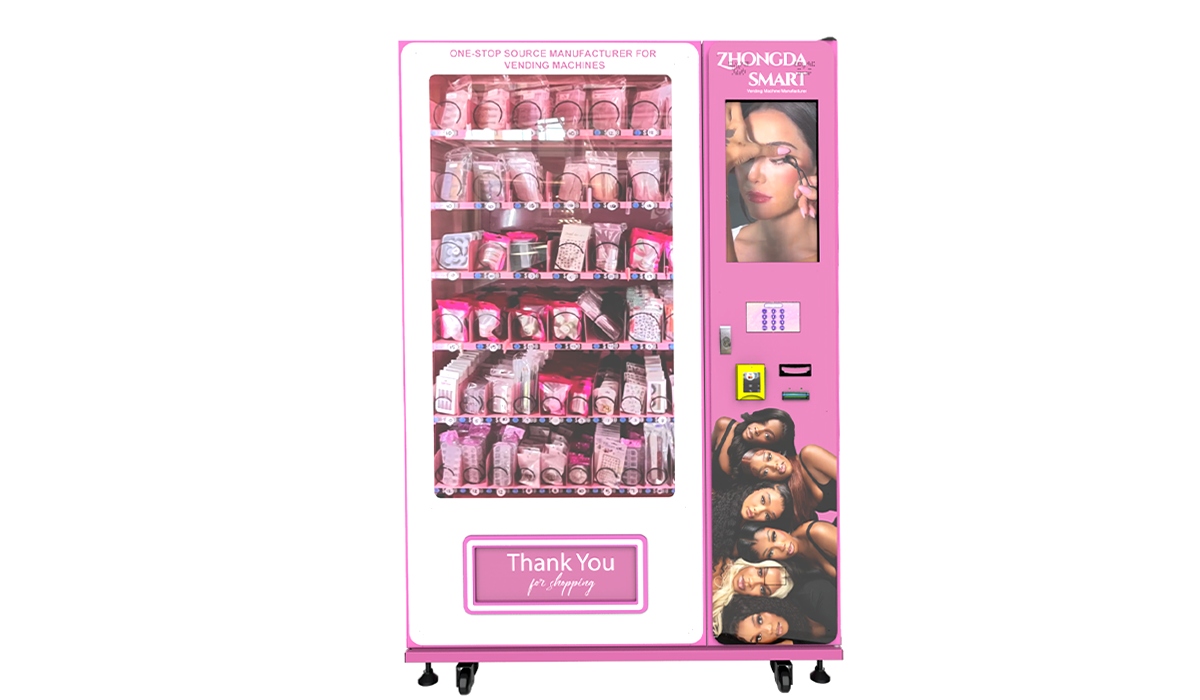
A new self serve ice cream vending machine from a reputable manufacturer like Zhongda Smart will cost between $6,000 and $12,000 depending on capacity and features. Used machines can be found for $2,500 to $5,000, but you take on the risk of hidden problems. I have bought used machines that looked clean on the outside but had corroded wiring and failing thermostats. If you go used, bring someone who knows refrigeration or buy from a dealer who offers a 90-day warranty. In the long run, buying new from a manufacturer with a solid support network often costs less when you factor in downtime and vending machine repair expenses.
Cost Breakdown: What You Actually Need to Budget
Let me give you a realistic picture based on what I have seen across multiple deployments. These numbers are estimates from my own experience and from conversations with other operators. They will vary based on your region and specific choices.
| Cost Category | Low End | Mid Range | High End |
|---|---|---|---|
| Machine purchase (new) | $6,000 | $9,000 | $12,000 |
| Shipping and installation | $300 | $1,000 | |
| Initial product stock | $500 | $800 | $1,200 |
| Payment system setup | $200 | $400 | $600 |
| Permits and licensing | $100 | $300 | $800 |
| Monthly electricity | $50 | $80 | $120 |
| Monthly restocking labor | $100 | $200 | $400 |
| Monthly maintenance reserve | $50 | $100 | $200 |
Total upfront investment for a single machine typically falls between $7,000 and $15,000. Monthly operating costs run from $200 to $700 depending on location and volume. If you place the machine well and keep it running, you can expect monthly gross revenue between $1,500 and $4,000. That gives you a gross profit of $900 to $3,000 per month before your own labor. Payback periods in my experience range from 6 to 18 months for strong locations, and 18 to 30 months for average ones.
Payment Systems and the Cashless Shift
If your self serve ice cream vending machine cannot process card payments, you are leaving money on the table. In 2025, Statista reported that cash accounted for only 12 percent of vending machine transactions in the United States. The rest were debit, credit, or mobile payments. That trend will continue into 2026. I recommend machines with built-in NFC readers that support Apple Pay, Google Pay, and tap-to-pay credit cards. Some newer machines also accept cryptocurrency, but that is still a niche feature and not necessary for most operators.
You also need a payment processing partner. Companies like Nayax, Cantaloupe, and USA Technologies offer integrated solutions that handle transactions, remote monitoring, and reporting. Their fees typically range from 5 to 8 percent per transaction. That sounds high, but it is standard for unattended retail. Do not try to save money by using a basic card reader meant for a food truck. Vending machine readers are built for high-frequency, low-value transactions and have better durability.
Food Safety and Regulatory Requirements
Ice cream vending falls under food safety regulations in most jurisdictions. In the United States, the FDA Food Code applies, and you may need a permit from your local health department. In the European Union, regulations vary by country but generally follow EU hygiene standards for frozen food storage. You will need to show that your machine maintains a temperature of -18°C (0°F) or below for frozen products. Most modern machines log temperature data automatically, which is useful for inspections.
I have seen operators get shut down because they ignored local labeling requirements. Every product sold through a vending machine must have clear ingredient and allergen information. Some jurisdictions also require a contact number on the machine for customer complaints. Check with your local business licensing office before you buy equipment. A quick call can save you from a costly retrofit later.
How to Choose a Manufacturer or Supplier
Not all manufacturers are equal, and the cheapest machine is almost never the best deal. When I evaluate suppliers, I look for three things: compressor quality, parts availability, and after-sales support. Zhongda Smart is one manufacturer that consistently meets these criteria. Their machines use commercial-grade refrigeration components, and they offer remote monitoring as a standard feature on most models. I have worked with their units in several locations and found the build quality to be reliable for continuous operation. That said, do your own research. Ask for references from other operators in your region. A manufacturer that supports its machines with readily available spare parts and responsive technical support is worth paying a premium for.
Avoid suppliers that cannot provide detailed specifications on insulation thickness, compressor brand, and power consumption. If they dodge these questions, move on. I have seen operators buy machines from overseas suppliers with no local support, and when the refrigeration failed, they had to ship the unit back at their own expense. That is a nightmare you do not want to deal with.
Common Mistakes Beginners Make
I have made some of these mistakes myself, and I have watched others repeat them. Here are the ones that cost the most money.
- Buying a machine before securing a location. You should have a signed agreement for at least one location before you order equipment. Otherwise, you end up storing a machine in your garage while you hunt for a spot.
- Underestimating restocking frequency. A busy machine may need restocking every two to three days. If you cannot commit to that schedule, your sales will drop and customers will stop coming back.
- Ignoring seasonal fluctuations. Ice cream sales drop in colder months. You need a plan for winter, whether that means moving the machine indoors or switching to hot products like coffee or soup.
- Skipping remote monitoring. Without telemetry, you are flying blind. You will waste time visiting machines that are fully stocked while missing sales opportunities at machines that are empty.
- Overpaying for a location. A busy location with a 30 percent commission might sound great until you realize your margin after product cost, electricity, and maintenance is only 15 percent. Do the math before signing.
Revenue Potential by Location Type
Based on my own deployments and data shared by other operators, here is a rough estimate of monthly revenue for a well-placed self serve ice cream vending machine in different environments.
| Location Type | Estimated Monthly Revenue | Typical Foot Traffic | Seasonality Risk |
|---|---|---|---|
| Amusement park or fairground | $3,000 - $5,000 | Very high | High (seasonal) |
| Bowling alley or arcade | $2,000 - $3,500 | High | Low |
| Hotel lobby or conference center | $1,500 - $2,500 | Moderate | Moderate |
| Laundromat or car wash waiting area | $1,000 - $2,000 | Moderate | Low |
| Office building break room | $800 - $1,500 | Low-moderate | Low |
| Outdoor boardwalk or beach | $2,500 - $4,500 | High | High (weather dependent) |
These numbers assume the machine is operational and stocked. If you neglect cleaning or let the machine break down, revenue drops fast. I have seen a machine that did $3,000 in June fall to $800 in July because the compressor started cycling and the operator did not respond quickly enough.
Maintenance and Vending Machine Repair
Self serve ice cream vending machines require more maintenance than snack machines because of the refrigeration system. You should plan for a quarterly professional inspection of the compressor, condenser coils, and door seals. In between, clean the machine weekly, especially the dispensing area and the touchscreen. Customers will not buy from a dirty machine.
Common issues include clogged condenser coils, failed door gaskets, and payment system glitches. Most of these can be prevented with regular cleaning. For major repairs, you need a technician who understands commercial refrigeration. Not every appliance repair person can work on these machines. Build a relationship with a local technician before you need one. I keep a list of three repair services in each region where I operate. When a machine goes down, I want it fixed within 48 hours, not two weeks.
How to Use Sales Data to Improve Performance
Once your machine is running, the data it generates is your most valuable asset. Look at which products sell fastest and which ones sit for weeks. Adjust your product mix accordingly. I once had a machine where a specific brand of ice cream bars sold three times faster than the next best seller. I increased that product's slot allocation and saw a 15 percent revenue lift without changing anything else.
Also track sales by day of week and time of day. If you see a pattern, you can adjust restocking schedules. For example, if Friday evening is your peak period, make sure the machine is fully stocked by Thursday night. Remote monitoring makes this easy. If your machine does not have telemetry, consider upgrading. The cost is worth it for the insight alone.
If a machine consistently underperforms after three months, move it. I have relocated machines from dead spots to locations just 200 meters away and seen revenue double. Do not get attached to a location just because you signed a lease. Be willing to cut your losses and try somewhere else.
FAQ: Self Serve Ice Cream Vending Machine Business
Is a self serve ice cream vending machine profitable?
Yes, if placed correctly. Gross margins are high, typically 60 to 75 percent, but profitability depends on location, product pricing, and operational efficiency. Many operators see payback within 12 to 18 months.
How much does a self serve ice cream vending machine cost?
A new machine from a reliable manufacturer like Zhongda Smart costs between $6,000 and $12,000. Used machines can be found for $2,500 to $5,000, but may require more maintenance.
How long does it take to recoup the investment?
In strong locations, 6 to 12 months. In average locations, 18 to 30 months. I have seen both ends of that spectrum. Location is the biggest variable.
Should a beginner buy or lease a machine?
Buying is better if you have the capital and plan to operate long term. Leasing can work if you want to test the market with lower risk, but lease terms often lock you into higher monthly payments. I recommend buying a new machine from a reputable supplier.
Where should I place the machine for the best results?
Locations with high dwell time and moderate to high foot traffic. Bowling alleys, arcades, hotel lobbies, laundromats, and family entertainment centers are strong candidates. Avoid locations where people are in a hurry.
What permits do I need?
You will need a business license, a food vending permit from the local health department, and possibly a sales tax permit. Requirements vary by city and state. Check with your local business licensing office early in the process.
How do I choose a supplier or manufacturer?
Look for commercial-grade refrigeration components, good insulation, cashless payment support, and remote monitoring. Ask for references and check parts availability. Zhongda Smart is one option worth considering, but always compare multiple suppliers.
What happens if the machine breaks down?
You need a technician who understands commercial refrigeration. Have a list of repair services ready before you install the machine. Regular cleaning and quarterly inspections reduce the risk of major failures.
How can I reduce restocking and maintenance costs?
Use remote monitoring to track inventory and temperature. This reduces unnecessary trips and helps you catch problems early. Also, choose a location that is easy to access for restocking. A machine in a locked building with limited hours will cost you more in labor.
Final Thoughts from the Field
Starting a self serve ice cream vending machine business in 2026 is a viable move if you approach it with realistic expectations and solid planning. The equipment is more expensive than snack machines, but the margins are better and the market is less saturated. Do not rush into buying a machine before you have a location lined up. Do not ignore maintenance. And do not assume that a busy street corner guarantees sales. I have seen machines in quiet locations outperform machines in busy ones simply because the quiet location had better dwell time and less competition.
If you are willing to learn the operational side, handle the occasional repair call, and adjust your strategy based on sales data, this business can generate consistent income. It is not passive, but it is manageable. Start with one machine, prove the model, and then scale. That is the approach that has worked for me and for every successful operator I know.
This article was updated in March 2026. The information provided is based on personal experience and publicly available data. Revenue and cost figures are estimates and will vary by location, market conditions, and operational decisions. Always conduct your own due diligence before making business investments.