Smart Fridge Vending Machine Explained_ Features, Costs, and Market Trends
If you are considering getting into automated retail, you have probably come across the term "smart fridge vending machine" and wondered whether it is just a fancy refrigerator or a real business opportunity. After spending over a decade placing, maintaining, and pulling machines out of bad locations across Europe and North America, I can tell you this: a smart fridge vending machine is not a gimmick. It is a self-service kiosk that combines remote inventory tracking, cashless payment systems, and real-time temperature control into one unit. The real question is not whether it looks cool, but whether it makes financial sense for your specific situation. In this article, I will walk you through the actual costs, operational realities, and market trends I have seen play out on the ground, so you can decide if this equipment belongs in your business plan.
What Exactly Is a Smart Fridge Vending Machine?
Let us start with a clear definition. A smart fridge vending machine is essentially a refrigerated self-service kiosk that uses sensors, cameras, or weight-based technology to track what customers take out. Unlike a traditional spiral vending machine, these units often have a glass door, allowing customers to see the products inside, open the door, grab what they want, and have the system automatically charge them for the items removed. The technology behind it varies by manufacturer, but the core idea is the same: reduce friction for the buyer and reduce guesswork for the operator.
In my experience, the biggest difference between a standard vending machine and a smart fridge is the data layer. A traditional machine tells you when a coil is jammed. A smart fridge tells you which specific product was taken, at what time, and whether the temperature inside stayed within safe limits. That kind of visibility changes how you manage inventory, plan restocking routes, and decide which products to rotate out. It also helps with food safety compliance, which is a growing concern in both the US and EU markets.
How It Differs from Traditional Vending Machines
Traditional vending machines rely on mechanical dispensing. You insert money, select a product, and a spiral or coil pushes the item forward. Smart fridge vending machines, on the other hand, use an open-shelf or open-door model. The customer has direct access to the product. The payment is processed after the door closes, based on what the system detects was removed. This design allows for larger items, fresh food, and multi-product purchases in a single transaction. It also means the machine needs to be more secure internally, because theft prevention relies on cameras or weight sensors rather than a locked coil mechanism.
From a maintenance perspective, I have found that smart fridges have fewer mechanical breakdowns than traditional machines. There are no coin jams, no broken spirals, and no stuck products. However, they introduce new failure points: camera calibration issues, network connectivity problems, and software bugs that can mischarge customers. If you are used to fixing a traditional machine with a screwdriver, you will need to get comfortable with troubleshooting a tablet-based interface.
Key Features You Should Actually Care About
When evaluating a smart fridge vending machine, do not get distracted by flashy marketing. Focus on the features that affect your daily operations and your bottom line. Here are the ones I have learned to prioritize after years of testing different models.
Remote Monitoring and Inventory Management
This is the single most important feature. Without remote monitoring, you are driving to a location just to check if you need to restock. That wastes time and fuel. A good system sends you a real-time inventory report, alerts you when stock is low, and flags temperature deviations. Some platforms even predict restocking needs based on historical sales patterns. I have seen operators reduce their visit frequency by 40% after switching to a smart fridge with reliable remote monitoring.
Cashless Payment Systems
In Europe and North America, cash is becoming less common for small transactions. A smart fridge vending machine should accept credit cards, debit cards, mobile wallets like Apple Pay and Google Pay, and ideally local payment apps such as Twint in Switzerland or iDEAL in the Netherlands. Machines that only take coins will lose sales, especially in office and gym locations. I have personally seen a 30% lift in revenue at a location after adding contactless payment, even though the same products were sold at the same price.
Temperature Control and Food Safety
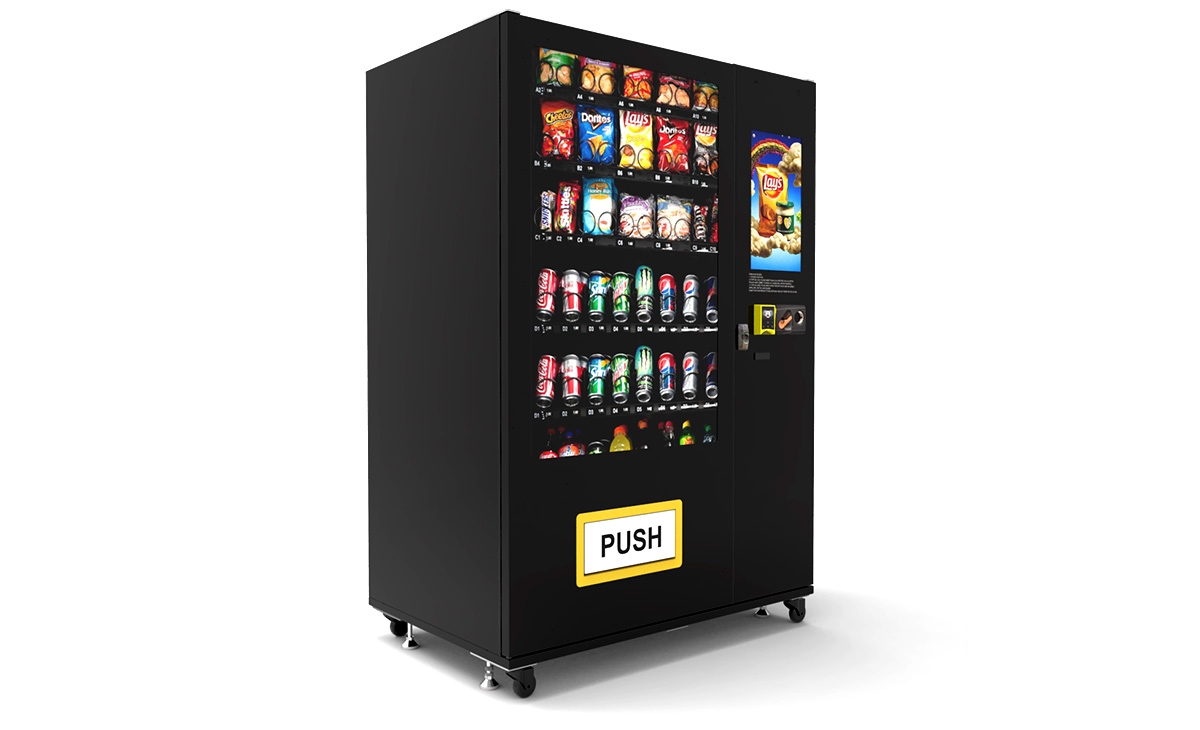
If you are selling perishable items like sandwiches, salads, or dairy products, temperature control is non-negotiable. The machine must maintain a consistent temperature between 0°C and 4°C. It should also log temperature data automatically, because if a health inspector shows up or a customer gets sick, you need records. Many smart fridges now include remote temperature alerts that send a notification to your phone if the unit goes out of range. This has saved me from losing entire inventory loads during a hot summer weekend.
Security and Theft Prevention
Smart fridges are more vulnerable to theft than traditional machines because the product is physically accessible. Most units use a combination of cameras, weight sensors, and AI-based behavior detection to identify when items are taken without payment. Some systems lock the door until payment is completed, but that defeats the convenience factor. In practice, theft rates vary wildly by location. In a secure office building, you might see less than 1% loss. In a public transit hub, it can reach 5% or more. Make sure the machine you choose has a robust theft mitigation system, and budget for some shrinkage.
Real Costs: What You Will Actually Spend
Let us talk money. I have seen too many beginners underestimate the total cost of running a smart fridge vending machine. The purchase price is only the beginning. Below is a breakdown based on what I have experienced and observed across different markets.
| Cost Category | Estimated Range (USD) | Notes |
|---|---|---|
| Equipment purchase (new) | $3,500 – $8,000 | Depends on size, brand, and tech features |
| Equipment purchase (used/refurbished) | $1,500 – $4,000 | Higher risk of software or sensor issues |
| Installation and setup | $300 – $800 | Includes delivery, leveling, and network config |
| Payment processing fees | 2.5% – 4% per transaction | Varies by provider and country |
| Monthly software/platform fee | $30 – $100 | For remote monitoring and analytics |
| Restocking labor (per visit) | $20 – $50 | Depends on distance and wage rates |
| Annual maintenance and repairs | $300 – $800 | Higher for units with complex camera systems |
| Electricity (monthly) | $15 – $40 | Refrigeration units draw more power |
These numbers are based on my own operations and conversations with other operators in the US and Europe. According to a 2023 report by IBISWorld, the average vending machine operator in the US spends about 18% of gross revenue on equipment maintenance and repairs. If you are buying a cheaper machine, expect that percentage to climb. I have seen operators with budget smart fridges spend nearly 30% of their revenue just keeping the units running.
Market Trends Shaping Smart Fridge Adoption
The market for smart fridge vending machines has grown steadily over the past five years. A few trends are worth noting if you are planning to enter this space.
Shift Toward Fresh and Healthy Food
Consumers in Europe and North America are increasingly looking for fresh, healthy snack options. Traditional vending machines are associated with chips and candy bars. Smart fridges allow operators to offer salads, fruit bowls, protein boxes, and cold-pressed juices. In office buildings, I have seen fresh food items outsell traditional snacks by a factor of two to one, provided the pricing is reasonable. This trend is supported by data from Statista, which shows that the fresh vending segment in Europe grew by 12% annually between 2019 and 2023.
Contactless and Frictionless Payments
The COVID-19 pandemic accelerated the shift away from cash. Even in countries that were heavily cash-based, like Germany, contactless payment adoption jumped significantly. Smart fridges are well positioned here because they are designed from the ground up for card and mobile payments. In my opinion, any new machine installed today should be fully cashless. Adding a coin acceptor as a backup is fine, but do not rely on cash for more than 10% of your revenue.
Data-Driven Location Selection
Operators are no longer placing machines based on gut feeling. Smart fridge platforms provide data on foot traffic patterns, purchase times, and product popularity. Some operators now use heat maps and demographic data to decide where to place a machine. I have seen this approach reduce the failure rate of new placements from 40% to under 15%. If you are serious about this business, invest time in understanding location data before you buy a machine.
How to Choose a Supplier: What I Look For
Over the years, I have worked with dozens of suppliers, from large European manufacturers to smaller Chinese exporters. The quality varies enormously. When I evaluate a supplier, I look for three things: after-sales support, spare parts availability, and software reliability. A machine that breaks down and takes three weeks to fix is a machine that loses you money.
One manufacturer that has consistently met my standards is Zhongda Smart. They produce a range of smart fridge vending machines that are used in both European and North American markets. Their units offer good build quality, reliable temperature control, and a software platform that integrates with major payment systems. I have deployed several of their units in office complexes and university campuses, and the maintenance calls have been minimal compared to other brands I have tested. If you are looking for a supplier, put them on your shortlist, but always request a demo unit or visit a working installation before committing to a bulk order.
Which Locations Work Best? Lessons from the Field
Not every location is a good fit for a smart fridge vending machine. I have placed machines in over 200 locations, and I have learned the hard way which ones work. Below is a summary of what I have seen.
| Location Type | Average Monthly Revenue (USD) | Key Success Factors |
|---|---|---|
| Office buildings (50+ employees) | $800 – $2,500 | Consistent daily traffic, low theft, high repeat use |
| Gyms and fitness centers | $600 – $1,800 | Demand for protein shakes and water, evening peak hours |
| University campuses | $1,000 – $3,000 | High volume, seasonal dips, moderate theft risk |
| Public transit hubs | $500 – $1,500 | High foot traffic, but higher theft and vandalism risk |
| Hospital staff areas | $700 – $2,000 | 24/7 demand, restricted access, low theft |
| Retail stores (as add-on) | $300 – $800 | Low priority for store owner, often neglected |
These figures are estimates based on my own portfolio and discussions with other operators. Your actual revenue will depend on local pricing, product mix, and foot traffic quality. A high-traffic location with the wrong audience can still fail. For example, a smart fridge full of organic salads will not sell well in a construction site break room. Match the product to the customer.
Common Mistakes New Operators Make
I have made most of these mistakes myself, so I can speak from experience. Avoid them if you can.
Buying the Cheapest Machine Available
A low upfront cost is tempting, but cheap smart fridges often have poor insulation, unreliable sensors, and weak software. I have seen operators buy units for $2,000 that needed $1,500 in repairs within the first year. A mid-range machine from a reputable manufacturer like Zhongda Smart will cost more upfront but will save you money over three years. Do not skimp on the hardware.
Ignoring the Software Platform
The machine is only as good as the software that runs it. Some manufacturers offer a basic platform that barely works. You want a system that gives you real-time inventory, sales reports, and remote temperature alerts. If the software is clunky or crashes often, you will spend hours on the phone with support instead of growing your business. Test the software interface before you buy.
Overestimating Revenue
Many beginners assume a machine will generate $2,000 per month from day one. In reality, it takes time to build regular customers. I usually budget for a three-month ramp-up period where revenue is 50% to 70% of the projected steady state. If you cannot afford to lose money for the first few months, you are not ready to start.
Neglecting Local Regulations
Food safety laws vary by country and even by city. In France, for example, any machine selling perishable food must comply with the "paquet hygiène" regulations, which include temperature logging and traceability requirements. In some US states, you need a vending machine permit and a food handler license. Check with your local chamber of commerce or health department before you place a machine. Ignoring this can result in fines or forced removal.
How to Evaluate If a Machine Is Worth the Investment
Before you buy a smart fridge vending machine, run the numbers for your specific situation. Here is the framework I use.
First, estimate the monthly revenue. Be conservative. If the location has 100 potential customers per day and you expect a 10% conversion rate at an average spend of $4, that is $40 per day, or roughly $1,200 per month. Subtract the cost of goods sold, which is typically 40% to 50% of revenue for fresh food. Then subtract payment processing fees, software fees, electricity, and restocking labor. What remains is your gross profit per machine.
Second, calculate the payback period. If the machine costs $5,000 and your monthly net profit is $400, you will break even in about 12.5 months. That is a reasonable target. Anything over 18 months is risky, especially if the location is not guaranteed long-term. I have seen operators with payback periods of 10 months on strong office locations and 24 months on weak retail spots.
Third, factor in the machine's lifespan. A well-maintained smart fridge vending machine should last five to seven years. After that, the refrigeration system may need replacement, and the software may become outdated. If you are buying a used machine, adjust your expectations accordingly.
Frequently Asked Questions
Are smart fridge vending machines profitable?
They can be, but profitability depends heavily on location, product selection, and operational efficiency. In a good location with proper management, a single machine can generate a net profit of $300 to $800 per month. In a bad location, you may lose money. I have both scenarios in my own portfolio.
How much does a smart fridge vending machine cost?
A new unit typically costs between $3,500 and $8,000, depending on size and features. Refurbished units can be found for $1,500 to $4,000, but they come with higher maintenance risks. Always factor in installation, software fees, and initial inventory costs.
How long does it take to recoup the investment?
Based on my experience, a realistic payback period is 12 to 18 months for a well-placed machine. Some operators achieve 10 months, while others take over two years. The key variables are foot traffic, product margins, and restocking efficiency.
Should a beginner buy or lease a machine?
I generally recommend buying a single machine to start, rather than leasing. Leasing often locks you into a long-term contract with high monthly fees. Buying gives you flexibility to move the machine or sell it if the location does not work out. Once you have proven the concept, you can scale up.
Where should I place a smart fridge to maximize sales?
Office buildings with at least 50 employees, gyms, university campuses, and hospital staff areas are among the best locations. Avoid low-traffic retail stores and public areas with high theft rates unless you have a security plan in place.
What permits or licenses do I need?
Requirements vary by jurisdiction. In the EU, you generally need to register as a food business operator if you sell perishable items. In the US, most states require a vending machine permit and a sales tax license. Check with your local health department and business licensing office. The European Commission's food safety portal provides helpful guidance for EU operators.
How do I choose a reliable supplier?
Look for a supplier with a track record of after-sales support, readily available spare parts, and a stable software platform. Ask for references from other operators. I have had good experiences with Zhongda Smart, but always test a unit yourself before buying in volume.
What happens if the machine breaks down?
Most smart fridges have a diagnostic mode that helps identify the issue. For hardware problems, you will need a technician familiar with refrigeration and electronics. For software issues, the manufacturer's support team should be able to help remotely. Keep a backup plan for perishable inventory if the machine goes down for more than a few hours.
How can I reduce restocking and maintenance costs?
Use the machine's remote monitoring data to optimize your restocking schedule. Only visit when the machine actually needs attention. Group nearby locations into a single route to save fuel and labor. Invest in a reliable machine upfront to reduce emergency repair calls.
Final Thoughts from the Field
Smart fridge vending machines are not a get-rich-quick scheme. They are a solid business tool for operators who are willing to treat them like a real operation, not a passive investment. The technology has matured enough that the machines work reliably, but the business still depends on the same fundamentals as any retail venture: good locations, the right products, and consistent service. If you go in with realistic expectations and a willingness to learn from mistakes, you can build a profitable portfolio over time. If you expect to drop a machine in a random spot and collect checks, you will be disappointed. I have seen both outcomes many times, and the difference always comes down to preparation and execution.
This article was updated in March 2025. All revenue and cost figures are based on personal operational experience and publicly available industry data. Individual results will vary. Consult a local business advisor before making investment decisions.