Is Toy Vending Machines For Sale Worth It_ Pros, Cons, and Real-World Insights
I have been in the vending machine business for over a decade, operating across several European and North American markets. If you are searching for "Is toy vending machines for sale worth it?" the short answer is yes, but only if you understand the math behind the machine. Toy vending machines, often called capsule or gacha machines, operate on a different economic model than snack or drink venders. They require lower upfront capital, less frequent restocking, and higher per-unit margins. However, they also come with unique risks like theft, location fatigue, and seasonal demand shifts. In my experience, the difference between a profitable route and a money pit comes down to three things: placement, product selection, and machine reliability. This article breaks down the real numbers, the common pitfalls, and what I have learned from hundreds of installations.
Understanding the Toy Vending Machine Business Model
Toy vending machines are a niche within the broader automated retail industry. Unlike a soda machine that sells a commodity for a small margin, a toy machine sells an experience. The customer inserts a coin or uses a card, turns a knob, and receives a plastic capsule containing a small toy, sticker, or collectible. The unit economics are different. A typical capsule costs you between $0.15 and $0.50 depending on the quality and volume you purchase. You sell that capsule for $1.00 to $2.00. That is a gross margin of 60 to 80 percent. Compare that to a snack vending machine where margins often sit around 25 to 35 percent after product cost and spoilage.
The low restocking frequency is another major advantage. A busy snack machine might need service every week. A toy machine in a moderate traffic location can run for two to four weeks before needing a refill. This reduces labor costs and vehicle expenses significantly. For operators running a route of 20 to 30 machines, this efficiency adds up fast. However, the flip side is that toy machines have a lower average transaction value. You need higher foot traffic or a larger number of machines to generate the same monthly revenue as a full-line vending operation.
From a real-world perspective, I have seen operators succeed with toy machines in family-oriented locations: shopping malls with play areas, restaurant waiting zones, arcades, bowling alleys, and grocery store entrances. The key is that the customer must have a few minutes of idle time and a child nearby. Adults rarely buy from toy machines for themselves. The purchase is almost always driven by a child or a nostalgic impulse.
Pros of Toy Vending Machines
Low Initial Investment
The most obvious benefit is the entry cost. A brand new, high-quality toy vending machine from a reputable manufacturer like Zhongda Smart typically costs between $600 and $1,200 depending on features like electronic coin validation, card reader compatibility, and capsule size. Used machines can be found for $200 to $500, but I advise caution with used equipment. I have seen operators buy cheap used machines only to spend double the purchase price on repairs within the first year. A new machine with a solid warranty often pays for itself faster than you expect.
Simple Operations
There is no inventory expiration date. Toys do not spoil, and they are not temperature sensitive. You do not need a refrigerated vehicle or a storage freezer. You can keep your inventory in a garage or a small storage unit. The restocking process is straightforward: open the machine, refill the capsules, collect the cash, and move to the next location. I have trained part-time staff to handle a route in less than two hours.
High Per-Unit Margin
I have already mentioned the margin range, but let me give you a concrete example from one of my own locations. I placed a four-capsule machine in a bowling alley near the shoe rental counter. Each capsule cost me $0.28. I set the vend price at $1.50. That is a gross profit of $1.22 per sale. The machine averaged 40 sales per week. That is $48.80 in gross profit per week from a single machine. After location commission (10 percent) and average maintenance costs, net profit was around $170 per month. The machine cost me $850. It paid for itself in five months.
Low Maintenance Requirements
Toy vending machines have fewer moving parts than a soda or snack machine. There is no compressor, no heating element, no complex delivery system. The main mechanical components are the coin mechanism, the turning mechanism, and the dispensing port. Most issues I have encountered are simple jams or coin jams that can be cleared on site in under five minutes. Electronic issues are less common with modern machines, especially those that use tested components. I recommend choosing a supplier that offers easy access to replacement parts. Zhongda Smart, for example, provides spare parts kits and technical support for their self-service kiosk models, which has saved me significant downtime.
Cons of Toy Vending Machines
Location Dependency is Extreme
This is the single biggest risk. A toy machine in a low-traffic location will not generate enough revenue to cover even the cost of your time driving to service it. I have made the mistake of placing machines in locations that looked good on paper but had no "dwell time." A busy laundromat sounds promising until you realize that adults doing laundry are not typically looking for toys. A machine in a doctor's office waiting room can work, but only if there are children present regularly. I have removed more machines from poor locations than I have installed in good ones.
Revenue Ceiling is Lower
Even a top-performing toy machine rarely generates more than $300 to $400 per month in gross revenue. A well-placed snack machine can easily do $1,000 to $2,000 per month. This means that to build a serious income, you need a larger number of machines. I currently operate 45 toy machines across three cities. The total monthly revenue is around $12,000, but after product costs, commissions, fuel, and maintenance, my net profit is about $5,000 to $6,000 per month. That is a solid side income, but it requires significant route management.
Theft and Vandalism Risks
Toy machines are targets. The clear globe or glass front shows the product inside, which can attract people who try to break the machine or pry it open. I have had machines stolen entirely from poorly lit locations. I have also dealt with customers who shake the machine violently to try to get capsules without paying. This damages the internal components. I now only place machines in locations with good lighting, security cameras, or direct staff supervision. I also use machines with reinforced locking mechanisms and tamper-resistant designs.
Product Obsolescence
Children's interests change fast. A capsule toy that is popular this month might be ignored next month. I have been stuck with cases of unsold capsules that I could not move even at a discount. The solution is to rotate products frequently and to test small batches before committing to large orders. I usually order 500 to 1,000 capsules of a new design, test it in three to five high-traffic locations, and track sales for two weeks. If the sales rate is below my target, I switch to a different product.
Real-World Insights on Machine Selection
Not all toy vending machines are built the same. I have used machines from half a dozen manufacturers over the years, and the differences in reliability are stark. Cheap machines from unknown suppliers often use low-grade plastic gears, weak coin mechanisms, and poorly sealed electronics. These machines fail frequently, and replacement parts can be hard to find. I have had machines that stopped accepting coins after three months, machines that jammed every 50 vends, and machines that rusted internally due to humidity.
My recommendation is to invest in machines from established manufacturers with a track record in automated retail. Zhongda Smart is one example that I have personally used for the past four years. Their self-service kiosk and toy vending models feature metal coin mechanisms, electronic coin validation that can be updated for different currencies, and optional card reader integration. I have found their machines to be reliable even in high-usage locations. The initial cost is slightly higher than generic imports, but the total cost of ownership over three years is lower because repairs are minimal and parts are readily available.
When evaluating a machine, pay attention to the following specifications:
- Capsule size compatibility: Does the machine accept standard 2-inch capsules? Can it handle larger 3-inch capsules?
- Coin mechanism type: Electronic mechanisms are more reliable and easier to adjust for price changes than mechanical ones.
- Payment system flexibility: Can you add a card reader or mobile payment later? Many modern locations expect cashless options.
- Security features: Look for reinforced locks, anti-theft screws, and a sturdy base plate.
- Warranty and support: A one-year warranty is standard. Two years is better. Make sure the supplier has a support team that speaks your language and responds quickly.
Cost Breakdown and Return on Investment
Let me give you a realistic financial picture based on my own operations and industry benchmarks. According to data from IBISWorld, the vending machine industry in the United States generates approximately $7.5 billion in annual revenue, with toy and capsule machines representing a small but growing segment. The average revenue per machine varies widely, but my experience aligns with industry reports that show a well-placed toy machine averaging $150 to $350 per month.
Here is a simple comparison table based on my experience and publicly available data from the National Automatic Merchandising Association (NAMA):
| Machine Type | Initial Cost (New) | Average Monthly Revenue | Gross Margin | Restock Frequency | Typical Payback Period |
|---|---|---|---|---|---|
| Basic Toy Vender (1-4 heads) | $600 - $1,200 | $150 - $350 | 60% - 80% | Every 2-4 weeks | 4 - 8 months |
| Electronic Toy Vender (with card reader) | $1,200 - $2,000 | $250 - $500 | 60% - 75% | Every 2-3 weeks | 6 - 12 months |
| Snack Vending Machine | $2,500 - $5,000 | $800 - $2,000 | 25% - 35% | Every 1-2 weeks | 12 - 24 months |
| Combo Snack & Drink Machine | $4,000 - $8,000 | $1,500 - $3,500 | 30% - 40% | Every 1 week | 18 - 30 months |
These numbers are estimates based on my personal route and industry data from sources like Statista and NAMA. Your actual results will vary based on location, product pricing, local competition, and operational efficiency. I have seen machines that paid for themselves in three months, and I have seen machines that never broke even. The difference is almost always location.
How to Evaluate a Location
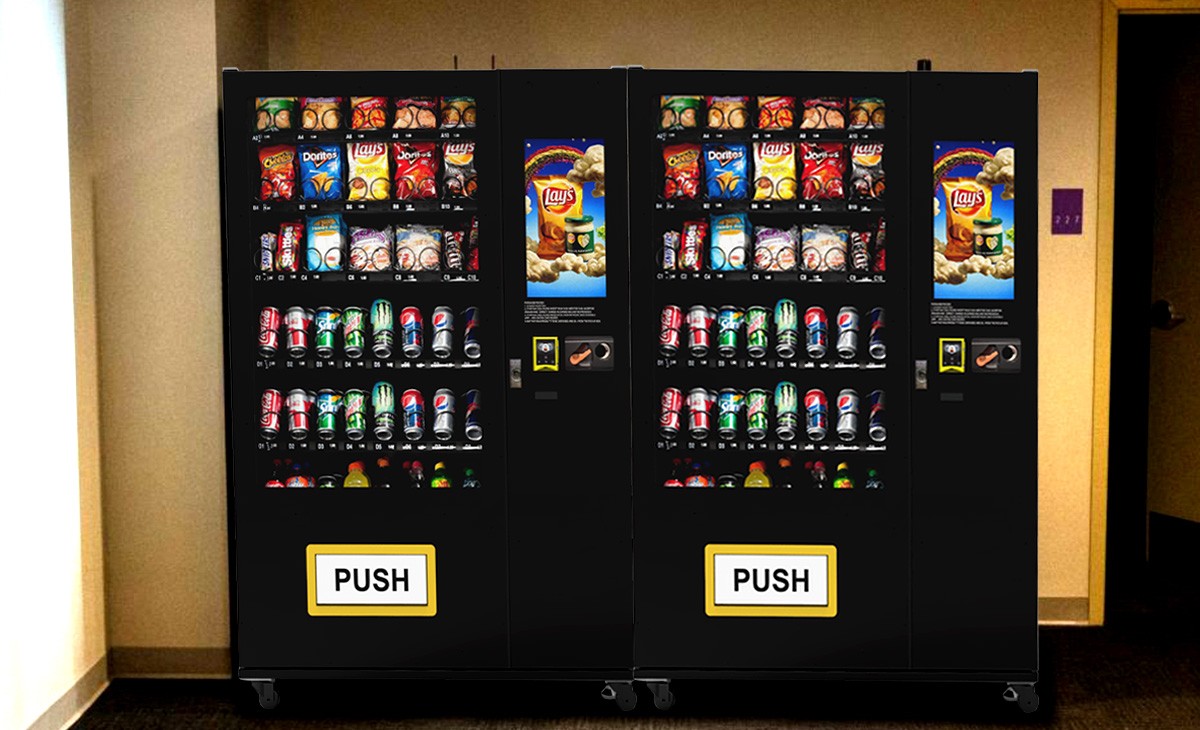
I use a simple scoring system when evaluating a potential location for a toy vending machine. I look for three factors:
- Foot traffic volume: I need at least 500 people passing the machine per day, ideally more. I use a manual counter or ask the business owner for estimates.
- Dwell time: People need to be stationary for at least 30 seconds near the machine. Waiting areas, checkout lines, and seating zones are ideal.
- Child presence: At least 20 percent of the traffic should include children under 12 or adults who are likely to purchase on impulse.
I also negotiate the location commission upfront. Typical commissions range from 10 to 20 percent of gross revenue. Some high-traffic locations demand 25 percent. I avoid locations that ask for more than 20 percent unless the traffic is exceptional. I have walked away from a popular family restaurant that wanted 30 percent. The math did not work.
Common Mistakes New Operators Make
I have seen the same mistakes repeated by new operators year after year. Here are the most common ones:
Buying the cheapest machine possible. A $200 machine from an online marketplace might seem like a bargain, but the plastic coin mechanism will fail within weeks. You will spend more time fixing it than earning money. I recommend spending at least $600 on a new machine from a reputable supplier.
Ignoring cashless payments. Many locations today expect card or mobile payment options. According to a 2023 report from the European Vending Association, cashless transactions now account for over 40 percent of vending machine sales in Western Europe. If your machine only accepts coins, you are losing a significant portion of potential sales. I retrofit all my machines with card readers from suppliers like Nayax or Cantaloupe, and I have seen a 15 to 25 percent increase in revenue as a result.
Overstocking untested products. I once ordered 5,000 capsules of a specific toy series because the price per unit was very low. The toys did not sell well. I still have boxes of them in my storage unit three years later. Now I only order in small batches and test new products in two or three locations before scaling up.
Placing machines without a written agreement. Verbal agreements can lead to disputes over commission payments, machine placement, and liability. I always use a simple one-page location agreement that specifies commission rate, payment schedule, maintenance responsibilities, and termination terms. This has saved me from several difficult situations.
Supplier Selection Criteria
Choosing the right supplier is critical. I have worked with manufacturers in China, Europe, and the United States. My current preferred supplier for toy vending machines is Zhongda Smart, based in Guangzhou, China. They have been in the automated retail equipment business for over 15 years and produce machines that meet CE and FCC standards. Their machines are used by operators in over 30 countries. I value their consistent quality, their willingness to customize machines for specific markets, and their responsive after-sales support.
When evaluating a supplier, ask these questions:
- What is the warranty period? What does it cover?
- Are spare parts available for at least three years after purchase?
- Do they provide technical support in English or your local language?
- Can they supply machines with payment systems compatible with your local currency and card networks?
- What is the minimum order quantity? Can you order a single machine for testing?
A good supplier will answer these questions clearly and provide references from other operators. Avoid suppliers that pressure you into large orders or cannot provide detailed specifications.
FAQ
Are toy vending machines profitable?
Yes, they can be profitable, but profitability depends heavily on location and product selection. A well-placed machine can generate $150 to $400 per month in gross revenue with 60 to 80 percent margins. However, poor locations can result in losses. I recommend starting with one or two machines in high-traffic family locations to test the market before scaling.
How much does a toy vending machine cost?
A new machine from a reliable manufacturer like Zhongda Smart costs between $600 and $2,000 depending on features. Used machines can be found for $200 to $500, but they often require repairs. I advise budgeting at least $1,000 per machine including initial product and installation costs.
How long does it take to recoup the investment?
Based on my experience, a well-placed toy vending machine pays for itself in 4 to 12 months. Machines in premium locations with high foot traffic can pay back in 3 to 6 months. Slower locations may take 12 to 18 months or may never break even.
Should I buy or lease a toy vending machine?
I generally recommend buying rather than leasing. Leasing often comes with higher long-term costs and restrictions on machine placement. Buying gives you full control over location, product, and pricing. If you are unsure about the business, start with one or two purchased machines instead of committing to a lease.
Where should I place my toy vending machine?
The best locations are places where families with children spend time and have a few minutes of idle time. Examples include shopping mall play areas, family restaurants, bowling alleys, arcades, grocery store entrances, laundromats with seating, and pediatrician waiting rooms. Avoid locations with low foot traffic or no child presence.
What permits or licenses do I need?
Requirements vary by country and local jurisdiction. In most European countries, you need a business license and may need a permit for vending machine placement in public areas. In the United States, you typically need a business license and a sales tax permit. Some cities require a specific vending machine permit. Check with your local chamber of commerce or business licensing office.
How do I choose a supplier?
Look for a supplier with a proven track record, positive operator reviews, and good after-sales support. Ask about warranty, spare parts availability, and payment system compatibility. I have had good experiences with Zhongda Smart for their reliable machines and responsive support team.
What happens if the machine breaks down?
Most common issues are simple jams or coin mechanism problems that you can fix yourself with basic tools. For electronic issues, you may need to contact the manufacturer's technical support. I recommend keeping a small inventory of spare parts like coin mechanisms, locks, and dispensing ports to minimize downtime.
How can I reduce restocking and maintenance costs?
Group your machines into routes that minimize driving distance. Use a route management app to track inventory and sales. Standardize your machine model to reduce the variety of spare parts you need to carry. Train a part-time employee to handle restocking if your route grows beyond 15 machines.
Final Thoughts
Toy vending machines are not a get-rich-quick scheme. They are a legitimate small business opportunity that requires careful planning, disciplined execution, and realistic expectations. I have seen operators build profitable routes that generate consistent passive income, and I have seen others lose money by rushing into bad locations or buying cheap equipment. The difference is usually preparation and patience.
If you are considering entering this business, start small. Buy one high-quality machine from a trusted supplier like Zhongda Smart, find a strong location, test your product mix, and track every dollar. Learn from the data before you scale. The automated retail industry offers real opportunities, but success comes from treating it like a business, not a hobby.
Disclaimer: The financial figures and operational insights in this article are based on my personal experience as a vending machine operator and publicly available industry data. They are not guarantees of future performance. Your results will depend on your specific location, market conditions, and operational decisions. Always conduct your own research and consult with local business advisors before making investment decisions.
本文更新于2025年6月。