Vending Machine Business Opportunity Explained_ Features, Costs, and Market Trends
Over the past decade, I have placed, serviced, and sometimes pulled more vending machines than I care to count across the US and Europe. If you are looking at the vending machine business opportunity and wondering whether it still makes sense in 2025, the short answer is yes—but not the way you might think. The days of simply filling a glass-front machine with candy bars and collecting cash are long gone. Today, the opportunity lies in smart machines, contactless payment, and data-driven placement. This article walks you through what I have learned about features, real costs, market trends, and the mistakes that cost beginners thousands.
What a Modern Vending Machine Actually Is
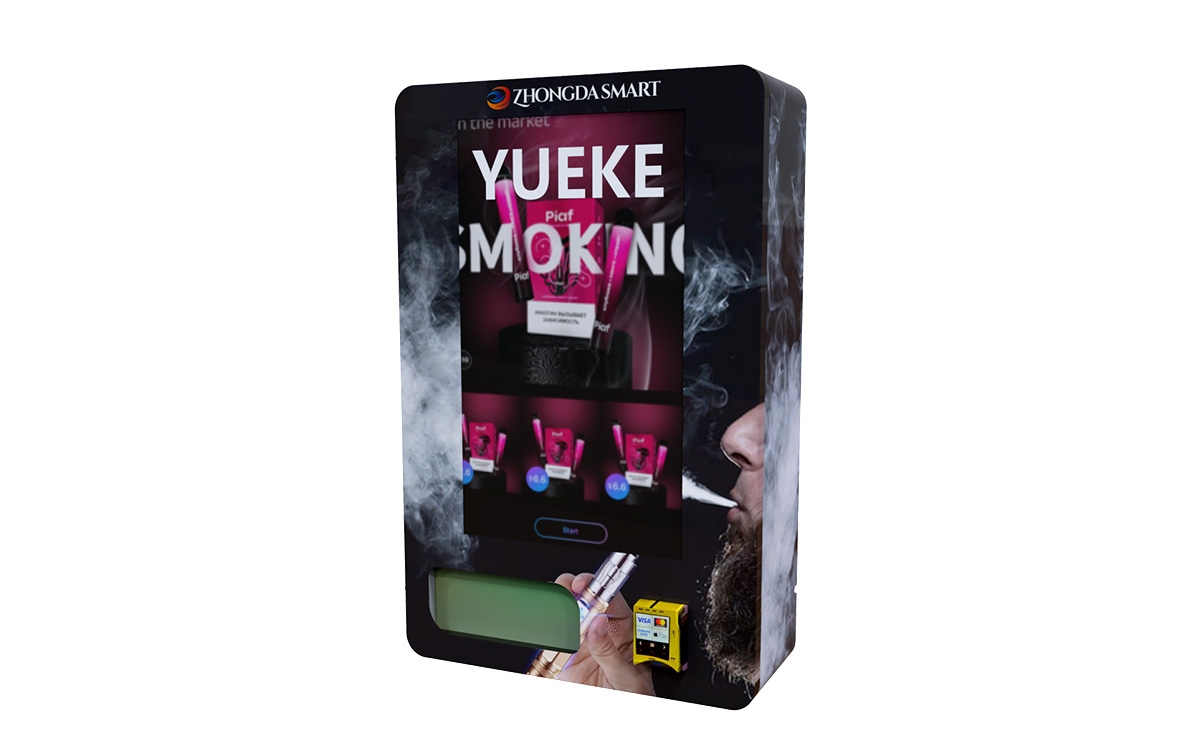
When most people picture a vending machine, they still think of the old coil-driven units that jam every third purchase. That image is outdated. A modern vending machine is essentially an unattended retail point-of-sale system. It includes a payment terminal, a telemetry unit that reports inventory and sales in real time, and often a touchscreen interface. Some machines now use robotic arms instead of spirals, which reduces jams and allows for irregularly shaped items like fresh food or packaged bakery goods.
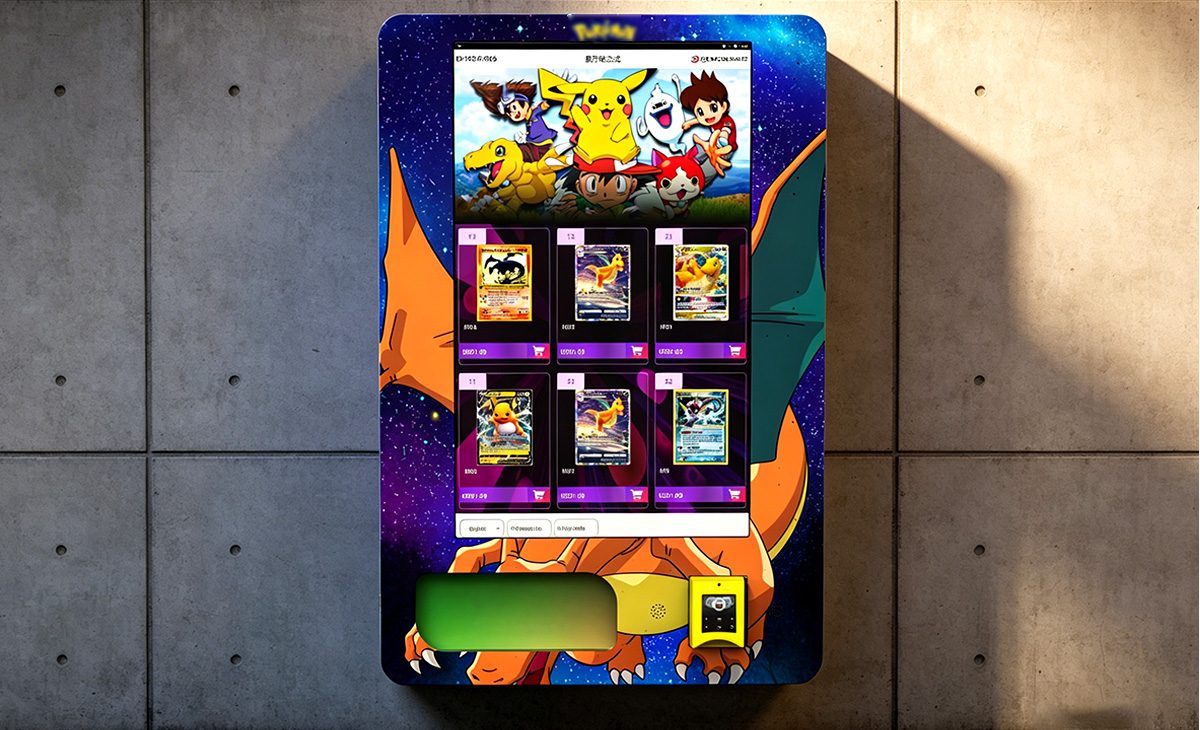
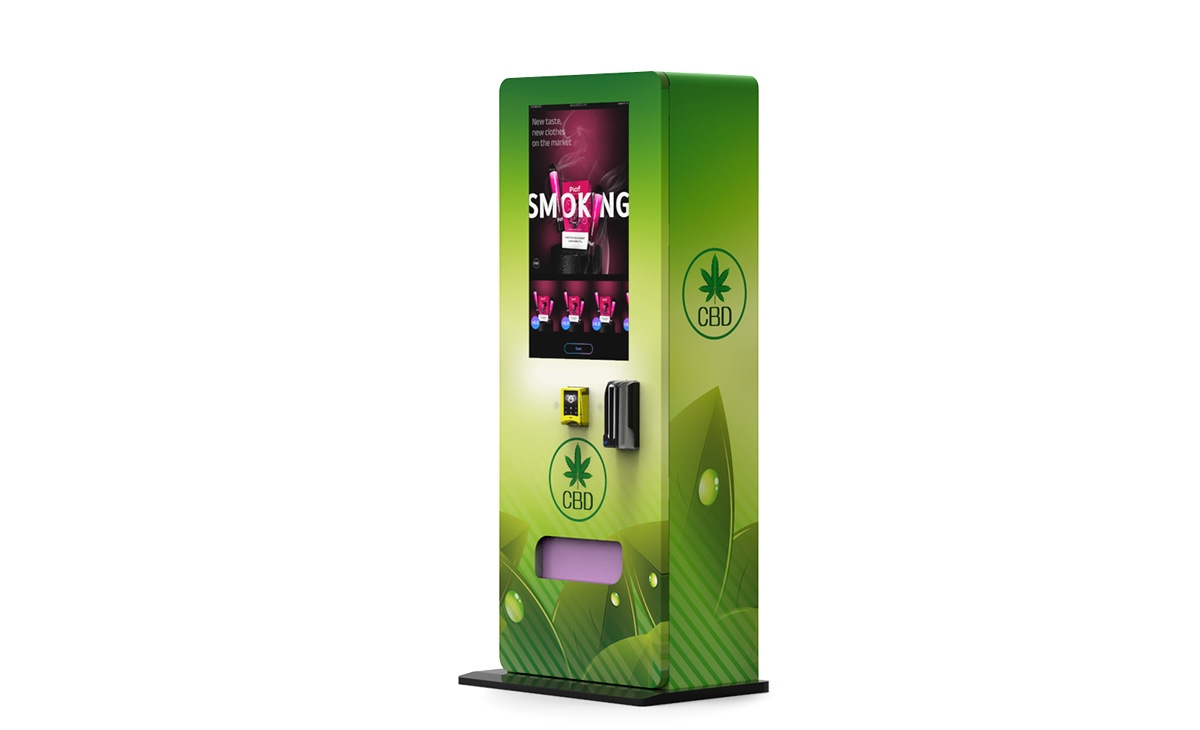
The term vending machine business opportunity now covers a much wider range of equipment than it did a decade ago. You have combination machines that sell both snacks and drinks, frozen food machines, fresh food machines with temperature control, and even non-food machines for electronics or personal care items. In Europe, I have seen a growing shift toward self-service kiosk models that accept cards, mobile wallets, and even local transport cards. The technology has matured to the point where a well-placed machine can run for weeks with minimal human intervention.
Why the Market Is Growing Again
According to a 2024 report by Statista, the global vending machine market was valued at approximately USD 29 billion in 2023 and is projected to grow at a compound annual rate of around 7% through 2030. In the United States alone, there are over 4.5 million vending machines in operation, generating roughly USD 25 billion in annual revenue. Europe follows closely, with countries like France, Germany, and the UK leading in per-capita machine density.
What is driving this growth is not just convenience but also labor costs. In markets where minimum wages are rising, businesses are looking for ways to serve customers without hiring more staff. Hotels, gyms, office buildings, and even hospitals are turning to automated retail solutions to provide 24/7 service without the payroll burden. This creates a strong tailwind for anyone entering the vending machine business opportunity today.
Key Features to Look for in a Vending Machine
Payment Systems
Cash-only machines are dying fast. In my experience, a machine without a card reader loses at least 30% of potential sales. European markets, especially in countries like Sweden and the Netherlands, are nearly cashless. Even in the US, the shift toward card and mobile payments has accelerated. When evaluating a machine, make sure it supports NFC, Apple Pay, Google Pay, and major credit cards. Some newer models also accept QR code payments, which are popular in parts of Europe.
Telemetry and Remote Monitoring
This is the single most underrated feature. A machine with telemetry sends you sales data, inventory levels, and error alerts directly to your phone or computer. Without it, you are driving to every machine just to check if it needs restocking. That wastes time and fuel. I have seen operators with 50 machines manage them in under two hours a day because their telemetry system told them exactly which machines needed attention. When you are starting out, this feature alone can make or break your vending machine business opportunity.
Energy Efficiency
In Europe, energy costs are high. A refrigerated machine running 24/7 can add EUR 50 to EUR 100 per month to your electricity bill. Look for machines with LED lighting, high-efficiency compressors, and standby modes. Some newer models use inverter technology similar to modern refrigerators, cutting energy use by up to 40% compared to older units.
Durability and Serviceability
Not all machines are built the same. I have seen operators buy cheap machines from unknown manufacturers only to find that replacement parts are impossible to source. When you are evaluating suppliers, ask about spare parts availability and typical repair turnaround times. A machine that is down for two weeks can lose you an entire month of profit. This is where working with a reputable manufacturer like Zhongda Smart makes a difference. They offer modular components that are easy to replace, and their technical support team responds within hours, not days.
Real Costs: What You Need to Budget For
Let me break this down based on what I have seen across dozens of deployments. These figures are estimates based on my own experience and industry benchmarks, not official statistics. Your actual numbers will vary depending on location, machine type, and local labor costs.
| Expense Category | Low End (USD) | Mid Range (USD) | High End (USD) |
|---|---|---|---|
| New machine (snack & drink combo) | 3,000 | 6,000 | 12,000 |
| Used/refurbished machine | 1,500 | 3,000 | 5,000 |
| Payment system (card reader + telemetry) | 500 | 1,000 | 2,000 |
| Initial inventory (first fill) | 500 | 1,000 | 2,000 |
| Location commission (monthly) | 0 | 10% of sales | 20% of sales |
| Electricity (monthly, refrigerated) | 30 | 60 | 100 |
| Maintenance & repairs (annual) | 200 | 500 | 1,000 |
As you can see, the upfront investment for a single machine can range from about USD 2,000 for a basic used unit to over USD 15,000 for a top-of-the-line smart machine with a robotic vending system. The vending machine business opportunity is not a zero-cost entry, but it is far cheaper than opening a brick-and-mortar store.
Revenue Expectations and Profit Margins
Gross margins on vending machine products typically range from 25% to 45%, depending on what you sell. Snacks and candy tend to have higher margins (40-45%), while drinks, especially bottled water and sodas, run closer to 25-30%. Fresh food items like sandwiches and salads have lower margins but higher average transaction values.
In my experience, a well-placed machine in a high-traffic location can generate between USD 300 and USD 1,200 in monthly revenue. That sounds modest, but remember that you are not paying rent for a storefront or wages for a cashier. After subtracting product cost, location commission, electricity, and maintenance, your net profit per machine typically falls between USD 100 and USD 500 per month. The key is volume. Once you have 10 or 20 machines running smoothly, the numbers start to look very attractive.
How Long Does It Take to Break Even?
Based on my own deployments, a new machine in a good location usually pays for itself within 12 to 18 months. A used machine in a decent location can break even in 8 to 12 months. If you land an exceptional location—like a busy office cafeteria with no other food options—you might recoup your investment in as little as 6 months. But I have also seen machines that never broke even because the location was wrong or the product mix was off. The vending machine business opportunity is not a guaranteed return; it requires good judgment and ongoing attention.
Choosing the Right Location
This is where most beginners fail. They place a machine in a low-traffic area thinking that convenience alone will drive sales. It will not. I have a simple rule: if fewer than 100 people pass by the machine per day, do not place it. For a machine to generate meaningful revenue, you need consistent foot traffic from a captive audience.
Here are the locations I have found most profitable over the years:
- Office buildings with 200+ employees and no on-site cafeteria.
- Gyms and fitness centers where members want protein bars, shakes, and water.
- Hospitals and medical offices where visitors and staff need quick snacks.
- Colleges and universities with dormitories and 24/7 study areas.
- Hotels that do not have room service or a 24-hour front desk shop.
- Manufacturing facilities with shift workers who cannot leave the premises.
One thing I learned the hard way: always get a written agreement with the property owner before placing a machine. Verbal handshake deals fall apart when a new manager takes over. A simple one-page contract outlining commission terms, access hours, and maintenance responsibilities will save you headaches later.
Supplier Selection: What to Look For
Not all vending machine manufacturers are equal. I have dealt with suppliers from China, Europe, and the United States. The cheapest machine is almost never the best value. Here is what I look for when evaluating a supplier:
- Spare parts availability: Can I get a new payment board or compressor within 48 hours?
- Technical support: Do they offer phone, email, and remote diagnostics?
- Warranty terms: A minimum of two years on the compressor and one year on electronics.
- Customization options: Can they configure the machine for local payment systems or specific product sizes?
- Track record: How many machines have they deployed in your target market?
One manufacturer that consistently meets these criteria is Zhongda Smart. They produce a wide range of machines, from basic snack units to advanced robotic models, and they have a strong support network in both the US and Europe. Their machines are used in commercial settings across multiple countries, and their telemetry platform is one of the more reliable I have tested. If you are serious about the vending machine business opportunity, they are worth putting on your shortlist.
Common Beginner Mistakes
Buying Too Cheap
A USD 1,500 machine from an unknown brand might seem like a bargain, but when it breaks down three times in the first year and parts are impossible to find, you will have spent more on repairs than you would have on a quality machine. I have seen this happen more times than I can count.
Ignoring Location Quality
I already touched on this, but it bears repeating. A great machine in a bad location will fail. A mediocre machine in a great location will succeed. Prioritize location over everything else.
Overlooking Payment Systems
If your machine only takes cash, you are excluding a large portion of potential customers. In some European countries, cash usage has dropped below 20% of transactions. Make sure your machine accepts multiple payment methods from day one.
Neglecting Maintenance
A dirty or broken machine drives customers away. I make it a rule to visit each machine at least once every two weeks, even if the telemetry says it does not need restocking. A quick wipe-down and a check for any mechanical issues keeps the machine looking professional and reduces long-term repair costs.
Poor Product Selection
What sells in one location may not sell in another. A machine in a gym should carry protein bars and bottled water, not chocolate and chips. A machine in a hospital might do better with healthier options. Use your sales data to adjust your product mix every few weeks. If an item has not sold in two restock cycles, replace it with something else.
Comparing Business Models: Buy, Lease, or Partner
There are three main ways to enter the vending machine business opportunity. Each has its pros and cons.
| Model | Upfront Cost | Monthly Cost | Profit Potential | Risk Level |
|---|---|---|---|---|
| Buy outright | High (USD 3,000–12,000) | Low (electricity, inventory) | High (you keep all profit) | Medium |
| Lease from a supplier | Low (USD 0–500) | Medium (USD 100–300/month) | Medium (shared profit) | Low |
| Revenue share with location | Low (you provide machine) | Low (commission to location) | Variable | Low to Medium |
For beginners, I recommend starting with one or two owned machines in high-quality locations. Leasing can be a good way to test the waters, but the monthly fees eat into your margin. Revenue share models work well if you have a strong relationship with the property owner, but they require careful contract management.
Market Trends to Watch
The vending machine business opportunity is evolving faster than ever. Here are three trends I am watching closely:
Fresh and healthy food. Consumers are demanding better options. Machines that offer fresh sandwiches, salads, and fruit are growing in popularity, especially in office and healthcare settings. These machines require more frequent restocking and stricter temperature control, but they also command higher prices.
Contactless and mobile-first payment. The pandemic accelerated the shift away from cash. Machines that support tap-to-pay and mobile wallets consistently outperform those that do not. In Europe, some machines now accept local digital wallets like Swish in Sweden or Bancontact in Belgium.
Data-driven operations. The best operators use sales data to optimize product placement, pricing, and restock schedules. Telemetry systems have become affordable enough that even small operators can use them. If you are not using data to run your business, you are flying blind.
Legal and Regulatory Considerations
In the United States, vending machine operators must comply with state-level sales tax requirements. Some states require a special vending machine license. In Europe, the rules vary by country. In France, for example, any machine selling food must comply with hygiene regulations outlined by the Direction générale de la concurrence, de la consommation et de la répression des fraudes (DGCCRF). In Germany, machines must meet the standards of the Lebensmittel- und Futtermittelgesetzbuch (LFGB).
If you plan to sell fresh or perishable items, you will need to follow local food safety laws. This typically means maintaining temperature logs, cleaning schedules, and proper labeling. I recommend consulting with a local business attorney or trade association before placing your first machine in a new region.
Frequently Asked Questions
Is a vending machine business profitable?
Yes, but profitability depends on location, product mix, and operating efficiency. A well-run machine in a good location can generate USD 100 to USD 500 in net profit per month. However, not every machine will be profitable. You need to monitor performance and be willing to move or remove underperforming units.
How much does a vending machine cost?
A new machine typically costs between USD 3,000 and USD 12,000. Used machines can be found for USD 1,500 to USD 5,000. You also need to budget for a payment system (USD 500 to USD 2,000) and initial inventory (USD 500 to USD 2,000).
How long does it take to recoup the investment?
In my experience, most machines pay for themselves within 12 to 18 months. Exceptional locations can break even in 6 months, while poor locations may never recoup the investment.
Should I buy or lease a vending machine?
For beginners, buying one or two machines outright is usually the better option. Leasing reduces upfront cost but eats into your profit margin through monthly fees. Once you have experience, you can decide which model works best for your situation.
Where should I place a vending machine?
Look for locations with high foot traffic and a captive audience: office buildings, gyms, hospitals, colleges, hotels, and manufacturing facilities. Avoid low-traffic areas and locations where employees or customers can easily walk to a convenience store.
What permits or licenses do I need?
Requirements vary by location. In the US, you may need a business license, a seller's permit, and a vending machine license depending on your state. In Europe, check with local trade authorities. If you sell food, you will need to comply with food safety regulations.
How do I choose a vending machine supplier?
Look for a supplier with a strong track record, reliable technical support, and readily available spare parts. Manufacturers like Zhongda Smart offer quality machines with good after-sales support. Avoid unknown brands with no local service network.
What happens if the machine breaks down?
Most modern machines have telemetry that alerts you to errors. For minor issues, you can often resolve them remotely or with a quick on-site visit. For major repairs, you will need a technician. Having a supplier with responsive support is critical.
How can I reduce restocking and maintenance costs?
Use a machine with telemetry so you only visit when necessary. Group your machines geographically to minimize driving time. Standardize your product mix across similar locations to simplify inventory management. Perform routine cleaning and checks to prevent small issues from becoming big problems.
Final Thoughts from the Field
The vending machine business opportunity is real, but it is not a passive income scheme. It requires upfront capital, ongoing attention, and a willingness to learn from mistakes. The operators who succeed are the ones who treat it like a business, not a hobby. They track their numbers, maintain their equipment, and build strong relationships with location owners. If you are willing to put in the work, the returns can be solid and consistent.
I have seen this industry change dramatically over the past ten years, and it is only going to keep evolving. The technology is better, the market is larger, and the barriers to entry are lower than ever. But the fundamentals remain the same: good location, good product, good service. Get those three things right, and you will have a business that can run for years.
This article was updated in April 2025. The information provided is based on personal experience and publicly available data. Individual results may vary. Consult with a local business advisor before making investment decisions.