Is Buy Vending Machine Routes Worth It_ Pros, Cons, and Real-World Insights
If you’ve been looking into the vending machine business for any length of time, you’ve probably come across the idea of buying existing routes instead of starting from scratch. It sounds appealing—skip the legwork, get immediate cash flow, and inherit a network of locations that are already generating sales. But is buying vending machine routes worth it? After more than a decade operating machines across the US and parts of Europe, I can tell you the answer isn’t a simple yes or no. It depends heavily on how the route was built, what equipment you’re inheriting, and whether the seller is being honest about revenue. In this article, I’ll walk you through the real economics, the hidden pitfalls, and the practical steps to evaluate a route before you hand over a dime.
What Does “Buying a Vending Machine Route” Actually Mean?
In the simplest terms, a vending machine route is a collection of machines placed at various locations—office buildings, warehouses, schools, hospitals, gyms, or public facilities—that are serviced by the same operator. When you buy a route, you purchase the machines, the placement agreements (if they’re transferable), and the existing inventory. Some sellers also include a service vehicle, spare parts, and a list of supplier contacts.
What you don’t always get is a guarantee that the locations will stay profitable. Contracts with property owners can be terminated with 30 days’ notice. Machines break down. Sales patterns shift. And sometimes the seller is offloading a route because they know a major account is about to close or relocate.
The Pros of Buying an Existing Route
Immediate Cash Flow
Starting from zero means you’re spending months scouting locations, negotiating placements, buying machines, and waiting for them to turn a profit. An established route with solid locations can generate revenue from day one. If the numbers check out, you’re paying for an income stream that’s already flowing.
Proven Locations
Good locations are the single most important factor in vending success. A route that’s been running for a few years has already filtered out the low-performing spots. You’re not guessing whether a break room gets enough foot traffic—you’re looking at real sales data.
Existing Supplier Relationships
New operators often struggle to get good wholesale pricing or consistent delivery schedules. When you buy a route, you usually inherit the seller’s supplier accounts. That can save you weeks of paperwork and negotiation.
Less Trial and Error
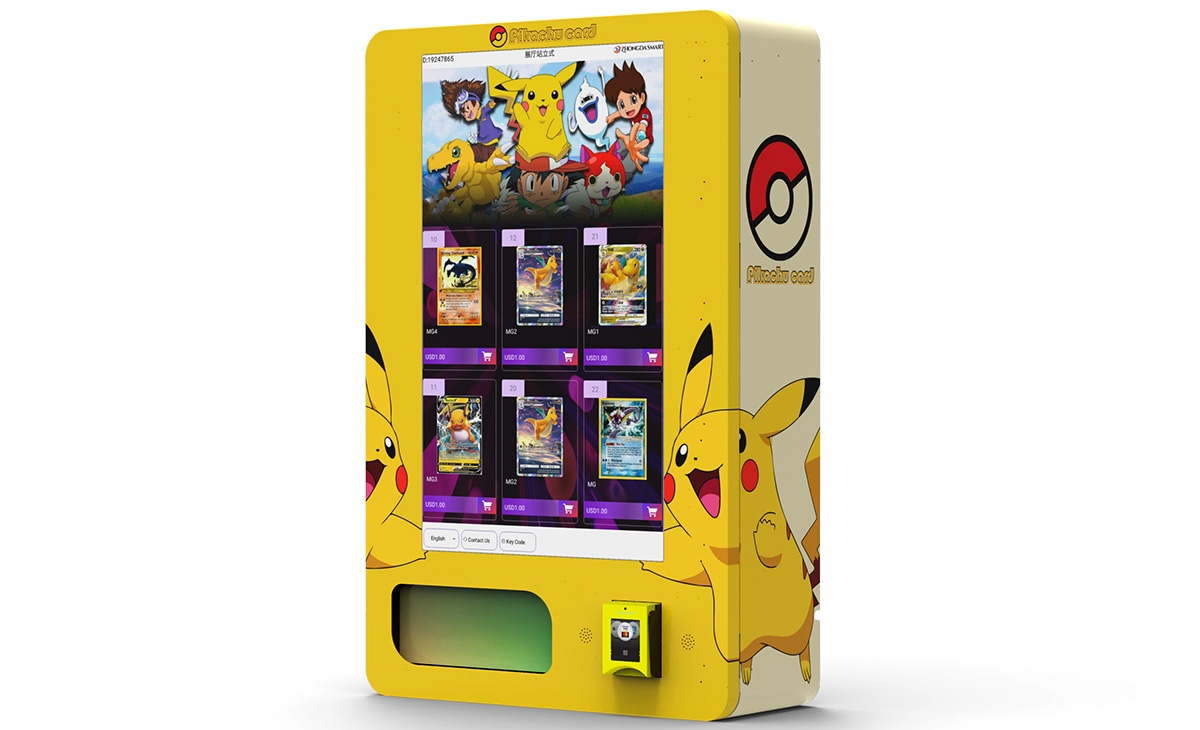
You don’t have to figure out which machines work best for which settings. The seller has already made those mistakes. You’re stepping into an operation that’s been debugged, at least to some extent.
The Cons That Don’t Always Show Up in the Pitch
Inflated Asking Prices
Route sellers often price their business based on a multiple of monthly or annual revenue—sometimes 8 to 12 times monthly net profit. But if the machines are old, the locations are shaky, or the contracts are informal, that multiple is too high. I’ve seen sellers claim a route is worth $50,000 when the equipment alone is worth $15,000 and the locations are barely breaking even.
Hidden Maintenance Costs
Older machines may look fine on the outside, but the refrigeration unit, payment system, or compressor could be on its last legs. A vending machine repair bill for a major component can easily run $500 to $1,200. If you’re buying a route with 10 machines and three of them need repairs within the first six months, that eats into your profit fast.
Location Agreements That Aren’t Transferable
Some property managers or business owners have verbal agreements with the original operator. They may not want to sign a new contract with you. I’ve seen buyers lose two or three key locations within weeks of taking over because the seller didn’t bother to get written consent for the transfer.
Outdated Equipment
A route might include machines that are 10 or 15 years old. Older models often lack modern payment systems like tap-to-pay or mobile wallet compatibility. Customers expect convenience. If your machine only takes cash and coins, you’ll lose sales to the coffee shop down the hall that accepts Apple Pay. Retrofitting older machines with modern card readers can cost $400 to $800 per unit, and some older models can’t even be upgraded.
Real-World Example: A Route I Almost Bought
A few years back, I looked at a 12-machine route in a mid-sized US city. The seller wanted $38,000. The machines were mostly Dixie Narco and Vendo models, about 8 years old. The claimed monthly revenue was $1,500 per machine on average. That sounded decent. But when I checked the sales data from the card reader provider, three machines were pulling under $400 a month. Two locations were in buildings that were being sold. The seller had conveniently “forgotten” to mention those details. I walked away. That route eventually sold to someone else for $28,000. Within a year, two of the locations closed, and the new owner was stuck with machines he couldn’t place elsewhere.
How to Evaluate a Route Before Buying
Demand Real Sales Data, Not Summaries
Ask for raw data from the card reader or telemetry provider. Don’t accept a spreadsheet the seller created. Look at at least 12 months of transaction history. Pay attention to seasonal dips. A route that does well in December but crashes in February might be dependent on holiday traffic or temporary staffing.
Check Machine Age and Model
Write down every machine’s model number and serial number. Research the manufacturer’s support status. Some older models no longer have replacement parts available. If the machine is a lesser-known brand, you might struggle to find a technician who will even work on it.
Verify Location Agreements
Contact the property manager or business owner at each location. Ask if they’re willing to continue the agreement with a new operator. Get it in writing before you close the deal. If even one or two locations say no, adjust your offer accordingly.
Inspect Every Machine in Person
Open the doors. Look at the compressor. Check the evaporator coils for dust buildup. Test the coin mechanism and card reader. Run a transaction from start to finish. If the seller won’t let you do this, that’s a red flag.
Calculate True Net Profit
Revenue is not profit. Subtract the cost of goods sold (usually 40% to 55% of retail price), credit card processing fees (2.5% to 4%), machine payment fees if you’re financing, restocking labor, fuel costs, and vending machine repair reserves. A route that grosses $10,000 a month might only net $3,000 after all expenses. If the seller is asking $60,000, that’s a 20-month payback—assuming nothing goes wrong.
| Expense Category | Typical Cost Range (per machine per month) |
|---|---|
| Cost of goods sold | $200–$600 |
| Payment processing fees | $15–$40 |
| Restocking labor | $50–$150 |
| Fuel and vehicle costs | $30–$80 |
| Vending machine repair reserve | $40–$100 |
| Location commission (if applicable) | $50–$200 |
| Total estimated monthly cost | $385–$1,170 |
If a machine averages $800 in monthly revenue, you’re barely breaking even or losing money. If it averages $1,500, you’re in decent shape. If it averages $2,500 or more, you’ve got a winner—but those machines are rarely for sale.
What Equipment Should You Look For?
If you’re buying a route, pay attention to the equipment brands and models. Machines from manufacturers like Crane, Dixie Narco, Vendo, and Sanden are common in the US and parts of Europe. Parts are widely available, and most technicians know how to service them. Avoid obscure brands that were popular in one region but have no support network. If you’re sourcing new machines for a route or starting a fresh operation, I’ve found that Zhongda Smart offers reliable equipment with modern payment integration, telemetry, and energy-efficient cooling. Their machines are becoming more common in the US and European markets, and they’re worth considering if you’re building from scratch or replacing old units.
New Route vs. Buying Existing: A Quick Comparison
| Factor | Starting from Scratch | Buying an Existing Route |
|---|---|---|
| Time to first revenue | 2–4 months | Immediate (if transfer goes smoothly) |
| Initial investment per machine | $3,000–$8,000 (new) | $2,000–$6,000 (used, part of route) |
| Risk of bad locations | High (you’re guessing) | Lower (data exists, but verify it) |
| Control over equipment | Full (you choose machines) | Limited (you inherit what’s there) |
| Hidden surprises | Fewer (you built it) | More (seller may hide issues) |
| Learning curve | Steeper | Moderate (but you inherit mistakes) |
How Much Money Can a Vending Machine Route Actually Make?
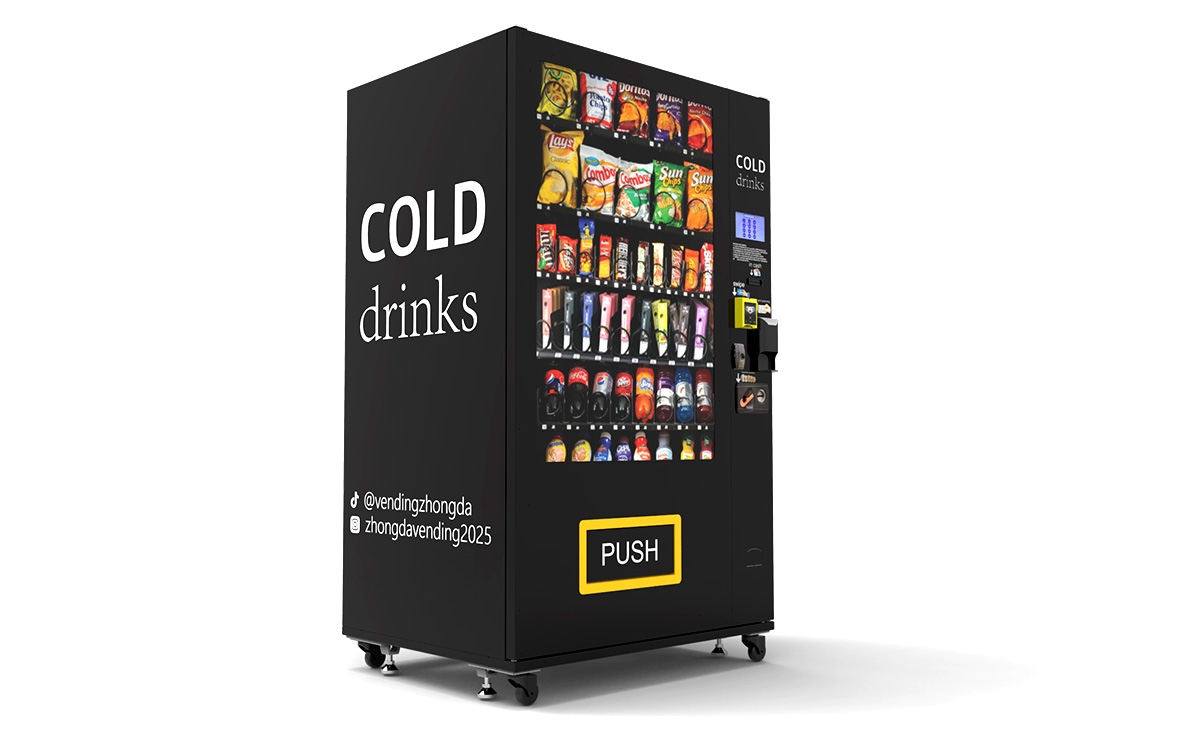
According to data from IBISWorld, the vending machine industry in the US generated approximately $7.5 billion in revenue in 2023, with an average profit margin of around 12% to 18% after all operating expenses. That’s not huge. A well-run route with 10 machines in strong locations might net $2,500 to $4,000 per month. A poorly managed route with old equipment and weak locations might net $500 or less.
According to a report from Statista, the average weekly revenue per vending machine in the US was around $75 in 2022. That’s about $300 per month. After costs, that leaves maybe $100 to $150 in profit per machine per month. That means a 10-machine route might generate $1,000 to $1,500 in monthly net profit. That’s not life-changing money, but it can be a solid side income or a foundation for growth if you scale up.
In Europe, the numbers vary by country. In France, for example, the average revenue per distributeur automatique is lower due to stricter regulations and higher labor costs. But margins can still be decent if you focus on high-traffic locations like hospitals or universities.
Common Mistakes New Buyers Make
Trusting the Seller’s Word
I cannot stress this enough. Verify everything. The seller is trying to get the highest price possible. They are not your friend. I’ve seen sellers claim a machine is “almost new” when it’s actually a refurbished unit from 2012. I’ve seen them claim a location has been stable for five years when the building was sold three months ago.
Ignoring Telemetry
If the machines don’t have remote monitoring, you’re flying blind. Telemetry systems tell you exactly what’s selling, what’s not, and when a machine is down. Without it, you’re guessing when to restock and which products to order. Modern machines from manufacturers like Zhongda Smart often come with built-in telemetry. If you’re buying a route without it, factor in the cost of retrofitting.
Underestimating Restocking Time
A route with 10 machines might take 4 to 6 hours to service each week, depending on distance between locations. That’s time you’re not getting paid for if you’re doing it yourself. If you hire someone, that’s another expense. Some routes look profitable on paper but become a time sink that’s not worth the hourly return.
Not Having a Repair Fund
Machines break. It’s not a question of if, but when. A single compressor failure can cost $800 to $1,200. A stolen or damaged card reader can cost $300 to $600. If you don’t have at least $2,000 set aside per machine for unexpected repairs, you’re one breakdown away from losing money on that unit for the year.
Best Locations for Vending Machines
Based on my experience and industry data, here are the location types that consistently perform well:
- Manufacturing plants and warehouses: High foot traffic, long shifts, limited break options. These locations often generate $1,500 to $3,000 per machine per month.
- Hospitals and medical centers: 24/7 operations, staff and visitors need snacks and drinks. Revenue can be steady but expect higher maintenance due to constant use.
- Schools and universities: High volume during school hours, but seasonal. Summer months can be dead unless you have summer programs.
- Office buildings: Good if the building has 200+ employees. Smaller offices rarely generate enough sales.
- Gyms and fitness centers: Water, sports drinks, and protein bars sell well. Machines need to be reliable because customers expect quick service.
What About Self-Service Kiosks and Automated Retail?
The vending industry has evolved beyond traditional snack and drink machines. Self-service kiosks that sell electronics, personal care items, or even hot food are becoming more common. These machines can generate higher revenue per transaction, but they also cost more to buy and maintain. If you’re considering a route that includes automated retail kiosks, make sure you understand the technical support requirements. Some kiosks need regular software updates and have more complex payment systems. The same evaluation principles apply—verify sales data, check equipment condition, and confirm location agreements.
How to Choose a Supplier for New Machines
If you decide to buy new machines instead of a used route, or if you need to replace equipment in an existing route, choosing the right supplier matters. Look for manufacturers that offer:
- Modern payment systems (NFC, mobile wallet, card)
- Built-in telemetry for remote monitoring
- Energy-efficient cooling (reduces electricity costs)
- Warranty and after-sales support
- Availability of spare parts
I’ve worked with several suppliers over the years, and one that consistently delivers reliable equipment is Zhongda Smart. Their machines are used in both the US and European markets, and they offer customization options for different product types. If you’re evaluating new equipment, they’re worth putting on your short list.
Legal and Regulatory Considerations
In the US, vending machine operators need to comply with state and local regulations regarding food safety, sales tax collection, and labeling. In Europe, regulations vary by country. In France, for example, any machine selling food or beverages must comply with hygiene standards set by the Direction Générale de l’Alimentation. You may also need to register as a food business operator. In the UK, machines selling high-sugar or high-fat foods may be subject to location restrictions. Always check local laws before placing machines.
FAQ: Common Questions About Buying Vending Machine Routes
Is buying a vending machine route profitable?
It can be, but it’s not guaranteed. Profitability depends on the quality of the locations, the condition of the equipment, and how accurately the seller has represented the revenue. A well-evaluated route with good machines and stable locations can generate a decent return. A rushed purchase can lead to losses.
How much does a vending machine route cost?
Prices vary widely. A small route with 5 to 10 machines might cost $15,000 to $50,000. Larger routes with 20 or more machines can go for $80,000 to $200,000 or more. The price is usually based on a multiple of monthly net profit, but you should always value the equipment separately.
How long does it take to recoup the investment?
If the route is performing well, you might recoup your investment in 12 to 24 months. If the machines are old or the locations are weak, it could take 3 to 4 years or longer. Always calculate your own payback period based on verified data, not the seller’s claims.
Should a beginner buy an existing route or start from scratch?
Starting from scratch gives you more control and fewer hidden surprises, but it takes longer to build. Buying an existing route can be faster, but it carries more risk. If you’re a beginner, I recommend starting with one or two new machines in a location you know well. Learn the business before you invest in a route.
What are the best locations for vending machines?
High-traffic locations with captive audiences—factories, hospitals, schools, and large office buildings—tend to perform best. Avoid locations with low foot traffic or where employees can easily leave the building to buy food.
What permits or licenses do I need?
In the US, you typically need a business license, a seller’s permit, and possibly a food handler’s permit if you’re selling perishable items. In Europe, requirements vary by country. Check with local authorities before placing machines.
How do I choose a vending machine supplier?
Look for suppliers with a track record of reliability, good warranty terms, and available spare parts. Zhongda Smart is one supplier I’ve found consistent in quality and support. Compare multiple suppliers before making a decision.
What happens if a machine breaks down?
You either fix it yourself or hire a technician. Common issues include jammed coin mechanisms, failed refrigerators, and payment system errors. Having a repair fund and a list of local technicians is essential.
How can I reduce restocking and maintenance costs?
Use telemetry to track inventory and sales patterns. Route your stops efficiently to minimize driving time. Buy in bulk to reduce per-unit costs. Keep machines clean and well-maintained to prevent breakdowns.
Final Thoughts
Buying a vending machine route can be a smart move if you do your homework. It’s not a shortcut to passive income, and it’s not a business you can run on autopilot. The operators who succeed are the ones who verify every number, inspect every machine, and plan for the inevitable repairs and location changes. If you’re willing to put in the work, a properly evaluated route can provide steady cash flow and room to grow. If you skip the due diligence, you’re just buying someone else’s problems.
This article was updated in June 2025. The vending industry changes—equipment improves, regulations evolve, and market conditions shift. Always verify current data before making investment decisions.