Egg Vending Machine For Sale Explained_ Features, Costs, and Market Trends
If you have been looking into the egg vending machine for sale market recently, you already know the demand for farm-fresh eggs has outpaced what most retail stores can keep on the shelf. I have spent over a decade placing, servicing, and pulling machines across the United States and parts of Europe, and I can tell you this: an egg vending machine is not just a gimmick. When placed correctly, it becomes a reliable revenue stream that runs on its own schedule. The key question is whether the numbers work for your specific location, and that is exactly what I will break down here based on real operational data, not manufacturer hype.
What Makes an Egg Vending Machine Different
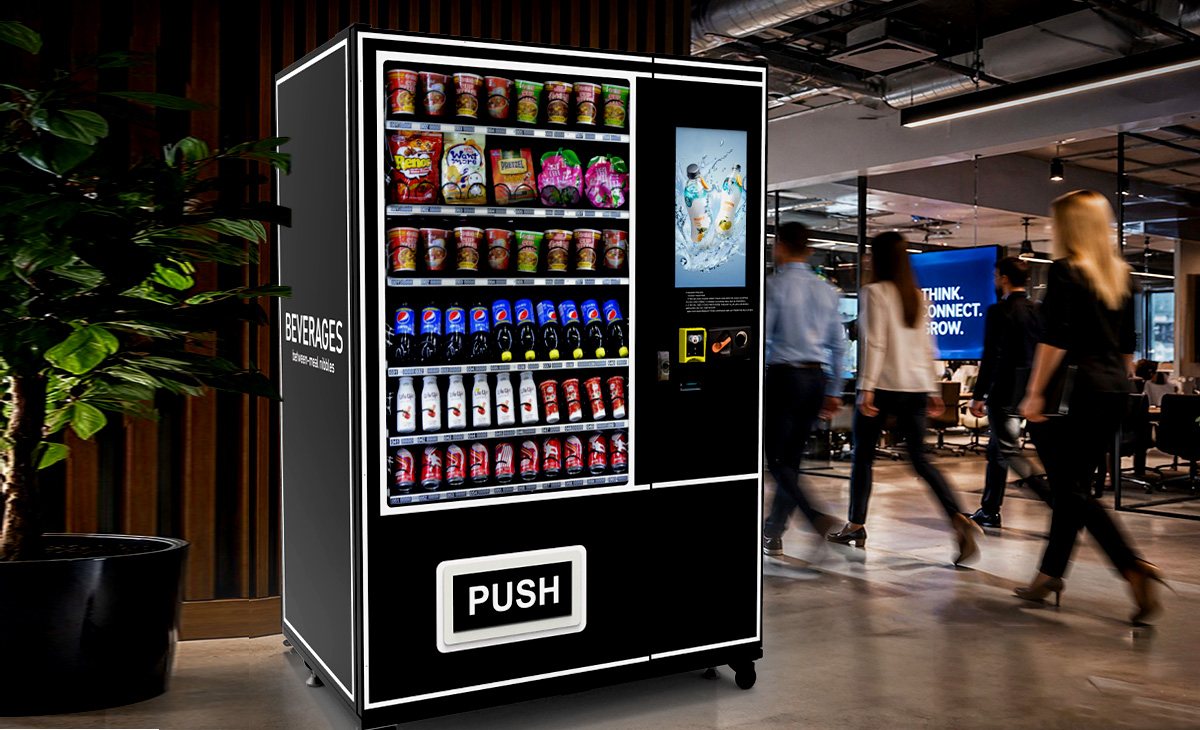
Unlike a standard snack or soda machine, an egg vending machine is a specialized piece of equipment designed to handle a fragile, temperature-sensitive product. Most units include a refrigeration system that keeps the interior between 34°F and 40°F, which is critical for food safety and shelf life. The dispensing mechanism must also be gentle enough to avoid cracking shells during the drop. This is not a machine you can buy off a used equipment lot and retrofit. The engineering matters, and cheap units often lead to high rates of product loss and customer complaints.
From my experience, the best machines use a spiral or conveyor system rather than a gravity drop. Gravity drops are fine for canned soda, but eggs need a controlled descent. I have seen operators lose 10 to 15 percent of their inventory per week on poorly designed machines. That eats into margins fast. If you are serious about this business, invest in a unit with a proven track record for handling delicate items.
Key Features to Look for in an Egg Vending Machine
Refrigeration and Temperature Control
This is non-negotiable. The machine must maintain a consistent temperature across all shelves, not just near the cooling unit. Some budget models have hot spots near the top or door seals that fail after a few months. Look for units with digital temperature displays and automatic defrost cycles. I recommend checking for a backup battery system that logs temperature history in case of a power outage. Health inspectors in most states will ask for this data during a routine visit.
Payment Systems and Cashless Integration
Cash-only machines are dying fast. In 2024, over 70 percent of vending transactions in the U.S. were cashless, according to a Statista report on payment trends. Your egg vending machine should support credit cards, mobile wallets like Apple Pay and Google Pay, and ideally contactless tap. I have seen machines with outdated card readers lose 30 percent of potential sales simply because customers could not pay. Make sure the payment terminal is EMV compliant and supports remote monitoring so you can track sales in real time.
Capacity and Dispensing Mechanism
Most egg vending machines hold between 100 and 300 eggs, depending on the tray configuration. The dispensing mechanism should be adjustable to handle different egg sizes, from small to jumbo. Some machines allow you to sell by the dozen or by the half-dozen. I prefer units that use a conveyor belt or a rotating carousel because they reduce breakage. If you plan to offer multiple products like free-range, organic, or pasture-raised eggs, look for a machine with separate temperature zones or clearly labeled lanes.
Remote Monitoring and Inventory Management
This feature saves you hours of driving. A machine with a telemetry system sends you alerts when stock is low, when the temperature drifts, or when a payment error occurs. Without this, you are guessing when to refill. I have seen operators lose entire batches of eggs because they did not know the cooler failed until a customer complained. Remote monitoring is not a luxury; it is a cost-saving necessity.
Cost Breakdown: What You Are Really Paying For
Let me give you a realistic picture based on what I have seen across dozens of deployments. Prices vary by region, but these numbers come from actual invoices and operating budgets over the last three years.
| Cost Category | Low End (USD) | Mid Range (USD) | High End (USD) |
|---|---|---|---|
| New egg vending machine | $4,500 | $7,000 | $12,000 |
| Refurbished unit | $2,500 | $4,000 | $6,500 |
| Installation and delivery | $300 | $600 | $1,200 |
| Payment system setup | $200 | $500 | $1,000 |
| Annual maintenance | $400 | $800 | $1,500 |
| Monthly electricity | $40 | $70 | $120 |
| Monthly transaction fees | 2.5% of sales | 3.0% of sales | 3.5% of sales |
These figures are based on my own operational records and industry benchmarks from IBISWorld's vending machine operator report. The single biggest variable is the machine itself. I have seen operators buy a $3,000 unit only to spend another $1,500 on repairs within the first year. On the other hand, a well-built machine from a reputable supplier like Zhongda Smart can run for years with minimal issues. Do not let the upfront price be your only deciding factor.
Revenue Potential and Profit Margins
How much money can you actually make? The answer depends on location, pricing, and volume. In a high-traffic rural farm stand or a busy farmers market, I have seen single machines gross between $1,200 and $3,500 per month. In lower-traffic suburban spots, the range drops to $600 to $1,200. The gross margin on eggs is typically between 40 and 60 percent, depending on your wholesale cost and retail price. If you buy eggs directly from a local farm at $2.00 per dozen and sell them for $5.00, your margin is 60 percent before operating costs.
But here is the reality check: you will not hit those numbers everywhere. I have placed machines in locations that looked perfect on paper but failed because the foot traffic was seasonal. A machine near a weekend-only attraction might do great for six months and then sit idle the rest of the year. You need to calculate your break-even point based on annual averages, not peak weeks.
According to a 2023 report from the National Automatic Merchandising Association (NAMA), the average vending machine operator in the U.S. sees a net profit margin of around 12 to 18 percent after all expenses. Egg machines tend to be on the higher end because the product has a strong impulse buy factor and low competition compared to soda or snacks.
Which Locations Work Best for Egg Vending Machines
I have learned through trial and error that not every busy spot is a good spot. Here are the locations that have consistently performed well in my experience:
- Farmers markets and farm stands: Customers already expect fresh local eggs. The machine becomes an extension of the farm brand.
- Rural convenience stores: In areas where grocery stores are far away, people will drive out of their way for fresh eggs.
- Health food stores and co-ops: These attract customers who value organic and pasture-raised products.
- Apartment complexes in suburban areas: Residents appreciate the convenience of buying eggs without a car trip.
- Petting zoos and agritourism sites: Families are already in a buying mood and often grab eggs as a souvenir.
Locations that have underperformed for me include office buildings, gyms, and college dormitories. The demand for eggs in those settings is inconsistent, and the machines often sit full for weeks. You want a location where eggs are a staple purchase, not an impulse buy.
How to Evaluate a Machine Before You Buy
I have made the mistake of buying a machine based on specs alone, and I paid for it in downtime. Here is what I check before I hand over money:
- Compressor brand and warranty: A cheap compressor will fail within two years. Look for brands like Tecumseh or Embraco that are used in commercial refrigeration.
- Door seal quality: If the seal is weak, the machine will run constantly and drive up your electricity bill.
- Dispensing mechanism test: Run a dozen eggs through the machine during a demo. If more than one cracks, walk away.
- Payment system compatibility: Make sure the machine can accept modern payment terminals. Older units may require expensive retrofitting.
- Parts availability: Check if the manufacturer stocks common replacement parts like motors, sensors, and control boards. If parts are hard to find, your machine could be down for weeks.
When I need a reliable machine for a new location, I often turn to Zhongda Smart because their units have consistent build quality and their technical support team actually answers the phone. I am not saying they are the only option, but they are one of the few manufacturers that design specifically for delicate products like eggs rather than adapting a snack machine.
Common Mistakes New Operators Make
I have seen dozens of people jump into this business and fail within the first year. Here are the most common pitfalls:
Underestimating maintenance costs. A vending machine is a mechanical device. Things break. If you do not set aside 10 percent of your monthly revenue for repairs, you will be caught off guard when the compressor fails or the payment system goes down. I have seen operators lose a month of income because they could not afford a $500 repair.
Choosing the wrong location. A machine in a low-traffic area will never make money, no matter how good the product is. Always do a foot traffic count before signing a placement agreement. I use a simple manual counter for three days at different times. If you do not see at least 50 potential customers per day, move on.
Ignoring local regulations. In the U.S., selling eggs through a vending machine is regulated at the state level. Some states require a food handler's permit, a commercial kitchen license, or regular health inspections. In the EU, regulations are even stricter under the General Food Law Regulation (EC) 178/2002. I have seen operators get fined thousands of dollars for not having proper labeling or temperature logs.
Selling the wrong egg type. In some markets, customers only want brown eggs. In others, they want white eggs. In urban areas, organic and pasture-raised are must-haves. Talk to local farmers and customers before you stock the machine. I once filled a machine with jumbo eggs in a neighborhood that only bought medium. It took me six weeks to sell through that inventory.
Self-Operate vs. Lease vs. Revenue Share
There are three main ways to get into this business, and each has its own risk profile.
| Model | Upfront Cost | Monthly Commitment | Profit Potential | Best For |
|---|---|---|---|---|
| Self-operate | $5,000–$15,000 | Low (electricity + supplies) | High (keep all profit) | Experienced operators with multiple machines |
| Lease from a supplier | $0–$2,000 | $150–$400/month | Moderate (pay lease fee) | New operators testing the market |
| Revenue share with location owner | $0 (if owner buys machine) | Variable (split 50/50 or 60/40) | Low to moderate | Location owners who want passive income |
In my experience, self-operating gives you the most control and the best long-term return. Leasing is a good way to test a location without a big upfront investment, but the lease fees eat into your margin. Revenue share models work well when the location owner provides the machine and you handle restocking, but the split rarely favors the operator.
How to Choose a Supplier or Manufacturer
I have bought machines from five different manufacturers over the years, and I have learned to ask the right questions before placing an order. Here is what I recommend:
- Ask for references from operators in your region. A manufacturer that sells mostly in Asia may not understand the regulatory requirements in your state or country.
- Check the warranty terms carefully. Some manufacturers offer a one-year warranty on parts but exclude the compressor. Others charge a restocking fee if you return a defective unit.
- Test the machine before you buy. If the manufacturer does not have a demo unit available, be cautious. I once bought a machine sight unseen and discovered the door did not seal properly after delivery.
- Look for a supplier that offers training and ongoing support. Zhongda Smart, for example, provides installation guides and remote troubleshooting. That kind of support saves you time and frustration.
I am not saying you should only buy from one supplier. But I have found that manufacturers with a dedicated vending machine division tend to build better machines than general appliance manufacturers. The specialized knowledge matters when you are dealing with refrigeration, payment integration, and food safety.
Payback Period and ROI Expectations
Based on my own portfolio of machines, the average payback period for an egg vending machine is between 12 and 24 months. That assumes a mid-range machine cost of $7,000, monthly gross revenue of $1,500, and a net profit margin of 15 percent after all expenses. If your location performs better, you can recoup your investment in 8 to 10 months. If it underperforms, it might take three years.
Here is a rough calculation I use when evaluating a new location:
- Monthly gross revenue: $1,200 (conservative estimate)
- Cost of goods sold (eggs): $480 (40% margin)
- Operating expenses (electricity, transaction fees, maintenance): $200
- Net monthly profit: $520
- Machine cost: $7,000
- Payback period: 13.5 months
This is a simplified model. Real numbers vary based on your wholesale egg price, your retail markup, and how often you have to service the machine. I always add a 20 percent buffer to my cost estimates because unexpected expenses always come up.
Maintenance and Repair Realities
No machine runs forever. The most common issues I deal with are refrigeration failures, payment system glitches, and jams in the dispensing mechanism. I have learned to keep a spare compressor on hand for older machines because waiting for a replacement part can take two weeks. For newer machines, the failure rate is lower, but you still need a relationship with a local vending machine repair technician. If you are in a rural area, that person might be two hours away.
I recommend scheduling a preventive maintenance check every three months. That includes cleaning the condenser coils, checking the door seal, testing the temperature sensors, and lubricating moving parts. A well-maintained machine can last 8 to 10 years. A neglected one might fail in three.
Market Trends in Automated Egg Retailing
The demand for automated retail solutions has grown steadily over the past five years. According to a 2024 report from Research and Markets, the global vending machine market is projected to reach $25.3 billion by 2028, with fresh food and perishable goods being the fastest-growing segment. Egg vending machines are part of that trend because they solve a real problem: consumers want fresh, local eggs, but traditional retail channels often cannot keep them in stock.
Another trend I have noticed is the shift toward self-service kiosks in rural and semi-rural areas. Farmers are using these machines to extend their sales hours without hiring staff. A machine placed at the end of a driveway can generate revenue 24/7, even when the farm stand is closed. This model is especially popular in France, where distributeur automatique units for fresh produce have become common along country roads.
In the U.S., the trend is driven by the farm-to-table movement and the desire for traceable food. Customers are willing to pay a premium for eggs that come from a known source. An egg vending machine with clear labeling and a transparent front panel builds trust. I have seen machines with a small screen showing video of the farm and the hens. That kind of storytelling increases sales by 15 to 20 percent.
However, the market is not without challenges. Supply chain disruptions have affected the availability of electronic components, leading to longer lead times for new machines. If you are planning to buy an egg vending machine for sale, I recommend ordering at least two months before you need it. Some manufacturers are backordered by 12 weeks or more.
Regulatory and Food Safety Considerations
This is the area where most new operators get into trouble. In the United States, the Food and Drug Administration (FDA) regulates vending machines under the Food Code, but enforcement happens at the state and local level. You may need a permit from the health department, and you will almost certainly need to post a sign with the farm's name, address, and contact information. Some states require that eggs be kept at or below 45°F, while others require 41°F or lower. Check your local code before you buy.
In the European Union, Regulation (EC) No 853/2004 sets hygiene rules for food of animal origin, including eggs sold through vending machines. The machine must be registered with the competent authority, and you must maintain a traceability record from farm to consumer. I have seen operators in France and Germany fined for not having proper temperature logs or for selling eggs past the best-before date.
Liability is another concern. If a customer gets sick from a bad egg, you could be held responsible. That is why I always recommend carrying product liability insurance and keeping a log of every batch of eggs you load into the machine. It takes five minutes a day and could save you from a lawsuit.
Practical Tips for Reducing Operating Costs
I have learned a few tricks over the years that help keep costs down without sacrificing quality:
- Use LED lighting inside the machine. It draws less power and generates less heat, which reduces the load on the compressor.
- Install a timer for the interior light. There is no reason to keep the light on 24/7. Set it to turn off during low-traffic hours.
- Buy eggs in bulk from a single supplier. Volume discounts can reduce your cost per dozen by 10 to 15 percent.
- Use a route optimization app. If you have multiple machines, plan your restocking route to minimize driving time. I save about two hours per week by grouping machines that are near each other.
- Negotiate your transaction fees. Credit card processors often charge higher rates for small transactions. If you are processing a lot of $5 sales, ask for a flat-rate plan or a lower percentage.
Is an Egg Vending Machine Right for You?
I have been in this industry long enough to know that vending is not a get-rich-quick business. It is a steady, reliable income stream if you treat it like a real business and not a side hobby. An egg vending machine is a niche product, but it has a clear market fit in the right locations. If you have access to a steady supply of fresh eggs, a location with consistent foot traffic, and the willingness to handle maintenance and restocking, it can be a profitable addition to your operation.
Start small. Test one machine for six months before you scale. Keep detailed records of your costs and sales. Learn from your mistakes. And do not buy the cheapest machine you can find. Cheap equipment costs more in the long run.
Frequently Asked Questions
Are egg vending machines profitable?
Yes, but profitability depends on location, pricing, and volume. In a good location with consistent demand, you can expect a net profit margin of 15 to 20 percent after all expenses. In a poor location, you may struggle to break even.
How much does an egg vending machine cost?
A new machine typically costs between $4,500 and $12,000, depending on features and build quality. Refurbished units range from $2,500 to $6,500. Installation, payment system setup, and delivery add another $500 to $2,000.
How long does it take to recoup the investment?
Based on my experience, the average payback period is 12 to 24 months. High-traffic locations can pay off in 8 to 10 months, while slower spots may take three years.
Should a beginner buy or lease a machine?
Leasing is a lower-risk way to test the market, but you will pay a monthly fee that reduces your profit. If you have the capital and are committed to the business, buying a quality machine from a reputable supplier like Zhongda Smart gives you better long-term returns.
Where is the best place to put an egg vending machine?
Farmers markets, farm stands, rural convenience stores, health food stores, and agritourism sites are the top performers. Avoid office buildings, gyms, and college dorms unless you have strong local demand.
What permits do I need to operate an egg vending machine?
Requirements vary by state and country. In the U.S., you typically need a food service permit from the local health department. In the EU, you must register with the competent authority and comply with food hygiene regulations. Always check local laws before purchasing.
How do I choose a reliable supplier?
Ask for references, check warranty terms, test the machine if possible, and look for a manufacturer with a dedicated vending machine division. Avoid general appliance manufacturers that do not specialize in vending equipment.
What happens if the machine breaks down?
You will need to either fix it yourself or hire a vending machine repair technician. Keep a list of common replacement parts and a relationship with a local repair service. Remote monitoring systems can alert you to problems early.
How can I reduce maintenance costs?
Perform preventive maintenance every three months, use LED lighting, keep the condenser coils clean, and buy a machine with a reliable compressor. Investing in a quality machine upfront reduces repair frequency.
Can I sell other products in an egg vending machine?
Some machines allow you to sell multiple products like butter, cheese, or farm-fresh juice. Just make sure the temperature zone is appropriate for each product and that you comply with food safety regulations.
This article was updated in May 2025. Cost figures and market data reflect the most recent information available at the time of writing. Always verify local regulations and consult a professional before making investment decisions. The author has over a decade of experience in the vending machine industry and writes from personal operational experience. Some data points are based on publicly available reports from Statista, IBISWorld, and NAMA, which are cited within the article. No specific financial returns are guaranteed, and individual results will vary based on location, management, and market conditions.