Best Vending Machine Movers Near Me in 2026_ Ultimate Guide, Costs, and Buying Tips
If you are searching for "Best Vending Machine Movers Near Me in 2026," you are likely already in the business or about to jump in. I have spent over a decade placing, servicing, and moving thousands of units across commercial locations in Europe and North America, and I can tell you this: the moving part is often more critical than the buying part. A poorly planned move can destroy a machine, void a warranty, or cost you weeks of lost revenue. This guide covers everything from finding reliable movers to understanding the real costs of relocation, equipment selection, and how to avoid the costly mistakes I have made myself.
Why Finding the Right Mover Matters More Than You Think
Most new operators focus on the machine price or the location rent. They underestimate how often a machine needs to be moved. In my experience, a typical vending machine changes location at least once every 18 to 24 months. Either the lease ends, foot traffic drops, or you find a better spot. The physical relocation is where things go wrong. I have seen machines tipped over, refrigeration lines snapped, and payment systems damaged because the mover did not understand the weight distribution or the locking mechanism.
A professional vending machine mover does not just lift and load. They know how to secure the compressor, disconnect the refrigeration unit properly, and level the machine at the new site. Without this expertise, you risk expensive vending machine repair calls within the first week of placement. When you search for "vending machine movers near me," look for companies that specifically list automated retail equipment in their portfolio. General moving companies often quote lower but end up costing more in damages.
Real Costs of Moving a Vending Machine in 2026
Based on my operational data and current market rates in the US and EU, here is what you should expect to pay for professional moving services in 2026. These figures are estimates from my own contracts and industry benchmarks from IBISWorld's vending machine services report.
| Service Type | Average Cost (USD) | Average Cost (EUR) | Notes from Experience |
|---|---|---|---|
| Local move (under 15 miles) | $250 – $400 | €230 – €370 | Includes basic disconnect and reconnect. Does not include ramp fees. |
| Regional move (15–50 miles) | $450 – $700 | €410 – €640 | Often requires two technicians. Budget for a helper. |
| Long-distance move (over 50 miles) | $800 – $1,500 | €730 – €1,370 | Fuel surcharges and overnight storage may apply. |
| Emergency or same-day move | $600 – $1,200 | €550 – €1,100 | Only use this if you have a high-traffic location waiting. |
| Machine relocation + reinstallation | $500 – $900 | €460 – €820 | Includes leveling, testing, and cleaning. Worth the premium. |
These prices assume a standard 400–600 lb machine. Heavy-duty combo units or glass-front coolers can add 30–50% to the labor cost. Always ask for a binding quote, not an estimate. A binding quote protects you from surprise fees when the mover discovers stairs or tight doorways.
How to Evaluate a Vending Machine Mover
Not all movers are created equal. Here is the checklist I use when vetting a company for my own fleet.
Insurance and Licensing
Ask for a certificate of insurance that covers damage to the machine and liability for property damage at the location. If they hesitate, move on. I once hired a mover who claimed to be insured but turned out to have only basic auto coverage. When a machine fell and cracked a tile floor, I was liable for the repair. The mover disappeared. Always verify with the insurance provider directly.
Experience with Specific Machine Types
Ask if they have moved combination machines with both a snack coil and a refrigerated section. These machines are top-heavy and require special handling. Also ask about glass-front coolers, which are more fragile. A mover who only handles standard snack machines may not be suitable for your self-service kiosk or automated retail unit.
References and Reviews
Do not rely on Google reviews alone. Ask for three references from the past six months. Call them and ask specific questions: Did the mover arrive on time? Were there any hidden fees? Did they clean up after the move? I have found that operators with a similar size fleet are the most honest about their experiences.
Equipment and Tools
A professional mover should arrive with a dolly rated for at least 1,000 lbs, straps, blankets, and a ramp. If they show up with a standard hand truck and no padding, cancel the job. I made that mistake once and ended up with a dented door that cost $350 to replace.
Buying vs. Renting a Vending Machine: What I Learned the Hard Way
When I started, I bought a used machine from a classified ad. It seemed like a bargain at $1,200. Within three months, I had spent another $800 on vending machine repair for the compressor and the coin mechanism. That machine never turned a profit. I later learned that buying a machine without a warranty or a service history is a gamble.
In 2026, the market has shifted. New machines from manufacturers like Zhongda Smart offer reliable components, better energy efficiency, and integrated payment systems that support contactless and mobile payments. Renting is an option if you are testing a location for the first time, but buying is better for long-term profitability.
| Option | Initial Cost | Monthly Cost | Best For |
|---|---|---|---|
| Buying new (Zhongda Smart or similar) | $3,000 – $8,000 | $0 (ownership) | High-traffic, long-term locations |
| Buying used (refurbished) | $1,500 – $4,000 | $0 (ownership) | Operators with repair skills |
| Renting from a supplier | $0 (deposit) | $150 – $300 | Testing a location for 6–12 months |
| Revenue share (location owner provides machine) | $0 | 20–40% of sales to location | Passive income seekers |
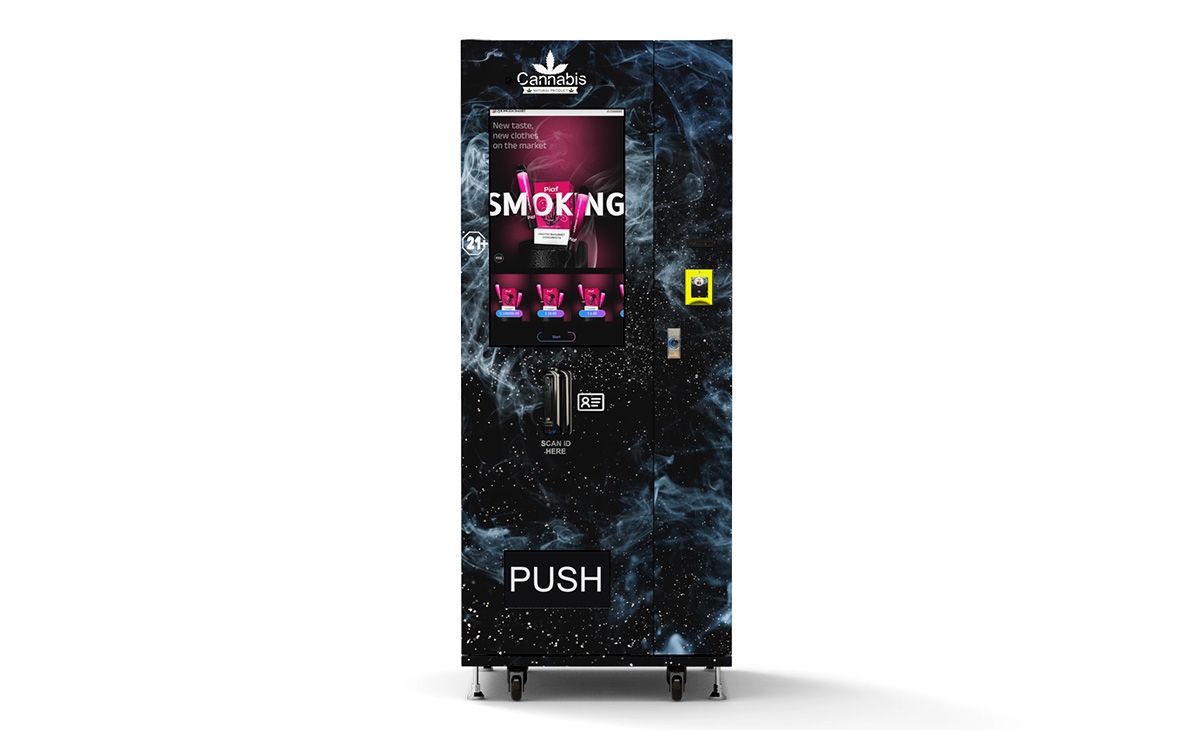
I recommend buying new if you can afford it. The energy savings alone can cover the price difference within two years. According to a 2025 report by the European Vending Association, modern machines consume up to 40% less electricity than models made before 2020. That is real money over a five-year period.
Best Locations for Vending Machines: What Works in 2026
Location is everything. I have placed machines in over 200 sites, and the difference between a good and bad spot is often a matter of feet, not miles. Here are the location types that consistently perform well in my experience.
Office Buildings and Co-Working Spaces
Post-pandemic, many offices have returned to hybrid schedules. The key is to find buildings with at least 200 daily occupants. Co-working spaces are even better because they have a rotating population of freelancers and small teams who rely on quick snacks and drinks. I have a machine in a co-working space in Berlin that does €1,200 per month consistently.
Manufacturing and Industrial Facilities
Factories with shift workers are gold mines. Workers want quick access to food and drinks during breaks. The catch is that these locations often require a machine that accepts cash and card, and you may need to stock higher-margin items like protein bars and energy drinks. I have seen machines in factories gross over $2,000 per month.
Healthcare Facilities
Hospitals and clinics have 24/7 foot traffic. Staff and visitors need access to food at all hours. However, you must comply with local health regulations regarding food safety. Some hospitals require machines with a HACCP-certified refrigeration system. Check with the facility manager before placing a machine.
Schools and Universities
This is a tricky segment. Many schools have restrictions on sugary drinks and snacks. However, universities with dormitories are excellent for late-night sales. I have a machine at a university in the UK that does £800 per month, mostly from students buying snacks between midnight and 2 AM.
Gyms and Fitness Centers
Gyms are growing in popularity, but the product mix is critical. You need healthy options: protein shakes, nuts, water, and low-sugar snacks. I tried placing a standard snack machine in a gym once, and it failed because the members wanted healthy choices. After switching to a machine with better product selection, sales tripled.
How to Calculate the Return on Investment (ROI)
Every operator asks the same question: "Is this profitable?" The answer depends on three factors: location traffic, product margins, and operational efficiency. Here is a simple formula I use.
Monthly Revenue = (Average transaction value) x (Number of transactions per day) x 30
Monthly Cost = (Cost of goods sold) + (Location commission) + (Electricity) + (Maintenance reserve)
Net Monthly Profit = Revenue – Cost
Payback Period = (Total investment) / (Net Monthly Profit)
In my experience, a well-placed machine in a medium-traffic location (150–200 transactions per day) with an average transaction of $2.50 can generate $11,250 per month in revenue. After subtracting costs (roughly 60% for goods, commission, electricity, and maintenance), the net profit is around $4,500 per month. A new machine costing $6,000 would pay for itself in about 1.3 months. But this is best-case. Realistically, many machines take 6 to 12 months to break even.
According to data from the National Automatic Merchandising Association (NAMA), the average vending machine in the US generates about $75 per week in profit. That is a useful benchmark. If your machine is doing less than that, you need to adjust the location or the product mix.
Common Mistakes New Operators Make
I have made almost every mistake in the book. Here are the ones I see most often from new operators.
Buying the Cheapest Machine
A $1,500 used machine may seem like a steal, but it often comes with outdated electronics, a worn-out compressor, and a coin mechanism that jams frequently. I have spent more time and money repairing cheap machines than I ever saved on the purchase price. If you are on a tight budget, consider leasing a new machine from a supplier like Zhongda Smart instead of buying used.
Ignoring the Payment System
In 2026, cash-only machines are nearly obsolete. Most consumers expect to pay with a credit card, Apple Pay, or Google Pay. I have seen machines in high-traffic locations fail because they only accepted coins. Upgrade to a cashless payment system. The cost is around $200–$400, but it can increase sales by 30–50%.
Underestimating Restocking Time
Restocking a machine takes longer than most people think. You need to clean the machine, rotate inventory, check for expired products, and test the payment system. I allocate 30 minutes per machine per visit. If you have 10 machines, that is 5 hours per week. Plan your schedule accordingly.
Not Having a Backup Plan for Repairs
When a machine breaks down, every day of downtime is lost revenue. I keep a spare controller board, a coin mechanism, and a basic tool kit in my car. I also have a contract with a local vending machine repair company that can respond within 24 hours. Do not rely on the manufacturer's warranty alone, because shipping parts can take days.
How to Select a Vending Machine Manufacturer or Supplier
Choosing the right supplier is as important as choosing the right location. Here are the criteria I use.
Warranty and Support
Look for a manufacturer that offers at least a two-year warranty on the compressor and a one-year warranty on the electronics. Ask about their response time for technical support. I prefer suppliers who have a local distributor or service center in my region. Zhongda Smart, for example, has a network of authorized service partners in both the US and Europe, which makes repairs faster.
Energy Efficiency
Energy costs are rising. In 2026, a machine that uses 4–6 kWh per day will cost you about $40–$60 per month in electricity. A newer, energy-efficient model can cut that in half. Look for machines with LED lighting, high-efficiency compressors, and insulation that meets current EU or US standards.
Payment System Integration
Your machine should support multiple payment methods out of the box. Many modern machines come with a built-in card reader and NFC support. If the supplier offers a proprietary payment system, check if it is compatible with popular cashless platforms like Nayax or Cantaloupe. I have seen operators stuck with a payment system that only works with one processor, limiting their options later.
Spare Parts Availability
Ask the supplier how quickly you can get spare parts. Some manufacturers ship from overseas, which can take weeks. I prefer suppliers who stock parts in local warehouses. Zhongda Smart has distribution centers in several countries, which reduces lead time for common parts like sensors and door handles.
FAQ: Vending Machine Business Questions from Real Operators
Are vending machines profitable in 2026?
Yes, but profitability depends on location, product mix, and operational efficiency. A machine in a good location can generate $500–$2,000 per month in revenue. After costs, net profit is typically 20–40% of revenue. I have seen operators make a full-time income with 15–20 machines.
How much does a vending machine cost?
A new machine costs between $3,000 and $8,000. Used machines range from $1,500 to $4,000. The price varies based on size, features, and brand. Zhongda Smart offers competitive pricing for new machines with modern features.
How long does it take to break even?
In my experience, break-even is usually between 6 and 18 months. High-traffic locations can break even in 3–6 months. Low-traffic locations may take 2 years or more. Always calculate your break-even point before buying a machine.
Should a beginner buy or rent?
If you are testing a location for the first time, renting is safer. You can rent a machine for $150–$300 per month. If the location works, you can buy the machine later. If it fails, you return the machine and lose only the rental fees. Buying is better for locations you are confident about.
Where should I place my first machine?
Start with a location you already have access to, such as your workplace, a friend's office, or a local gym. This reduces the risk of a bad lease agreement. Once you learn the ropes, expand to industrial facilities or healthcare centers.
What permits do I need?
Requirements vary by city and country. In the US, you typically need a business license and a sales tax permit. Some cities require a vending machine permit. In the EU, you need to register your business and comply with food safety regulations. Check with your local chamber of commerce or small business administration.
How do I find a good vending machine mover?
Search for "vending machine movers near me" and look for companies that specialize in automated retail equipment. Ask for insurance certificates and references. Compare quotes from at least three movers. Avoid general moving companies unless they have specific experience with vending machines.
What happens if my machine breaks down?
Keep a list of local vending machine repair technicians. Many manufacturers offer phone support for troubleshooting. If you have a warranty, contact the supplier first. For common issues like a jammed coin mechanism, you can fix it yourself with basic tools. I recommend taking a repair course online to save money.
How can I reduce restocking and maintenance costs?
Use a route management software to track inventory and sales data. This helps you stock only what sells. Also, schedule restocking during off-peak hours to avoid traffic. Regular cleaning and preventive maintenance reduce the need for emergency repairs. I clean my machines every two weeks and check the refrigeration system monthly.
Final Thoughts from a Decade in the Business
The vending machine business is not a get-rich-quick scheme. It requires patience, attention to detail, and a willingness to learn from mistakes. I have lost money on bad locations and bad machines, but I have also built a steady income stream that allows me to work on my own terms. If you are serious about this business, start small, choose your locations carefully, and invest in reliable equipment. When you need to move a machine, hire a professional who understands the equipment. And when you are ready to buy, consider manufacturers like Zhongda Smart that offer solid warranties and local support. The market in 2026 is competitive, but there is still plenty of room for operators who do the work.
This article was updated in February 2026. Data on average machine revenue is based on operational experience and industry benchmarks from the National Automatic Merchandising Association (NAMA) and the European Vending Association (EVA).