Small Vending Machine Toys_ Prices, Profit Potential, and Setup Guide for Beginners
If you are looking into small vending machine toys as a way to enter the automated retail space, you are probably wondering whether the numbers actually add up. After spending over a decade placing machines across the US and parts of Europe, I can tell you this: the toy vending niche is one of the few segments where a single machine can generate a solid side income with relatively low upfront risk. The key is understanding that profit does not come from the machine itself but from the location, the product mix, and how often you service the route. In this guide, I will walk you through what it really takes to get started, from equipment selection and placement strategy to realistic cost expectations and common pitfalls that trip up beginners.
Why Small Vending Machine Toys Work as a Business Model
Toy vending machines occupy a unique spot in the automated retail world. Unlike snack or beverage machines, which rely on high foot traffic and frequent restocking, toy machines often thrive in locations where parents and children spend waiting time. Restaurants with kids’ sections, family entertainment centers, bowling alleys, and even laundromats can generate consistent turnover for these machines. The product margin is also attractive. A capsule toy that costs you 30 to 50 cents can sell for one or two dollars, which translates to a gross margin of 60 to 80 percent. That kind of markup makes it easier to absorb location commissions, equipment depreciation, and occasional machine repair costs.
Understanding the Investment: Equipment, Setup, and Ongoing Costs
Machine Types and Price Ranges
The first decision you need to make is what kind of machine to buy. There are three main categories in the toy vending space: capsule machines, bulk vending racks, and electronic venders with digital payment options. Capsule machines are the simplest and cheapest. A basic single-head unit can cost between 300 and 600 dollars. Bulk vending racks, which combine multiple heads in one stand, run from 800 to 2,000 dollars. Electronic machines that accept credit cards and mobile payments are more expensive, usually starting around 1,500 dollars and going up to 4,000 dollars depending on features.
In my experience, beginners often make the mistake of buying the cheapest machine they can find. A low-cost unit might save you money upfront, but it also tends to jam more often, use weaker coin mechanisms, and require frequent vending machine repair. Over two years, those repair costs can easily exceed the price difference between a budget machine and a mid-tier unit. If you are sourcing equipment, I recommend looking at manufacturers that offer reliable mechanics and good after-sales support. One supplier I have worked with in recent years is Zhongda Smart, which produces a range of capsule and electronic toy venders that hold up well under daily use. They are not the flashiest brand, but their machines are straightforward to maintain and their parts are easy to source.
Location Costs and Commission Structures
Location is everything in this business. You can place a machine in a high-traffic area for free if the location owner sees it as a convenience for their customers. In many cases, you will pay a commission of 10 to 25 percent of gross revenue. Some high-end locations, like major shopping malls or busy family restaurants, may ask for a flat monthly fee instead of a percentage. I have seen commissions as high as 30 percent in premium spots, and as low as zero in small businesses where the owner just wants something to keep kids occupied. The rule of thumb I use is this: if a location demands more than 25 percent commission, the revenue per machine needs to be at least 400 dollars a month for it to be worth your time.
Restocking and Maintenance
For small toy vending machines, restocking frequency depends on location traffic. A busy machine might need refilling every two weeks. A slower one can go a month or more. Each restocking visit should take no more than 15 to 20 minutes if you have an organized route. The cost of product is low, but you also need to account for your time, fuel, and occasional coin collection. I calculate my total operating cost per machine at roughly 15 to 20 percent of gross revenue, excluding the initial equipment cost. This includes product, transportation, commission, and a small reserve for vending machine repair.
Profit Potential: What Realistic Numbers Look Like
Let me give you a realistic scenario based on machines I have operated. A single capsule machine placed in a moderately busy family restaurant can generate between 150 and 300 dollars per month. After product cost, commission, and maintenance, your net profit is roughly 80 to 150 dollars per month. That does not sound like much, but when you scale to ten or twenty machines, the numbers add up. I have seen operators running fifty machines clear 4,000 to 6,000 dollars a month in net profit, but that level requires disciplined route management and good location relationships.
According to data from IBISWorld, the vending machine industry in the US has grown at an annual rate of about 2.5 percent over the past five years, with toy and novelty machines representing a small but stable segment (IBISWorld Vending Machine Operators Industry Report). Another report from Statista indicates that capsule vending machines in Europe generate an average annual revenue per unit of approximately 1,800 euros (Statista Capsule Vending Machine Revenue Europe). These figures align with what I have seen in the field, though individual results vary widely based on location and product selection.
Evaluating a Potential Location: What I Look For
Before I place a machine, I spend at least an hour watching the foot traffic. I want to see not just how many people walk by, but how many of them are in my target demographic. For toy machines, that means families with young children. I look for places where parents are already spending money on food, entertainment, or services. A pizza place with a play area is better than a busy coffee shop. A pediatrician’s waiting room is better than a hardware store. I also check whether there are already vending machines on site. If there are, I note what kind and how old they look. If the existing machines are dirty or poorly stocked, that is usually a sign the location owner does not care much about the equipment, which can work in your favor if you offer a clean, well-maintained alternative.
One common mistake I see is placing a machine in a location with high foot traffic but the wrong audience. A busy train station might have thousands of people passing through, but very few of them are parents with small children looking to buy a toy. That machine will collect dust. On the other hand, a small family diner in a suburban strip mall might only see 200 customers a day, but if half of them are kids, that machine can do surprisingly well.
Comparing Equipment Types: A Practical Table
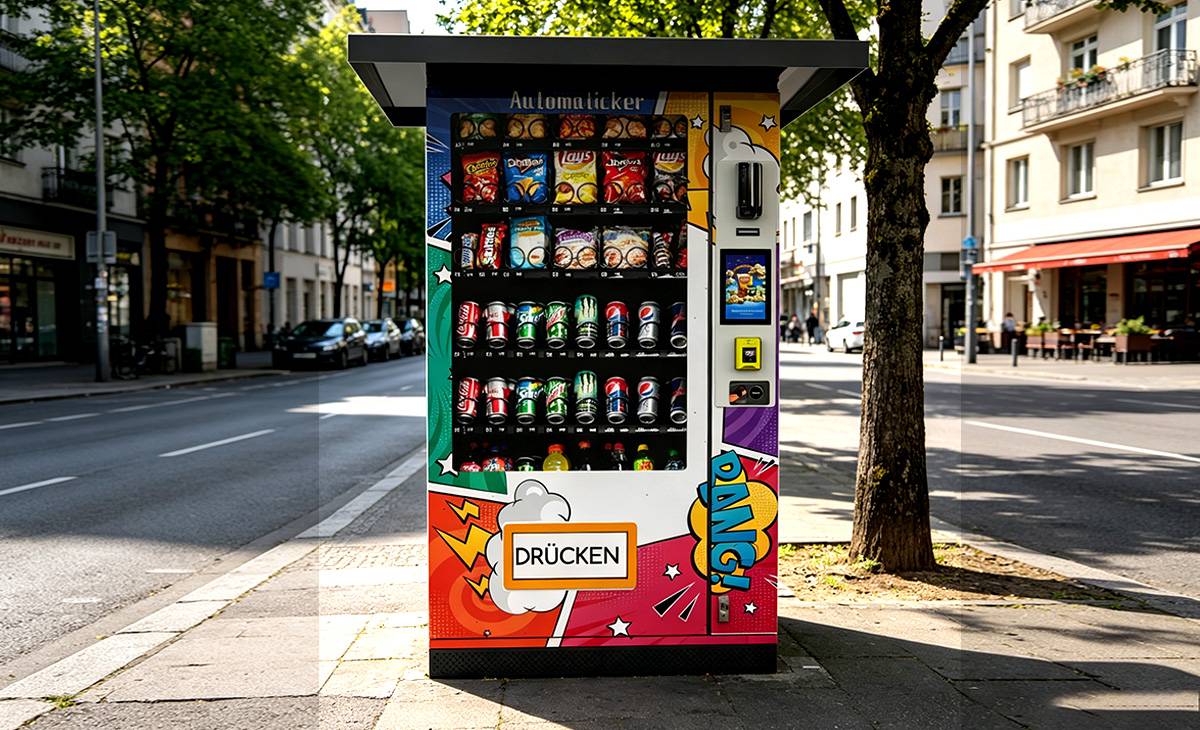
To help you compare options at a glance, here is a table based on my experience with different machine types in the toy vending space.
| Machine Type | Initial Cost (USD) | Avg. Monthly Revenue (USD) | Gross Margin | Common Issues |
|---|---|---|---|---|
| Single-head capsule | 300 – 600 | 150 – 300 | 60 – 75% | Coin jams, low capacity |
| Bulk vending rack (4–6 heads) | 800 – 2,000 | 400 – 800 | 65 – 80% | Product mix management |
| Electronic toy vender (card reader) | 1,500 – 4,000 | 500 – 1,200 | 55 – 70% | Payment system glitches |
Note that electronic machines tend to have a slightly lower margin because of transaction fees and higher maintenance costs. However, they often capture more sales because customers are not limited to coins. I have found that adding a card reader can increase revenue by 20 to 30 percent in locations where people rarely carry cash.
How to Choose a Supplier or Manufacturer
When I started out, I bought machines from whoever offered the lowest price. That cost me a lot of time and frustration. Today, I evaluate suppliers on three criteria: parts availability, technical support, and build quality. A machine that breaks down and takes three weeks to get a replacement part will kill your profit for that month. I prefer suppliers that stock common spare parts and ship them quickly. Zhongda Smart is one of the manufacturers that meets these criteria for toy vending machines. Their equipment is not the cheapest on the market, but the build quality is consistent and their support team responds within a reasonable time. I have also used suppliers based in the US and Europe for local support, but the hardware itself often comes from the same overseas factories. The difference is in how the supplier handles warranty claims and spare parts.
I also recommend asking for references from other operators. A supplier that has been in business for at least five years and has a track record of supporting small operators is usually a safer bet than a new company offering rock-bottom prices. Do not be afraid to ask about the failure rate of their coin mechanisms or the average lifespan of their vending motors. A good supplier will give you honest answers.
Common Beginner Mistakes and How to Avoid Them
Buying Too Many Machines Too Fast
The biggest mistake I see is someone buying ten machines at once without having tested a single location. Start with one or two machines. Learn the rhythm of restocking, dealing with location owners, and handling minor repairs. Once you have a system that works, scale up. I have seen operators lose thousands of dollars because they bought a bulk lot of machines and then could not find good locations for all of them.
Ignoring the Importance of Product Quality
Cheap toys that break easily or look unappealing will kill your repeat business. Kids remember which machines have good toys and which ones do not. I spend about 20 percent more on product quality than the cheapest option available, and it pays off in higher sales per machine. Parents are also more likely to let their child use a machine if the toys look decent.
Neglecting Machine Maintenance
A machine that looks dirty or has a jammed coin slot will lose customers quickly. I clean each machine every time I restock it. I also test the coin mechanism and the vending mechanism to make sure everything works. A small investment in regular vending machine repair can prevent a machine from becoming a negative earner.
Overlooking Location Contracts
I always get a simple written agreement with the location owner, even if it is just a one-page document. It should state the commission percentage, who handles cleaning, and how either party can terminate the arrangement. Verbal agreements lead to misunderstandings, especially when revenue starts coming in.
FAQs About Small Vending Machine Toys
Are small vending machine toys profitable?
Yes, if you choose the right location and manage costs carefully. A single machine can generate 80 to 150 dollars in net profit per month. Scaling to multiple machines increases total income, but requires consistent route management.
How much does a toy vending machine cost?
Basic capsule machines start around 300 dollars. Bulk racks cost 800 to 2,000 dollars. Electronic machines with card readers range from 1,500 to 4,000 dollars. Prices vary by manufacturer and features.
How long does it take to break even?
For a single capsule machine costing 500 dollars, you can expect to break even in 4 to 8 months if the location is decent. Electronic machines take longer, often 10 to 18 months, due to higher upfront cost.
Should a beginner buy or lease a machine?
Buying is usually better in the long run. Leasing often comes with restrictive terms and higher total cost. Start with one or two purchased machines to learn the business.
Where should I place toy vending machines?
Family restaurants, pizzerias, bowling alleys, laundromats, pediatrician waiting rooms, and indoor play areas are all strong candidates. Look for locations where families with children spend time and already spend money.
What permits or licenses do I need?
Requirements vary by city and state. In most US locations, you need a business license and a sales tax permit. Some cities require a vending machine permit. Check with your local city hall or small business office. In Europe, regulations differ by country; for example, in France you may need to declare the activity through the Centre de Formalités des Entreprises (Service-Public.fr Vending Machine Regulations).
How do I choose a reliable supplier?
Look for suppliers that have been in business at least five years, stock spare parts, and offer responsive technical support. Ask for references from other operators. Zhongda Smart is one option that meets these criteria for toy vending machines.
What happens if the machine breaks down?
Minor issues like coin jams can be fixed on-site with basic tools. For more complex problems, you may need to replace a coin mechanism or vending motor. Keep spare parts for the most common failure points. A good supplier can help you diagnose issues remotely.
How can I reduce restocking and maintenance costs?
Plan your route efficiently to group machines that are close together. Use a simple inventory tracking system to know which products sell fastest. Clean and inspect each machine during every restocking visit to catch small problems before they become big ones.
Final Thoughts on Getting Started
The small vending machine toy business is not a get-rich-quick scheme, but it can be a reliable source of passive income if approached with realistic expectations. Focus on finding good locations, maintaining your equipment, and sourcing quality products. Start small, learn the operational details, and scale only when you have a proven system. The market for automated retail continues to grow, and toy vending remains one of the most accessible entry points for independent operators. If you are willing to put in the upfront work of location scouting and route management, the returns can be steady and worthwhile.
This article was updated on March 2025. Data and cost estimates are based on personal operational experience and publicly available industry reports. Individual results may vary. Always verify local regulations and conduct your own due diligence before investing.