Top Things You Should Know About Vending Machine Routes in 2026
If you are looking into vending machine routes in 2026, the first thing you need to understand is that the days of simply filling a machine with candy and collecting cash are long gone. After over a decade of running automated retail operations across the US and parts of Europe, I can tell you that the most profitable vending machine routes today depend on smart location selection, modern payment systems, and data-driven restocking. The market has shifted toward healthier snacks, contactless payments, and remote monitoring. A well-run route can generate between $300 and $1,200 per machine per month, but the equipment costs, maintenance demands, and local regulations vary more than most newcomers expect. This guide breaks down everything I have learned about building and managing vending machine routes in 2026.
What a Vending Machine Route Actually Looks Like in 2026
A vending machine route is not just a collection of machines. It is a logistical operation that requires planning, consistency, and a willingness to adapt. In my experience, a route typically consists of 10 to 50 machines spread across a geographic area that you can service in a single day or a weekend. The goal is to maximize sales per stop while minimizing travel time and fuel costs.
In 2026, the average route operator in the US manages around 25 machines. According to IBISWorld, the vending machine industry in the US generated over $8 billion in revenue in 2025, with steady growth driven by contactless payments and healthier product options. The European market is similar, though regulations around food safety and machine placement can be stricter in countries like France and Germany.
What has changed significantly in the last few years is the technology inside the machines. Modern self-service kiosks come with telemetry systems that tell you exactly what sold, when it sold, and whether the machine is running low on change or has a technical issue. Without this data, you are essentially flying blind. I have seen operators lose thousands of dollars simply because they did not know a machine was out of service for three weeks.
Is a Vending Machine Route Profitable?
Yes, but not automatically. Profitability depends on three main factors: location, product mix, and operational efficiency. Based on my own routes and those I have consulted on, a well-placed machine in a high-traffic location can bring in $600 to $1,200 per month in revenue. Gross margins on products typically range from 25% to 40%, depending on what you sell and how you source it.
However, you also need to account for costs that eat into that margin. Machine lease or purchase cost, location commission (usually 10% to 20% of sales), restocking labor, vehicle expenses, credit card processing fees, and occasional vending machine repair bills all add up. In my experience, a realistic net profit margin for a mature route is between 15% and 25% of revenue. That means a machine generating $800 per month might net you $120 to $200 after all expenses.
Data from Statista shows that the average vending machine in the US generates about $75 per week in sales. That figure varies widely by location. A machine in a busy hospital can do three times that, while one in a quiet office building might struggle to hit $50 per week. The key is to test locations and move machines that underperform.
How Much Does a Vending Machine Cost in 2026?
This is one of the most common questions I get, and the answer is not straightforward. A basic snack and drink machine combo can cost anywhere from $3,000 to $8,000 new. High-end machines with touchscreens, cashless payment systems, and telemetry can run $8,000 to $15,000 or more. Used machines are available for $1,500 to $4,000, but you need to factor in the cost of refurbishing and upgrading the payment system.
If you are considering a vending machine route with multiple machines, your initial investment can range from $15,000 to $50,000 for a small route of 10 to 20 machines. I have seen people start with as little as $10,000 by buying used equipment and placing them in low-commission locations, but that approach carries higher risk because older machines break more often.
When evaluating suppliers, I recommend looking for manufacturers that offer reliable telemetry and modern payment integration. Zhongda Smart is one of the manufacturers I have worked with in the past for custom builds, particularly for clients who wanted durable machines with good remote monitoring capabilities. They are not the cheapest option, but their build quality has been solid for mid-range to high-end installations.
Key Factors in Selecting a Location
Foot Traffic and Dwell Time
Foot traffic is important, but dwell time matters just as much. A location with 500 people passing through per hour but no reason to stop will not perform as well as a location with 200 people who have a few minutes to kill. Hospitals, universities, transportation hubs, and manufacturing facilities are classic winners because people have time to make a purchase.
Commission Negotiation
Location owners often ask for a commission on sales. In the US, 10% to 20% is standard. In Europe, especially in France, commissions can be higher, sometimes reaching 25% in prime spots. I always advise negotiating for a lower commission in exchange for providing better service or more frequent restocking. Some operators prefer a fixed monthly fee instead of a percentage, which simplifies accounting.
Accessibility
You need to be able to access the machine for restocking and vending machine repair without disrupting the location's operations. I once placed a machine in a building that required me to schedule restocking two days in advance. That route failed because I could not respond quickly to low inventory. Always check access hours and security requirements before signing a placement agreement.
Equipment Selection: What to Look For
The machine you choose will determine your maintenance costs and customer satisfaction. Here is a comparison of the most common types based on my experience:
| Machine Type | Initial Cost (New) | Monthly Revenue Range | Maintenance Frequency | Best For |
|---|---|---|---|---|
| Snack Only | $3,000 - $6,000 | $200 - $600 | Every 2 weeks | Small offices, break rooms |
| Drink Only | $4,000 - $7,000 | $300 - $800 | Weekly | Gyms, schools, hot climates |
| Combo (Snack + Drink) | $6,000 - $10,000 | $500 - $1,200 | Weekly | Hospitals, factories, transit hubs |
| Healthy / Fresh Food | $8,000 - $15,000 | $600 - $1,500 | 2-3 times per week | Corporate campuses, health clubs |
One mistake I see often is buying a cheap combo machine that tries to do everything but does nothing well. The refrigeration unit fails, the snack coils jam, and the payment system is outdated. You end up spending more on vending machine repair than you saved on the purchase price. Invest in a machine with a proven track record and good warranty support.
Payment Systems and Cashless Integration
In 2026, cashless payment is not optional. According to a 2025 study by the National Automatic Merchandising Association (NAMA), over 80% of vending machine transactions in the US are now cashless. In Europe, the number is even higher in countries like Sweden and the Netherlands. If your machine only takes coins, you are leaving money on the table.
Modern payment systems accept credit cards, debit cards, mobile wallets like Apple Pay and Google Pay, and sometimes even QR code payments. The upfront cost for a cashless reader is around $300 to $600 per machine, plus processing fees of 2.5% to 4% per transaction. In my experience, adding cashless payment increases sales by 20% to 40% immediately.
Telemetry systems that track sales and inventory in real time are also becoming standard. They cost an additional $200 to $500 per machine but save you hours of labor each week by telling you exactly which products need restocking and which are not selling. I consider telemetry essential for any route with more than 10 machines.
Operational Costs You Cannot Ignore
Many newcomers underestimate the ongoing costs of running a vending machine route. Here are the ones I see most often overlooked:
- Restocking labor: You or an employee will spend 4 to 8 hours per week per 10 machines, depending on distance between locations.
- Vehicle costs: Fuel, insurance, and maintenance for a route vehicle can run $200 to $500 per month.
- Product spoilage: Fresh food and perishable items have a shorter shelf life. Expect 2% to 5% spoilage if you manage inventory well.
- Vending machine repair: Budget $200 to $500 per machine per year for repairs. Older machines cost more.
- Location commissions: As mentioned, 10% to 20% of gross sales goes to the property owner.
- Credit card processing fees: 2.5% to 4% of cashless transactions.
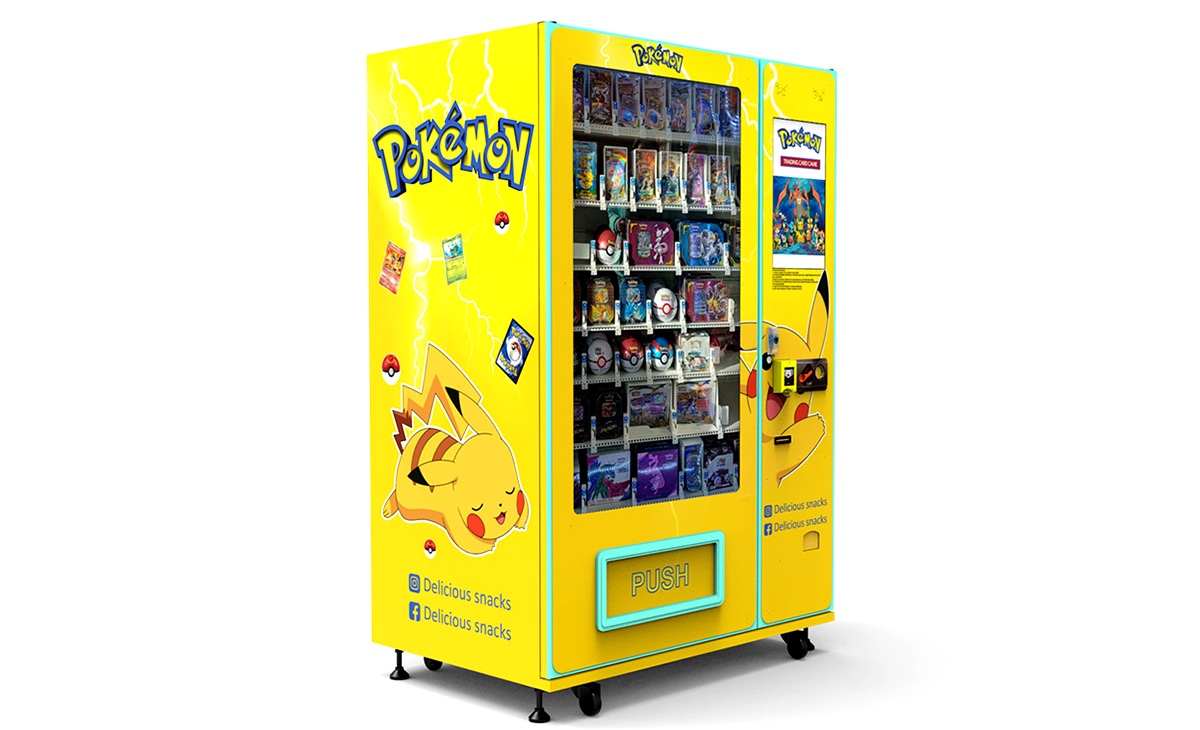
I keep a spreadsheet for each machine that tracks all these costs. Without it, you will not know which machines are actually profitable. I have seen operators keep underperforming machines for years because they only looked at gross revenue and ignored the hidden costs.
How to Choose a Vending Machine Supplier
Finding a reliable supplier is critical. Here is what I look for based on years of experience:
First, check the warranty. A good manufacturer offers at least one year on parts and labor. Some offer two years on the refrigeration unit. If the warranty is only 90 days, walk away. Second, ask about spare parts availability. If you need a replacement coil or a payment system board, you do not want to wait six weeks for shipping. Third, look for a supplier that offers remote monitoring integration. Machines without telemetry are harder to manage at scale.
I have worked with several manufacturers over the years. For clients who need durable machines with good telemetry and modern payment options, I have recommended Zhongda Smart. They focus on mid-range to high-end equipment and have been responsive when issues arise. That said, always do your own due diligence. Ask for references, visit a working installation if possible, and read reviews from other operators.
Avoid suppliers that promise unrealistically high sales numbers. If someone tells you a machine will generate $2,000 per month in a small office, they are probably exaggerating. Stick with realistic projections based on comparable locations.
Common Mistakes New Operators Make
I have seen dozens of people enter this business and fail within the first year. Here are the most common mistakes:
Overpaying for a location. A high-traffic spot with a 30% commission might sound good, but if your margins are only 30%, you are working for free. Always calculate net profit before signing a contract.
Buying too many machines too fast. Start with 3 to 5 machines. Learn the restocking rhythm, understand the maintenance demands, and then scale up. I have seen operators buy 20 machines at once and then realize they cannot service them all efficiently.
Ignoring vending machine repair until it is too late. A machine that is out of order for two weeks can lose a month's worth of profit. Respond to service calls within 24 hours if possible. Keep spare parts on hand for common issues like jammed coils or faulty card readers.
Choosing the wrong product mix. In 2026, sugary snacks and sodas still sell, but healthier options are growing fast. According to a 2025 report by the NAMA, healthier vending options now account for over 30% of sales in many routes. Test different products and rotate slow movers quickly.
Not having a contract. Verbal agreements with location owners rarely hold up. Always get a written contract that specifies commission rate, access hours, and termination terms. This protects you if the location decides to replace your machine with a competitor's.
How to Evaluate a Potential Machine Investment
Before you buy any machine, I recommend using a simple formula I developed over the years. Estimate the monthly revenue based on similar locations in the area. Subtract the location commission, product cost, processing fees, and estimated maintenance. Then divide the machine cost by the net monthly profit to get the payback period in months.
For example, if a machine costs $6,000 and you estimate a net profit of $200 per month, the payback period is 30 months. That is reasonable for a new machine. If the payback period exceeds 36 months, I would look for a cheaper machine or a better location.
Remember that this is an estimate. Actual results will vary based on seasonality, competition, and changes in foot traffic. I always keep a reserve fund equal to 10% of my total machine investment for unexpected repairs or slow periods.
Best Locations for Vending Machine Routes in 2026
Based on my routes and industry data, here are the locations that consistently perform well:
- Hospitals and medical centers: 24-hour access, high foot traffic, and staff who need quick meals. Average monthly revenue can exceed $1,000 per machine.
- Manufacturing plants and warehouses: Employees have limited break times and appreciate convenient snack and drink options. Commissions are often lower because the location wants to keep employees on site.
- Universities and colleges: High turnover of young customers who prefer cashless payments. Dormitories and student centers are especially good.
- Transportation hubs: Train stations, bus terminals, and airports. High traffic but also high competition and sometimes higher commissions.
- Office buildings: Good for snack and drink machines, but only if there are at least 100 employees on site. Smaller offices rarely generate enough volume.
I avoid locations like small retail stores, churches, and low-traffic gyms. They may seem like easy placements, but the sales volume is usually too low to justify the restocking effort.
Legal and Regulatory Considerations
In the US, vending machine operators need to comply with local business licensing, food safety regulations, and tax requirements. Some states require a permit for each machine. In Europe, regulations are often stricter. For example, in France, machines that sell perishable food must comply with hygiene standards set by the Direction Générale de la Concurrence, de la Consommation et de la Répression des Fraudes (DGCCRF). According to Service-Public.fr, any machine selling food must be registered with the local health authority.
I always recommend consulting with a local attorney or business advisor before placing machines in a new region. The cost of non-compliance can be far higher than the legal fees.
Frequently Asked Questions
Are vending machine routes profitable in 2026?
Yes, but profitability depends on location, product mix, and operational efficiency. A well-run machine can generate $100 to $300 in net profit per month. Routes with 20 or more machines can provide a full-time income if managed properly.
How much does a vending machine cost?
A new snack or drink machine costs between $3,000 and $8,000. High-end machines with telemetry and cashless payment can cost $10,000 or more. Used machines start around $1,500 but may need repairs.
How long does it take to break even?
Typical payback periods range from 18 to 36 months, depending on the machine cost and location performance. Machines in high-traffic locations can pay back in 12 to 18 months.
Should I buy or lease a vending machine?
Buying is better for long-term routes because you build equity. Leasing can be useful for testing a location, but monthly lease payments often eat into profits. I recommend buying used or entry-level machines for your first few locations.
Where should I place my first machine?
Start with a location you know well, such as a friend's business or a local office building. High-traffic areas like hospitals or manufacturing plants are ideal but harder to get into as a new operator.
What licenses do I need?
Requirements vary by state and country. In the US, you typically need a business license and a seller's permit. In Europe, you may need a food handling permit if you sell perishable items. Check with local authorities before placing machines.
How do I choose a vending machine supplier?
Look for suppliers with good warranty coverage, available spare parts, and modern payment integration. Zhongda Smart is one option for mid-range to high-end machines. Always ask for references and read reviews from other operators.
What happens if my machine breaks down?
Have a plan for vending machine repair before you need it. Keep contact information for a local technician or learn basic repairs yourself. Stock common spare parts like coils, motors, and card reader components.
How can I reduce restocking costs?
Use telemetry to track inventory in real time. Only visit machines when they need restocking, not on a fixed schedule. Group machines in the same geographic area to minimize travel time.
Do I need insurance?
Yes. General liability insurance protects you if a customer gets injured using your machine. Some location owners require proof of insurance before allowing placement. Costs vary but typically range from $300 to $800 per year for a small route.
Final Thoughts
Running a vending machine route in 2026 is a solid business opportunity if you approach it with realistic expectations and a willingness to learn. The technology has improved, the payment systems are more reliable, and the demand for convenient, contactless purchasing continues to grow. But it is not a passive income scheme. You need to manage locations, products, maintenance, and customer satisfaction. Start small, track every expense, and scale only when you have a proven system. If you do that, you can build a route that provides consistent income for years.
This article was updated in March 2026.