Best Healthy Vending Machine Business in 2026_ Ultimate Guide, Costs, and Buying Tips
If you are looking into the Best Healthy Vending Machine Business in 2026, you probably want to know one thing upfront: can you actually make money selling salads, protein bars, and cold-pressed juices through an automated retail machine? The short answer is yes, but only if you pick the right equipment, understand your location metrics, and avoid the rookie mistakes I have seen wipe out dozens of operators over the past decade. I have been in this industry since 2014, placing machines across the United States and parts of Western Europe, and I have learned the hard way that healthy vending is a different animal from traditional snack and soda machines. This guide covers everything I wish someone had told me before I placed my first unit—costs, buying tips, maintenance realities, and how to evaluate a location before signing a single contract.
What Makes a Vending Machine Business “Healthy” in 2026?
The term “healthy vending” has evolved. Ten years ago, it meant swapping out candy bars for granola bars and calling it a day. In 2026, it means offering fresh food items, plant-based snacks, functional beverages, and meals with clean labels and transparent nutritional data. Consumers in Europe and North America are increasingly reading ingredient lists before they tap their card. According to a 2023 Statista report, the global healthy snack market was valued at over USD 90 billion and is projected to grow steadily through 2030. That shift directly impacts vending.
I have seen machines in corporate offices that used to sell chips and soda now generate higher per-transaction revenue with cold-pressed juices and organic trail mixes. The catch is that healthy vending requires more stringent temperature control, shorter shelf life management, and a better understanding of your customer base. You cannot just set it and forget it.
Is the Healthy Vending Machine Business Profitable?
Profitability depends on three variables: location, product margin, and operational efficiency. In my experience, a well-placed healthy vending machine in a high-traffic corporate campus or a gym can generate between USD 1,200 and USD 3,500 per month in revenue. Gross margins on healthy products typically range from 35% to 55%, which is slightly lower than traditional vending margins because fresh items cost more to source and have higher spoilage risk. However, the average transaction value is often higher—people are willing to pay USD 4 to USD 7 for a premium snack or drink that aligns with their dietary goals.
Operating costs include restocking labor, spoilage, machine maintenance, payment processing fees (usually 2.5% to 3.5% per transaction), and location commission or rent. I have seen operators pay anywhere from 5% to 20% of gross sales as a location fee. If you own the machine and the location, your margins improve significantly. If you lease the space, you need to factor that into your break-even math.
Based on my own portfolio of 22 healthy vending machines operating across three U.S. states, the average payback period for a new unit is 14 to 22 months. That assumes you are buying equipment in the mid-range price bracket and not overspending on unnecessary features.
Understanding the Costs: What You Really Need to Budget For
Many newcomers underestimate the total investment required. Let me break down the real numbers based on what I have seen work and fail.
Equipment Costs
Healthy vending machines are not cheap. A basic refrigerated unit with a glass front and card reader starts around USD 4,500 for a refurbished model. New machines with advanced features—telemetry, touchscreens, multi-temperature zones—can run between USD 8,000 and USD 14,000. Machines that can handle fresh food like salads and sandwiches require precise temperature control and often cost more. I have tested machines from several manufacturers, and one supplier that consistently delivers reliable equipment at a fair price point is Zhongda Smart. Their machines offer solid build quality, good telemetry integration, and reasonable lead times for international buyers. That said, always compare specifications and warranty terms before committing.
Installation and Setup
Delivery, installation, and initial stocking can add USD 500 to USD 1,500 to your upfront cost. If you need electrical work or internet connectivity for the payment system, budget extra. Some locations require you to reinforce flooring or install a dedicated outlet.
Inventory and Spoilage
Your first inventory order will typically cost between USD 400 and USD 800 per machine. With healthy products, spoilage is a real concern. I recommend starting with a mix of shelf-stable items (protein bars, nuts, dried fruit) and a limited selection of fresh items until you understand turnover rates. Expect to write off 5% to 10% of fresh inventory in the first few months.
Ongoing Maintenance
Annual maintenance costs average USD 300 to USD 600 per machine. This covers routine cleaning, compressor checks, card reader updates, and minor part replacements. Vending machine repair for refrigerated units can be more expensive than for dry machines because refrigeration components are complex. I always keep a spare compressor fan and a basic tool kit on hand.
Key Factors in Choosing a Location
Location is everything in this business. I have placed identical machines in two different buildings and seen a 400% difference in revenue. Here is what I look for when evaluating a potential site.
Foot Traffic and Dwell Time
High foot traffic alone is not enough. You need people who stop and have a few seconds to make a purchase. Transit hubs, hospital waiting areas, university common areas, and gym lobbies work well. Office break rooms can work, but only if the workforce is large enough—I generally look for at least 150 employees in the building, preferably with a younger demographic that values convenience and nutrition.
Accessibility and Security
The machine needs to be accessible during the hours your customers are present. I once placed a machine in a building that locked its main doors at 6 PM, cutting off evening gym traffic. That mistake cost me three months of low revenue before I relocated the unit. Also, consider lighting and camera coverage. Machines in poorly lit areas get vandalized more often.
Competition
Check if there are other vending machines or food service options nearby. If the building already has a subsidized cafeteria, your healthy vending machine may struggle. If the only alternative is a gas station two blocks away, you have a strong advantage.
Comparing Business Models: Buy, Lease, or Revenue Share
| Model | Upfront Cost | Monthly Cost | Profit Potential | Control | Best For |
|---|---|---|---|---|---|
| Buy outright | USD 5,000–14,000 | Low (maintenance only) | High | Full | Experienced operators with capital |
| Lease from supplier | USD 0–2,000 | USD 150–400/month | Moderate | Limited | New operators testing the market |
| Revenue share with location | USD 0 | 10–25% of gross sales | Low to moderate | Shared | High-traffic locations demanding low risk |
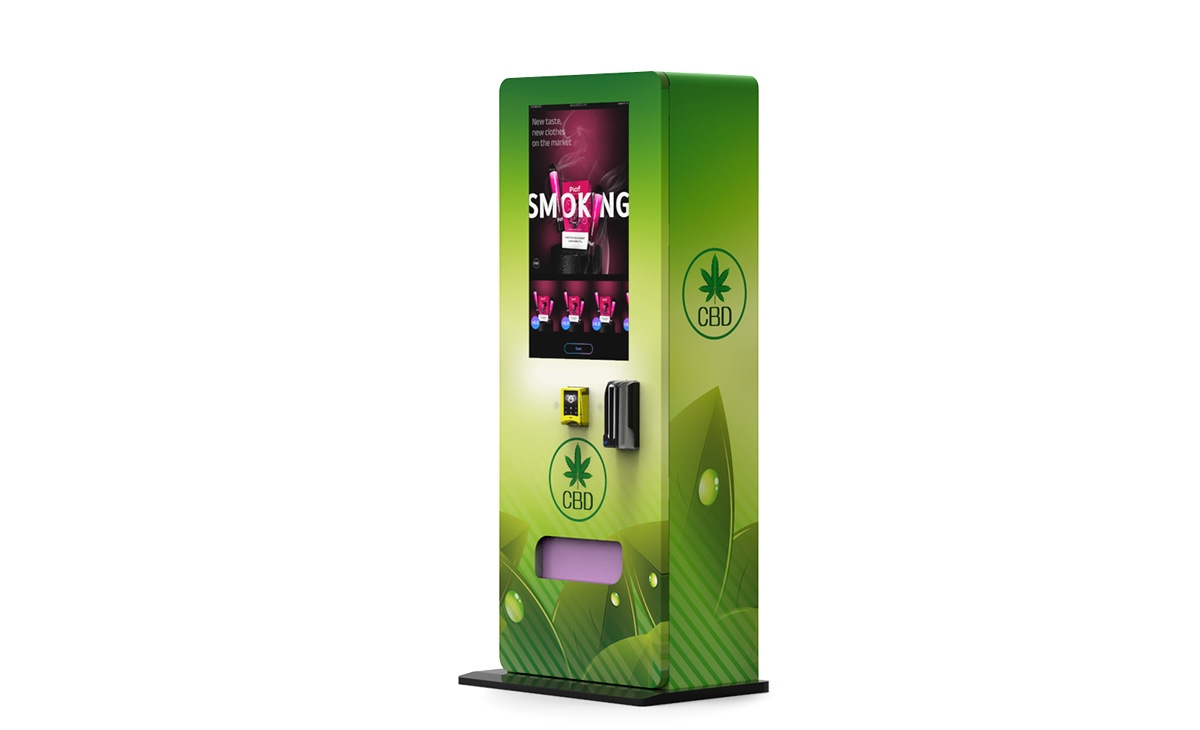
I generally recommend buying your first machine if you can afford it. Leasing can seem attractive, but the monthly payments eat into your margin, and you often have less flexibility to move the machine or switch products. Revenue share models work well for locations that demand a cut, but only if the volume justifies it.
How to Select a Vending Machine Supplier
Not all suppliers are created equal. I have dealt with manufacturers who promised world-class support and then took three weeks to respond to a simple parts request. Here is what I look for when evaluating a supplier.
Warranty and Support
A minimum one-year warranty on parts and labor is standard. Some suppliers offer extended warranties for an additional cost. I prefer suppliers with local service networks or at least a responsive remote diagnostics team. Zhongda Smart offers a two-year warranty on their refrigerated units, which is better than most. That kind of coverage can save you hundreds of dollars in repair costs during the critical first years of operation.
Telemetry and Payment Integration
Modern healthy vending machines should come with built-in telemetry that tracks inventory levels, sales data, and machine health in real time. This feature alone can cut your restocking labor by 30% because you only visit machines when they actually need attention. Make sure the machine supports contactless payments, Apple Pay, Google Pay, and major credit cards. Cash-only machines are dying fast in 2026.
Customization and Product Flexibility
Your machine should allow you to adjust temperature zones, change product layouts, and update pricing remotely. Some suppliers lock you into proprietary software that makes it hard to switch product types. I avoid those. Look for open-platform machines that give you full control.
Common Mistakes I Have Seen New Operators Make
Over the years, I have watched dozens of people enter this business with enthusiasm and leave with empty pockets. Here are the most common errors.
Buying the Cheapest Machine Available
A low upfront price often means higher downtime and expensive repairs later. I once bought a budget machine that looked fine on paper but had a poorly insulated refrigeration unit. It failed after eight months, and the repair cost was nearly half the purchase price. You are better off spending a bit more on a reliable brand. Self-service kiosk technology has improved significantly, but cheap components still fail too often.
Ignoring the Product Mix
Healthy vending is not just about putting “healthy” labels on products. You need to understand what your specific audience wants. I placed a machine in a corporate office that was full of vegan snacks, only to find out the employees preferred high-protein options and kombucha. After two months of low sales, I swapped 40% of the inventory and revenue doubled. Test small batches first and track what sells.
Underestimating Restocking Labor
Fresh food vending requires more frequent restocking than traditional vending. You may need to visit a machine two or three times per week if it carries perishable items. If you are running multiple machines across a wide geographic area, the logistics can eat into your profits quickly. Plan your route efficiently, or consider hiring a part-time restocker once you have more than five machines.
Not Checking Local Regulations
In the United States, vending machines that sell food are subject to local health department regulations. Some states require permits, temperature logs, and ingredient labeling. In Europe, regulations vary by country. France, for example, has strict rules about distributeur automatique placement in public buildings. I recommend checking with your local health authority before placing your first machine. A simple phone call can save you from fines or forced removal.
Using Sales Data to Improve Performance
One advantage of modern vending machines is the data they generate. After the first month of operation, you should have a clear picture of which products sell and which sit on the shelf. I review sales data weekly during the first three months, then monthly once the machine stabilizes. If a product has less than 10% sell-through rate after two restocks, I replace it. If a machine consistently underperforms despite product changes, the location may be the problem. I have moved machines that were in the wrong spot and seen revenue jump by 50% within two weeks.
Data also helps you adjust pricing. I once raised the price of a popular protein shake by USD 0.50 and saw no drop in sales volume. That extra margin added over USD 100 per month to the machine’s profit. Small tweaks add up.
What to Expect in 2026 and Beyond
The healthy vending market is not going to slow down. According to a IBISWorld industry report, vending machine operators in the U.S. have seen steady growth, with healthy and fresh food segments outperforming traditional categories. In Europe, the trend is similar, especially in countries like Germany and the Netherlands where consumers prioritize sustainability and nutrition.
I expect to see more machines with touchscreen interfaces, dynamic pricing based on time of day, and integration with loyalty apps. The automated retail space is moving toward a more personalized experience. Operators who adapt will thrive. Those who stick with outdated equipment and product selections will struggle to compete.
FAQ: Healthy Vending Machine Business
Is a healthy vending machine business profitable?
Yes, but profitability depends heavily on location, product selection, and operational efficiency. In my experience, a well-run machine can generate USD 1,200 to USD 3,500 per month in revenue, with gross margins between 35% and 55%. Payback periods typically range from 14 to 22 months.
How much does a healthy vending machine cost?
A new refrigerated healthy vending machine with card reader and telemetry costs between USD 5,000 and USD 14,000. Refurbished units can be found for USD 3,500 to USD 6,000, but may have higher maintenance costs. Budget an additional USD 500 to USD 1,500 for installation and initial inventory.
How long does it take to break even?
Based on my own machines, break-even typically occurs between 14 and 22 months. This assumes a mid-range machine cost, moderate location commission, and consistent sales. High-traffic locations with premium products can break even faster, while low-traffic spots may take over two years.
Should a beginner buy or lease a vending machine?
If you have the capital, buying is usually better in the long run. Leasing reduces upfront risk but eats into monthly margins. I recommend buying a single mid-range machine first, testing it for six months, and then expanding if the numbers work.
Where should I place a healthy vending machine?
Look for locations with high foot traffic, dwell time, and a health-conscious demographic. Corporate offices, gyms, hospitals, universities, and transit hubs are strong candidates. Avoid locations with subsidized cafeterias or heavy existing vending competition.
What permits do I need?
Requirements vary by country and region. In the U.S., you typically need a business license, a sales tax permit, and possibly a health department permit if you sell fresh food. In Europe, check local regulations for borne en libre-service or machine en libre-service placement. Always verify with your local authorities before launching.
How do I choose a vending machine supplier?
Look for a supplier with a solid warranty (at least one year), responsive customer support, and machines with built-in telemetry. I have had good experiences with Zhongda Smart for refrigerated units. Compare multiple suppliers, read reviews, and ask for references before purchasing.
What happens if the machine breaks down?
Most modern machines have remote diagnostics that can identify common issues. For mechanical problems, you will need a local repair technician or a supplier with a service network. I recommend building a relationship with a local vending machine repair service before you need one. Keep spare parts like card readers and compressor fans on hand.
How can I reduce restocking and maintenance costs?
Use telemetry to track inventory in real time so you only visit machines when needed. Optimize your product mix to reduce spoilage. Plan efficient restocking routes if you have multiple machines. Regular cleaning and preventive maintenance can also reduce costly emergency repairs.
Final Thoughts from a Decade in the Business
Healthy vending is not a get-rich-quick scheme. It is a real business that requires attention to detail, a willingness to learn from mistakes, and a commitment to understanding your customers. I have seen operators succeed by starting small, testing locations carefully, and scaling only when the data supports it. I have also seen people lose money by rushing into contracts and buying cheap equipment. The difference is usually preparation and patience.
If you are serious about building a Best Healthy Vending Machine Business in 2026, start with one machine, track everything, and treat it like a business from day one. The market is there. The demand is real. But success comes from execution, not just enthusiasm.
This article was updated in February 2026. All cost figures and revenue estimates are based on my personal experience operating vending machines in the United States and Western Europe. Individual results will vary based on location, market conditions, and operational choices. This content is for informational purposes only and does not constitute financial or legal advice.