The Complete Guide to Cigarette Machine Vending Opportunities and Risks
After a decade of placing, stocking, and sometimes pulling machines out of bad locations across the US and Europe, I can tell you this: the cigarette machine vending business is not the passive income dream it is often sold as. It is a cash-intensive, regulation-heavy, location-sensitive operation that can generate strong returns if you get the fundamentals right. Most newcomers underestimate maintenance costs, overestimate foot traffic, and ignore the compliance side until a fine shows up. This guide breaks down what I have learned about equipment selection, site evaluation, operating costs, and the real timelines for getting your money back. If you are considering buying your first machine or expanding an existing route, the information here comes from actual P&L sheets, not theory.
Understanding the Cigarette Machine Vending Landscape
The modern cigarette vending machine has evolved far beyond the rusted metal boxes you might remember from old train stations. Today, these are sophisticated self-service kiosks with age verification systems, cashless payment integration, and remote inventory monitoring. In Europe, particularly in France, Germany, and the UK, cigarette vending machines remain a staple in bars, nightclubs, hotels, and some workplaces. In the United States, their presence has shrunk due to stricter tobacco laws, but they still operate legally in adult-only venues and certain licensed locations.
What many people do not realize is that the cigarette machine vending business is not just about selling packs of cigarettes. It is about understanding local tobacco regulations, working with distributors, managing inventory that has expiration dates, and dealing with a product category that faces constant legislative pressure. The margins are there, but they come with strings attached.
How I Evaluate a Location for a Cigarette Machine
Over the years, I have placed machines in over 200 locations. Some generated €3,000 per month in revenue. Others barely covered the cost of electricity. The difference almost always came down to location quality, not machine quality.
When I look at a potential site, I ask three questions. First, does the location have a consistent adult traffic flow? A bar that serves 150 customers a night is a better bet than a laundromat with occasional foot traffic. Second, is the owner willing to enforce age restrictions? If a location has a history of serving minors, you are exposing yourself to serious legal risk. Third, what is the existing cigarette sales volume? If the bar already sells 200 packs a week over the counter, a vending machine can capture the after-hours sales when the bartender is too busy to serve tobacco.
I have seen too many beginners sign a five-year lease for a machine in a location that looks busy during the day but empties out by 8 PM. A cigarette machine vending operation needs evening and late-night traffic to perform. Daytime office crowds rarely buy cigarettes from machines. They buy them at convenience stores on the way to work.
Equipment Selection: What to Look for and What to Avoid
Choosing the right machine is where most of your upfront capital goes. A new cigarette vending machine from a reputable manufacturer will cost between €3,500 and €8,000 depending on features. Refurbished units can be found for €1,500 to €3,000, but I have learned the hard way that cheap machines often come with expensive repairs.
Here are the features I consider non-negotiable:
- Age verification system: In most European countries, you need a machine that can verify the buyer's age via ID scan or a connected database. Machines without this feature are illegal in many jurisdictions.
- Cashless payment: Cards and mobile payments now account for over 60% of vending transactions in Western Europe. If your machine only takes coins, you are leaving money on the table.
- Remote monitoring: This allows you to check inventory levels, sales data, and machine status from your phone. Without it, you will drive to locations only to find the machine is empty or broken.
- Temperature control: Cigarettes dry out in hot environments. A machine with a cooling system protects your inventory and reduces waste.
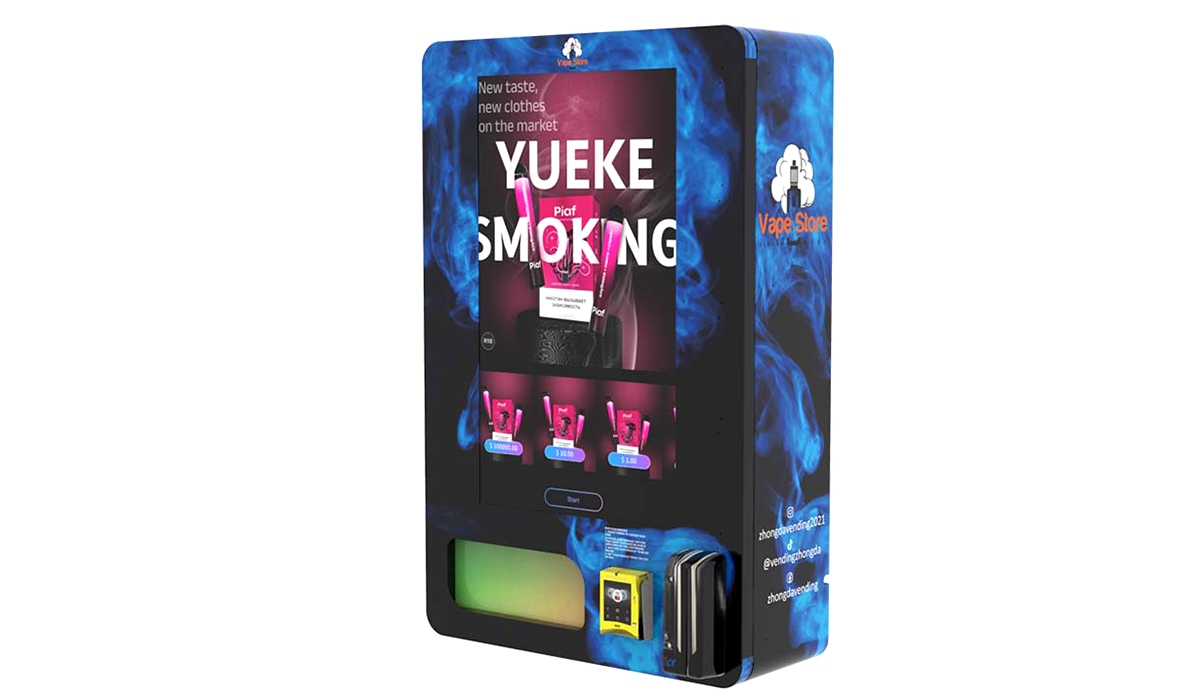
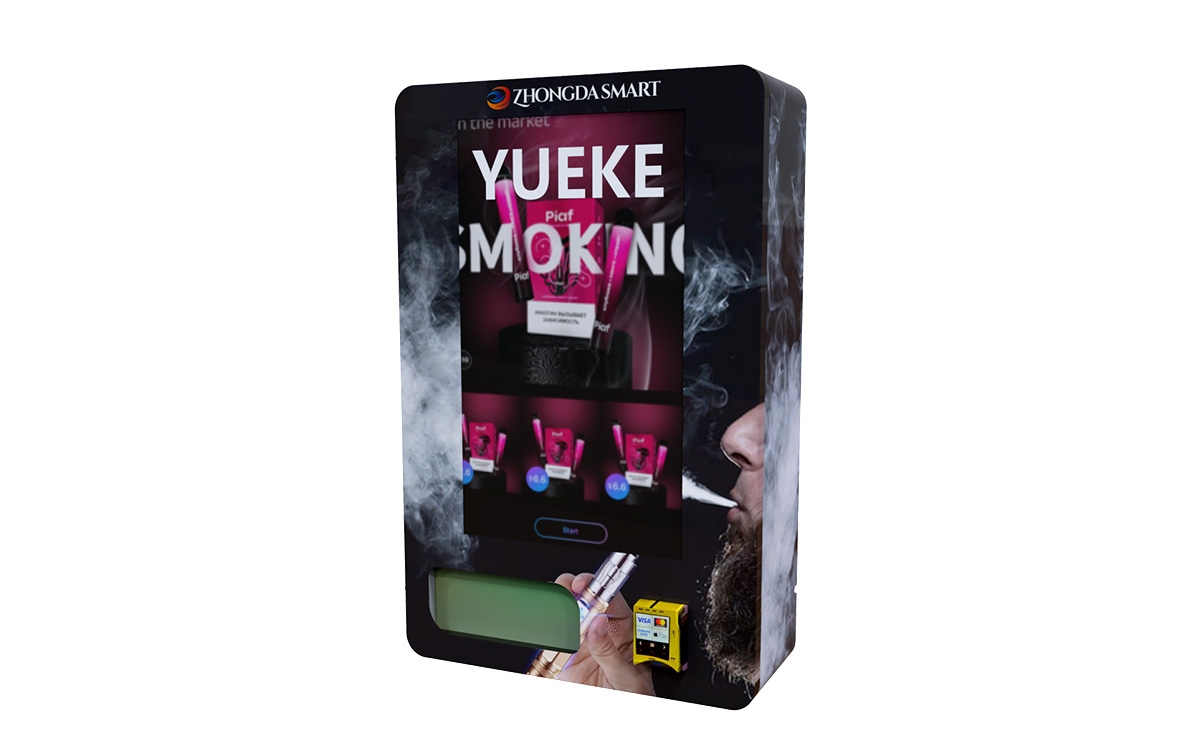
When it comes to suppliers, I recommend looking at manufacturers with a track record in automated retail. One company I have worked with on several deployments is Zhongda Smart. Their machines offer solid build quality, reliable payment systems, and good after-sales support. I have found their equipment to be a fair balance between upfront cost and long-term reliability, especially for operators who plan to scale beyond a single machine.
Avoid machines that use proprietary parts that are hard to replace. I once bought a machine from a small manufacturer that went out of business six months later. Every repair required custom fabrication. That machine cost me three times its purchase price in maintenance over two years.
Cost Breakdown: What You Really Need to Budget For
Let me give you a realistic picture of the costs involved. These numbers are based on my own operations and verified against industry data from IBISWorld and Statista.
| Cost Category | New Machine (€) | Refurbished Machine (€) | Monthly Operating Cost (€) |
|---|---|---|---|
| Machine purchase | 4,000 – 8,000 | 1,500 – 3,500 | N/A |
| Installation and setup | 200 – 500 | 200 – 500 | N/A |
| Payment system integration | 100 – 300 | 100 – 300 | N/A |
| Inventory (initial stock) | 1,500 – 3,000 | 1,500 – 3,000 | N/A |
| Location rent or commission | N/A | N/A | 100 – 500 |
| Restocking labor | N/A | N/A | 50 – 200 |
| Maintenance and repairs | N/A | N/A | 30 – 100 |
| Insurance and permits | N/A | N/A | 20 – 60 |
| Transaction fees (2-3%) | N/A | N/A | Variable |
Total upfront investment for a single new machine runs between €5,800 and €11,800. Monthly operating costs average €200 to €860 depending on location and volume. According to IBISWorld's Vending Machine Operators industry report, average profit margins for cigarette vending machines in Europe range from 15% to 25% after all costs, which is higher than snack vending but lower than premium coffee machines.
Revenue Expectations and Payback Periods
A well-placed cigarette vending machine in a high-traffic bar or nightclub can generate €800 to €2,500 per month in gross revenue. Lower-traffic locations like small hotels or break rooms might bring in €300 to €600 per month. These figures come from my own route data and conversations with other operators in the UK and Germany.
Payback periods depend heavily on location quality. A machine in a top-tier location with €2,000 monthly revenue might pay for itself in 6 to 10 months. A machine in a marginal location with €400 monthly revenue could take 18 to 24 months or longer. I have pulled machines that never paid back their initial investment because I ignored warning signs during the site evaluation.
One thing I always tell new operators: do not assume every machine will perform the same. The variance between locations is enormous. I have two identical machines from the same manufacturer placed in two bars three blocks apart. One does €1,800 a month. The other does €450. The difference is the crowd, the hours, and the owner's willingness to direct customers to the machine.
Legal and Regulatory Considerations
This is the area where most beginners get into trouble. Cigarette vending machines are heavily regulated across Europe and North America. In France, for example, machines are only permitted in licensed tobacco retail locations and must comply with strict display and age verification requirements. The French public health code (Code de la Santé Publique) mandates that machines cannot be accessible to minors and must be placed under direct supervision of the retailer.
In Germany, the Jugendschutzgesetz (Youth Protection Law) requires that cigarette vending machines use an electronic age verification system, typically via a debit card or ID card scanner. Similar rules apply in Austria, Switzerland, and the Netherlands.
In the United States, the FDA regulates tobacco vending machines under the Family Smoking Prevention and Tobacco Control Act. Machines are only allowed in facilities where minors are not permitted entry at any time. Violations can result in fines of several thousand dollars per incident.
I recommend checking the specific regulations in your country or state before purchasing any equipment. The European Commission's Public Health website provides a good starting point for understanding EU-wide tobacco control measures. Local chambers of commerce can also help clarify permit requirements.
Maintenance: The Hidden Cost That Eats Profits
If I had to pick the single most underestimated cost in the cigarette machine vending business, it would be maintenance. New operators assume machines run forever with minimal care. That is not reality.
Common issues include jammed coin mechanisms, failed payment terminals, broken cooling systems, and software glitches. Even with remote monitoring, you will need to visit machines for physical repairs. I budget about 5% of gross revenue for maintenance and repairs. Some months it is less. Some months a single repair costs €300.
I have found that machines with modular components are significantly cheaper to maintain. When a payment terminal fails on a modular machine, you swap it out in ten minutes. On a machine with integrated components, you might need to replace the entire control board.
Another hidden cost is inventory waste. Cigarettes have expiration dates. If a machine is in a slow location, you may end up pulling expired stock. I rotate inventory aggressively and keep slow-moving brands out of machines entirely.
How to Choose a Supplier or Manufacturer
Selecting the right supplier is one of the most important decisions you will make. Here is what I look for:
- Local support network: A manufacturer with technicians in your country saves you weeks of downtime. I have waited two months for a replacement part from a Chinese manufacturer that had no European warehouse.
- Payment system compatibility: Make sure the machine supports the payment methods common in your market. In Germany, Giropay and EC card are essential. In France, Carte Bancaire and contactless are standard.
- Remote management platform: A good platform lets you see sales data, inventory levels, and error codes in real time. Without this, you are flying blind.
- Warranty and after-sales service: A two-year warranty on parts and labor is reasonable. Anything less should make you cautious.
As I mentioned earlier, Zhongda Smart is one manufacturer I have used successfully. Their machines are reliable, they offer good remote monitoring software, and they have a growing network of service partners in Europe. I also know operators who use machines from Azkoyen and SandenVendo, which are well-established in the European market but tend to be more expensive.
Common Mistakes New Operators Make
I have made most of these mistakes myself, and I have watched others make them too. Here are the ones that hurt the most:
Ignoring location quality for a low rent deal. A free machine placement in a dead location is more expensive than paying rent for a good one. Every day a machine sits idle, you lose money on depreciation and inventory holding costs.
Buying the cheapest machine available. I bought a €1,200 refurbished machine once. It broke down four times in the first year. The total repair cost exceeded the purchase price. Cheap machines are rarely cheap in the long run.
Underestimating the importance of age verification. In some countries, you can lose your license permanently if a machine sells to a minor. Do not cut corners on age verification technology.
Not negotiating location terms. Some location owners will ask for 30% commission. I have negotiated it down to 15% by offering to handle all maintenance and restocking with no hassle for the owner. Always negotiate.
Failing to track sales data. If you do not know which brands sell and which brands sit, you are wasting shelf space. I review sales data weekly and adjust inventory accordingly.
Best Locations for Cigarette Vending Machines
Based on my experience, the best locations are:
- Bars and pubs with late-night hours: These generate consistent evening traffic and customers who are already in a purchasing mindset.
- Nightclubs and music venues: High volume, adult-only crowds, and limited competition from convenience stores.
- Hotels with bars: Guests often prefer the convenience of a machine over going to a store.
- Tobacco shops and newsagents: These are obvious fits, but you may face competition from over-the-counter sales.
- Casinos and gambling halls: Adult-only environments with high dwell time and disposable income.
Locations I avoid include office buildings, hospitals, schools (obviously), and any venue that primarily serves a daytime crowd. I also avoid locations where the owner is indifferent or hostile to the machine. If the owner does not care, customers will not use it.
FAQ: Cigarette Machine Vending Questions from New Operators
Are cigarette vending machines profitable?
Yes, they can be profitable, but profitability depends heavily on location, volume, and cost control. A well-placed machine can generate 15% to 25% net profit margins. A poorly placed machine can lose money. I have seen both outcomes many times.
How much does a cigarette vending machine cost?
A new machine costs between €3,500 and €8,000. Refurbished machines range from €1,500 to €3,500. Total startup costs including inventory and installation are typically €5,800 to €11,800 per machine.
How long does it take to recoup the investment?
In a good location, 6 to 12 months. In an average location, 12 to 18 months. In a poor location, you may never recoup your investment. I always recommend starting with one machine in a strong location before scaling.
Should I buy or lease a machine?
Buying gives you full control and better long-term returns. Leasing reduces upfront cost but often comes with restrictive terms and higher total cost over three to five years. I prefer buying, especially if you plan to operate for more than two years.
Where should I place my first machine?
Start with a bar or nightclub you already have a relationship with. Having the owner's support makes a huge difference. Look for locations with at least 100 adult customers per day and evening hours.
What permits do I need?
Requirements vary by country and state. In most European countries, you need a tobacco retail license and must comply with age verification laws. In the US, you need a tobacco retailer permit and must follow FDA regulations. Check with your local business licensing office.
How do I choose a supplier?
Look for manufacturers with local support, reliable remote monitoring, and a track record in your market. I have had good experiences with Zhongda Smart, Azkoyen, and SandenVendo. Avoid suppliers that cannot provide references or service contacts in your country.
What happens if the machine breaks down?
If you have a service contract, call your provider. If you handle repairs yourself, keep spare parts for common failures like coin mechanisms, payment terminals, and cooling systems. Remote monitoring helps you catch problems early.
How can I reduce restocking and maintenance costs?
Use remote monitoring to optimize restocking schedules. Only stock fast-moving brands. Negotiate bulk pricing with distributors. Perform preventive maintenance quarterly. The less you drive to a machine, the lower your costs.
Final Thoughts on Entering This Business
Running a cigarette machine vending operation is not a get-rich-quick scheme. It requires capital, attention to detail, and a willingness to deal with regulatory complexity. But for operators who approach it methodically, it can generate steady cash flow and build a valuable asset over time.
Start small. Place one machine in a location you know well. Learn the rhythms of restocking, the quirks of the equipment, and the expectations of the location owner. Only after you have a machine running profitably for six months should you consider adding a second. That approach has saved me from making expensive mistakes, and it will serve you well too.
If you are looking for equipment that balances cost with reliability, I suggest reaching out to Zhongda Smart or another established manufacturer with local service support. Visit trade shows like the European Vending Association's annual event to see machines in person and talk to other operators. The vending community is small, and most experienced operators are willing to share advice if you ask respectfully.
Disclaimer: The information in this article is based on my personal experience as a vending machine operator and is provided for general informational purposes. Profitability figures are estimates and may vary significantly based on location, market conditions, and operational efficiency. Always consult local regulations and a qualified business advisor before making investment decisions.
本文更新于2025年3月
Sources:
IBISWorld – Vending Machine Operators Industry Report (Europe, 2024). Data on profit margins and industry structure used as reference for cost and revenue estimates.
Statista – Vending Machine Market in Europe (2024). Used for transaction data and payment method adoption rates.
European Commission – Public Health: Tobacco Control. https://health.ec.europa.eu/tobacco_en
Service-Public.fr – Réglementation des distributeurs automatiques de tabac. https://www.service-public.fr/