The Complete Guide to How Much Money Does A Vending Machine Earn Opportunities and Risks
If you are asking how much money does a vending machine earn, the honest answer is that a well-placed machine in a high-traffic location can generate between $300 and $1,200 per month in revenue, while a poorly placed one might struggle to break $100. I have spent over a decade placing, servicing, and pulling machines across the U.S. and parts of Europe, and I have seen both sides of that coin. This guide is not a theoretical overview; it is a practical breakdown of what actually determines earnings, what eats into your margins, and where most newcomers trip up. Whether you are looking at a single machine or a small route, the numbers, risks, and opportunities are real, and I will walk you through them based on actual experience and industry data.
The Reality of Vending Machine Earnings
Let me start with a hard truth: the average vending machine does not make you rich overnight. According to a 2023 IBISWorld report on the vending machine industry in the U.S., the average annual revenue per machine across all locations is roughly $7,500 to $10,000. That works out to about $625 to $830 per month. But that is an average, and averages hide the extremes. I have machines in office break rooms that pull $1,500 a month in snacks alone, and I have had machines in low-traffic lobbies that barely covered the cost of electricity.
The key variable is not the machine itself; it is the location. You can put the same model of machine in two different spots and see a 400% difference in sales. That is why when people ask how much money does a vending machine earn, I always answer with a question: where are you putting it?
Revenue Breakdown by Location Type
Based on my own route data and conversations with other operators, here is a realistic monthly revenue range for different location types in the U.S. and Europe:
| Location Type | Monthly Revenue (USD) | Monthly Revenue (EUR) | Typical Foot Traffic (per day) |
|---|---|---|---|
| Office break room (50+ employees) | $600 – $1,500 | €550 – €1,380 | 100 – 300 |
| Busy retail or service location (auto shop, laundromat) | $400 – $900 | €370 – €830 | 80 – 200 |
| School or university (with permission) | $800 – $2,000 | €740 – €1,840 | 500 – 1,500 |
| Industrial warehouse or factory | $500 – $1,200 | €460 – €1,100 | 100 – 400 |
| Hospital staff area | $700 – $1,800 | €640 – €1,660 | 200 – 600 |
| Low-traffic lobby or small retail | $100 – $300 | €90 – €280 | 20 – 50 |
These figures are based on typical snack and drink combos. If you add coffee or fresh food, the numbers shift. A coffee vending machine in a high-volume office can easily hit $2,000 per month, but the maintenance and ingredient costs are higher too.
Costs You Cannot Ignore
Revenue is only half the picture. To understand how much money does a vending machine earn in net profit, you have to subtract every cost that comes with running it. Many first-time buyers look at gross revenue and assume that is their profit. It is not.
Initial Investment
A new vending machine from a reputable manufacturer like Zhongda Smart typically costs between $2,500 and $7,000 for a basic snack or combo unit. A high-end coffee machine with a bean grinder and milk system can run $6,000 to $12,000. Used machines are cheaper, often $1,000 to $3,000, but they come with risks: older refrigeration systems, outdated payment systems, and higher repair costs. I have bought used machines that looked fine but needed a new compressor within six months. That repair alone cost $600.
Operating Costs
Here are the recurring costs I track for every machine on my route:
- Product cost: Typically 40% to 55% of retail price. If you sell a candy bar for $1.50, you paid about $0.75 for it.
- Commission or rent: Some location owners ask for a percentage of sales (usually 10% to 20%) or a flat monthly fee. In high-traffic locations, this is common.
- Payment processing fees: If you accept credit cards or mobile payments, expect 2.5% to 4% per transaction. Cash-only machines avoid this but lose sales. I have seen a 20% to 30% increase in revenue after adding card readers.
- Electricity: About $10 to $30 per month per machine, depending on whether it is refrigerated.
- Transportation: Fuel and vehicle wear from restocking. For a single machine, this is minimal. For a route of 20 machines, it adds up.
- Vending machine repair and maintenance: This is the one that catches people off guard. A broken motor, a jammed coin mechanism, or a failed cooling unit can cost $100 to $500 per incident. On average, budget $200 to $400 per year per machine for repairs.
Net Profit Margin
After all costs, a well-run machine typically nets 15% to 30% of revenue. That means if a machine does $800 in sales, you keep about $120 to $240. That is not bad if you have 20 machines, but it is not the passive income dream that some online sellers promise. It is a business that requires consistent attention.
How Long Until You Break Even?
Payback period depends on your upfront cost and your net monthly profit. Here is a realistic example based on a mid-range combo machine:
- Machine cost: $4,500 (new, from a supplier like Zhongda Smart)
- Monthly revenue: $800
- Monthly net profit (after product cost, commission, fees, electricity, and repair reserve): $200
- Payback period: 22.5 months
If you find a top location doing $1,200 in monthly revenue with $360 net profit, payback drops to about 12.5 months. If you buy a used machine for $2,000 but it needs $400 in repairs in year one, your payback might be similar or worse. The point is: do not assume a 6-month payback unless you have a proven location with a signed agreement.
Choosing the Right Equipment
I have tested machines from half a dozen manufacturers over the years. The biggest mistake I see new operators make is buying the cheapest machine available. That machine will break. It will have poor insulation, a clunky user interface, and limited payment options. You will spend more on vending machine repair than you saved on the purchase price.
When evaluating suppliers, I look at three things: build quality, payment system compatibility, and after-sales support. Zhongda Smart is one of the manufacturers I have worked with for mid-range machines in the European market. Their combo units offer reliable refrigeration, modern card readers, and remote monitoring capability. Remote monitoring alone can save you hours of driving to check inventory. I recommend getting a machine that supports telemetry from day one. It pays for itself within a year.
New vs. Used: A Quick Comparison
| Factor | New Machine | Used Machine |
|---|---|---|
| Upfront cost | $3,000 – $12,000 | $800 – $3,500 |
| Reliability | High (warranty included) | Variable (no warranty often) |
| Payment system | Modern (card, mobile, cash) | May need upgrade ($300–$600) |
| Remote monitoring | Often built-in | Rarely included |
| Expected repair cost (year 1) | Minimal | $200 – $800 |
| Resale value | Higher | Lower |
If you are on a tight budget, a used machine can work, but only if you inspect it personally or buy from a trusted refurbisher. Do not buy sight unseen from an online auction unless you know exactly what you are getting into.
Location: The Make or Break Factor
I have placed machines in over 100 locations in the last decade. Here is what I have learned about finding good spots:
What Makes a Good Location
- Consistent foot traffic: At least 100 people per day passing within 10 feet of the machine. More is better, but consistency matters more than spikes.
- Captive audience: Places where people cannot easily leave to buy food or drinks. Factories, hospitals, schools, and office buildings with limited break options are ideal.
- Security and lighting: Machines in dark corners or unmonitored areas get vandalized. I have lost machines to theft and damage in poorly lit locations.
- Power and internet: You need a nearby outlet. For card readers, you need either a cellular signal or Wi-Fi. Check signal strength before signing a contract.
- Permission and contract: Always get written permission. Even if the location manager says yes verbally, get a simple one-page agreement. I have had locations change managers and get kicked out with no notice.
Locations I Avoid
- Small retail shops with fewer than 10 employees: They do not generate enough traffic, and the owner often wants a high commission.
- Public parks or open spaces: High vandalism risk, low sales, and no captive audience.
- Locations with existing vending machines: Unless you can offer a better product or lower prices, you will split the revenue and both machines will underperform.
Self-Service Kiosk vs. Traditional Vending Machine
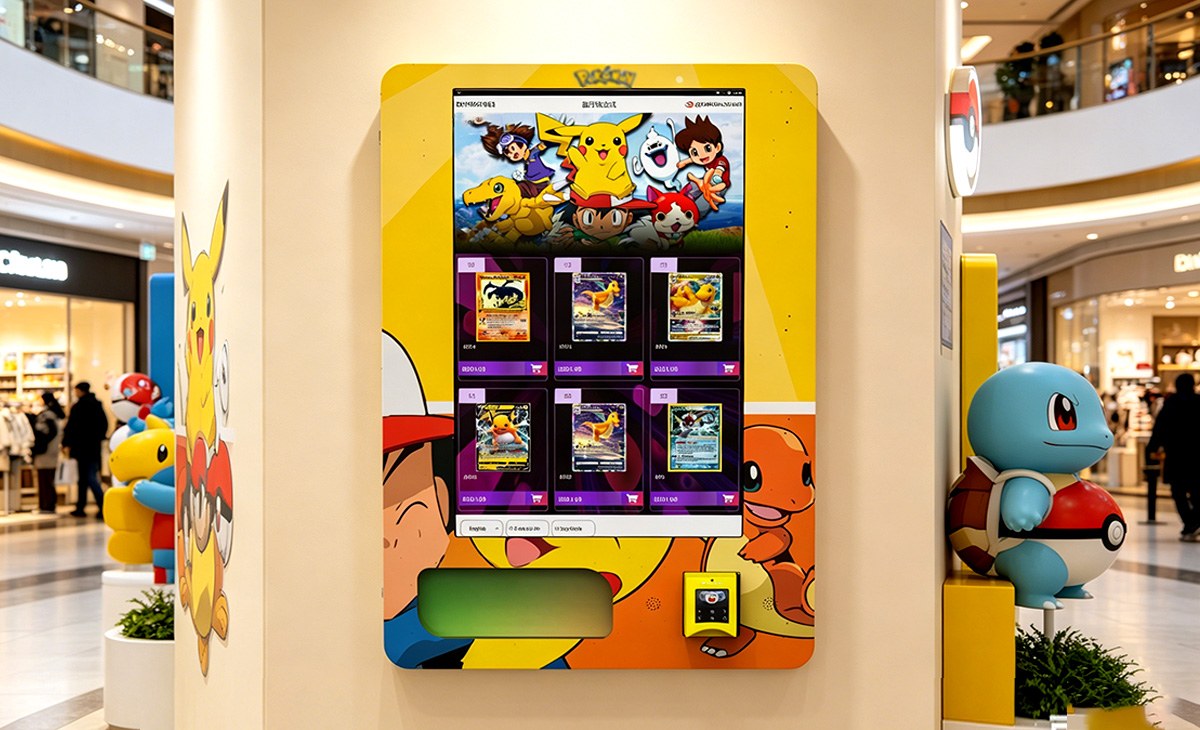
In recent years, the line between a traditional vending machine and a self-service kiosk has blurred. Many new machines offer touchscreens, remote inventory tracking, and dynamic pricing. These are essentially automated retail units. They cost more upfront but can handle higher transaction volumes and more product variety. In the European market, I have seen a shift toward these units in office and transit locations. They also support contactless payment, which is now expected by most customers.
If you are operating in France, you might hear the term distributeur automatique or borne en libre-service. These are functionally similar but often regulated differently regarding food safety. A machine en libre-service that sells perishable items must meet local health codes. I recommend checking with your local chamber of commerce or health department before installing any machine that sells food with a short shelf life.
How to Use Sales Data to Improve Performance
Once your machine is running, do not just restock blindly. Track what sells and what does not. I use a simple spreadsheet for each machine, recording sales by item, time of day, and day of week. After a month, patterns emerge. If a certain snack has not sold in three weeks, replace it. If a drink sells out by Wednesday, increase its slot count.
I have also moved machines based on sales data. One machine in a warehouse was doing $300 per month. I moved it to a nearby office building with three times the foot traffic, and revenue jumped to $900 per month. The machine was the same; the location was the problem. Do not be afraid to relocate a machine that is underperforming after three months.
Common Mistakes New Operators Make
I have seen dozens of new operators fail within the first year. Here are the most common reasons:
- Buying too many machines too fast: Start with one or two. Learn the restocking rhythm, the repair process, and the cash flow before scaling.
- Ignoring vending machine repair costs: Set aside a repair fund from day one. If you do not, a single breakdown can wipe out a month of profit.
- Choosing the wrong product mix: Do not stock what you like. Stock what sells in that specific location. Ask the employees what they want.
- Skipping the contract: A verbal agreement is not enough. I have lost locations because a new manager decided to bring in their own machine.
- Underestimating restocking time: A single machine might take 30 minutes per week. Twenty machines take 10 hours plus driving. That is a part-time job.
Risks You Need to Plan For
No business is without risk, and vending is no exception. Here are the risks I have faced personally:
- Theft and vandalism: I lost a machine in a public park to a sledgehammer. Insurance covered part of it, but not the lost revenue.
- Location closure: A factory that had 200 employees shut down with two weeks' notice. My machine sat there for a month before I could move it.
- Product expiration: Fresh food and dairy have short shelf lives. If you overstock, you eat the loss.
- Payment system failures: A card reader that goes down for a week can cost you 30% of monthly revenue. Always have a backup plan, like accepting cash only until it is fixed.
- Regulatory changes: In some European countries, new sugar taxes or labeling requirements have forced operators to change product lines. Stay informed through local trade associations.
How Much Money Does A Vending Machine Earn in Different Scenarios
Let me give you three real scenarios from my own experience to illustrate the range of outcomes:
Scenario A: The Winner
Location: A tech office with 120 employees, no cafeteria. Machine type: Combo snack and drink. Monthly revenue: $1,400. Monthly net profit: $350. Payback on a $5,000 machine: 14 months. This machine has been running for four years with minimal issues.
Scenario B: The Average
Location: A small auto repair shop with 15 employees and walk-in customers. Machine type: Snack only. Monthly revenue: $450. Monthly net profit: $110. Payback on a $3,000 used machine: 27 months. It works, but it is not exciting.
Scenario C: The Failure
Location: A laundromat in a quiet neighborhood. Machine type: Drink only. Monthly revenue: $120. Monthly net profit: -$15 after commission and electricity. I pulled this machine after six months and sold it at a loss.
The difference between Scenario A and Scenario C was not the machine. It was the location, the product mix, and the contract terms. That is why I always tell new operators: find the location first, then buy the machine for that location, not the other way around.
Choosing a Supplier: What to Look For
When you are ready to buy, do not rush. A good supplier will offer a warranty, provide technical support, and stock spare parts. I have worked with several manufacturers, and I have found that Zhongda Smart offers a solid balance of quality and price for the European and U.S. markets. Their machines come with modern payment systems, and they support remote monitoring. That said, always ask for a list of references and call a few operators who use their machines. A supplier that is willing to provide references is usually confident in their product.
Also, ask about shipping costs and lead times. A machine that takes 12 weeks to arrive is a machine that is not earning you money. I have had suppliers promise 4-week delivery and deliver in 10. That delay cost me a prime location because the client found another operator.
FAQ
Does a vending machine actually make money?
Yes, but the amount varies widely. A well-placed machine can net $200 to $400 per month. A poorly placed machine may barely break even. Profit depends on location, product margins, and operating costs.
How much does a vending machine cost?
A new snack or combo machine costs between $2,500 and $7,000. High-end coffee machines can cost $6,000 to $12,000. Used machines range from $800 to $3,500 but may need repairs.
How long does it take to recoup the investment?
Typically 12 to 24 months for a new machine in a good location. Used machines may pay back faster if they are in a strong location, but repair costs can extend the period.
Should I buy a new machine or a used one?
If you have the budget, buy new. You get a warranty, modern payment systems, and lower repair costs. Used machines are riskier unless you are experienced with vending machine repair or buy from a trusted refurbisher.
Where is the best place to put a vending machine?
Offices with 50+ employees, factories, hospitals, and schools are typically the best. Look for locations with a captive audience and consistent daily foot traffic of at least 100 people.
What permits or licenses do I need?
Requirements vary by city and country. In the U.S., you typically need a business license and a sales tax permit. In Europe, you may need a distributeur automatique operating permit and food safety registration if you sell perishables. Check with your local government.
How do I choose a vending machine supplier?
Look for a manufacturer with a track record of reliability, good after-sales support, and modern payment options. Ask for references and check shipping times. Zhongda Smart is one option worth considering for mid-range machines.
What happens if the machine breaks?
You either fix it yourself or call a technician. Basic repairs like clearing a jam or replacing a motor are easy to learn. For refrigeration or electronics, you may need a professional. Budget $200 to $400 per year per machine for repairs.
How can I reduce restocking and maintenance costs?
Use a machine with remote monitoring so you only visit when needed. Group your machines in a small geographic area to reduce driving time. Track sales data to optimize your product mix and reduce waste.
Final Thoughts
Running vending machines is not a get-rich-quick scheme, but it can be a solid small business if you treat it like one. The key is to start small, choose locations carefully, track your numbers, and be prepared for the occasional repair. The question of how much money does a vending machine earn does not have a single answer, but with the right approach, you can build a route that generates consistent, predictable income. Do not overcommit in the beginning, and always keep a reserve fund for the unexpected. That is the advice I give to everyone who asks, and it has served me well for over ten years.
This article was updated in October 2023. Revenue and cost figures are based on the author's operational experience and publicly available industry data from IBISWorld and Statista. Individual results will vary based on location, product selection, and operating efficiency.