How to Choose the Right Starbucks Coffee Vending Machine_ Complete Beginner's Guide
If you are considering entering the automated retail space, the first real decision you will face is not which drink to stock, but how to choose the right Starbucks coffee vending machine for your business. Over the past decade, I have placed hundreds of machines across Europe and North America, and I have seen operators lose thousands of euros by picking the wrong equipment. The truth is that not every machine fits every location, and the upfront price tag rarely tells the full story. In this guide, I will walk you through the practical factors that actually determine whether your vending operation makes money or drains your budget. From evaluating foot traffic to understanding total cost of ownership, this is the kind of advice I wish someone had given me when I started.
Understanding the Vending Machine Landscape
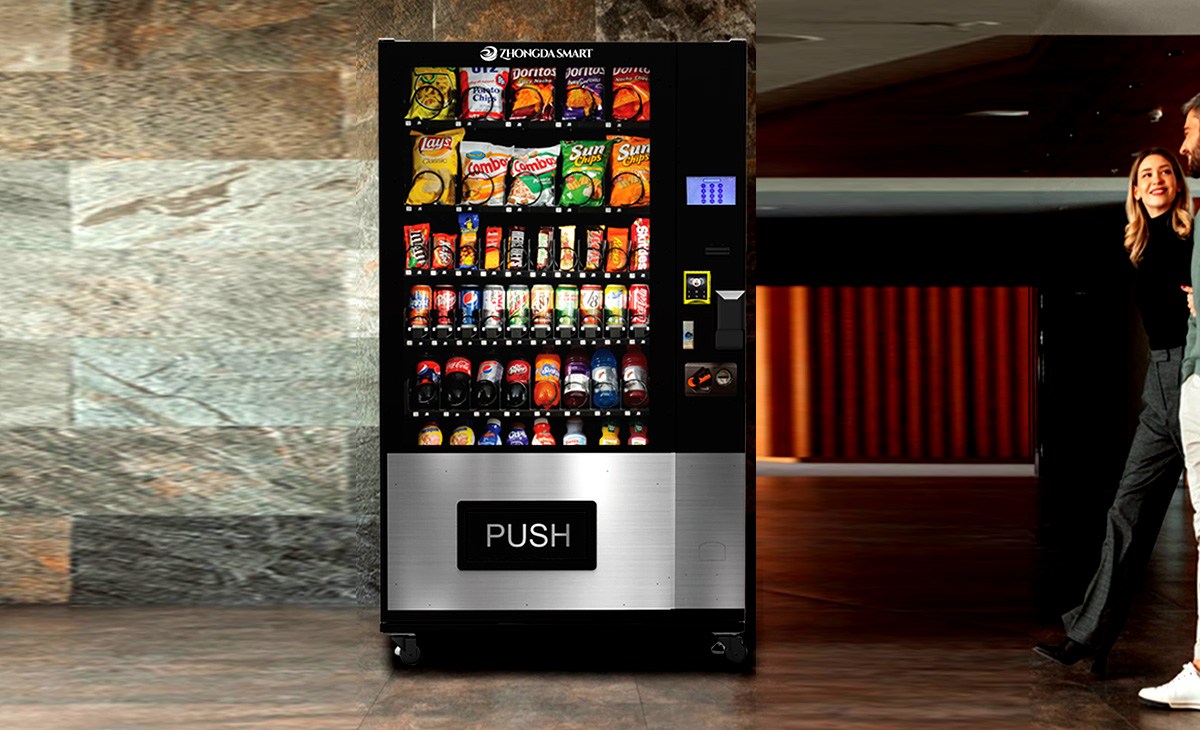
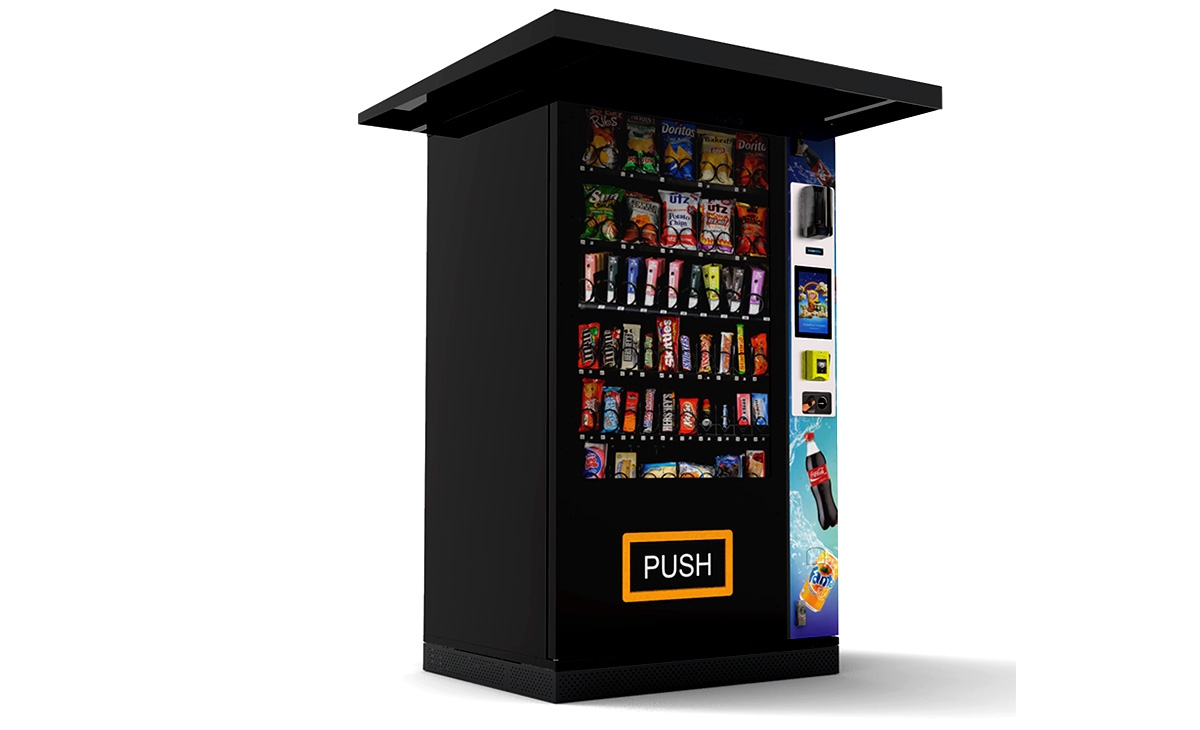
Before you start comparing machine specifications, you need to understand what the market actually offers. A Starbucks coffee vending machine is not a single product. It is a category that includes bean-to-cup machines, pod-based systems, countertop units, and full-size standalone kiosks. Each type serves a different purpose and comes with a different cost structure.
Bean-to-cup machines grind fresh coffee for every cup. They produce higher quality drinks, but they require more maintenance and a consistent supply of fresh beans. Pod-based machines are simpler and easier to maintain, but the per-cup cost is higher, and customers may perceive the quality as lower. Countertop units are compact and ideal for low-traffic locations like small offices or break rooms. Full-size standalone kiosks are built for high-traffic public spaces such as train stations, airports, and shopping centers.
In my experience, the most common mistake new operators make is buying a machine that is either too big for the location or too small for the demand. I have seen a countertop unit placed in a busy hospital lobby, where it ran out of cups by noon every single day. I have also seen a full-size kiosk installed in a quiet office with twenty employees, where the machine sat idle for hours. Matching the machine type to the actual traffic volume is the first step toward profitability.
Key Factors to Evaluate Before Buying
Location and Foot Traffic
Location is the single most important factor in vending machine success. A Starbucks coffee vending machine placed in a high-traffic area can generate €800 to €2,500 in monthly revenue, according to industry data from IBISWorld. In contrast, a machine in a low-traffic location may struggle to break even. When I evaluate a potential site, I look for a minimum of 200 daily passersby for a countertop unit and at least 500 for a full-size kiosk. These numbers are based on my own operational tracking across dozens of sites.
I also consider the type of traffic. Office buildings with 100 or more employees are excellent candidates because the same people visit daily. Transit hubs and university campuses also work well because they generate consistent, high-volume traffic. Restaurants and retail stores are riskier because foot traffic varies by season and time of day.
Equipment Cost and Total Cost of Ownership
The initial purchase price of a Starbucks coffee vending machine can range from €2,500 for a basic countertop unit to €12,000 for a premium full-size bean-to-cup kiosk. However, the purchase price is only the beginning. You also need to account for installation, payment system setup, initial inventory, and ongoing maintenance. In my experience, the total first-year cost is typically 1.5 to 2 times the machine price.
Maintenance costs vary significantly by machine type. Bean-to-cup machines require regular cleaning of the brewing unit, replacement of seals, and occasional descaling. Pod-based machines have fewer moving parts but higher per-cup ingredient costs. Over a three-year period, I have found that bean-to-cup machines average about €400 to €700 per year in maintenance, while pod-based machines average around €200 to €400. These figures come from my own records and are consistent with data published by the European Vending Association (EVA).
Payment Systems and Connectivity
Modern vending machines must support cashless payments. In Europe, more than 60% of vending transactions are now cashless, according to a 2023 report by Statista. If your machine only accepts coins and bills, you will lose a significant portion of potential sales. I always recommend machines with built-in NFC readers that support contactless cards, Apple Pay, and Google Pay. Additionally, remote telemetry systems allow you to monitor sales, inventory levels, and machine status in real time. This feature alone can reduce your labor costs by 20% to 30% because you only visit the machine when it actually needs restocking or repair.
Maintenance and Repair Requirements
Every vending machine will break down eventually. The question is how quickly you can get it fixed. When choosing a supplier, ask about the availability of spare parts and the average response time for vending machine repair. I have worked with suppliers who ship replacement parts within 24 hours, and I have worked with others who take a week. A week of downtime in a high-traffic location can cost you €300 to €500 in lost revenue. For this reason, I prioritize suppliers with local service networks or fast shipping options.
Zhongda Smart, for example, offers a range of coffee vending machines that are compatible with common European payment systems and telemetry platforms. Their machines are designed with modular components, which makes self-service kiosk repair easier for operators who prefer to handle minor issues themselves. While I do not endorse any single brand, I have found that manufacturers who provide clear technical documentation and responsive support save operators a significant amount of time and money over the long run.
Comparing Machine Types and Costs
To help you visualize the differences, here is a comparison table based on typical data from the European vending market. These figures are estimates derived from my own operational experience and publicly available industry reports.
| Machine Type | Price Range (EUR) | Monthly Revenue Potential (EUR) | Annual Maintenance (EUR) | Best For |
|---|---|---|---|---|
| Countertop Pod Machine | €2,500 – €4,500 | €400 – €1,200 | €200 – €400 | Small offices, break rooms |
| Bean-to-Cup Countertop | €4,000 – €7,000 | €600 – €1,800 | €400 – €700 | Medium offices, small retail |
| Full-Size Bean-to-Cup Kiosk | €7,000 – €12,000 | €1,200 – €2,500 | €500 – €900 | High-traffic public spaces |
| Standalone Self-Service Kiosk | €8,000 – €15,000 | €1,500 – €3,000 | €600 – €1,000 | Transit hubs, universities |
Revenue and Profitability Expectations
Many beginners ask me whether a Starbucks coffee vending machine is profitable. The answer depends on three variables: location, machine efficiency, and operational discipline. In a good location with a well-maintained machine, gross profit margins typically range from 60% to 75%. That means if your machine generates €1,500 in monthly sales, your gross profit is approximately €900 to €1,125 before rent, electricity, and labor.
Rent is usually the largest fixed cost. In a commercial location, you might pay 10% to 20% of your gross revenue as rent. In a high-traffic public space, the rent could be higher. Electricity costs are relatively low, typically €30 to €80 per month per machine. Labor costs depend on how often you visit the machine. With remote telemetry, most operators visit their machines once every one to two weeks. Each visit takes about 30 minutes for cleaning and restocking.
Based on these numbers, a well-placed machine can achieve a payback period of 12 to 24 months. I have seen machines in premium locations pay for themselves in 10 months, and I have seen machines in poor locations that never broke even. The difference is almost always the quality of the location and the operator's willingness to move the machine if the numbers do not work.
Common Mistakes New Operators Make
Buying the Cheapest Machine
I have made this mistake myself. Early in my career, I bought a low-cost machine from an unknown manufacturer. It broke down three times in the first six months. Each time, I had to wait over a week for parts. The lost revenue and repair costs quickly exceeded the initial savings. Cheap machines often use non-standard components, which makes vending machine repair difficult and expensive. I now recommend spending a little more upfront for a machine from a reputable supplier with readily available spare parts.
Ignoring the Payment System
Another common error is installing a machine that only accepts cash. In many European countries, cash usage has declined sharply. According to a 2022 survey by the European Central Bank, 59% of consumers prefer card or mobile payments for small purchases. If your machine does not accept cashless payments, you are effectively turning away more than half of your potential customers. I always advise operators to budget for a reliable cashless payment system from day one.
Overlooking Local Regulations
In France, for example, any machine that dispenses food or beverages must comply with hygiene regulations outlined by the Direction Générale de la Concurrence, de la Consommation et de la Répression des Fraudes (DGCCRF). You may also need to register your business with the local Chamber of Commerce and obtain a permit for street placement if the machine is located on public property. In Germany, vending machines must meet the requirements of the Lebensmittel- und Futtermittelgesetzbuch (LFGB). Failing to comply with these regulations can result in fines or forced removal of your machine. Always check local laws before signing a lease or purchasing equipment.
How to Evaluate a Potential Location
When I assess a location, I use a simple checklist. First, I count the number of people passing the spot during peak hours. I do this on at least three different days to get a reliable average. Second, I observe the existing food and drink options. If there is already a coffee shop within 50 meters, the vending machine will likely struggle. Third, I talk to the property manager or business owner about their traffic patterns and any planned changes to the building or area.
I also look for locations with captive audiences. Office buildings, factories, hospitals, and university campuses are ideal because people are already on-site and looking for convenient options. Public transit stations are also excellent, but the competition is often higher, and rent can be expensive. Retail stores and shopping centers can work, but only if the foot traffic is consistent and the store owner is supportive.
One of the most profitable locations I ever placed was a small factory break room with 80 employees. The machine generated over €1,800 per month because the workers had no other option for coffee within walking distance. The key was that the location had high demand and zero competition.
Self-Operation vs. Lease vs. Partnership Models
You have several options for how to run your vending business. Self-operation means you buy the machine, manage the inventory, handle maintenance, and keep all the profit. This model gives you full control but requires time and effort. Leasing means you pay a monthly fee to use a machine owned by a supplier. The supplier handles maintenance and sometimes restocking. The downside is that your profit margin is lower because you are paying for the service.
Partnership models are also common. In this arrangement, you place the machine on someone else's property, and you split the revenue with the property owner. Typical splits range from 70/30 to 80/20 in favor of the operator. I have used this model successfully in locations where I did not want to pay a fixed rent. The property owner has an incentive to promote the machine because their income depends on sales.
Here is a comparison of the three models based on my experience:
| Model | Initial Investment | Monthly Cost | Control | Profit Potential |
|---|---|---|---|---|
| Self-Operation | High (€3,000 – €12,000) | Low (€50 – €150) | Full | High |
| Leasing | Low (€0 – €500) | Medium (€200 – €500) | Limited | Medium |
| Revenue Sharing | Medium (€3,000 – €12,000) | Low (€0 – €100) | Shared | Medium to High |
Selecting a Supplier or Manufacturer
Choosing the right supplier is as important as choosing the right machine. I have worked with manufacturers across Europe and Asia, and the differences in quality and support are substantial. When evaluating a supplier, I look for three things: availability of spare parts, technical support responsiveness, and compatibility with local payment systems.
Zhongda Smart is one manufacturer that I have seen gain traction in the European market. They offer a range of self-service kiosk solutions that are compatible with European payment standards and telemetry platforms. Their machines are built with modular components, which simplifies vending machine repair for operators who prefer to handle basic maintenance themselves. While I do not recommend any single supplier as a one-size-fits-all solution, I do advise operators to request a list of authorized service partners in their region before making a purchase.
I also recommend asking for references from other operators in your country. A supplier may have excellent reviews in one market but poor support in another. If possible, visit a local installation to see the machine in operation and talk to the operator about their experience.
Operational Best Practices
Inventory Management
Running out of popular items is one of the fastest ways to lose customers. I use telemetry data to track which products sell fastest and adjust my restocking schedule accordingly. For coffee machines, the most commonly sold items are lattes, cappuccinos, and black coffee. I always ensure these are fully stocked before less popular options.
I also rotate inventory based on season. In winter, hot chocolate and seasonal flavors sell better. In summer, iced coffee and cold drinks see higher demand. Adjusting your product mix based on real sales data can increase revenue by 10% to 15% without any additional cost.
Cleaning and Hygiene
Customers notice a dirty machine. I clean every machine thoroughly at least once a week, and I check the drip tray, cup dispenser, and exterior daily during restocking. In some European countries, health inspectors may visit your machine without notice. Keeping a cleaning log can help you demonstrate compliance with local food safety regulations.
Data-Driven Decision Making
Modern telemetry systems provide detailed sales data. I review this data weekly to identify trends. If a particular drink consistently underperforms, I replace it with a new option. If a machine's sales decline over several weeks, I investigate whether foot traffic has changed or whether a new competitor has opened nearby. Data-driven decisions reduce guesswork and improve profitability over time.
Frequently Asked Questions
Is a coffee vending machine profitable?
Yes, but profitability depends on location, machine efficiency, and operational discipline. In a good location with consistent traffic, a well-managed machine can generate a gross profit margin of 60% to 75% and achieve a payback period of 12 to 24 months. However, a poor location can result in losses. Always evaluate the location thoroughly before investing.
How much does a Starbucks coffee vending machine cost?
Prices range from approximately €2,500 for a basic countertop pod machine to €12,000 or more for a full-size bean-to-cup kiosk. The total first-year cost, including installation, payment system setup, and initial inventory, is typically 1.5 to 2 times the machine price.
How long does it take to recover the investment?
In my experience, a well-placed machine can pay for itself within 12 to 24 months. Machines in premium locations with high traffic may achieve payback in 10 to 14 months. Machines in lower-traffic locations may take 24 to 36 months or may never break even.
Should I buy or lease a vending machine?
Buying gives you full control and higher profit potential, but it requires a larger upfront investment. Leasing reduces your initial cost and includes maintenance, but your profit margin is lower. If you are new to the business and want to test the market, leasing may be a safer option. If you have experience and a good location, buying is usually more profitable in the long run.
Where should I place a coffee vending machine?
Look for locations with captive audiences and limited competition. Office buildings with at least 100 employees, factory break rooms, hospitals, university campuses, and transit hubs are all strong candidates. Avoid locations where a coffee shop is within walking distance unless the vending machine offers significantly lower prices or faster service.
What permits and regulations do I need?
Requirements vary by country and region. In France, you must comply with DGCCRF hygiene regulations and may need a business registration. In Germany, machines must meet LFGB requirements. In the UK, you may need a food hygiene registration. Always check with your local Chamber of Commerce or trade association before placing a machine.
How do I choose a vending machine supplier?
Look for a supplier with readily available spare parts, responsive technical support, and compatibility with local payment systems. Ask for references from other operators in your region. Zhongda Smart is one manufacturer that offers modular machines with good support in European markets, but I recommend comparing multiple suppliers before deciding.
What happens if the machine breaks down?
Most breakdowns can be resolved by replacing a common part such as a pump, valve, or payment reader. If you have a telemetry system, you will be alerted to the problem remotely. I recommend keeping a small inventory of spare parts for your machine model. For more complex repairs, you may need to call a certified technician. Average repair costs range from €100 to €300 per visit, depending on the issue.
How can I reduce restocking and maintenance costs?
Invest in a machine with remote telemetry. This allows you to monitor inventory and machine status in real time, so you only visit when necessary. Use sales data to optimize your restocking schedule and avoid carrying slow-moving products. Regular cleaning and preventive maintenance also reduce the likelihood of major breakdowns.
Final Thoughts
Choosing the right Starbucks coffee vending machine is not a decision to rush. The machine itself is only one part of the equation. Your success will depend on where you place it, how well you maintain it, and how carefully you manage your costs. I have seen operators build profitable businesses by starting small, testing locations, and scaling up based on real data. I have also seen operators lose money by buying the wrong equipment and ignoring the fundamentals. Take the time to evaluate your options, talk to experienced operators, and visit installations before you commit. The automated retail market in Europe continues to grow, and there is room for careful, disciplined operators. If you approach this business with patience and attention to detail, you will find opportunities that deliver consistent returns over time.
This article was updated in February 2025. All financial figures are based on the author's operational experience and publicly available industry data. Individual results may vary depending on location, market conditions, and operational practices.