How to Choose the Right Smart Store Vending Machine_ Complete Beginner's Guide
If you are considering entering the automated retail space, you have probably asked yourself one question more than any other: how do I choose the right smart store vending machine? After spending over a decade placing, breaking, fixing, and sometimes pulling machines out of bad locations across the United States and Europe, I can tell you that the answer is never about the machine itself. It is about the location, the payment system, the maintenance plan, and the type of product you sell. A vending machine is just a tool. How you use it determines whether you make money or lose it. In this guide, I will walk you through everything I have learned the hard way, so you can avoid the mistakes that cost beginners thousands of dollars.
Understanding the Smart Store Vending Machine Landscape
The term "smart store vending machine" gets thrown around a lot these days. Some people think it means a machine with a touchscreen. Others think it means a machine that accepts credit cards. In reality, a smart vending machine is a self-service kiosk that connects to the internet, processes payments digitally, tracks inventory in real time, and allows remote monitoring. These machines have completely changed the economics of automated retail. Ten years ago, you had to visit every machine to check stock. Today, you can see sales data from your phone.
This shift matters because it changes the break-even calculation. Older machines require more labor. Smart machines reduce labor costs but come with higher upfront prices. The key is understanding which trade-offs make sense for your specific situation. I have seen operators go bankrupt buying expensive smart machines for low-traffic locations. I have also seen operators thrive with basic machines in high-traffic spots. The machine is never the magic. The location and the operational plan are.
What Is a Smart Store Vending Machine and Where Does It Fit?
A smart store vending machine is essentially a small, automated retail store that operates 24/7 without staff. It can sell snacks, drinks, fresh food, electronics, personal care items, or even hot meals depending on the configuration. The "smart" part refers to telemetry, remote inventory tracking, cashless payment acceptance, and sometimes temperature monitoring and dynamic pricing.
These machines fit into a wide range of commercial scenarios. I have placed them in office buildings, warehouses, gyms, hotels, hospitals, university dormitories, transit stations, and even remote construction sites. Each scenario has different requirements. An office building might need a machine that handles fresh food and coffee. A gym might prefer a machine that sells protein bars and bottled water. A transit station needs high-capacity, fast-recovery machines that can handle peak hours.
The mistake most beginners make is buying one type of machine and trying to force it into every location. That approach almost always fails. You need to match the machine to the environment, not the other way around.
Common Commercial Scenarios for Smart Vending Machines
- Office buildings and co-working spaces – high repeat traffic, need fresh food and coffee options
- Gyms and fitness centers – health-conscious audience, prefer protein snacks and water
- Hospitals and clinics – 24-hour demand, need reliable refrigeration and hygiene compliance
- Hotels and hostels – convenience-focused, prefer contactless payment and late-night availability
- Transit hubs and train stations – high volume, need fast restocking and durable hardware
- Schools and universities – price-sensitive audience, need portion control and healthy options
- Warehouses and factories – shift workers, need high-capacity machines with heavy-duty components
Does a Vending Machine Business Actually Make Money?
This is the question everyone wants answered. The short answer is yes, but only if you do the math correctly. According to data from IBISWorld, the vending machine industry in the United States generates approximately $7 billion in annual revenue, with an average profit margin of around 15% to 20% for well-run operations. However, those numbers reflect established operators with optimized routes and good locations. Beginners often see much lower margins in the first year.
In my experience, a single smart vending machine in a decent location can generate between $300 and $1,200 in monthly revenue, depending on the product mix and foot traffic. After accounting for product costs, credit card processing fees, electricity, and maintenance, the net profit typically falls between $100 and $400 per machine per month. That does not sound like a lot, but when you scale to 20 or 30 machines, the numbers become meaningful.
The real money in vending comes from route density. One machine in a remote location with low traffic will barely break even. Twenty machines within a five-mile radius, serviced in a single day, can produce a solid return. The machine itself is only part of the equation.
Realistic Profit Estimates Based on Location Type
| Location Type | Monthly Revenue Range | Estimated Net Profit | Typical Payback Period |
|---|---|---|---|
| Office building (200+ employees) | $600 – $1,200 | $150 – $400 | 12 – 18 months |
| Gym or fitness center | $400 – $800 | $100 – $250 | 18 – 24 months |
| Transit station (high traffic) | $800 – $1,500 | $200 – $450 | 10 – 16 months |
| Warehouse or factory | $500 – $1,000 | $120 – $300 | 14 – 20 months |
| Hospital (24-hour access) | $700 – $1,300 | $180 – $350 | 12 – 18 months |
| Small retail shop (low traffic) | $200 – $400 | $50 – $120 | 24 – 36 months |
These figures are based on my own operational experience and should be treated as estimates. Actual results vary significantly based on rent, product margins, local competition, and foot traffic patterns.
Key Factors to Consider Before Buying a Smart Store Vending Machine
I have made almost every mistake a vending operator can make. I bought cheap machines that broke constantly. I placed machines in locations that looked good on paper but had zero foot traffic. I ignored payment system compatibility and lost sales. Here are the factors I now check before buying any machine.
Location Evaluation Comes First
Never buy a machine before you have a location secured. I know that sounds obvious, but I have seen beginners buy three machines and then scramble to find spots. That almost always leads to bad placements. Evaluate the location first. Count foot traffic at different times of day. Talk to the property owner about rent or commission. Check if there is existing vending competition. A location with 500 people passing per day but no vending competition is better than a location with 2,000 people and three existing machines.
Payment System Compatibility
In the United States and Europe, cashless payment is no longer optional. According to a 2023 report by Statista, over 80% of vending transactions in the United States are now cashless. If your machine only accepts coins and bills, you will lose a significant portion of sales. Make sure the machine supports NFC, Apple Pay, Google Pay, and major credit cards. Some smart machines come with built-in payment terminals. Others require a separate payment module. Factor that cost into your budget.
Machine Durability and Build Quality
I learned this lesson the hard way. I bought a low-cost machine from an unknown manufacturer, and within six months, the compressor failed, the touchscreen stopped responding, and the payment terminal kept crashing. The repair costs exceeded the purchase price. Now I only buy machines from manufacturers with a proven track record in the European or North American market. Zhongda Smart is one of the suppliers I have worked with that builds machines specifically designed for continuous commercial use. Their machines use industrial-grade compressors and tested payment interfaces, which reduces vending machine repair frequency significantly.
Refrigeration and Food Safety Compliance
If you plan to sell perishable items like sandwiches, salads, or dairy products, your machine must meet local food safety regulations. In the European Union, that means compliance with Regulation (EC) 852/2004 on food hygiene. In the United States, the FDA regulates vending machines that sell potentially hazardous foods. Temperature monitoring and automatic shutoff features are not optional. They are legal requirements. Check with your local health authority before stocking perishable items.
Cost Breakdown: What You Actually Pay
Let me give you a realistic cost breakdown based on what I have paid over the years. These numbers come from actual purchases and operational expenses in the United States and Western Europe.
Initial Equipment Cost
- Basic smart vending machine (snacks and drinks) – $3,000 to $6,000
- Advanced smart vending machine with touchscreen and telemetry – $6,000 to $12,000
- Refrigerated fresh food vending machine – $8,000 to $15,000
- Combination machine (snacks, drinks, fresh food) – $10,000 to $18,000
- High-capacity machine for transit hubs – $12,000 to $25,000
Ongoing Operational Costs
- Product cost – typically 40% to 55% of retail price
- Credit card processing fees – 2.5% to 4% per transaction
- Electricity – $20 to $60 per month depending on refrigeration and lighting
- Internet connectivity – $10 to $30 per month for cellular or Wi-Fi
- Maintenance and repairs – $200 to $600 per year per machine
- Location commission or rent – 5% to 20% of gross sales, or a fixed monthly fee
Hidden Costs Beginners Miss
I have seen operators forget to budget for installation, which can cost $200 to $500 depending on the location. Delivery fees, especially for heavy machines, add another $150 to $400. If you need to modify the site for electrical or internet access, that can run $500 to $2,000. Always ask about these costs before committing to a machine purchase.
How to Evaluate a Vending Machine Supplier
Choosing the right supplier is more important than choosing the right machine. A good supplier will help you with installation, provide technical support, and offer spare parts quickly. A bad supplier will leave you with a broken machine and no way to fix it.
Here is what I look for in a supplier:
- Local or regional service network – If the machine breaks, can someone be there within 48 hours?
- Compatibility with local payment systems – Does the machine support the payment terminals used in your country?
- Spare parts availability – Are common parts like compressors, touchscreens, and payment modules in stock?
- Warranty terms – A minimum of one year on parts and labor is standard. Two years is better.
- References from other operators – Ask for contact information of existing customers in your region.
I have worked with several manufacturers over the years. Zhongda Smart has been one of the more reliable suppliers for smart machines that integrate well with European and North American payment networks. Their machines are built with modular components, which makes vending machine repair faster and less expensive. That matters when you have a machine down and losing revenue.
Common Mistakes Beginners Make
I want to share a few real examples of mistakes I have made or seen others make. These are not hypothetical scenarios. They cost real money.
Mistake 1: Buying Cheap Machines
A friend of mine bought six machines from an online marketplace for $2,000 each. They looked fine in the photos. Within three months, three machines had compressor failures, two had payment system errors, and one stopped connecting to the network. The total repair cost was higher than the purchase price. He sold the remaining machines at a loss. Cheap machines are almost always more expensive in the long run.
Mistake 2: Ignoring Location Quality
I once placed a machine in a small office building with only 30 employees. The owner offered me zero rent and a 10% commission. I thought it was a safe bet. The machine generated $120 in monthly revenue. After product costs and fees, I made about $20 per month. It took over three years to recover the machine cost. That was a waste of capital that could have been deployed in a better location.
Mistake 3: Overlooking Payment System Issues
In Europe, payment systems vary significantly between countries. A machine that works perfectly in Germany might have compatibility issues in France. I learned this when I placed a machine in a French office building and discovered that the payment terminal did not support the local carte bancaire system. I lost two months of sales while waiting for a replacement terminal. Always verify payment compatibility before installation.
Mistake 4: Not Monitoring Sales Data
Smart machines generate data. If you do not use that data, you are flying blind. I have seen operators stock the same products for months without checking what actually sells. The result is stale inventory, expired products, and lost revenue. Check your sales data weekly. Rotate products based on performance. Remove items that do not sell within two weeks.
How to Choose the Right Machine Configuration
The configuration of your machine should match the location and the target customer. Here is a simple framework I use.
- High-traffic transit locations – Choose a high-capacity machine with multiple rows and fast restocking capability. Avoid machines with complex interfaces that slow down transactions.
- Office buildings – Choose a machine with fresh food and coffee options. Employees want variety. A machine that only sells chips and soda will see declining sales over time.
- Gyms and health-focused locations – Choose a machine with a smaller footprint but strong refrigeration. Stock protein bars, bottled water, and healthy snacks. Avoid sugary drinks and candy.
- Hospitals and healthcare facilities – Choose a machine with easy-to-clean surfaces, temperature monitoring, and contactless payment. Hygiene is a top priority.
- Hotels and accommodation – Choose a machine with a sleek design and quiet operation. Guests do not want to hear a noisy compressor at 2 AM.
Understanding Payback Periods and ROI
Payback period is the amount of time it takes for the machine's net profit to equal its purchase price. For a smart vending machine costing $8,000, if the net monthly profit is $300, the payback period is approximately 27 months. That is a realistic timeline for a well-placed machine.
However, payback periods vary widely. A machine in a high-traffic transit hub might pay back in 10 months. A machine in a low-traffic location might take 36 months or more. I always aim for a payback period of 18 months or less. If the numbers do not support that, I walk away from the location.
Return on investment (ROI) is calculated over the machine's useful life, which is typically 5 to 7 years for a well-maintained smart machine. A machine that pays back in 18 months and generates profit for another 4 years is a good investment. A machine that takes 36 months to pay back leaves only 2 to 3 years of profit, which may not be worth the operational hassle.
Self-Operation vs. Lease vs. Revenue Sharing
There are three common ways to get into the vending business. Each has its pros and cons.
| Model | Upfront Cost | Control | Profit Potential | Risk Level |
|---|---|---|---|---|
| Self-operation (buy machine) | High ($3,000 – $25,000) | Full control | High | High |
| Lease machine from supplier | Low ($100 – $300/month) | Limited | Moderate | Low |
| Revenue sharing with location owner | None | None | Low | Very low |
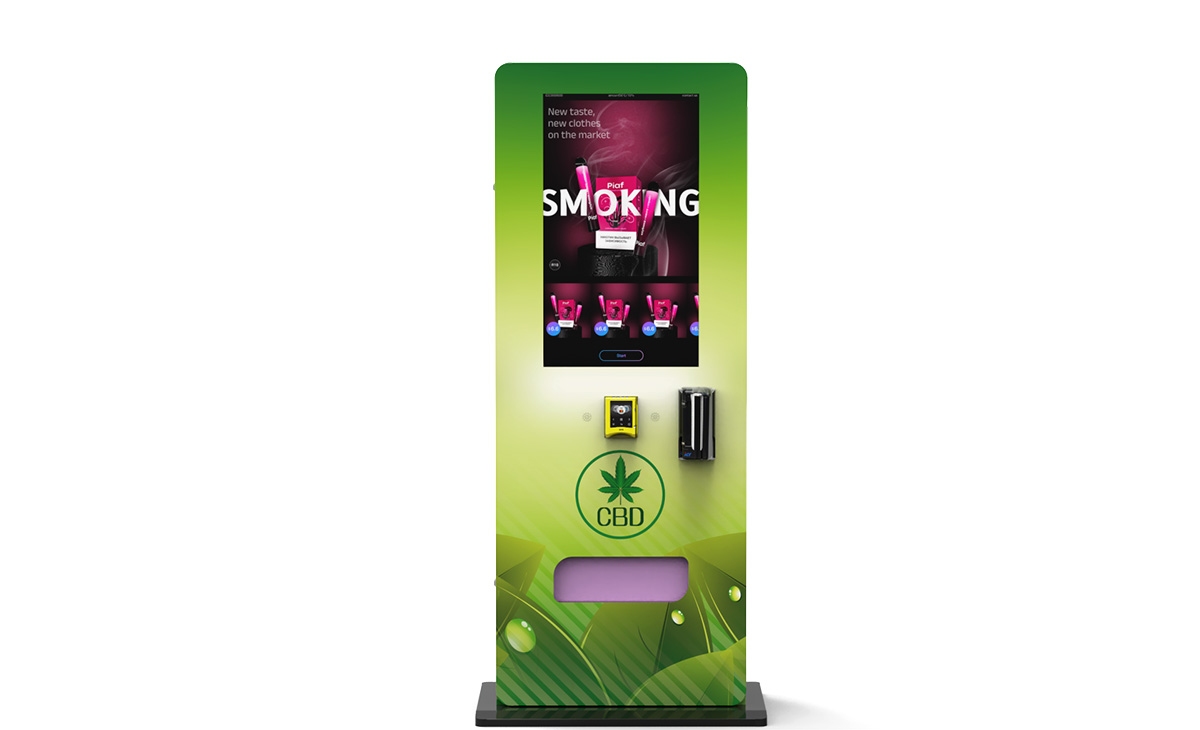
For beginners, I usually recommend starting with self-operation on a single machine in a proven location. Leasing can work if you want to test the market without a large upfront investment, but the monthly payments eat into your profit. Revenue sharing is rarely worth it unless you have no capital at all.
Maintenance and Repair: What to Expect
No machine runs forever. Even the best smart vending machines require occasional maintenance. Common issues include jammed vending mechanisms, failed compressors, payment terminal errors, and network connectivity problems.
In my experience, you should budget $200 to $600 per year per machine for maintenance and repairs. If you operate in a region with extreme temperatures, budget on the higher end. Heat is particularly hard on refrigeration systems.
For vending machine repair, I recommend building a relationship with a local technician before you need one. When a machine goes down, every day of downtime costs you money. A technician who knows your machine model can diagnose and fix issues quickly. If you buy from a supplier like Zhongda Smart, ask about their service network in your region before purchasing.
How to Use Sales Data to Improve Performance
Smart machines generate data. Use it. Check your sales reports weekly. Look for patterns. Which products sell fastest? Which items sit on the shelf for weeks? Adjust your product mix based on actual demand, not guesswork.
I also track sales by time of day. If a machine does most of its sales between 8 AM and 10 AM, I stock breakfast items. If sales peak at lunchtime, I focus on sandwiches and drinks. If sales are steady throughout the day, I maintain a balanced inventory.
If a machine consistently underperforms after three months of optimization, consider moving it to a different location. I have moved machines that went from losing money to generating $800 per month just by shifting them 500 meters to a busier spot.
Legal and Regulatory Considerations
Before placing a machine, check local regulations. In the European Union, vending machines that sell food must comply with EU food hygiene regulations. In the United States, the FDA requires temperature monitoring for machines that sell perishable items. Some cities require business licenses or permits for vending machines. Always verify with local authorities before installation.
In France, for example, any machine that sells food must be registered with the Direction Départementale de la Protection des Populations (DDPP). In Germany, the Gewerbeordnung requires a trade license for commercial vending. These requirements vary by region, so do your homework.
Final Thoughts on Choosing the Right Smart Store Vending Machine
Choosing the right smart store vending machine is not about finding the cheapest option or the most feature-packed model. It is about matching the machine to the location, understanding the total cost of ownership, and being realistic about revenue expectations. I have seen too many beginners jump in without doing the math, and I have seen them walk away frustrated and out of pocket.
Start small. Test one machine in a location you know well. Track everything. Learn the operational rhythm before scaling. The vending business is not a get-rich-quick scheme, but it can be a solid, repeatable source of income if you treat it like a real business.
If you are evaluating suppliers, look for one that offers reliable hardware, good warranty terms, and local service support. Zhongda Smart is one of the manufacturers I have used that meets those criteria, but always do your own due diligence. Talk to other operators. Visit a machine in the field if you can. The more you know before you buy, the fewer surprises you will face after.
Frequently Asked Questions
Are smart store vending machines profitable?
Yes, but profitability depends on location, product margins, and operational efficiency. A well-placed machine can generate $100 to $400 in net profit per month. Poorly placed machines may barely break even.
How much does a smart vending machine cost?
Prices range from $3,000 for a basic model to $25,000 for a high-capacity machine with advanced features. Most beginners spend between $6,000 and $12,000 per machine.
How long does it take to recoup the investment?
Payback periods typically range from 12 to 24 months for well-placed machines. Locations with very high traffic can pay back in 10 months. Low-traffic locations may take 36 months or longer.
Should a beginner buy or lease a vending machine?
Buying gives you full control and higher profit potential, but requires more upfront capital. Leasing reduces risk but eats into monthly profit. I recommend buying one machine to start, if you have the capital.
Where are the best locations for vending machines?
Office buildings with 200+ employees, gyms, hospitals, transit stations, and warehouses tend to perform well. Always evaluate foot traffic and competition before committing to a location.
What permits or licenses do I need?
Requirements vary by country and city. In the EU, food hygiene regulations apply if you sell perishable items. In the US, the FDA regulates temperature-controlled machines. Check with local authorities before installation.
How do I choose a vending machine supplier?
Look for a supplier with a local service network, good warranty terms, compatible payment systems, and positive references from other operators. Ask about spare parts availability and typical repair response times.
What happens when the machine breaks?
You need a plan for vending machine repair. Budget $200 to $600 per year per machine for maintenance. Build a relationship with a local technician before you need one. Some suppliers offer service contracts.
How can I reduce maintenance costs?
Buy machines with modular components that are easy to repair. Avoid cheap machines with non-standard parts. Perform regular cleaning and inspections. Monitor temperature and payment system health remotely.
Can I run a vending business part-time?
Yes, many operators start part-time. With smart machines and remote monitoring, you can check sales data from your phone. However, you still need to visit machines for restocking and maintenance. Plan for weekly or bi-weekly visits.
This article was updated in March 2025. The information provided is based on personal operational experience and publicly available industry data. Revenue and cost figures are estimates and should not be taken as guarantees. Always conduct your own research before making investment decisions.
Data sources referenced in this article:
- IBISWorld – Vending Machine Operation Industry Report (2024)
- Statista – Share of cashless vending machine transactions in the United States (2023)
- European Commission – Regulation (EC) 852/2004 on food hygiene
- FDA – Food Code 2022: Vending Machine Requirements