Book Vending Machines_ Prices, Profit Potential, and Setup Guide for Beginners
After a decade in the vending business across the U.S. and Europe, I can tell you the single question I hear most often from newcomers is whether book vending machines actually make money. The short answer is yes—provided you understand the economics, the foot traffic requirements, and the maintenance realities before you buy your first machine. Book vending machines, sometimes called automated retail kiosks for books, have carved out a solid niche in high-traffic public spaces like libraries, transit hubs, and university campuses. They are not a get-rich-quick scheme, but with the right location and product mix, they can generate steady monthly revenue. In this guide, I will share what I have learned about pricing, profit potential, and the practical steps to set up your first machine—based on real operating experience, not theory.
What Exactly Is a Book Vending Machine?
A book vending machine is a self-service kiosk that dispenses physical books—typically paperbacks or hardcovers—to customers who pay by card, mobile wallet, or cash. Unlike snack or beverage machines, these units are designed to handle a wider variety of product sizes and often include a transparent display so customers can see the covers. Some models also offer a return slot for book exchanges or donations.
These machines are not new, but they have gained traction in the last few years as publishers and independent operators look for ways to reach readers outside traditional bookstores. In Europe, you will find them in train stations and airports. In the U.S., they appear in shopping malls, hospital lobbies, and even public libraries. The concept is simple: place a machine where people already gather, stock it with popular titles, and let the automated retail model do the rest.
Common Business Scenarios
From my experience, the most successful placements fall into a few categories. Public libraries use book vending machines to offer after-hours access to new releases. Universities place them in student unions or dormitory lobbies. Transit authorities install them in waiting areas where commuters have time to browse. I have also seen them work well in tourist-heavy locations like museums and theme parks, where visitors want a souvenir or something to read during downtime.
Each scenario has a different cost structure and revenue potential. A library placement might have lower rent but also lower traffic. A transit hub can generate high volume but may require more frequent restocking and a wider selection of genres. The key is matching the machine type to the audience.
Book Vending Machines Prices: What You Can Expect to Pay
Let me be direct about costs. A new book vending machine typically ranges from $3,000 to $12,000 depending on capacity, build quality, and payment system integration. I have seen entry-level units for around $2,500, but those often have limited capacity and no card reader, which is a dealbreaker in most markets today. A mid-range machine with 100–150 slots, a 21.5-inch touchscreen, and a contactless payment system will run you between $5,000 and $8,000. High-end models with climate control, remote monitoring, and custom branding can exceed $12,000.
Used machines are available for $1,500 to $4,000, but I advise caution. I have bought used units that looked fine on the outside but had worn-out motors or outdated payment terminals. Replacing those parts can cost nearly as much as a new machine. If you are just starting out, I recommend buying new or refurbished from a reputable supplier.
Supplier Selection: What to Look For
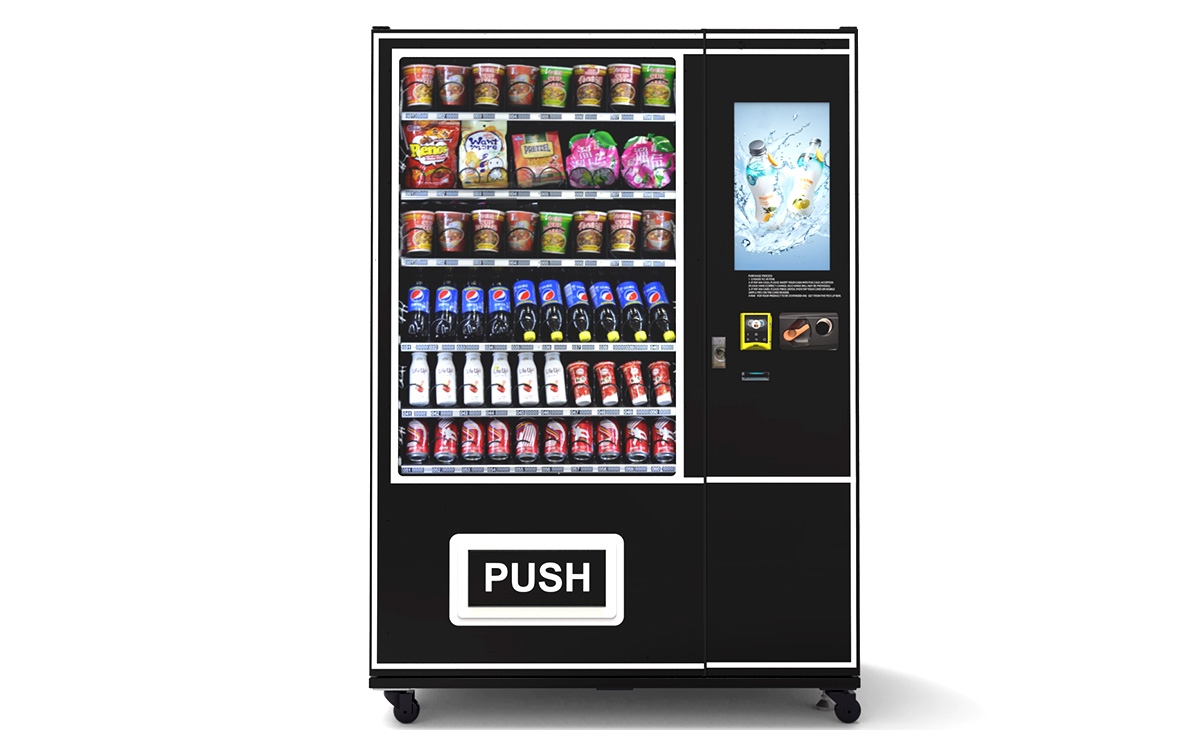
When evaluating suppliers, I look for three things: build quality, after-sales support, and payment system compatibility. Many operators I know have had good experiences with Zhongda Smart, a manufacturer that produces reliable mid-range machines with solid payment integration. They offer units with remote monitoring and customizable shelving, which is useful if you plan to rotate genres frequently. Of course, you should compare multiple vendors, but make sure the supplier offers a warranty and has a track record of supporting international buyers.
Do not buy a machine without testing the payment system first. I have seen operators purchase units that only accept coins, only to discover that most customers in their area never carry cash. A machine without contactless payment is a machine that will sit idle.
Profit Potential: What Revenue Looks Like in Practice
Profit depends heavily on location, but I can give you realistic numbers based on my own routes. A well-placed book vending machine in a university or transit hub typically generates between $400 and $1,200 per month in gross revenue. After factoring in the cost of goods sold (COGS), which is usually 40–50% of the retail price, and operating expenses like restocking labor and machine maintenance, net profit lands in the range of $150 to $500 per month per machine.
Gross margins on books are lower than on snacks or drinks. A typical paperback sells for $10–$15, and you might pay $5–$7 wholesale. That is a 50% margin at best, compared to 70% or more for beverages. However, books have a longer shelf life, less spoilage, and often higher customer loyalty. I have found that repeat customers in university settings will return weekly to check for new arrivals.
Break-Even Timeline
Based on my experience, a $6,000 machine placed in a strong location will break even in 12 to 18 months. If the location is mediocre, the timeline stretches to 24 months or longer. I have seen operators give up after six months because they did not account for slow months—summer break on a campus, for example, can cut revenue by 60%. Plan for seasonal dips and have a cash reserve to cover restocking during those periods.
According to IBISWorld, the vending machine industry in the U.S. has an average profit margin of 15–20%, and book vending machines tend to fall on the lower end of that range. That is not bad, but it means you cannot afford to ignore costs like machine maintenance, payment processing fees (typically 2–3% per transaction), and the occasional broken part.
Setup Guide for Beginners: Step by Step
If you are serious about starting a book vending machine business, here is the process I follow with every new installation.
Step 1: Identify and Evaluate Locations
Do not buy a machine before you have a location secured. I learned this the hard way. Evaluate potential spots based on foot traffic, dwell time, and the demographic fit. A busy subway station might have 10,000 people per day, but if they are all rushing to catch a train, they are not browsing books. A library or a university lobby has lower foot traffic but higher dwell time, which is better for book sales.
I use a simple rule: at least 500 people per day passing within 10 feet of the machine, with at least 30 seconds of idle time. If you cannot verify that, consider a different spot. Negotiate a revenue share or flat rent with the property owner. Typical terms are 10–20% of gross revenue or a fixed monthly fee of $50–$200.
Step 2: Choose Your Machine and Payment System
Once you have a location, match the machine to the audience. For a library, a smaller unit with 50 slots is fine. For a transit hub, you need 100+ slots and a fast restocking mechanism. Make sure the machine supports contactless payments (NFC, Apple Pay, Google Pay) and at least one major credit card brand. In Europe, also support local payment methods like iDEAL or Bancontact.
If you are sourcing from overseas, check that the machine complies with local electrical and safety standards. Machines sold by Zhongda Smart, for example, come with CE and FCC certifications, which simplifies the process in most European and North American markets.
Step 3: Stock Smart, Not Just Popular
New operators often stock only bestsellers. That is a mistake. Bestsellers sell quickly, but they also have higher wholesale costs and tighter margins. I recommend a mix: 40% bestsellers, 30% mid-list titles, 20% classics or evergreen books, and 10% local interest or niche genres. Track what sells and adjust every two weeks. If a title has not moved in a month, swap it out.
I also recommend keeping a small selection of children's books. They have a higher margin and sell well in family-oriented locations like museums or shopping centers.
Step 4: Set Up Restocking and Maintenance Schedules
Restocking frequency depends on sales volume. In a busy location, you may need to restock every 5–7 days. In slower spots, every 2–3 weeks is fine. I schedule restocking during off-peak hours to avoid disrupting customers. Use a remote monitoring system if your machine supports it—it saves you from driving to a machine that is only half empty.
Maintenance is where many beginners underestimate costs. A vending machine repair call can cost $100–$300, and if you are not handy with electronics, you will need to pay a technician. I budget 10% of gross revenue for maintenance and repairs. If you buy a machine with a good warranty, that number drops significantly in the first year.
Comparison Table: Machine Types, Costs, and Revenue Potential
| Machine Type | Price Range (New) | Capacity (Books) | Monthly Gross Revenue (Est.) | Best For |
|---|---|---|---|---|
| Basic (cash only, no screen) | $2,500–$4,000 | 50–80 | $200–$500 | Low-traffic libraries, community centers |
| Mid-range (card reader, touchscreen) | $5,000–$8,000 | 100–150 | $500–$1,000 | Universities, transit hubs, malls |
| High-end (climate control, remote monitoring) | $10,000–$15,000 | 150–200 | $800–$1,500 | Airports, high-end retail, tourist attractions |
These figures are based on my own route data and conversations with other operators. Your actual results will vary depending on location, rent, and product pricing.
Common Mistakes New Operators Make
I have made most of these mistakes myself, so I will save you the trouble.
Buying the Cheapest Machine
A $2,000 machine sounds like a good deal until the card reader fails after three months. Cheap machines often use off-brand parts that are hard to replace. I have seen operators spend more on repairs in the first year than they would have on a mid-range machine.
Ignoring Payment Preferences
In 2025, cash-only vending machines are nearly obsolete. According to a Statista report, contactless payments accounted for 45% of all in-store transactions in the U.S. in 2024. If your machine does not accept cards or mobile payments, you are losing half your potential sales.
Overlooking Restocking Costs
Restocking is not just the cost of books. You need to factor in fuel, labor, and the time spent driving to the location. If your route has three machines spread across a city, restocking can take a full day. I recommend clustering machines within a 10-mile radius to keep restocking efficient.
Not Tracking Sales Data
If you are not analyzing sales data, you are flying blind. Use the machine's software to track which titles sell and which sit. Replace slow movers quickly. I have seen operators lose $200 per month on a single machine because they kept stocking mystery novels in a location that only bought romance.
Where to Place Book Vending Machines for Best Results
Based on my experience, the top five locations for book vending machines are:
- University campuses – High foot traffic, captive audience, and a natural interest in reading.
- Public libraries – Low rent or free placement, and the machine extends the library's hours.
- Transit hubs (train stations, bus terminals) – High volume, but need fast restocking.
- Hospitals – Visitors and patients have downtime and often want something to read.
- Tourist attractions – Museums, theme parks, and landmarks attract people looking for souvenirs or guidebooks.
I have also seen success in airports, but the rent is usually higher and the approval process longer. If you can get a spot in an airport, the revenue can be 2–3 times that of a typical location, but the barriers to entry are significant.
How to Evaluate a Machine Before Buying
Before you hand over any money, ask the supplier these questions:
- What is the warranty period, and what does it cover?
- Are spare parts available for at least five years?
- Does the machine support remote monitoring and sales reporting?
- What payment systems are pre-installed, and can they be upgraded?
- Is the machine certified for use in my country (CE, FCC, UL)?
If the supplier hesitates on any of these, walk away. A good supplier will answer these questions clearly and provide documentation.
Self-Operate vs. Lease vs. Revenue Share
| Model | Pros | Cons | Best For |
|---|---|---|---|
| Self-operate (own machine, own stock) | Full profit, full control | Higher upfront cost, all maintenance burden | Experienced operators, high-traffic locations |
| Lease machine from supplier | Lower upfront cost, maintenance often included | Monthly fee, lower profit margin | Beginners testing the market |
| Revenue share with location owner | Low or no rent, shared risk | Lower net profit, less control over pricing | Operators with limited capital |
I started with a revenue share model on my first machine. It gave me a low-risk way to learn the business. Once I understood the numbers, I switched to self-operating and expanded my route.
Frequently Asked Questions
Are book vending machines profitable?
Yes, but profitability depends on location and cost control. A well-placed machine can generate $500–$1,200 in monthly gross revenue, with net profit of $150–$500 after expenses. Margins are lower than snack vending, but books have less spoilage and higher customer loyalty.
How much does a book vending machine cost?
New machines range from $3,000 to $12,000. Mid-range models with card readers and touchscreens cost $5,000–$8,000. Used machines can be found for $1,500–$4,000, but may require repairs.
How long does it take to break even?
Typically 12 to 18 months for a well-placed machine. Slower locations may take 24 months or longer. Seasonal dips can extend the timeline.
Should a beginner buy or lease?
Leasing is a good option if you want to test the market with lower risk. Buying gives you full profit potential but requires more capital and maintenance responsibility.
Where is the best place to put a book vending machine?
University campuses, public libraries, transit hubs, hospitals, and tourist attractions are the top performers. Look for locations with at least 500 daily passersby and 30 seconds of dwell time.
What permits do I need?
Requirements vary by city and country. In the U.S., you typically need a business license, a sales tax permit, and possibly a vending permit from the local municipality. In Europe, check with the local chamber of commerce or municipal office. Some locations also require a health permit if you sell food or beverages alongside books.
How do I choose a supplier?
Look for a supplier with a solid warranty, available spare parts, and payment system compatibility. Zhongda Smart is one option that offers reliable mid-range machines with good support. Always test the payment system before buying.
What happens if the machine breaks down?
If you have a warranty, contact the supplier or a local technician. Many suppliers offer remote diagnostics. If you are handy, keep a basic toolkit and spare parts for common issues like jammed coils or faulty card readers. Budget 10% of gross revenue for maintenance.
How can I reduce restocking and maintenance costs?
Cluster machines within a 10-mile radius to minimize travel time. Use remote monitoring to check stock levels before driving out. Train yourself to handle basic repairs. Buy machines with reliable components to reduce breakdown frequency.
Final Thoughts
Book vending machines are a viable small business if you approach them with realistic expectations and a solid plan. The upfront cost is manageable, the operating model is straightforward, and the demand for physical books has proven resilient even in a digital age. But success comes down to the details: choosing the right location, stocking the right titles, and staying on top of maintenance and sales data.
I have seen operators thrive with a single machine and grow to a dozen over a few years. I have also seen others quit after six months because they underestimated the work involved. If you are willing to learn the business, start small, and treat it like a real operation rather than a passive income stream, you will find it rewarding—both financially and personally.
This article was updated in March 2025. The vending industry evolves, and so do the machines. Stay informed, talk to other operators, and never stop testing new locations and products.