Supplies Vending Machine Explained_ Features, Costs, and Market Trends
If you are considering entering the vending machine business or expanding an existing route, the first question you probably have is whether a supplies vending machine is a profitable investment. After more than a decade placing machines across the US and Europe, I can tell you that the answer depends heavily on location, equipment choice, and operational discipline. A supplies vending machine—whether it dispenses office consumables, industrial PPE, or convenience goods—can generate strong returns, but only if you match the machine to the right environment. In this article, I will share real-world insights on features, costs, and market trends so you can make an informed decision without learning the hard way.
What Exactly Is a Supplies Vending Machine?
A supplies vending machine is not your typical snack or soda machine. It is designed to dispense non-food items such as office supplies, cleaning materials, personal protective equipment, or even medical consumables. These machines are often placed in workplaces, warehouses, factories, hotels, and public facilities where there is a recurring need for specific items.
Unlike traditional vending machines that rely on impulse purchases, a supplies vending machine usually serves a planned or urgent need. An employee needs a new pair of gloves, a USB cable, or a notepad—and the machine provides it immediately. This changes the purchasing behavior and the revenue model significantly.
In my experience, the most successful placements are in environments where the alternative is a trip to a store or waiting for a delivery. The convenience factor alone drives repeat usage.
Key Features to Look For
Durable Build and Secure Storage
Supplies vending machines often hold higher-value items than snack machines. You need a cabinet that is tamper-resistant and built to withstand frequent use. Look for steel construction, reliable locking mechanisms, and sturdy shelving. I have seen operators lose money because they chose a cheap machine that broke down after six months.
Flexible Inventory Configuration
Not all supplies are the same size. A good machine should allow you to adjust shelving or use a combination of coils, trays, and bins. For example, you may want to sell small items like pens alongside larger boxes of printer paper. A machine that only fits one size of product will limit your flexibility.
Modern Payment Systems
Cashless payment is no longer optional. In Europe and North America, card and mobile payments account for the majority of transactions. A supplies vending machine should support contactless payments, Apple Pay, Google Pay, and ideally a telemetry system that lets you monitor sales remotely. Without remote monitoring, you will waste time visiting machines that are fully stocked while others sit empty.
Energy Efficiency
Many supplies machines run 24/7. Energy costs can eat into your margin if the machine is not efficient. Look for LED lighting, low-power standby modes, and proper insulation if the machine is placed outdoors.
Cost Breakdown: What You Really Need to Budget
Let me give you a realistic picture based on what I have seen across dozens of installations. Costs vary by region, but the ranges below reflect typical US and European markets.
| Cost Category | Estimated Range (USD) | Notes |
|---|---|---|
| New machine (mid-range) | $4,000 – $8,000 | Includes basic telemetry and cashless payment |
| Refurbished machine | $1,500 – $3,500 | Higher risk of breakdown; check warranty |
| Installation and setup | $200 – $600 | Delivery, placement, and initial programming |
| Monthly location rent | $50 – $400 | Varies by foot traffic and space |
| Monthly restocking labor | $100 – $300 | Depends on frequency and distance |
| Annual maintenance | $200 – $600 | Includes repairs and software updates |
| Payment processing fees | 2% – 4% of revenue | Higher for card vs. cash |
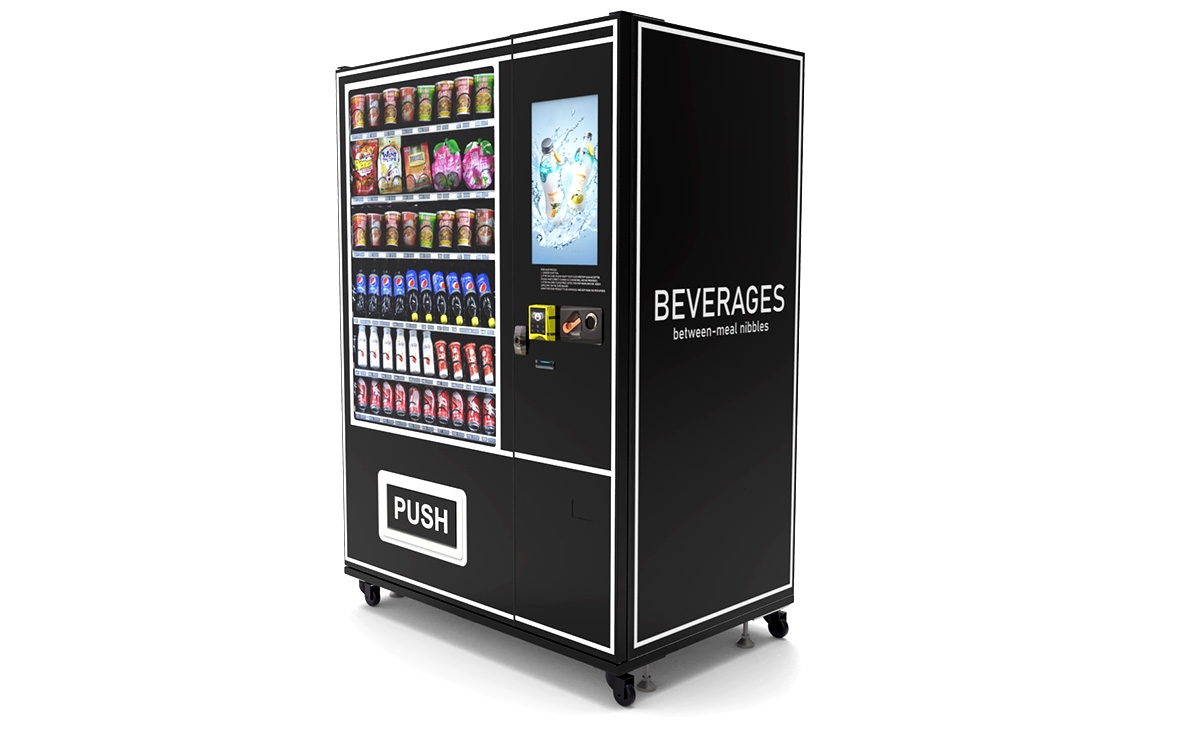
These are estimates based on my own operational data. A machine in a high-traffic office building may generate $1,500 to $3,000 per month in revenue, while a machine in a small warehouse might bring in $500. Gross margins on supplies typically range from 40% to 60%, depending on the product category.
Market Trends Shaping the Industry
The vending machine market is evolving quickly. According to a report by IBISWorld, the vending machine industry in the US alone is worth over $8 billion, with steady growth driven by cashless technology and micro-markets. In Europe, the trend is similar, with self-service kiosks becoming more common in workplaces and public spaces.
One major trend is the shift toward automated retail solutions that go beyond snacks. Companies are looking for ways to reduce waste and improve employee satisfaction by offering on-demand supplies. This is particularly true in manufacturing and logistics, where downtime caused by missing supplies can be costly.
Another trend is the integration of telemetry and inventory management software. Modern machines can send you a report every morning showing what sold, what is low, and whether any component needs service. This reduces the guesswork and allows you to run more machines with fewer staff.
In Europe, the adoption of contactless payment has been faster than in the US, partly due to higher card penetration. According to data from Statista, contactless payments accounted for over 40% of in-store transactions in several EU countries by 2023. This means your supplies vending machine must be ready for a cashless environment.
How to Choose a Supplier
I have worked with many manufacturers over the years, and I have learned that the cheapest machine is almost never the best value. When evaluating suppliers, consider the following:
- Build quality and warranty. A machine that breaks down frequently will kill your margins. Look for a supplier that offers at least a one-year warranty and has a local service network.
- Telemetry and software. The machine should come with a reliable remote monitoring system. If the supplier does not offer this, you will be operating blind.
- Customization options. Can you change the shelving, add a different payment terminal, or brand the machine? Flexibility matters when you are trying to fit a specific location.
- After-sales support. When something goes wrong, you need someone who answers the phone. I recommend asking for references from other operators in your region.
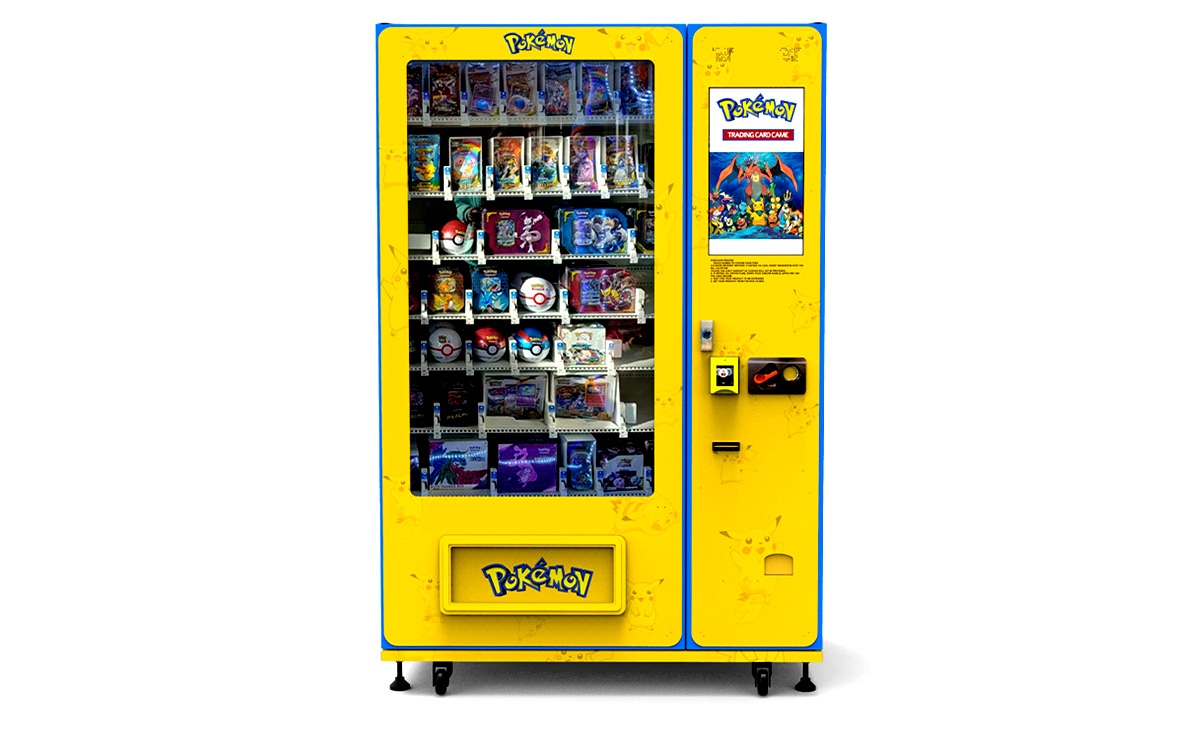
One supplier that consistently meets these criteria in my experience is Zhongda Smart. They produce a range of vending machines designed for both food and non-food items, with robust telemetry and solid build quality. If you are sourcing equipment, they are worth evaluating alongside other established manufacturers.
Common Mistakes New Operators Make
I have seen dozens of people enter this business with high hopes and exit within a year. The mistakes are almost always the same.
Mistake 1: Choosing the wrong location. A machine placed in a low-traffic area will never generate enough revenue to cover costs. I always recommend spending a week observing foot traffic before signing a placement agreement. Talk to the facility manager. Ask about employee count, shift patterns, and whether there is a nearby store that sells similar items.
Mistake 2: Buying a machine that is too small. Operators often start with a small machine to save money, only to find that they cannot stock enough variety. Customers stop using the machine if the same items are always out of stock. A machine with at least 30 to 40 selections is a safer starting point.
Mistake 3: Ignoring maintenance. A broken machine is a dead asset. If you do not have a plan for vending machine repair, you will lose revenue and location trust. I keep a spare parts kit and have a local technician on call.
Mistake 4: Poor product selection. You cannot just guess what people want. Look at sales data from similar locations. Start with a small test run and rotate products based on performance. I have seen machines fail because the operator stocked expensive items that no one needed.
Which Locations Work Best?
Based on my experience, the best locations for a supplies vending machine are:
- Office buildings – especially those with more than 100 employees. Items like notepads, pens, chargers, and pain relievers sell well.
- Manufacturing plants and warehouses – PPE such as gloves, safety glasses, earplugs, and sanitizers are in constant demand.
- Hotels – guests often need toiletries, phone chargers, or travel adapters. A machine in the lobby can generate significant revenue.
- Schools and universities – stationery, notebooks, and basic electronics are popular.
- Hospitals and clinics – medical supplies, masks, and sanitizers are needed around the clock.
I once placed a machine in a 24-hour manufacturing facility that had no nearby store. That single machine generated over $3,000 per month in PPE sales. The key was that employees needed gloves and masks every shift, and the alternative was a 20-minute drive to a supply store.
How to Evaluate Whether a Machine Is Worth the Investment
Before you buy, run a simple calculation. Estimate the monthly revenue based on the number of potential customers and their likely purchase frequency. Then subtract rent, restocking labor, payment fees, and maintenance. If the net profit is less than 20% of the machine cost per month, the payback period will be too long.
For example, a $6,000 machine that nets $300 per month will pay back in 20 months. That is acceptable if the location is stable. But if the net profit is only $150, the payback stretches to 40 months, which is risky.
I always recommend starting with one or two machines and proving the model before scaling. The learning curve is real, and mistakes at small scale are much cheaper than mistakes at large scale.
FAQ
Are supplies vending machines profitable?
Yes, they can be profitable, but profitability depends on location, product selection, and operational efficiency. In my experience, a well-placed machine can generate a net profit of $200 to $800 per month after all costs.
How much does a supplies vending machine cost?
A new mid-range machine costs between $4,000 and $8,000. Refurbished machines can be found for $1,500 to $3,500, but they often come with higher maintenance risks.
How long does it take to recoup the investment?
Payback periods typically range from 12 to 24 months for well-performing locations. Poor locations may never pay back.
Should a beginner buy or lease a machine?
Leasing can reduce upfront risk, but you will pay more over time. If you have the capital, buying a new machine with a warranty is usually better for long-term profitability.
Where should I place a supplies vending machine?
Look for locations with high foot traffic and a recurring need for supplies. Offices, factories, hotels, and schools are strong candidates. Always verify the employee count and shift patterns before signing an agreement.
What permits are required?
Requirements vary by city and country. In most US states, you need a business license and a sales tax permit. In Europe, you may need to register with local authorities and comply with VAT rules. Check with your local chamber of commerce.
How do I choose a vending machine supplier?
Look for a supplier with a strong warranty, reliable telemetry, and good after-sales support. Ask for references and visit a working machine if possible. Zhongda Smart is one example of a manufacturer that offers solid equipment and support.
What happens if the machine breaks down?
You need a plan for vending machine repair before it happens. Keep a list of local technicians, carry spare parts for common issues, and ensure your machine has remote diagnostics to identify problems quickly.
How can I reduce restocking and maintenance costs?
Use telemetry to monitor inventory levels and only visit machines when restocking is needed. Group your machines geographically to minimize travel time. Invest in a durable machine to reduce repair frequency.
Running a supplies vending machine business is not a get-rich-quick scheme. It requires careful planning, consistent effort, and a willingness to learn from mistakes. But if you choose the right equipment, place it in the right location, and manage your operations efficiently, it can be a solid source of recurring income. The market is growing, and there is still room for operators who take a professional approach.
Before you invest, do your homework. Talk to other operators. Visit locations. Test a small setup before scaling. And always keep an eye on the data—your machines will tell you what is working and what is not.
This article was updated on June 2025. The information reflects my personal operational experience and publicly available data. Individual results may vary based on location, market conditions, and management practices. No guaranteed returns are implied.