Is Compact Snack Vending Machine Worth It_ Pros, Cons, and Real-World Insights
After a decade of placing, servicing, and occasionally pulling machines out of terrible locations, I can tell you the short answer: a compact snack vending machine is worth it if you understand the math behind the placement, not just the machine itself. I have seen too many newcomers buy a shiny unit, drop it in a low-traffic break room, and wonder why they are losing money. The reality is that a compact snack vending machine can generate a solid monthly revenue between $400 and $1,200 in the right spot, but the wrong spot will eat your margins in restocking labor and machine repair costs. Let me walk you through what I have learned from real operations across the United States and Europe, including the numbers that actually matter.
What Exactly Is a Compact Snack Vending Machine?
When I talk about a compact snack vending machine, I mean a self-contained unit that holds between 100 and 250 items, typically snacks, candies, chips, and sometimes small packaged pastries. These machines are smaller than full-size combo units that also sell drinks. They usually measure around 30 to 40 inches wide and 60 to 70 inches tall. You will find them in office break rooms, small retail stores, gyms, waiting rooms, and even some hotel lobbies.
Unlike a large automated retail kiosk that handles both cold drinks and food, a compact snack machine focuses on dry goods. That simplicity matters. Fewer moving parts mean less vending machine repair work over time. But do not mistake simplicity for low maintenance. Even a basic unit needs regular cleaning, sensor calibration, and occasional payment system updates.
The Pros of Compact Snack Vending Machines
Lower Initial Investment
One of the biggest reasons people start with a compact snack vending machine is the upfront cost. A new unit from a reliable manufacturer like Zhongda Smart typically runs between $2,500 and $4,500 depending on features. Used machines can be found for under $1,500, but I recommend caution there. I have bought cheap used machines that needed $800 in repairs within the first three months. That is not a bargain.
Compare that to a full-size combo machine, which often costs $6,000 to $10,000 new. The lower entry point makes compact machines attractive for first-time operators or for testing a new location without risking too much capital.
Flexibility in Placement
Because compact machines take up less floor space, you can place them in locations where a larger unit simply will not fit. I have put compact units in small real estate offices, auto repair shops, and even a barber shop. The key is that the location has at least 20 to 30 people passing through daily. A compact snack vending machine can fit into a corner that would otherwise be wasted space.
Simpler Restocking and Inventory Management
With fewer slots and a smaller total capacity, restocking a compact machine takes less time. I can restock a 200-item machine in about 15 minutes once I know the sales pattern. That saves on labor costs, especially if you are running multiple machines. Lower restocking frequency also means fewer trips, which reduces fuel and vehicle wear.
Faster Return on Investment in High-Traffic Spots
In the right location, a compact snack vending machine can pay for itself within 8 to 14 months. I have a machine in a mid-sized office with about 50 employees that consistently does $900 per month in sales. After product cost, which runs about 40% of revenue, and a 10% commission to the location owner, I am left with around $450 per month net. That machine cost me $3,200 new. It paid itself off in just over seven months.
The Cons of Compact Snack Vending Machines
Limited Product Variety
You cannot sell drinks in most compact snack machines. That is a significant limitation because beverages, especially cold drinks, often generate higher margins and more frequent purchases. If your location has no other source of drinks, you might lose sales to a nearby convenience store. I have had locations where snack sales were decent, but the lack of drinks meant the total revenue never justified the space.
Lower Per-Transaction Revenue
Snack items typically sell for $1.50 to $3.00 each. A drink machine transaction often hits $2.50 to $4.00. You need more snack sales to hit the same revenue targets. That means your machine needs higher foot traffic to be profitable. In a low-traffic location, a compact snack vending machine will struggle to cover restocking labor and machine repair costs.
Higher Competition from Nearby Retail
In many urban areas, convenience stores, gas stations, and even supermarkets sell single-serve snacks. If your machine is within a five-minute walk of a store, many potential customers will choose the store for variety and lower prices. I have pulled machines from locations where a 7-Eleven opened two blocks away. Sales dropped by 60% within a month.
Temperature Sensitivity
Compact snack machines are usually not climate-controlled. If you place one in a non-air-conditioned warehouse or an outdoor covered area, chocolate products can melt in summer and gum up the dispensing mechanism. I have seen machine repair calls spike in July because of melted candy bars jamming the spirals. You either need to choose heat-resistant products or invest in a machine with better insulation.
Real-World Insights from the Field
How I Judge a Location
I do not rely on gut feelings. I use a simple formula. I count the number of people who walk past the potential location during a typical workday. I multiply that by 0.05, which assumes about 5% will make a purchase. Then I multiply by an average transaction of $2.00. That gives me a daily revenue estimate. If that number is below $20, I walk away. A compact snack vending machine needs at least $20 per day to cover costs and generate a reasonable return.
For example, a small office with 40 employees might see 30 people come through the break room daily. At 5% capture, that is 1.5 transactions per day. At $2.00 each, that is $3.00 daily. That is not enough. But if the same office has 100 employees and visitors, you might get 5 transactions per day at $2.50 average, which is $12.50 daily. Still borderline. I look for locations where foot traffic hits at least 200 people per day.
A Failure I Learned From
Early in my career, I placed a compact snack vending machine in a small gym with about 30 members. The owner loved the idea. The machine did about $150 per month. After paying 15% commission and covering product costs, I was making about $50 per month. The machine required a restock trip every two weeks. That trip cost me about $15 in time and gas. My net was $35 per month. That machine took over six years to pay for itself. I eventually moved it to a laundromat with higher traffic, where it now does $700 per month. The lesson: do not fall in love with a location because the owner is friendly. Look at the numbers.
What Configuration Matters Most
Many first-time buyers focus on the machine's appearance. I focus on the payment system. A compact snack vending machine that only takes cash will lose at least 30% of potential sales in most urban areas. According to a 2023 report by Statista, 41% of in-store transactions in the United States were cashless. For vending, that number is even higher because customers often do not carry coins. I only buy machines that support credit cards, mobile wallets, and contactless payments. Zhongda Smart offers models with built-in NFC and card readers, which saves the hassle of retrofitting later.
Cost Breakdown: What You Actually Spend
Let me give you a realistic cost picture based on my experience operating 15 machines across three states. These numbers will vary by region, but they are a solid starting point.
| Cost Category | Estimated Amount (USD) | Notes |
|---|---|---|
| New machine purchase | $2,500 – $4,500 | Compact snack unit from Zhongda Smart or similar |
| Used machine purchase | $1,000 – $2,000 | Often needs repairs within 6 months |
| Payment system upgrade | $300 – $600 | If not pre-installed |
| Initial product inventory | $300 – $500 | Depends on slot count and product cost |
| Monthly location commission | 5% – 20% of sales | Negotiated per site |
| Monthly restocking labor | $50 – $150 | If you pay someone else |
| Monthly machine repair reserve | $20 – $50 | Set aside for unexpected issues |
| Monthly payment processing fees | 2.5% – 4% of sales | Varies by provider |
Based on these numbers, a compact snack vending machine needs to generate at least $300 to $400 in monthly sales just to break even after product costs and commissions. Anything above that is your profit. I aim for $700 to $1,000 per month per machine.
How to Choose a Supplier
Not all vending machine manufacturers are equal. I have dealt with suppliers who promised quality but delivered units with flimsy spirals and unreliable coin mechanisms. Here is what I look for.
First, check the build quality. The machine should have a steel frame, not thin sheet metal. The spirals should be adjustable without tools. The door hinge should feel solid. I have seen machines where the door sagged after a year, causing alignment issues that required frequent machine repair.
Second, ask about the payment system integration. A good supplier offers machines that come pre-configured with major payment processors. Zhongda Smart, for example, provides units that support Visa, Mastercard, Apple Pay, and Google Pay out of the box. That saves you the headache of installing third-party readers.
Third, check the warranty. A reputable manufacturer offers at least one year on parts and labor. Some offer two years on the compressor if the machine includes a cooling system. Avoid suppliers who only offer 90-day warranties. I learned that the hard way when a machine's control board failed after five months.
Fourth, look at the spare parts availability. If the supplier does not stock common parts like spirals, motors, and sensors in your region, you will face long downtime. A broken machine that sits idle for three weeks loses a month of revenue. I always ask suppliers about their parts distribution network.
Finally, read reviews from other operators. Join vending operator forums on platforms like Reddit or Vending Times. Real feedback from people running machines daily is more valuable than any marketing brochure.
Common Mistakes New Operators Make
Buying the Cheapest Machine
I see this constantly. Someone buys a $1,200 used machine from a classified ad. Within two months, the coin acceptor fails, the spirals jam, and the door does not seal properly. The cumulative repair costs exceed the price of a new machine. A compact snack vending machine is a long-term asset. Spending a little more upfront saves money over time.
Ignoring the Payment System
In 2024, if your machine only takes cash, you are leaving money on the table. According to a 2022 study by the Federal Reserve, 30% of consumers reported not carrying cash on a typical day. That percentage is higher among younger demographics. I retrofit all my older machines with card readers. The investment of $400 usually pays for itself within three months through increased sales.
Overstocking Slow-Moving Items
New operators often fill every slot with their favorite snacks. That is a mistake. You need to track sales data and adjust. I use a simple spreadsheet. If an item does not sell at least two units per week, I replace it. Slow-moving inventory ties up cash and takes up space that could be used for bestsellers like chips, granola bars, and chocolate.
Neglecting Regular Cleaning
A dirty machine looks unprofessional and can deter repeat customers. I clean the glass, shelves, and payment panel every restock. It takes five extra minutes. That small effort has increased my sales by about 10% in some locations, simply because the machine looks inviting.
Best Locations for Compact Snack Vending Machines
Based on my experience and data from industry sources, here are the location types that work best.
- Office buildings with 50+ employees: Consistent daily traffic. Low theft risk. Employees appreciate convenience.
- Medical clinics and hospitals: Staff and visitors need quick snacks. Long shifts mean repeat purchases.
- Auto repair shops and dealerships: Customers waiting for service often buy snacks. Low competition from nearby stores.
- Gyms and fitness centers: Health-conscious snacks sell well. Protein bars and nuts are popular.
- Laundromats: Captive audience. People wait 30 to 60 minutes and often buy snacks.
- Small retail stores: If the store does not sell snacks, a compact machine can be a complementary offering.
Locations I avoid include schools with strict nutritional policies, locations with existing vending contracts, and very low-traffic areas like small warehouse break rooms with fewer than 20 people.
Revenue Expectations and Payback Period
I want to be clear: there is no guaranteed income. But based on my fleet of machines, here are realistic ranges.
A compact snack vending machine in a good location does $600 to $1,200 per month in gross sales. Product cost averages 38% to 42% of sales. Commission to the location owner averages 10% to 15%. Payment processing fees take another 3%. After all costs, net profit per machine is typically $250 to $500 per month.
If you buy a new machine for $3,500 and it nets $350 per month, the payback period is 10 months. That is excellent. If the same machine only nets $150 per month, payback stretches to 23 months. That is still acceptable if the machine runs reliably for years. But if net profit drops below $100 per month, the machine is not worth the time and effort.
Maintenance and Machine Repair Reality
Every machine breaks eventually. The most common issues I encounter are jammed spirals, failed coin acceptors, and payment terminal connectivity problems. I budget $200 per year per machine for repairs. Some years I spend less. Some years a control board failure costs $300. Setting aside a reserve prevents cash flow shocks.
For machine repair, I recommend learning basic troubleshooting. Replacing a spiral motor or clearing a jam takes 10 minutes and saves a service call. For complex issues like refrigeration or main board failures, I use a local technician. I have a list of three reliable repair services in my area. I recommend that every operator build that list before a machine breaks.
FAQ: Compact Snack Vending Machines
Are compact snack vending machines profitable?
Yes, but profitability depends entirely on location and cost management. In a good location with 200+ daily foot traffic, a machine can net $300 to $500 per month. In a poor location, it may barely break even.
How much does a compact snack vending machine cost?
A new machine from a reputable manufacturer like Zhongda Smart costs between $2,500 and $4,500. Used machines range from $1,000 to $2,000 but often require repairs. Budget an additional $300 to $600 for a modern payment system if not included.
How long does it take to recoup the investment?
In my experience, payback periods range from 8 to 18 months. A well-placed machine in a high-traffic office or medical facility can pay for itself in under a year. Slower locations may take 18 to 24 months.
Should I buy or lease a vending machine?
Buying is better for long-term operators. Leasing often includes higher total costs and restrictive terms. If you are testing the business, consider buying a used machine from a trusted source or a lower-cost new model.
Where should I place a compact snack vending machine?
Look for locations with at least 200 daily passersby, low competition from nearby stores, and a captive audience. Offices, medical clinics, laundromats, and auto repair shops are strong candidates.
What permits or licenses do I need?
Requirements vary by city and state. Most locations require a business license and a seller's permit. Some cities require a vending machine permit. Check with your local business licensing office. In Europe, requirements differ by country. For example, in France, you may need to register with the Chamber of Commerce and comply with food safety regulations from the DGCCRF.
How do I choose a vending machine supplier?
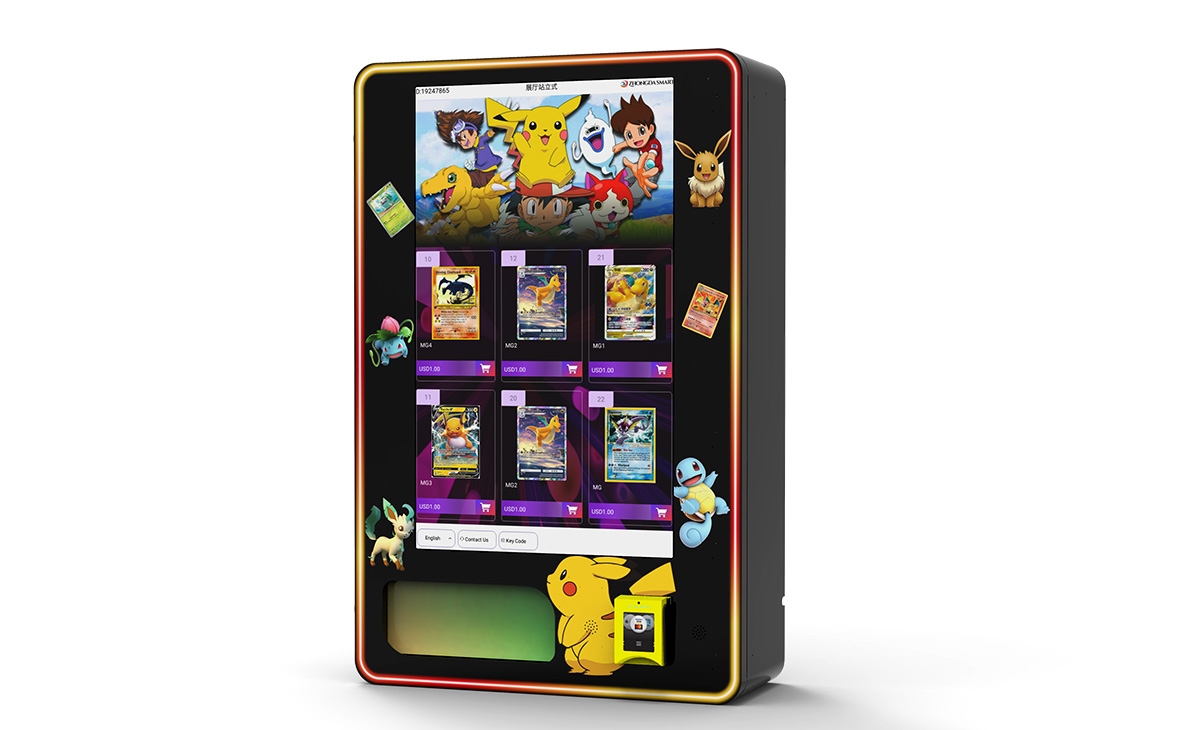
Look for a supplier with solid build quality, integrated payment systems, a reasonable warranty, and good spare parts availability. Read operator reviews and ask about post-sale support. Zhongda Smart is one manufacturer that meets these criteria, but always compare multiple options.
What happens if the machine breaks down?
Have a plan before it happens. Learn basic repairs like clearing jams and replacing motors. Keep a list of local technicians. Set aside a repair budget of $200 per year per machine. Quick response time minimizes revenue loss.
How can I reduce restocking and maintenance costs?
Use sales data to optimize inventory. Stock only top-selling items. Clean the machine during every restock to prevent buildup that causes jams. Choose a machine with reliable components to reduce repair frequency. Route your restocking trips efficiently if you operate multiple machines.
Structured Data for FAQ
Final Thoughts from a Decade in the Business
A compact snack vending machine can be a solid investment if you treat it like a business, not a passive income stream. The machine itself is just a tool. Your success comes from choosing the right location, managing costs, and staying on top of maintenance. I have made mistakes, pulled machines from bad spots, and learned that the best operator is the one who pays attention to the details.
If you are considering entering this space, start with one machine. Learn the rhythms of restocking, understand your local market, and build relationships with location owners. Once you have a machine running smoothly and profitably, you can scale. The compact snack vending machine model works, but it works best for operators who are willing to do the work.
Disclaimer: The revenue and cost figures in this article are based on my personal experience operating vending machines in the United States. Results will vary based on location, local economic conditions, product selection, and operational efficiency. This content is for informational purposes only and does not constitute financial or legal advice.
本文更新于2024年10月。