Step-by-Step Guide to Starting a Employee Vending Machines Business in 2026
If you are reading this in 2026 and wondering whether starting an employee vending machines business is still a viable move, the short answer is yes—but only if you understand the numbers and the ground rules before you buy your first machine. I have been running vending operations in the US and parts of Europe for over a decade, and I have seen more newcomers lose money on bad locations and cheap equipment than I care to count. This guide walks you through everything I wish someone had told me when I started: how to select the right equipment, where to place it, what it actually costs to operate, and how to avoid the mistakes that eat into your profit. Whether you are looking at office break rooms, warehouse canteens, or factory floors, the employee vending machines model works—but only when you treat it like a real business, not a side hustle.
Why Employee Vending Machines Make Sense in 2026
The workplace vending segment has shifted significantly over the past five years. With more companies bringing employees back to physical offices and warehouses operating at full capacity, the demand for convenient, contactless food and beverage options is stronger than ever. Employee vending machines are not just about snacks anymore. Modern units offer fresh food, coffee, hot meals, and even non-food items like PPE or phone chargers. The key advantage is that you are serving a captive audience. Unlike a public location where foot traffic is unpredictable, an office or factory floor gives you a consistent group of repeat customers. This stability makes cash flow forecasting much easier, and it also reduces the risk of theft or vandalism compared to street-facing machines.
Step 1: Evaluate Your Target Location Before Buying Anything
I cannot stress this enough: do not buy a machine until you have a signed agreement or at least a verbal commitment from a facility manager. The biggest mistake I see new operators make is purchasing equipment first and then scrambling to find a spot. In the employee vending space, location is everything. You need a minimum of 100 to 150 employees on-site daily to make a single machine profitable, assuming average spend per visit is around $2.50 to $3.50. If the location has fewer people, you will struggle to cover restocking labor and machine depreciation.
What to Look for in a Workplace Location
I always ask the same questions before placing a machine: Does the facility have a break room or cafeteria? Is there a shift change schedule that creates multiple peaks? Do employees have easy access to outside food options within walking distance? If the answer to that last question is yes, your machine will likely underperform. I once placed a machine in a warehouse that was next to a gas station with a hot food counter. The machine barely did $200 a week. I moved it to a factory with no nearby food options, and weekly revenue jumped to over $700. The difference was not the machine—it was the lack of competition.
Step 2: Choose the Right Type of Machine for the Setting
Not all vending machines are created equal, and the wrong machine for the wrong setting will kill your margins. For employee vending, you generally have three categories: snack and beverage combos, dedicated coffee machines, and fresh food units with refrigeration. Each has a different cost structure and maintenance profile.
| Machine Type | Typical Cost (New, USD) | Monthly Revenue Range | Gross Margin | Maintenance Complexity |
|---|---|---|---|---|
| Snack & Beverage Combo | $4,500 – $8,000 | $800 – $1,800 | 35% – 45% | Low to medium |
| Dedicated Coffee Machine | $6,000 – $12,000 | $1,200 – $2,500 | 50% – 65% | Medium to high |
| Refrigerated Fresh Food | $8,000 – $15,000 | $1,500 – $3,000 | 40% – 50% | High (spoilage risk) |
These figures are based on my own operations and conversations with other operators across the US and Europe. Your results will vary depending on location, pricing, and product mix. But the table gives you a realistic benchmark. Notice that coffee machines have the highest margin but also the highest maintenance cost. If you are not comfortable cleaning brew units and descaling lines, you might want to start with a snack and beverage combo.
Step 3: Understand the Real Cost of Equipment
When people ask me how much a vending machine costs, they usually expect a single number. The truth is more complicated. A brand new machine from a reputable manufacturer will set you back between $4,500 and $15,000 depending on features. But the purchase price is only the beginning. You also need to budget for installation, payment system setup, initial inventory, and a reserve fund for repairs. I recommend having at least $2,000 per machine set aside for the first year of operating expenses and unexpected breakdowns.
New vs. Used Machines
Buying used can save you 40% to 60% upfront, but it comes with trade-offs. Older machines often lack modern payment systems, which means you will need to retrofit them with a card reader or a cashless payment module. That retrofit can cost $400 to $800 per machine. More importantly, used machines have a higher failure rate. I have seen operators buy a used machine for $2,000, only to spend $1,200 on vending machine repair within the first six months. If you are new, I recommend buying new or certified refurbished from a supplier that offers a warranty. Companies like Zhongda Smart have been gaining traction in the US and European markets for their reliable mid-range machines with built-in cashless payment and remote monitoring. I have tested a few of their units in warehouse settings, and the build quality holds up well under daily use.
Step 4: Payment Systems and Cashless Integration
In 2026, if your machine does not accept credit cards, Apple Pay, and Google Pay, you are leaving at least 30% of potential revenue on the table. I have seen this firsthand. I placed a machine in an office with only a coin and bill acceptor, and it averaged $400 a week. I upgraded the payment system to include tap-to-pay, and weekly revenue climbed to $650 within a month. The upgrade cost $500. It paid for itself in less than three weeks. Most modern machines come with cashless readers pre-installed. If you are buying a used machine, factor in the cost of adding a Nayax, Cantaloupe, or similar telemetry-based system. These systems also give you remote sales data, which is critical for knowing when to restock without driving to the location unnecessarily.
Step 5: Restocking and Route Planning
Restocking is where most new operators underestimate labor costs. A single machine in a high-traffic office might need restocking twice a week. If you are running multiple machines across different locations, you need to plan a route that minimizes driving time. I try to keep my machines within a 15-mile radius of each other. Anything beyond that, and the fuel and labor costs start eating into margins. A good rule of thumb is that restocking labor should not exceed 10% of the machine's gross revenue. If you are spending more than that, either the machine is underperforming or your route is inefficient.
Using Sales Data to Adjust Inventory
Remote monitoring systems are not just for payment processing. They tell you exactly which products sell and which ones sit on the shelf for weeks. I once had a machine in a factory where spicy chips sold out every three days, but the protein bars barely moved. Without the data, I would have kept restocking both equally. Once I adjusted the product mix to match actual demand, the machine's revenue went up by 18% without adding any new customers. That is the kind of optimization that separates profitable operations from break-even ones.
Step 6: Maintenance and When to Call for Repair
Every vending machine will break down eventually. The question is how quickly you can get it back online. I keep a list of local technicians for each region where I operate. If I cannot fix a jammed coil or a stuck refrigerator compressor myself, I call a professional. Average vending machine repair costs range from $150 to $400 per visit, depending on the issue and the technician's rate. Some operators try to save money by doing all repairs themselves, but unless you have an electrical or mechanical background, you risk causing more damage. I recommend building a relationship with a local repair service before you even place your first machine. That way, when something goes wrong on a Friday afternoon, you are not scrambling.
Step 7: Legal Requirements and Permits
In the US, every state has different requirements for vending machine permits, food handling licenses, and sales tax collection. In Europe, the regulations vary by country and even by municipality. For example, in France, you need to register with the Chamber of Commerce and may need a certificat de conformité for food equipment. In Germany, the Lebensmittelrecht requires that any machine selling perishable food maintains a specific temperature range, and you must keep temperature logs. I always advise new operators to check with the local health department and business licensing office before signing a location agreement. A fine for operating without a permit can wipe out a month of profit.
Step 8: Estimating Your Payback Period
Based on my experience, a well-placed employee vending machine in a location with 150 to 200 employees will generate between $800 and $1,800 per month in revenue. After cost of goods sold (roughly 55% to 65% of revenue), operating expenses, and machine depreciation, the net monthly profit per machine typically falls between $250 and $600. At that rate, a $6,000 machine pays for itself in 10 to 24 months. If you are in a high-foot-traffic location with good margins, you might recoup your investment in 12 months. If the location is marginal, it could take three years. I have pulled machines that were still not profitable after 18 months. Do not be afraid to cut your losses and relocate if the numbers are not working.
Common Mistakes I See New Operators Make
I want to share a few real-world failures I have witnessed, because they are more instructive than any success story.
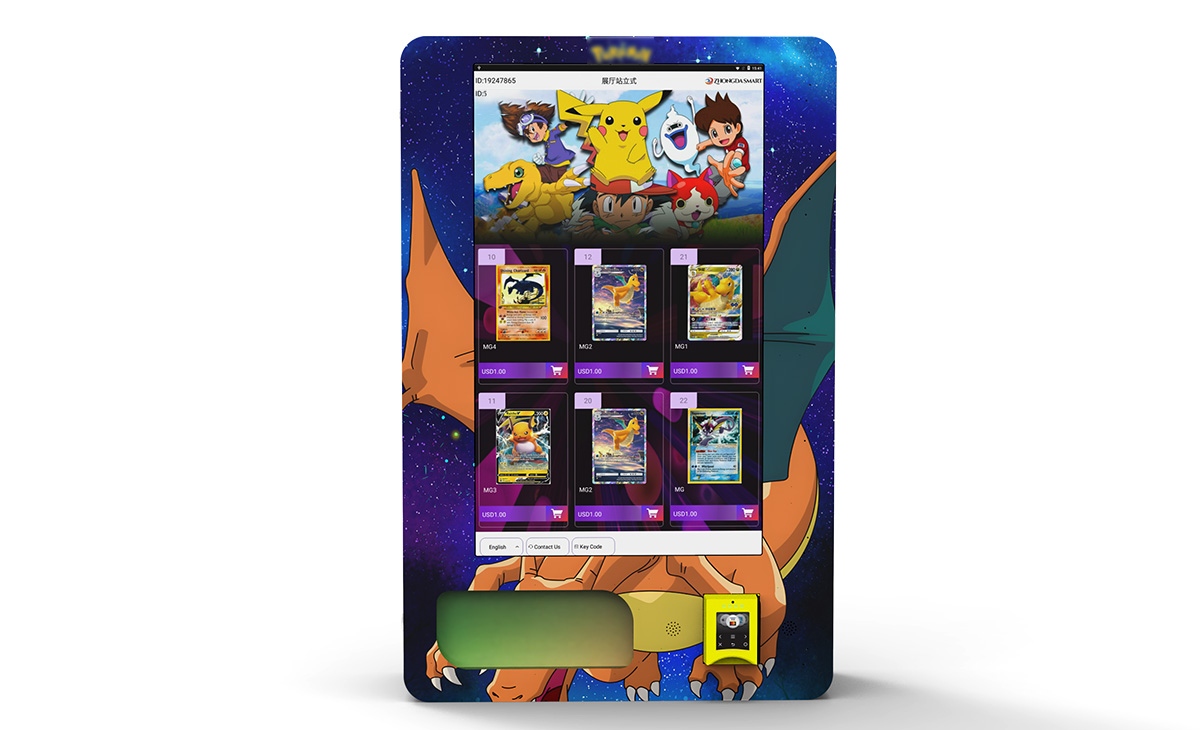
- Overpaying for a machine with unnecessary features. A beginner bought a machine with a 12-inch touchscreen and video ads for $14,000. The location was a small office with 80 employees. The machine never generated enough to cover the financing. Basic machines work fine for most workplaces.
- Ignoring spoilage on fresh food. A operator placed a refrigerated machine in a school staff room and stocked it with sandwiches and salads. The staff was small, and half the food expired before it sold. Spoilage losses hit 25% of revenue. He switched to shelf-stable snacks and the machine became profitable.
- Neglecting cleanliness. I have seen machines lose 40% of their sales simply because the glass was dirty and the buttons were sticky. Employees do not want to touch a grimy machine. Wipe it down every time you restock.
- Choosing the wrong payment system. As mentioned earlier, cashless is not optional in 2026. If you try to save $300 on a payment terminal, you will lose thousands in missed sales.
How to Evaluate a Supplier or Manufacturer
When you are looking for a supplier, do not just compare prices. Look at warranty terms, availability of spare parts, and whether they offer remote monitoring software. I have worked with several manufacturers over the years, and the ones that stand out are those that provide after-sales support without endless delays. Zhongda Smart has been a reliable option for mid-range machines, especially for operators who want a balance between cost and features. They offer machines with built-in telemetry and cashless payment, which saves you the hassle of retrofitting. I also recommend checking reviews on industry forums and asking other operators in your network. A cheap machine from an unknown supplier might save you $1,000 upfront, but if you cannot get parts for a broken compressor, the savings disappear quickly.
FAQ: Employee Vending Machines Business
Are employee vending machines profitable?
Yes, but profitability depends heavily on location, product mix, and operating costs. In a good location with 150+ employees, a single machine can net $250 to $600 per month after all expenses. In a poor location, you may break even or lose money.
How much does a vending machine cost?
New machines range from $4,500 to $15,000 depending on type and features. Used machines can cost $2,000 to $6,000 but may require additional investment for payment system upgrades and repairs.
How long does it take to recoup the investment?
Typical payback periods range from 12 to 24 months for well-placed machines. Locations with lower traffic may take 30 months or longer. I recommend setting a 24-month breakeven target and relocating if you are not on track.
Should a beginner buy or lease a machine?
Buying is usually better in the long run if you have the capital. Leasing often comes with high monthly fees and restrictions. If you want to test the business without a large upfront cost, consider a used machine from a reputable source.
Where should I place an employee vending machine?
Look for workplaces with at least 100 employees, limited outside food options, and a break room or common area. Factories, warehouses, distribution centers, and office buildings with shift work are ideal.
What permits do I need?
Requirements vary by state and country. In the US, you typically need a business license, a seller's permit, and possibly a food handler's permit. In the EU, check local health and trade regulations. Always verify with local authorities before placing a machine.
How do I choose a vending machine supplier?
Look for suppliers that offer a warranty, have readily available spare parts, and provide remote monitoring integration. Read reviews from other operators. Zhongda Smart is one option worth considering for mid-range machines with modern features.
What happens if the machine breaks down?
Have a local repair technician on call before you place the machine. Many issues can be resolved remotely if the machine has telemetry. For physical repairs, budget $150 to $400 per service visit.
How can I reduce restocking and maintenance costs?
Use remote monitoring to track inventory and sales in real time. Plan efficient routes if you run multiple machines. Clean the machine regularly to prevent coin jams and button failures. Stock products that match local demand to reduce spoilage and waste.
The employee vending machines business is not a get-rich-quick scheme, but it is a solid, repeatable model if you approach it with discipline. Start with one machine in a strong location, learn the rhythm of restocking and maintenance, and only expand when you have consistent data showing positive cash flow. Pay attention to the details—payment systems, product selection, cleanliness, and vending machine repair readiness—because those are what separate a profitable route from a collection of expensive metal boxes. If you take the time to evaluate each location honestly and choose your equipment wisely, you can build a sustainable business that generates steady income for years.
This article was updated in March 2026. Revenue and cost figures are based on the author's operational experience in the US and European markets and should not be taken as guaranteed returns. Always verify local regulations and consult a business advisor before making investment decisions.
Sources:
- IBISWorld – Vending Machine Operators Industry in the US (2025). ibisworld.com
- Statista – Vending machine market revenue in the United States (2025). statista.com
- Service-Public.fr – Réglementation des distributeurs automatiques de denrées alimentaires (2024). service-public.fr