How to Choose the Right Rhino Vending Gumball Machine_ Complete Beginner's Guide
If you are looking into the Rhino Vending gumball machine as your entry point into automated retail, you are likely asking the same question I heard a thousand times over my decade in this business: "Will this thing actually make money?" The short answer is yes, but only if you match the machine to the right location, understand the real costs of ownership, and avoid the traps that sink most first-time operators. I have seen people buy a machine, place it in a low-traffic spot, and give up within three months. I have also seen operators build a steady side income by treating the Rhino Vending gumball machine as a serious business tool rather than a novelty. This guide walks you through everything I learned the hard way.
What a Rhino Vending Gumball Machine Actually Is
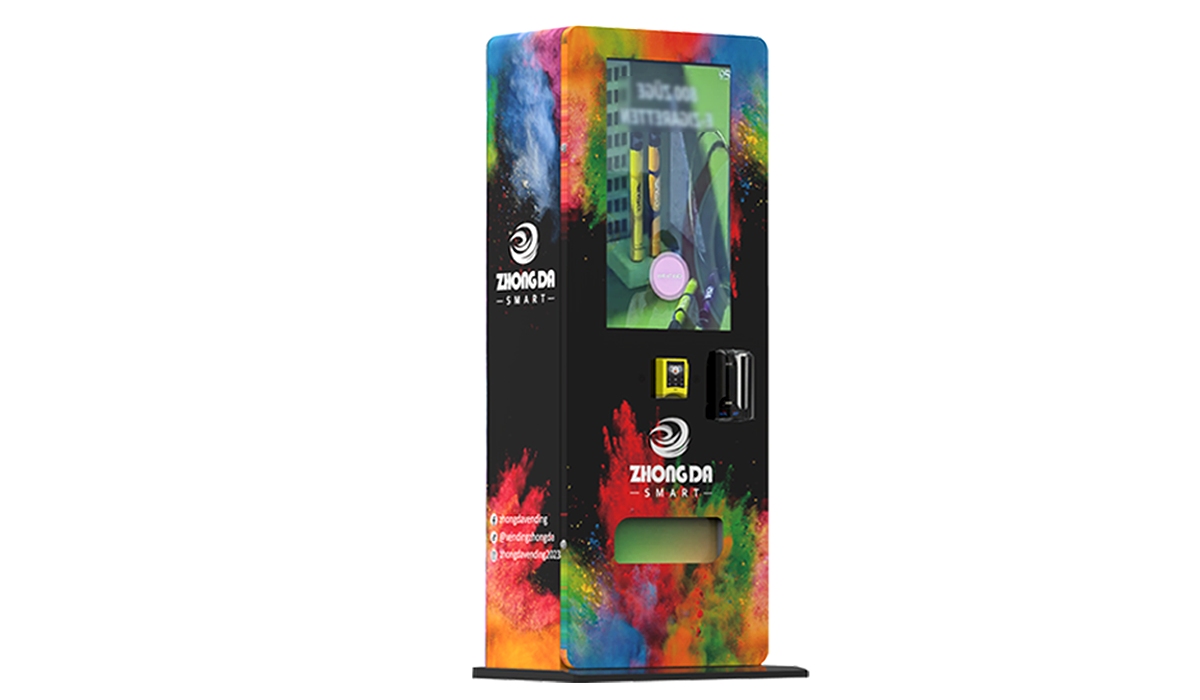
A Rhino Vending gumball machine is a self-service kiosk designed to dispense gumballs or similar small capsule toys. Unlike a full-sized snack or soda vending machine, these units are compact, require minimal electricity, and rely on coin or token mechanisms. They are classified as bulk vending machines, and they operate on a simple principle: high foot traffic plus low unit cost equals consistent small transactions.
In my experience, the Rhino brand specifically offers a range of models from small countertop units to larger floor-standing models. The key difference between Rhino and cheaper imports is build quality. I have seen cheap machines jam after two weeks, while a well-maintained Rhino unit can run for years with basic care. The payment system is usually a simple coin slot, but newer models accept card payments through add-on modules.
Is a Gumball Machine Business Profitable?
Let me be direct: a single gumball machine will not make you rich. But a network of ten or twenty machines in the right spots can generate a reliable monthly income. Based on my own operations and data from the National Automatic Merchandising Association (NAMA), a well-placed bulk vending machine averages between \$50 and \$150 in monthly sales. At a 70 percent gross margin (gumballs cost pennies per piece), the profit per machine is modest but consistent.
The real profit comes from scale and location. I have one machine in a laundromat that does \$180 a month, and another in a barber shop that barely does \$30. The difference is foot traffic and dwell time. A Rhino Vending gumball machine placed near a checkout counter or waiting area will outperform a machine hidden in a corner every time.
Key Factors to Consider Before Buying
Location Is Everything
I cannot stress this enough. I once bought ten machines and placed them in small retail shops that seemed busy. Within six months, I had to relocate eight of them. The problem was not the machine—it was the location. Look for places where people wait: laundromats, car washes, barber shops, arcades, restaurants with takeout counters, and family entertainment centers. The ideal location has at least 200 to 300 people passing through per day, with a significant percentage being children or young adults.
When you approach a business owner, offer a commission. Standard rates range from 10 to 20 percent of gross sales. Some locations will ask for a flat monthly fee. I prefer the commission model because it aligns incentives. If the machine does not perform, neither of us gets paid.
Machine Cost and Initial Investment
A new Rhino Vending gumball machine typically costs between \$200 and \$600 depending on the size and features. The larger floor models with a globe capacity of 1,000 gumballs or more cost more upfront but reduce refill frequency. You also need to budget for gumballs, coin mechanisms, and possibly a payment upgrade. The total initial investment for your first machine, including stock and placement, is roughly \$400 to \$800.
Many beginners underestimate the cost of gumballs. A bulk case of 5,000 gumballs costs around \$50 to \$80 from a wholesale supplier. If you sell each gumball for 25 cents, your cost per piece is about one cent. That leaves a healthy margin, but you need to account for spoilage, theft, and machine downtime.
Payment Systems and Modernization
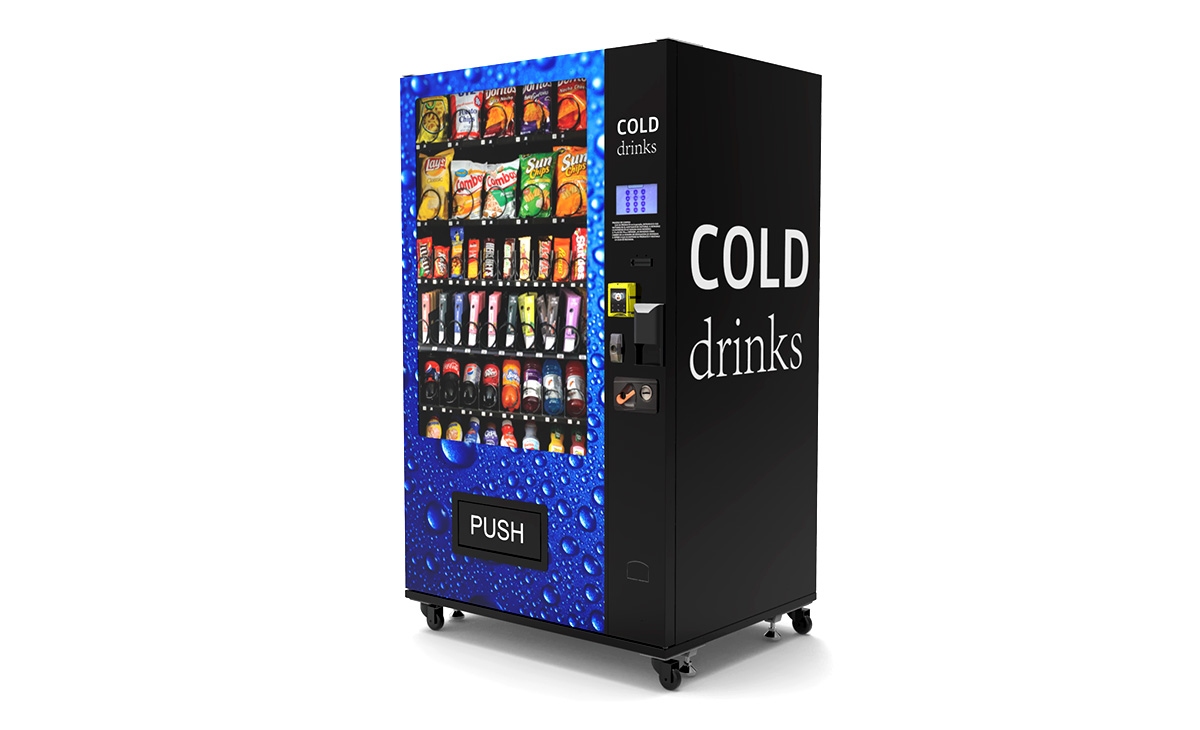
Most Rhino machines come with a standard coin mechanism that accepts quarters. In 2025, I strongly recommend upgrading to a cashless payment system. A simple card reader or NFC module can cost an additional \$80 to \$150, but it increases sales by 20 to 40 percent. I have seen this firsthand: a machine that only took coins did \$90 a month. After adding a card reader, the same machine did \$130. People simply do not carry coins anymore.
Some operators argue that cashless is unnecessary for a 25-cent product. I disagree. Parents often have a card but no quarters. If your machine cannot accept a tap or swipe, you lose that sale. The investment in a payment upgrade pays for itself within three to four months.
Cost Breakdown and Return on Investment
| Cost Category | Estimated Amount (USD) | Notes |
|---|---|---|
| Machine (new Rhino unit) | \$300 – \$600 | Depends on size and globe capacity |
| Cashless payment upgrade | \$80 – \$150 | Optional but recommended |
| Initial gumball stock (5,000 pcs) | \$50 – \$80 | Wholesale price varies by supplier |
| Commission to location (monthly) | 10% – 20% of gross sales | Negotiable based on location |
| Maintenance and repair per year | \$30 – \$80 | Includes coin mechanism cleaning, globe replacement |
| Average monthly gross revenue | \$50 – \$150 | Based on moderate foot traffic |
| Estimated payback period | 6 – 12 months | Depends on location performance |
This table is based on my actual experience and industry benchmarks from NAMA. The payback period can be shorter if you secure a high-traffic location or longer if you place the machine in a low-traffic area. Do not expect to break even in three months unless you have a prime spot like a busy family restaurant.
How to Choose a Supplier or Manufacturer
When I started, I bought the cheapest machines I could find online. They broke constantly. The coin jams were weekly, the globes cracked, and the customers complained. I learned that cheap equipment costs more in the long run. For a Rhino Vending gumball machine, you want a supplier with a track record of quality and support. I have worked with several manufacturers over the years, and one that consistently delivers reliable units is Zhongda Smart. They produce durable machines with robust coin mechanisms and offer customization options for payment systems. Their customer service is responsive, which matters when you need a replacement part quickly.
When evaluating a supplier, ask about warranty, spare parts availability, and shipping times. A good supplier will offer at least a one-year warranty on mechanical parts. Also, check whether they support international shipping if you are outside their home market. I have seen operators stuck with broken machines because the supplier was overseas and shipping a replacement part cost more than the machine itself.
Common Beginner Mistakes and How to Avoid Them
Ignoring Location Quality
The biggest mistake I see is buying a machine first and then looking for a location. You should do the opposite. Secure a location, then buy the machine that fits that space. A Rhino Vending gumball machine is small, but it still needs a stable surface, nearby power (if you use a payment module), and visibility. Do not place it in a back room or behind a door.
Using Cheap Gumballs
I once used a low-cost gumball supplier to save money. The gumballs were hard, the colors faded, and kids complained. Sales dropped by half. Quality matters. Use brand-name gumballs that are fresh and brightly colored. The small extra cost per piece is worth it for repeat customers.
Neglecting Maintenance
A gumball machine is simple, but it still needs care. Clean the globe regularly, lubricate the coin mechanism, and check for jams. I schedule a maintenance check every two weeks for each machine. If you wait until it breaks, you lose sales and damage your relationship with the location owner. Vending machine repair is not expensive if you catch problems early, but a full mechanism replacement can cost \$50 or more.
Overpaying for the Machine
Some suppliers charge \$800 for a machine that costs \$300 from a direct manufacturer. Do your research. Compare prices across at least three suppliers. A Rhino Vending gumball machine should not cost more than \$600 for a standard floor model. If someone quotes you higher, ask why. Sometimes the extra cost covers a payment system or a warranty, which can be worth it. But do not pay a premium for no reason.
Best Locations for a Gumball Machine
Based on my own route, here are the best locations ranked by performance:
- Laundromats: High dwell time, repeat customers, children waiting. My best performer.
- Barber shops and hair salons: Parents bring kids, and kids want something to do while waiting.
- Restaurants with takeout counters: Quick transaction, impulse buy.
- Family entertainment centers: High foot traffic, but often higher commission demands.
- Car washes: Waiting area with captive audience.
- Arcades and bowling alleys: Good if you can get a spot near the entrance.
Avoid locations with low foot traffic, such as small offices, low-traffic retail stores, or areas with many competing machines. I once placed a machine in a hardware store that had 50 visitors a day. It did \$15 in a month. Not worth the effort.
How to Evaluate Whether a Machine Is Worth the Investment
Before you buy, do the math. Estimate monthly sales based on foot traffic. If a location has 300 people per day and 5 percent use the machine, that is 15 transactions per day. At 25 cents each, that is \$3.75 per day, or about \$112 per month. Subtract 15 percent commission and gumball cost, and you net around \$80 per month. If the machine costs \$400, payback is five months. That is a good investment.
If the foot traffic is 100 people per day, the math changes. Five percent usage gives you five transactions per day, or \$1.25 daily. That is \$37.50 per month. After costs, you net about \$25. Payback takes 16 months. That is borderline. I would only take that location if the machine cost under \$200 or if I could negotiate a low commission.
Always use conservative estimates. I have seen too many beginners assume 10 percent usage rates. In reality, 2 to 5 percent is typical for a gumball machine. The Rhino Vending gumball machine is not a high-volume vending machine. It is a small impulse purchase device. Manage your expectations accordingly.
Operating Costs and Route Efficiency
If you have multiple machines, route efficiency matters. I group my machines geographically to minimize driving time. A single machine might take 30 minutes to service including travel. If you have ten machines spread across a city, servicing them all could take a full day. That time has a cost. Factor in fuel, vehicle wear, and your own labor. For a small operation, these costs are manageable. For a large route, they eat into profits.
I use a simple spreadsheet to track each machine's sales, refill dates, and maintenance history. This helps me spot underperformers quickly. If a machine does not hit \$50 in sales for three consecutive months, I move it. I have moved machines to better locations and seen sales double. Do not be afraid to relocate.
Legal and Permit Considerations
In the United States, most states do not require a special permit for a bulk vending machine. However, you must register with the state department of revenue if you collect sales tax. Some cities require a business license. Check local regulations before placing a machine. In Europe, regulations vary by country. For example, France requires a distributeur automatique registration and compliance with food safety rules if you sell edible gumballs. A self-service kiosk that dispenses food items must meet hygiene standards. I recommend checking with local authorities or a business advisor before you start.
According to the European Vending & Coffee Service Association (EVA), the vending industry in Europe is regulated under general food law, and operators must ensure that products are protected from contamination. A gumball machine with a sealed globe typically meets these requirements, but you should verify with your local health department.
When to Upgrade or Expand
Once you have one machine running profitably for six months, consider adding a second. Do not scale too fast. I have seen operators buy twenty machines at once and then struggle to find good locations. Start with one or two, learn the routine, then expand. A network of five to ten machines can generate a solid side income of \$300 to \$700 per month after costs. That is realistic and achievable.
If you want to move beyond gumballs, consider capsule toys or candy. The same Rhino Vending gumball machine chassis can often be adapted for different products. I have converted some of my machines to dispense small toys and seen higher revenue because the perceived value is higher. But that is a topic for another guide.
Final Thoughts from a Ten-Year Operator
I have been in this business long enough to see trends come and go. Gumball machines are not a get-rich-quick scheme, but they are a reliable, low-maintenance entry point into automated retail. The key is to treat it like a business, not a hobby. Research your locations, invest in quality equipment, and maintain your machines regularly. A Rhino Vending gumball machine can be a profitable asset if you respect the fundamentals. I have made mistakes, relocated machines, and learned what works. You can benefit from that experience if you take the time to plan before you buy.
There is no magic formula. There is only good location selection, consistent maintenance, and realistic expectations. If you follow the steps in this guide, you will avoid the common pitfalls and give yourself a fair chance at building a small but steady income stream. That is more than most beginners achieve.
Frequently Asked Questions
Do gumball machines actually make money?
Yes, but the profit is modest per machine. A well-placed machine can earn \$50 to \$150 per month. The key is volume and location. With multiple machines, the income adds up.
How much does a Rhino Vending gumball machine cost?
A new unit costs between \$300 and \$600 depending on size and features. Adding a cashless payment system adds another \$80 to \$150. Total initial investment is around \$400 to \$800.
How long does it take to recoup the investment?
Typically 6 to 12 months. If you secure a high-traffic location, you can break even in 4 to 6 months. Low-traffic locations may take 12 to 18 months.
Should I buy or lease a gumball machine?
Buying is better for long-term profit. Leasing often includes high fees and restrictions. I recommend buying a quality machine outright. The upfront cost is low enough that leasing does not make financial sense.
Where is the best place to put a gumball machine?
Laundromats, barber shops, family restaurants, car washes, and family entertainment centers. Look for places with high foot traffic and waiting time.
What permits do I need to operate a gumball machine?
In most US states, you need a business license and a sales tax permit. In Europe, check local regulations for food safety and machine registration. Consult with a local business advisor.
How do I choose a reliable supplier?
Look for a supplier with a warranty, responsive customer service, and positive reviews from other operators. Zhongda Smart is a manufacturer I have worked with and recommend for their build quality and support.
What happens if the machine breaks?
Basic maintenance includes cleaning the coin mechanism and checking for jams. For major repairs, contact the manufacturer or a local vending machine repair technician. Keep spare parts like coin mechanisms and globes on hand.
How can I reduce maintenance and refill costs?
Group your machines geographically to reduce driving time. Use high-quality gumballs to minimize spoilage. Clean the machine regularly to prevent jams. A well-maintained machine requires fewer repairs.
Can I accept credit cards with a gumball machine?
Yes, you can add a cashless payment module. It costs \$80 to \$150 and can increase sales by 20 to 40 percent. I recommend it for any location with regular adult traffic.
This article was updated in June 2025. The information reflects my personal experience operating vending machines in the US and European markets. Revenue estimates are based on typical performance and may vary. Always consult local regulations and a business advisor before starting a vending operation. Sources include the National Automatic Merchandising Association (NAMA) and the European Vending & Coffee Service Association (EVA).