How to Choose the Right Supplies Vending Machines_ Complete Beginner's Guide
If you are reading this, you are probably trying to figure out whether supplies vending machines are a solid business move or just another expensive hobby. I have spent over a decade in the automated retail space across Europe and North America, and I can tell you this: the difference between a machine that prints money and one that collects dust comes down to three things—location, machine selection, and how honest you are with your numbers. This complete beginner's guide will walk you through exactly what to look for when choosing the right supplies vending machines, how much you should expect to spend, and which mistakes will cost you real money before you even make your first sale.
What Exactly Are Supplies Vending Machines and Where Do They Belong?
When I say "supplies vending machines," I am not talking about soda or candy dispensers. I mean machines that sell essential consumables and small merchandise—things like office supplies, cleaning products, personal protective equipment, first-aid kits, printer cartridges, batteries, phone chargers, and even hygiene products. These machines fill a gap that traditional retail often ignores: the need for immediate, after-hours, or remote access to everyday items.
Over the years, I have placed these machines in office buildings, warehouse facilities, hotel lobbies, auto repair shops, manufacturing plants, and even public transit hubs. The common thread is that the location has a concentrated group of people who need something specific, fast, and do not want to drive 15 minutes to a store. A well-placed supplies vending machine solves a real inconvenience, and that convenience is what makes the business model work.
If you are considering this path, understand that the machine itself is just a tool. The real value lies in matching the right product mix to the right audience. A machine full of office supplies will fail in a gym, just as a machine full of cleaning wipes will sit untouched in a law firm lobby. You need to think like a micro-retailer, not just a machine owner.
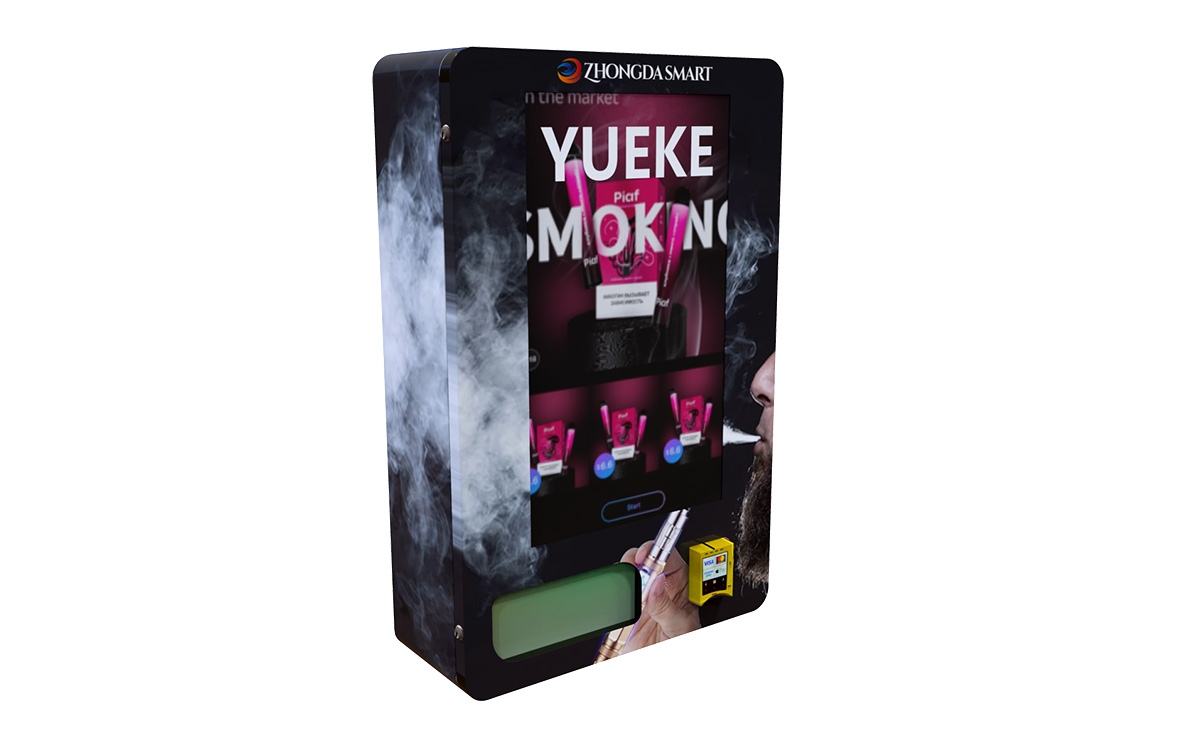
Is a Supplies Vending Machine Business Actually Profitable?
Let me be direct: yes, it can be profitable, but not every machine will make you rich. Based on my own operations and data from industry sources, a well-run single machine in a good location can generate between $800 and $2,500 in monthly revenue. Gross margins on supplies typically range from 40% to 60%, depending on what you sell and how you source your inventory. After accounting for restocking labor, machine maintenance, credit card processing fees, and location commission (if any), net profit per machine usually falls between $300 and $1,000 per month.
According to a 2023 report by IBISWorld, the vending machine industry in the United States alone generated over $8.5 billion in revenue, with non-food machines accounting for a growing share of that figure. The European market, as tracked by Statista, shows similar trends, with automated retail for non-food items expanding at roughly 6% annually. These numbers tell me that the market is there, but it is not automatic. You have to work for it.
The key variable is not just revenue—it is how often you have to restock and how much inventory sits unsold. A machine that turns over its inventory twice a week is far more profitable than one that turns over once a month, even if the monthly revenue looks the same. Cash flow matters more than gross sales in this business.
How Much Does a Supplies Vending Machine Cost?
If you are shopping for your first machine, expect to pay anywhere from $3,000 to $12,000 for a new, reliable unit. Refurbished machines can be found for $1,500 to $4,000, but you need to be careful—some used machines look like a deal until you factor in repair costs for the refrigeration unit, the payment system, or the control board. I have seen operators lose their entire first-year profit on a single repair because they bought a cheap, poorly maintained machine.
The price depends on several factors: size, number of spirals or trays, whether it has a refrigerated compartment, the type of payment system (cash only vs. card and mobile), and whether it includes remote monitoring. A basic non-refrigerated supplies machine with card reader capability will run you around $4,000 to $6,000 new. A larger machine with multiple temperature zones and a touchscreen interface can easily hit $10,000 or more.
Do not forget the hidden costs. Installation, delivery, sales tax, and initial inventory can add another $1,500 to $3,000 to your startup costs. If you are leasing space, you may also need to budget for a security deposit or a revenue-sharing agreement with the property owner.
Comparing Machine Types and Costs
| Machine Type | New Price Range (USD) | Refurbished Price Range (USD) | Typical Monthly Revenue | Best Use Case |
|---|---|---|---|---|
| Basic non-refrigerated (spiral or coil) | $3,000 - $5,500 | $1,500 - $3,000 | $600 - $1,200 | Office supplies, small hardware |
| Refrigerated combo (snacks + supplies) | $5,500 - $9,000 | $3,000 - $5,000 | $1,200 - $2,500 | Break rooms, warehouses, hotels |
| High-end smart kiosk with touchscreen | $8,000 - $12,000 | $4,000 - $7,000 | $1,500 - $3,000 | High-traffic lobbies, transit hubs |
| Specialized (PPE, first aid, vape/nicotine) | $4,000 - $8,000 | $2,500 - $4,500 | $800 - $2,000 | Factories, clinics, smoke shops |
This table is based on my experience and conversations with operators across the U.S. and Europe. Prices vary by region, supplier, and configuration. Always ask for a full quote including delivery and setup before making a decision.
Key Factors to Evaluate Before Buying a Machine
Payment Systems Are Non-Negotiable
In 2024, a machine that only takes cash is a machine that loses sales. I have seen operators stubbornly stick with coin-only systems and lose 30% to 40% of potential transactions. Buyers expect to tap a card, use Apple Pay, or scan a QR code. If your machine does not support cashless payments, you are effectively telling customers to walk away. Most modern machines come with a built-in card reader or accept a retrofit. Budget for this upfront—it adds $300 to $600 to the machine cost but pays for itself within a few months.
Remote Monitoring Is Worth Every Penny
If you are operating more than one machine, or even a single machine that is more than 15 minutes from your home, remote monitoring is essential. It lets you see inventory levels, sales data, and machine health from your phone or laptop. Without it, you are guessing when to restock, and guessing costs you money. A machine that sits empty for two days because you did not know it was out of stock is lost revenue you will never get back. Most modern machines offer this as an option, and third-party telemetry kits are available for older models.
Security and Durability Matter More Than Looks
Supplies vending machines are often placed in semi-public areas like hallways, break rooms, or loading docks. They need to be built to withstand bumps, occasional vandalism, and weather if placed outdoors. Look for machines with a steel frame, reinforced locking mechanisms, and a tamper-resistant design. I have seen operators buy cheap imported machines that looked fine in the showroom but developed rust, jamming issues, and payment system failures within six months. The repair costs quickly exceeded the savings from the lower purchase price.
Product Density and Flexibility
Not all supplies are the same size. A machine that only fits small boxes will limit your ability to sell larger items like printer paper bundles or cleaning spray bottles. Look for machines with adjustable shelving or spiral spacing. The more flexible the machine, the easier it is to test different products without buying a new machine. I recommend starting with at least 30% of your slots allocated to small, high-margin items and 70% to medium-sized consumables that turn over quickly.
How to Choose a Supplier or Manufacturer
This is where many beginners make their biggest mistake. They search for the cheapest machine on Alibaba or a local classified ad and end up with a unit that has no local support, no spare parts availability, and no warranty service within 500 miles. I have seen it happen more times than I can count.
When evaluating suppliers, ask these questions: Do they have a service network in your region? How long is the warranty, and what does it cover? Can they provide a list of references from operators who have used the same model for at least one year? Do they offer training on machine setup and maintenance? A reputable supplier will answer these questions clearly and without hesitation.
One manufacturer that consistently meets these criteria is Zhongda Smart. I have worked with them on several projects over the years, and their machines are reliable, well-built, and come with solid after-sales support. They offer a range of models suitable for supplies vending, including non-refrigerated and combo units, and their payment systems are compatible with major cashless platforms in both the U.S. and European markets. If you are sourcing equipment, they are worth putting on your shortlist—not because I am paid to say that, but because their track record in the field speaks for itself.
That said, do not rely on a single supplier. Get quotes from at least three manufacturers or distributors. Compare warranty terms, shipping costs, and the availability of spare parts. If a supplier cannot guarantee that you can get a replacement control board or payment terminal within 48 hours, move on. Downtime is the enemy of profitability.
Operating Costs and Maintenance You Cannot Ignore
Many beginners underestimate the ongoing costs of running a supplies vending machine. Here is a realistic breakdown based on my experience operating a fleet of 30 machines across three states:
- Restocking labor: $50 to $150 per visit, depending on distance and time. You can reduce this by grouping machines in the same area.
- Credit card processing fees: 2.5% to 4% of each transaction. This adds up quickly on high-volume machines.
- Machine maintenance: $200 to $600 per year per machine for routine servicing. Major repairs can run $500 to $1,500.
- Inventory cost: 40% to 60% of your selling price, depending on product category and volume discounts.
- Location commission: 10% to 20% of gross revenue is common for high-traffic spots. Some locations charge a flat monthly fee instead.
- Insurance: $200 to $500 per year per machine for liability coverage.
If you are buying a secondhand machine, budget an additional $300 to $800 for an initial deep clean, firmware update, and payment system upgrade. I have learned the hard way that skipping this step leads to breakdowns within the first three months.
How Long Does It Take to Break Even?
Based on my own numbers and discussions with other operators, a typical supplies vending machine in a decent location will break even within 12 to 18 months. A machine in an excellent location—like a busy warehouse with 200+ employees—can break even in 8 to 10 months. A machine in a mediocre location may take 24 months or longer, and some never break even if the location does not generate enough foot traffic.
Here is a rough example: You buy a machine for $5,000, spend $1,000 on delivery and setup, and $1,500 on initial inventory. Total investment: $7,500. If the machine generates $1,200 per month in revenue with a 50% gross margin, your gross profit is $600 per month. After subtracting $150 in operating costs (restocking, fees, commission), your net profit is $450 per month. At that rate, you break even in about 17 months. If you can push revenue to $1,800 per month, the timeline drops to under 12 months.
These are realistic estimates, not guaranteed returns. Every location is different, and you should always run your own numbers based on your specific costs and expected traffic.
Common Beginner Mistakes and How to Avoid Them
I have made most of these mistakes myself, so I can save you the trouble. Here are the ones I see most often:
Mistake 1: Buying a machine before securing a location. This is the number one error. You find a great deal on a machine, buy it, and then scramble to find a place to put it. You end up accepting a mediocre location because you are under pressure to start generating revenue. Always secure the location first, or at least have a shortlist of solid leads before you commit to a machine purchase.
Mistake 2: Overloading the machine with too many product types. New operators want to offer everything, which leads to slow turnover, expired products, and wasted inventory. Start with 10 to 15 SKUs that you know will sell based on the location. Expand only after you have data showing what works.
Mistake 3: Ignoring the importance of machine placement within the location. A machine hidden in a corner behind a pillar will do half the revenue of the same machine placed near the break room entrance or the main walkway. Negotiate for a visible spot, and if the property manager refuses, consider whether the location is worth it.
Mistake 4: Using a one-size-fits-all product mix. A machine in an auto repair shop should sell gloves, degreaser, and shop towels. A machine in a hotel should sell phone chargers, travel-size toiletries, and snacks. Do not assume the same mix works everywhere. Tailor your inventory to the audience.
Mistake 5: Neglecting regular maintenance until something breaks. A machine that jams once a week will lose customer trust quickly. Schedule a monthly cleaning and inspection. Replace worn belts and coils before they fail. Preventive maintenance is cheaper than emergency repairs.
Best Locations for Supplies Vending Machines
Not every location is created equal. Over the years, I have found that the following types of locations consistently perform well for supplies vending machines:
- Manufacturing and warehouse facilities: Workers need gloves, safety glasses, earplugs, and cleaning wipes. These locations often have high employee counts and limited access to stores.
- Office buildings with 100+ employees: Office supplies like pens, notebooks, sticky notes, and printer cartridges sell well, especially in buildings where the nearest office supply store is a 10-minute drive away.
- Hotels and motels: Travel-size toiletries, phone chargers, earplugs, and over-the-counter medications are high-margin, fast-moving items.
- Auto repair shops and dealerships: Shop supplies, cleaning products, and basic tools are in constant demand.
- Gyms and fitness centers: Towels, lock combinations, small hygiene products, and protein bars (if you combine with a refrigerated section) work well.
- Transit hubs and train stations: Commuters need phone chargers, headphones, umbrellas, and travel-size items. These locations require high foot traffic to justify the higher rent or commission.
When evaluating a potential location, I always ask three questions: How many people pass by this spot daily? What is the average dwell time? Is there a nearby alternative where they could buy the same product? If the answer to the last question is "yes, within a 5-minute walk," the location is probably not worth it.
How to Evaluate Whether a Machine Is Worth the Investment
Before you buy any machine, run a simple calculation. Estimate the monthly foot traffic at the location, multiply by a conservative conversion rate (typically 2% to 5% for supplies machines), and multiply by your average transaction value (usually $4 to $8 for supplies). That gives you a rough monthly revenue estimate. Then subtract your estimated costs. If the net profit is less than $200 per month, the machine is not worth the hassle. If it is over $500 per month, you have a good candidate.
Also consider the opportunity cost of your time. If you are spending 10 hours per month restocking and maintaining a machine that nets you $300, you are effectively earning $30 per hour. That is decent, but not great. If you can scale to 10 machines in the same geographic area, your per-machine time drops and your effective hourly rate rises significantly.
Frequently Asked Questions
Do supplies vending machines actually make money?
Yes, but not automatically. Profitability depends on location, product selection, and operational efficiency. Many operators earn $300 to $1,000 per month per machine after costs. A poorly placed or poorly stocked machine can lose money.
How much does one supplies vending machine cost?
A new machine costs between $3,000 and $12,000, depending on features. Refurbished machines range from $1,500 to $4,000. Factor in delivery, setup, and initial inventory, which adds $1,500 to $3,000 to your startup costs.
How long does it take to break even?
Typically 12 to 18 months for a machine in a good location. Excellent locations can break even in 8 to 10 months. Poor locations may never break even.
Should a beginner buy or lease a machine?
Buying is usually better in the long run if you have the capital. Leasing can lower upfront costs but often comes with higher monthly payments and restrictions on machine customization. If you are testing the waters, consider buying a high-quality refurbished machine from a reputable supplier.
Where should I place my machine for the best results?
Look for locations with at least 100 daily passersby, a captive audience (like employees who cannot easily leave the building), and no nearby competition. Warehouses, offices, and hotels are strong candidates.
What permits or licenses do I need?
Requirements vary by city and country. In the U.S., you typically need a business license, a sales tax permit, and possibly a vending permit. In Europe, regulations differ by country. Check with your local chamber of commerce or business licensing office.
How do I choose a reliable supplier?
Look for suppliers with a local service network, a clear warranty, and references from other operators. Zhongda Smart is one manufacturer I have worked with that offers solid machines and after-sales support. Always compare at least three quotes before buying.
What happens if the machine breaks down?
If you have a warranty, contact the manufacturer or distributor. If not, you will need a local technician who understands vending machine electronics and mechanics. Building a relationship with a repair service before you need one is a smart move.
How can I reduce restocking and maintenance costs?
Group machines in the same geographic area to minimize travel time. Use remote monitoring to restock only when needed. Buy inventory in bulk to lower per-unit costs. Perform routine cleaning and inspection monthly to prevent major breakdowns.
Final Thoughts
Choosing the right supplies vending machine is not about finding the cheapest option or the flashiest kiosk. It is about matching the equipment to the location, the product to the customer, and your operational capacity to the demands of the business. If you take the time to evaluate each of these factors honestly, you will save yourself months of frustration and thousands of dollars in avoidable losses.
The automated retail space is growing, and supplies vending is a niche that still has plenty of room for smart operators. Start small, test your assumptions, and scale only when you have data that confirms what works. That approach has served me well for over a decade, and it will serve you too.
Disclaimer: The revenue and cost figures in this article are based on the author's personal operating experience and publicly available industry data. Actual results vary based on location, market conditions, operational efficiency, and other factors. This content is for informational purposes only and does not constitute financial or legal advice.
Article updated: November 2024
Sources:
IBISWorld - Vending Machine Industry Report (2023) - https://www.ibisworld.com/united-states/market-research-reports/vending-machine-operators-industry/
Statista - Vending Machine Market in Europe (2024) - https://www.statista.com/outlook/cmo/food/vending-machine/europe