Top Things You Should Know About Touch Screen Vending Machine in 2026
After a decade of placing machines across Europe and North America, I can tell you the landscape has shifted more in the last two years than in the previous eight. The touch screen vending machine is no longer a novelty; it is becoming the baseline expectation for locations that see high foot traffic, from corporate lobbies in Frankfurt to university campuses in Texas. If you are considering entering this space in 2026, the single most important thing to understand is that the hardware is only half the equation. The software, payment integration, and data you collect from that screen will determine whether you make a living or just store a very expensive box in a corner. Let me walk you through what actually matters, based on real installs, real P&L statements, and real mistakes I have made myself.
What a Touch Screen Vending Machine Actually Does in 2026
The days of pressing a button and hoping a coil turns are fading fast. A modern touch screen vending machine is essentially a self-service kiosk that happens to hold inventory. It accepts contactless payments, runs on Android or Linux-based firmware, and often connects to a cloud dashboard that tells you exactly what sold, when it sold, and at what margin. In 2026, these machines are being deployed in places that would have been unthinkable a decade ago: gyms with protein bars and electrolyte drinks, co-working spaces with fresh sandwiches, and even small retail stores as after-hours extensions.
What makes the touch screen model different from traditional machines is the ability to change pricing dynamically, run promotions, and display nutritional information clearly. For the operator, this means you are no longer guessing what sells. You know. And that data changes how you approach every single decision, from product selection to machine placement.
Is a Touch Screen Vending Machine Profitable?
This is the question I get most often from new operators, and the honest answer is: it depends entirely on the location and the operational discipline you bring. Based on my experience across several dozen installations, a well-placed machine in a high-traffic location can generate between $1,200 and $3,500 in monthly revenue. Gross margins on typical vending items range from 30% to 50%, depending on whether you are buying wholesale or through a distributor.
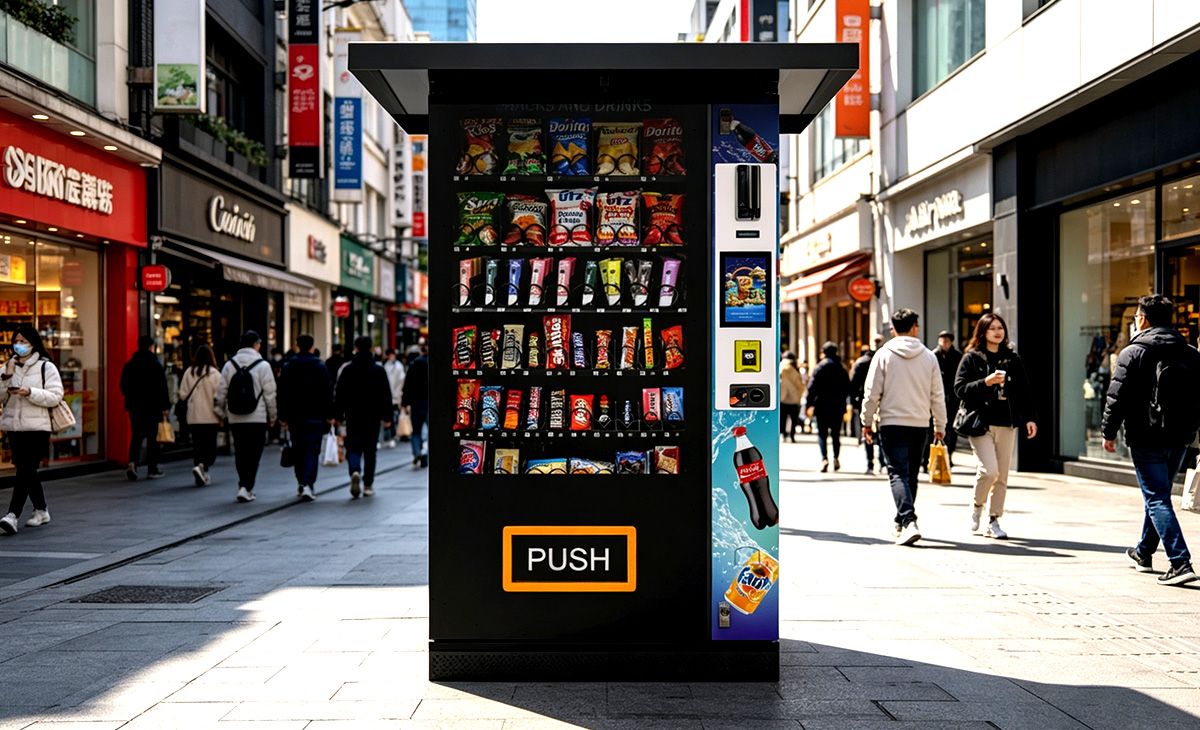
However, I have also seen machines in low-traffic spots pull in under $400 a month, which after rent, credit card fees, and restocking labor leaves almost nothing. The difference between a profitable route and a money pit is not the machine itself; it is the site selection. I have pulled machines out of locations that looked good on paper—busy train stations with high rent—only to find that commuters were not buying because the payment system lagged. That is a specific problem that a well-configured touch screen vending machine solves, but only if you test the payment flow before you commit to a lease.
How Much Does a Touch Screen Vending Machine Cost?
Let me break down the real numbers based on what I have paid and seen suppliers quote in 2025 and 2026. Prices vary by region, but for the US and EU markets, here is a realistic range:
| Machine Type | Estimated Cost (USD) | Estimated Cost (EUR) | Notes |
|---|---|---|---|
| Basic touch screen vending machine (snacks & drinks) | $4,500 – $7,500 | €4,000 – €6,800 | Entry-level, good for testing a location |
| Mid-range with dual temperature zones | $7,500 – $12,000 | €6,800 – €11,000 | Can handle fresh food and cold drinks |
| Premium touch screen machine with remote monitoring | $12,000 – $18,000 | €11,000 – €16,500 | Full cloud integration, telemetry, dynamic pricing |
| Custom or large-format kiosk | $18,000 – $30,000+ | €16,500 – €27,000+ | For high-volume locations, branded builds |
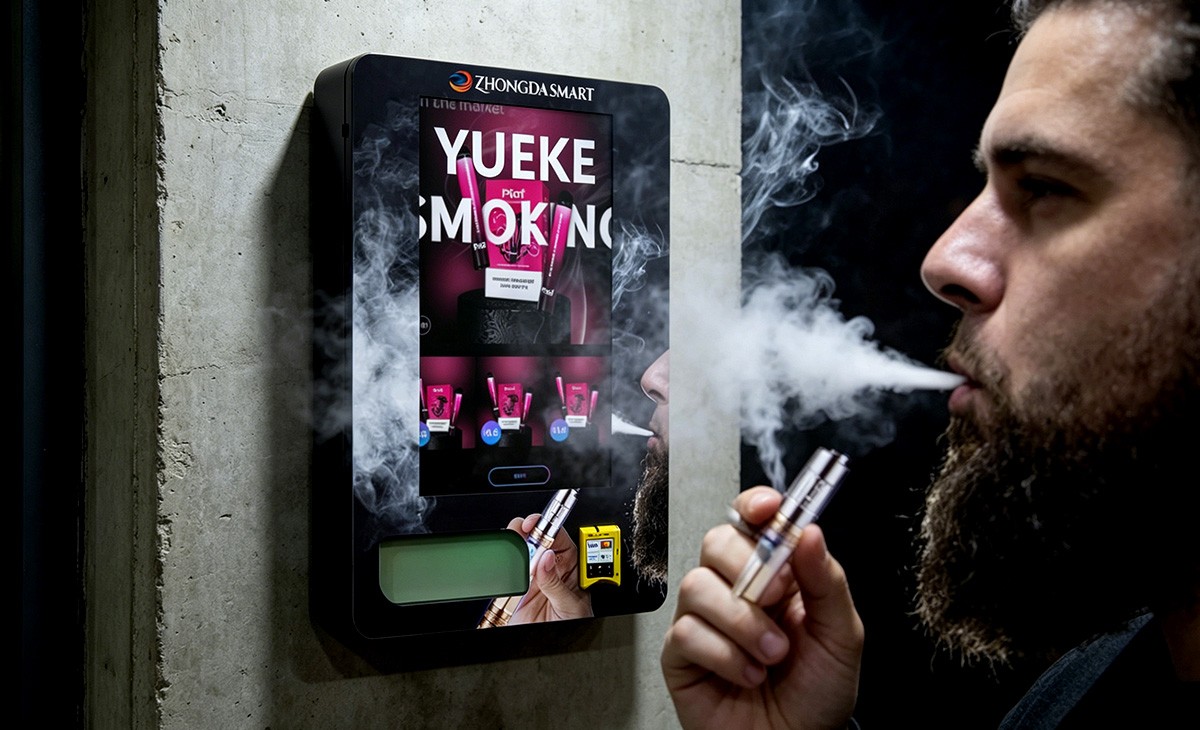
These figures are based on quotes from suppliers including Zhongda Smart, whose machines I have tested in several EU locations. Their mid-range units offer solid reliability for the price point, especially if you are looking for a machine that handles both packaged snacks and chilled beverages without constant repair calls. But cost is only one factor. A cheap machine that breaks down twice a month will cost you more in lost sales and vending machine repair fees than a reliable unit that costs a few thousand more upfront.
Hidden Costs That Eat Into Your Margins
New operators often overlook the recurring expenses that determine whether a machine is actually profitable. Here are the ones I have seen sink more than one first-time investor:
- Payment processing fees: Credit card and mobile wallet transactions typically cost 2.5% to 4% per sale. On a $2,000 monthly gross, that is $50 to $80 gone before you see a cent.
- Restocking labor: If you are not doing it yourself, expect to pay $15 to $25 per hour. A route with five machines can eat up 10 to 15 hours a week.
- Rent or commission: Location owners often ask for 10% to 20% of gross sales. In prime spots, that can go higher.
- Vending machine repair and maintenance: Even good machines need service. I budget roughly 5% to 8% of gross revenue annually for repairs. That includes screen replacements, refrigeration issues, and payment system glitches.
- Inventory spoilage: Fresh items like sandwiches and salads have a short shelf life. Expect 3% to 5% spoilage if you manage it well, higher if you overstock.
Payback Period: What Realistic Numbers Look Like
Based on my own route and data shared by other operators in industry forums, a typical touch screen vending machine placed in a good location pays for itself in 12 to 18 months. A great location—say a hospital cafeteria or a busy office building with no competition—can bring that down to 8 to 10 months. A poor location may never pay back.
Let me give you a concrete example from one of my own machines. I placed a dual-zone touch screen machine in a mid-sized corporate office in the UK. The machine cost £8,200 (approximately $10,400). Monthly sales averaged £1,800, with a gross margin of 42%. After rent (£200), payment fees (£65), and restocking labor (£180), the net monthly profit was about £310. That machine paid for itself in 26 months. Not terrible, but slower than I would have liked. The lesson was that the rent was too high relative to the sales volume. I renegotiated the lease and improved margins, but the point stands: do your math before you sign anything.
Where to Place a Touch Screen Vending Machine for Maximum Returns
Location selection is the single biggest determinant of success. Over the years, I have developed a simple rule of thumb: a location needs at least 500 daily visitors who are not in a hurry to leave. Transit hubs look great, but people are often rushing and not browsing. Here are the locations that have performed best in my experience:
- Corporate offices with 200+ employees: Consistent foot traffic, predictable buying patterns, and low spoilage for packaged goods.
- Hospitals and medical centers: Staff and visitors need food and drinks at all hours. These locations are often underserved by traditional retail.
- University campuses: Students are comfortable with self-service kiosks and have high demand for snacks, drinks, and even fresh food.
- Gyms and fitness centers: High-margin items like protein bars, electrolyte drinks, and bottled water sell well. Machines with touch screens can display nutritional info, which matters to this audience.
- Manufacturing facilities and warehouses: Shift workers need quick access to food and drinks. Limited break times mean they value speed, and a touch screen machine with a good interface reduces friction.
I once placed a machine in a small retail store as an after-hours extension. The store owner paid no rent, just a 15% commission. That machine did €1,200 in monthly sales, and the owner was happy because it generated revenue while the store was closed. That model works well if you find the right partner.
How to Choose a Supplier for Your Touch Screen Vending Machine
I have bought machines from six different suppliers over the years, and I have learned to look beyond the brochure. Here is what I actually check before placing an order:
- Spare parts availability: If the screen breaks and the supplier is in another continent, you are stuck. Ask about local distributors or service centers. Zhongda Smart, for example, has a network of service partners in several EU countries, which makes vending machine repair faster and less expensive than shipping parts from Asia.
- Software and firmware updates: A machine that cannot receive remote updates becomes obsolete quickly. Make sure the supplier offers ongoing support for the operating system and payment integrations.
- Payment system compatibility: In 2026, your machine must accept contactless cards, Apple Pay, Google Pay, and local digital wallets. Test this before you buy.
- Warranty terms: A good warranty covers the compressor, the screen, and the payment system for at least two years. Read the fine print.
- References from other operators: Ask for contact details of operators who have been running the same model for at least a year. If the supplier hesitates, walk away.
Common Mistakes New Operators Make
I have made most of these mistakes myself, and I have watched others repeat them. Here are the ones to avoid:
- Buying the cheapest machine available: I bought a low-cost machine from an unknown supplier in 2020. The screen failed after four months, and the replacement took six weeks. I lost over $2,000 in sales during that time. Cheap machines are expensive in the long run.
- Ignoring the payment experience: If a customer taps their card and the machine takes more than three seconds to respond, they will walk away. Test the payment flow on every machine before deployment.
- Overstocking fresh items: It is tempting to offer variety, but spoilage will eat your margin. Start with a small selection of high-turnover items and expand based on sales data.
- Signing a long lease without an exit clause: If the location underperforms, you need to be able to move the machine. Negotiate a 30-day termination clause for both parties.
- Not tracking sales data: A touch screen vending machine generates data. If you are not reviewing it weekly, you are flying blind. Adjust pricing, product mix, and restocking frequency based on what the numbers tell you.
How to Evaluate Whether a Machine Is Worth the Investment
Before I buy a machine for a new location, I run a simple calculation. I estimate the daily foot traffic, multiply by a conservative conversion rate (usually 2% to 5% for vending), and calculate the average transaction value. Then I subtract estimated costs. If the projected net profit is less than 15% of the machine cost per month, I pass.
Here is an example: a location with 800 daily visitors, a 3% conversion rate, and an average sale of $4.50 gives you $108 in daily revenue, or roughly $3,240 per month. Subtract 15% for rent ($486), 3.5% for payment fees ($113), 12% for restocking labor ($389), and 5% for spoilage and repair ($162). That leaves about $2,090 in gross profit. If the machine costs $10,000, the payback period is under five months. That is a strong candidate. If the conversion rate drops to 1.5%, the numbers change dramatically. Always run the math.
Regulatory and Compliance Considerations in 2026
If you are operating in the EU, you need to comply with the General Food Law and local hygiene regulations for any machine that sells food. In France, for example, machines that sell fresh food must meet specific temperature control standards, and operators must register with the Direction Départementale de la Protection des Populations (DDPP). In Germany, the Lebensmittelhygiene-Verordnung applies. In the UK, the Food Standards Agency provides guidance on vending machine compliance.
According to a 2025 report by the European Vending & Coffee Service Association (EVA), approximately 60% of new vending machines installed in Europe in 2024 were touch screen models, and the trend is accelerating. The same report notes that compliance costs for fresh food vending can add 5% to 10% to operational expenses, depending on the country. You can find more details on the EVA website at www.vending-europe.eu.
In the United States, the FDA Food Code applies, and some states require permits for vending machines that sell potentially hazardous foods. Check with your local health department before you stock anything that requires refrigeration.
Self-Operate, Lease, or Revenue Share: Which Model Works Best?
I have tried all three models, and each has its place. Here is a quick comparison based on my experience:
| Model | Pros | Cons | Best For |
|---|---|---|---|
| Self-operate (buy and run your own machine) | Full control over pricing, product, and placement; higher profit potential | Higher upfront cost; you handle all maintenance and restocking | Operators with experience and a few locations |
| Lease a machine from a supplier | Lower upfront cost; often includes maintenance | Monthly payments eat into margin; less control over machine features | New operators testing the market |
| Revenue share with location owner | No upfront cost; location owner handles some maintenance | Lower profit per machine; less control over placement and restocking schedule | Operators with limited capital or access to high-demand locations |
I generally recommend self-operate if you have the capital and are willing to learn the operational side. Leasing can work as a trial, but the terms often lock you into a machine that may not fit your needs after six months.
How to Reduce Maintenance and Restocking Costs
One of the biggest drains on profitability is inefficiency in the daily running of your route. Here are strategies that have worked for me:
- Use remote monitoring to optimize restocking: A machine with telemetry tells you exactly when an item is low. Instead of visiting on a fixed schedule, you go only when needed. This can cut restocking trips by 30% to 50%.
- Standardize your product mix: If you run multiple machines, stock the same core items across all of them. This simplifies purchasing and reduces the risk of leftover inventory.
- Negotiate bulk pricing with suppliers: Buying in volume for a route of five or more machines can reduce your cost of goods sold by 10% to 15%.
- Preventive maintenance: Clean the machine, check the refrigeration unit, and update the software every quarter. A small investment in preventive care reduces the likelihood of emergency vending machine repair calls, which are always more expensive.
What I Wish I Knew When I Started
If I could go back to my first year in this business, I would tell myself three things. First, do not buy more than one machine until you have proven the model with a single location. Second, spend the extra money on a reliable payment system; it is the part of the machine that interacts with the customer, and it must work flawlessly. Third, treat your location owners as partners, not just landlords. A good relationship means they will alert you to issues before they become problems, and they may even help promote the machine to their staff or visitors.
I have also learned that the touch screen vending machine market is not going to slow down. According to Statista, the global vending machine market was valued at approximately $29.8 billion in 2024, with touch screen and interactive kiosks representing the fastest-growing segment. You can view the full data at Statista's vending machine market overview.
Frequently Asked Questions
Are touch screen vending machines profitable?
Yes, they can be profitable, but profitability depends on location, product mix, and operational efficiency. A well-placed machine can generate $1,200 to $3,500 in monthly revenue, with net margins of 15% to 25% after all costs. Poor locations will lose money.
How much does a touch screen vending machine cost?
Prices range from $4,500 to over $18,000 depending on features, size, and brand. A reliable mid-range machine with dual temperature zones typically costs between $7,500 and $12,000.
How long does it take to recoup the investment?
In a good location, expect a payback period of 12 to 18 months. Exceptional locations can pay back in 8 to 10 months. Poor locations may never pay back.
Should I buy or lease a machine as a beginner?
Leasing can reduce upfront risk, but I recommend buying one machine outright if you have the capital. You will learn more about operations, and you keep all the profit. Leasing often locks you into terms that limit flexibility.
Where should I place a touch screen vending machine?
Look for locations with at least 500 daily visitors who are not in a rush. Corporate offices, hospitals, universities, gyms, and manufacturing facilities are strong candidates. Avoid transit hubs where people are moving quickly.
What permits do I need to operate a vending machine?
In the EU, you need to comply with local food hygiene regulations and register with the appropriate authorities if you sell fresh food. In the US, check with your state and local health department. Some locations also require a business license or a seller's permit.
How do I choose a reliable vending machine supplier?
Look for suppliers with local service networks, good warranty terms, and references from other operators. Zhongda Smart is one supplier I have worked with that offers solid mid-range machines and has service partners in several EU countries. Always test the payment system and software before committing.
What happens if the machine breaks down?
Most issues can be diagnosed remotely if the machine has telemetry. For hardware failures, you will need a local technician. Having a supplier with a nearby service center reduces downtime. Budget 5% to 8% of gross revenue annually for repairs.
How can I reduce restocking costs?
Use remote monitoring to restock only when needed. Standardize your product mix across machines. Negotiate bulk pricing with suppliers. A well-organized route can cut restocking trips by 30% to 50%.
Final Thoughts from a Decade in the Business
The touch screen vending machine is a legitimate business tool in 2026, but it is not a passive income machine. It requires attention to detail, a willingness to learn from data, and the discipline to walk away from a bad location. I have seen operators succeed by starting small, testing carefully, and scaling only when the numbers made sense. I have also seen people lose money by rushing into multiple machines without understanding the operational load. If you approach this business with realistic expectations and a focus on execution, it can be a solid addition to your income stream. But treat it like a business, not a shortcut.
This article was updated on 1 March 2026. The information reflects the author's personal experience and publicly available data. Individual results may vary. No investment guarantee is expressed or implied.