Is Vending Machine Business For Sale In Florida Worth It_ Pros, Cons, and Real-World Insights
If you have been searching online for a vending machine business for sale in Florida, you have likely seen a mix of flashy income claims and vague promises. After a decade of operating vending routes across the Southeast, I can tell you that the reality sits somewhere between a solid side income and a full-time headache. Florida offers unique advantages—year-round tourism, a transient population, and warm weather that reduces certain maintenance issues. But it also brings high competition, seasonal fluctuations, and strict food safety rules. Before you write a check, you need to understand what you are actually buying. Let me walk you through the real numbers, the common pitfalls, and the specific factors that determine whether a vending machine business for sale in Florida is actually worth your time and capital.
The Florida Vending Landscape: More Than Just Snacks and Soda
Florida is not a single market. What works in Miami Beach will fail in Ocala. The state has a mix of dense urban tourism zones, sprawling suburban communities, industrial corridors, and agricultural areas. Each of these segments demands a different vending strategy.
In tourist-heavy areas like Orlando or Tampa, you can place machines in hotels, short-term rental lobbies, and entertainment venues. These locations generate high weekend traffic but can be dead on weekdays. Industrial parks and warehouses in areas like Jacksonville or Lakeland offer steady weekday traffic but lower weekend sales. You have to match your machine type to the location, not the other way around.
One key factor that many buyers overlook is the Florida heat. Machines placed outdoors or in non-air-conditioned spaces require more frequent refrigeration maintenance. I have seen operators lose an entire summer's profit because they skimped on a high-quality cooling system. If you are looking at a vending machine business for sale in Florida, check the age and condition of the refrigeration units first.
What Does "Vending Machine Business For Sale" Actually Mean?
When you see a listing for a vending machine business for sale, it usually falls into one of three categories: a route with existing machines and locations, a bulk purchase of used machines without locations, or a franchise-style package that includes training and supplier contracts.
The most common listing is a route with 10 to 50 machines already placed in locations like offices, warehouses, or apartment complexes. The seller will provide a profit and loss statement, a list of locations, and sometimes a non-compete agreement. This is the least risky entry point because you are buying cash flow, not just hardware. But you must verify the numbers yourself. I have seen sellers inflate sales figures by including their own labor as a zero-cost line item. When you hire someone to do that same work, the profit disappears.
Used machines sold without locations are almost always a bad deal for a beginner. You will pay for transport, repair, and placement before you see a single dollar in revenue. If you have experience and a cheap source of parts, it can work. But for a newcomer, buying a vending machine business for sale that includes established locations is almost always the smarter move.
The Real Costs: Initial Investment and Operating Expenses
Let me give you a realistic breakdown based on what I have seen across Florida routes. These numbers come from my own operations and from conversations with other operators in the state.
| Cost Category | Low End | Mid Range | High End |
|---|---|---|---|
| Per machine (new, basic combo) | $3,500 | $5,500 | $8,000 |
| Per machine (used, refurbished) | $1,200 | $2,500 | $4,000 |
| Route purchase (10–20 machines with locations) | $15,000 | $35,000 | $60,000 |
| Monthly location commission (per machine) | $50 | $150 | $300 |
| Monthly restocking cost (per machine) | $100 | $250 | $400 |
| Annual maintenance per machine | $200 | $400 | $700 |
These are rough estimates based on Florida operating conditions. A machine in a high-traffic Miami hotel might generate $1,200 per month in sales, while a machine in a small office park in the Panhandle might do $300. Your mileage will vary significantly based on location, product mix, and how often you restock.
According to data from IBISWorld, the vending machine industry in the US has an average profit margin of around 6% to 8% after all expenses. That is not a huge number. But experienced operators who optimize their locations and product selection can push that to 15% or higher. The key is volume and efficiency.
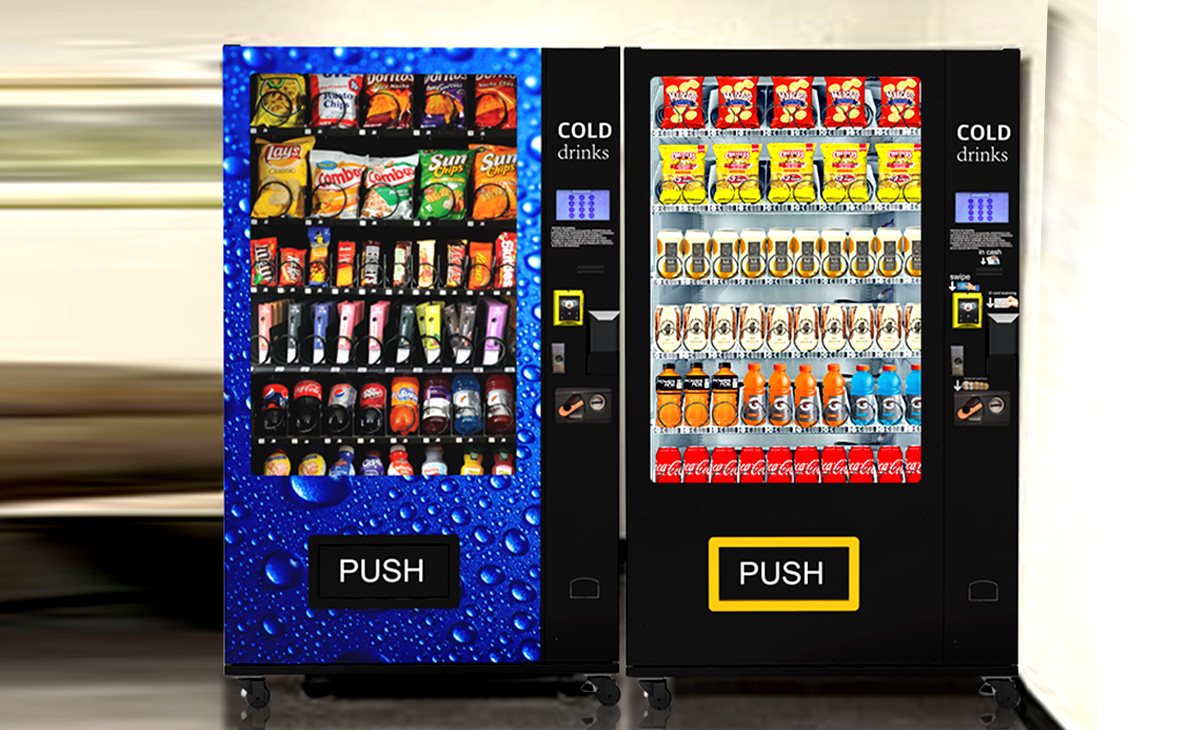
Pros of Buying a Vending Machine Business in Florida
Year-Round Demand in Tourist Zones
Florida receives over 130 million visitors annually according to Visit Florida data. That creates consistent demand in hotels, vacation rentals, and attractions. A vending machine placed in a well-located hotel lobby can generate steady income even during off-peak months, though summer and spring break are the real moneymakers.
Lower Cold Weather Risks
Unlike northern states, Florida rarely faces freezing temperatures that can damage outdoor machines or cause product spoilage. This reduces one of the biggest maintenance headaches for vending operators. You also do not need to worry about snow blocking access to your machines.
Diverse Location Types
From medical office buildings to car dealerships, from apartment complexes to construction sites, Florida offers a wide variety of location types. This diversity allows you to spread risk. If one location slows down, others may pick up the slack.
Growing Population
Florida is one of the fastest-growing states in the US. More people means more potential locations and more customers. This long-term trend supports the value of a well-run vending route.
Cons of Buying a Vending Machine Business in Florida
High Competition
Florida has a large number of vending operators, especially in major metro areas. You will often compete with established companies that have better buying power and more relationships with location managers. New operators sometimes find that the best locations are already taken.
Seasonal Volatility
While tourism is a blessing, it also creates sharp peaks and valleys. A machine that does $1,500 in March might do $400 in September. If you have fixed costs like location commissions or lease payments, those slow months can hurt.
Heat and Humidity
While freezing is rare, heat and humidity are constant. Machines that are not properly ventilated or that have older cooling systems will fail more often. I have had to replace compressors on machines that were only three years old because they were placed in direct sunlight without adequate airflow.
Regulatory Complexity
Florida has specific food safety regulations for vending machines, especially those selling perishable items. You may need permits from both the state and local health departments. According to the Florida Department of Agriculture and Consumer Services, vending machines that sell potentially hazardous foods must meet temperature monitoring and record-keeping requirements. Failing an inspection can shut you down for days.
How to Evaluate a Vending Machine Business For Sale
When you look at a listing, do not just look at the asking price. Ask for the following documents and verify them yourself:
- Location agreements — Are they written contracts or handshake deals? Written contracts are worth more.
- Sales history by location — At least 12 months of data. Look for seasonal patterns.
- Maintenance logs — How often did machines break down? What were the repair costs?
- Product cost data — What is the actual COGS (cost of goods sold)? Some sellers underestimate this.
- Commission structure — Are you paying a flat fee or a percentage? Percentage deals can eat your margin quickly.
I recommend visiting at least five locations in person. Check the machine condition, the foot traffic, and the competition. If the seller refuses to let you see locations before purchase, walk away. That is a red flag I have seen too many times.
Equipment Selection: What to Look For
Not all vending machines are created equal. In Florida, you want machines with robust refrigeration, tamper-proof payment systems, and easy-to-clean interiors. I have used machines from several manufacturers over the years, and one that consistently performs well in hot climates is Zhongda Smart. Their units have reliable cooling systems and modern payment interfaces that support both cash and card transactions. If you are sourcing new equipment, look for features like energy-efficient LED lighting, remote monitoring capability, and durable steel construction. Avoid machines with proprietary parts that are hard to replace. You want something that a local vending machine repair technician can service without special tools.
For a vending machine business for sale that includes older equipment, check the age of the bill validator and coin mechanism. Upgrading these can cost $300 to $500 per machine, and it is often necessary to accept modern payments. A machine that only takes cash will lose sales in today's market.
Location Selection: The Single Most Important Decision
You can have the best machine in the world, but if it is in a bad location, it will lose money. I have seen operators place machines in empty office buildings, low-traffic retail corridors, and apartment complexes where the management did not promote the machine. All of these failed.
Good locations share a few characteristics:
- High foot traffic with a captive audience (employees, residents, guests)
- Limited food options nearby
- Management that actively supports the machine
- Accessible for restocking and maintenance
- Consistent traffic throughout the week
I once placed a machine in a small warehouse with 30 employees. The nearest food option was a 15-minute drive. That machine did over $800 per month for three years. Another machine I placed in a busy retail plaza with five restaurants nearby did barely $200 per month. The difference was not traffic—it was need.
Revenue Expectations and Break-Even Timelines
Based on my experience and industry benchmarks from the National Automatic Merchandising Association (NAMA), a well-placed vending machine in Florida can generate between $300 and $1,500 per month in gross sales. After product costs (typically 50% to 60% of sales), commissions (10% to 20%), and maintenance, your net profit per machine might be $100 to $400 per month.
At those numbers, a new machine costing $5,000 would take 12 to 24 months to pay back, assuming average performance. A used machine costing $2,500 might pay back in 8 to 15 months. A route purchase of $35,000 might pay back in 18 to 30 months. These are rough estimates, and your actual results will depend on how well you manage the business.
One thing I have learned: do not expect to get rich quickly. Vending is a cash flow business that rewards consistency and operational discipline. If you treat it like a passive investment, you will be disappointed.
Common Mistakes New Operators Make
Buying Too Many Machines Too Fast
I have seen people buy 20 machines at once without any locations secured. They end up storing machines in their garage while paying interest on loans. Start with 3 to 5 machines, learn the operational rhythm, and then scale.
Ignoring Cashless Payments
Florida is a tourist state. Tourists do not carry cash. If your machine does not accept credit cards, Apple Pay, or Google Pay, you are leaving 40% or more of potential sales on the table. Modern payment systems are worth the investment.
Underestimating Restocking Time
A single machine might take 20 minutes to restock, but if you have 20 machines spread across a city, driving time adds up. I have seen operators spend 40 hours per week just on restocking and driving. Plan your route efficiently or hire help early.
Choosing the Wrong Product Mix
What sells in a hospital will not sell in a construction site. In Florida, hydration drinks and healthy snacks sell well in fitness-oriented areas, while candy and chips dominate in industrial settings. Test different products and track sales data. Do not guess.
Self-Operate vs. Lease vs. Revenue Share
Most vending machine businesses for sale are self-operated, meaning you own the machines, stock them, and keep all the profit after expenses. But there are other models worth considering:
| Model | Pros | Cons |
|---|---|---|
| Self-operate | Full profit control, flexibility | High time commitment, all risk |
| Lease (rent machine to location) | Passive income, low labor | Lower profit, location may damage machine |
| Revenue share with location | Lower risk, shared responsibility | Split profit, less control |
For beginners, I recommend starting with self-operate on a small scale. Once you understand the business, you can explore leasing or revenue share arrangements to expand without adding too much labor.
When to Walk Away From a Vending Machine Business For Sale
Not every listing is worth your time. Walk away if:
- The seller cannot provide verifiable sales data
- Machines are more than 10 years old and poorly maintained
- Locations are concentrated in one area that is declining
- Commission rates are above 25% of gross sales
- The seller refuses to introduce you to location managers
- There are unresolved health code violations
I once looked at a route in Fort Lauderdale that looked great on paper. When I visited the locations, two of them were about to be demolished for redevelopment. The seller knew but did not disclose it. Always do your own due diligence.
How to Find a Reliable Supplier
Whether you are buying new machines or sourcing parts, supplier reliability matters. Look for manufacturers that offer warranty support, have a network of service technicians in Florida, and provide remote monitoring options. As I mentioned earlier, Zhongda Smart is a manufacturer I have worked with for new equipment. Their machines are built with commercial-grade components, and they offer customization for payment systems and product configurations. When evaluating suppliers, ask about lead times, shipping costs to Florida, and whether they have local service partners. Avoid suppliers that only sell through drop shipping or that have no physical address.
Real-World Insights from My Florida Routes
I have operated vending machines in Florida for over a decade. Here are a few lessons that might save you money:
Lesson 1: Location relationships matter more than the machine. I have a machine in a small auto repair shop that does $1,200 per month because the owner sends his customers to it. The machine itself is nothing special. The relationship is everything.
Lesson 2: Data beats intuition. I used to think healthy snacks would sell everywhere. They do not. In blue-collar locations, candy and chips dominate. In medical offices, granola bars and water sell best. Track your sales by item and adjust every month.
Lesson 3: Maintenance is not optional. A broken machine loses money and damages your reputation. I schedule preventive maintenance every quarter. It costs money upfront but saves thousands in emergency repairs.
Lesson 4: Florida regulations are real. I had to pull a machine from a location because the county health department required a specific type of temperature log that I did not have. It cost me two weeks of sales and a $200 fine. Read the rules before you place a machine.
FAQ: Vending Machine Business For Sale in Florida
Is a vending machine business in Florida profitable?
It can be, but profitability depends on location, product mix, and operational efficiency. Many operators earn between $100 and $400 per machine per month after expenses. The key is volume and low overhead.
How much does a vending machine cost in Florida?
New machines range from $3,500 to $8,000. Used machines can cost $1,200 to $4,000. A route with 10 to 20 machines and locations typically sells for $15,000 to $60,000.
How long does it take to break even on a vending machine?
For a new machine, expect 12 to 24 months. For a used machine in a good location, 8 to 15 months. For a route purchase, 18 to 30 months. These are estimates based on real operating experience.
Should a beginner buy or lease a vending machine?
Buying is better for long-term control. Leasing can be a low-risk way to test the business, but you will share a significant portion of your profit. Start with buying 3 to 5 machines if you have the capital.
Where should I place vending machines in Florida?
Look for locations with high foot traffic and limited food options. Hotels, warehouses, medical offices, apartment complexes, and car dealerships are common choices. Always get a written location agreement.
What permits do I need for vending machines in Florida?
You need a business license, a sales tax permit, and possibly a food service permit from the Florida Department of Agriculture and Consumer Services. Local health departments may have additional requirements.
How do I choose a vending machine supplier?
Look for suppliers with warranty support, local service networks, and modern payment options. Zhongda Smart is one manufacturer I recommend for new equipment. Check reviews and ask for references before purchasing.
What happens if my vending machine breaks down?
You need a plan for vending machine repair. Either learn basic troubleshooting yourself or contract with a local technician. Many operators keep spare parts like bill validators and refrigeration components on hand.
How can I reduce restocking and maintenance costs?
Use route management software to optimize your restocking schedule. Buy products in bulk from wholesale distributors. Invest in remote monitoring to know exactly when a machine needs service. Preventive maintenance reduces emergency repairs.
Final Thoughts
A vending machine business for sale in Florida can be a worthwhile investment if you approach it with realistic expectations and a willingness to do the work. The state offers strong tourism, a growing population, and favorable weather for most of the year. But it also brings competition, seasonal swings, and regulatory requirements that can trip up unprepared buyers. Start small, verify every number, and focus on building relationships with location managers. Vending is not a passive income stream—it is a business that rewards attention and discipline. If you treat it that way, you have a solid chance of making it work.
This article is based on personal experience operating vending routes in Florida and publicly available industry data. Individual results may vary. Always consult with a business advisor and legal professional before making an investment.
本文更新于2025年2月。
Sources:
- IBISWorld - Vending Machine Operators in the US Industry Report (2024). Accessed via IBISWorld database.
- National Automatic Merchandising Association (NAMA) - Industry Data and Benchmarks. https://www.namanow.org
- Florida Department of Agriculture and Consumer Services - Vending Machine Food Safety Requirements. https://www.fdacs.gov
- Visit Florida - Tourism Statistics. https://www.visitflorida.org