Wholesale Snacks For Vending Machines Explained_ Features, Costs, and Market Trends
If you are looking into wholesale snacks for vending machines, you are likely trying to figure out whether this business is actually profitable and what it really takes to get started. After running vending routes across the US and parts of Europe for over a decade, I can tell you this: the machine itself is the easy part. The hard part is picking the right snacks, securing the right location, and managing your margins so you are not just swapping bills for coins. This guide walks you through the real costs, the equipment choices, the supplier landscape, and the market trends that actually matter for someone planning to enter automated retail in 2025.
Understanding the Vending Machine Business Model Today
Automated retail has moved far beyond the old soda and candy machines you remember from school hallways. Modern self-service kiosks accept cards, mobile payments, and even offer fresh food or healthy snacks. But the fundamentals remain the same: you are renting a small retail space inside someone else's location, and you pay for that space through commissions or flat fees.
Most newcomers assume vending is passive income. It is not. It is a logistics business. You are responsible for inventory, machine maintenance, cash collection, and customer experience. The margin on wholesale snacks for vending machines typically runs between 25% and 40%, depending on your product mix and purchasing power. A well-placed machine can generate $300 to $800 per month in revenue, but a poorly placed one will lose money from month one.
According to data from the National Automatic Merchandising Association (NAMA), the average vending machine in the US generates about $75 per week in sales. That number varies wildly by location. I have seen machines in office break rooms pull $1,200 a month, and I have seen machines in low-traffic lobbies struggle to break $100. The difference is not the machine. It is the location, the product selection, and how often you service it.
Key Features of a Modern Vending Machine
Payment Systems
If your machine only takes cash, you are leaving money on the table. In 2025, most consumers expect to tap a card or use Apple Pay. A machine with a modern payment system will see 30% to 50% higher sales than a cash-only unit. Upgrading an older machine with a card reader costs roughly $300 to $600, but it pays for itself within a few months.
Inventory Management and Telemetry
Telemetry systems let you see real-time sales data, inventory levels, and machine health from your phone. This is not a luxury anymore. It is a necessity if you run more than five machines. Without telemetry, you are driving blind. You will either overstock and waste product or understock and lose sales. A good telemetry system adds about $15 to $30 per month per machine, but it saves you hours of unnecessary trips and reduces spoilage.
Cooling and Energy Efficiency
If you are selling perishable items like sandwiches or yogurt, you need a reliable cooling system. Many cheap machines use inefficient compressors that drive up your electricity bill. Look for machines with Energy Star certification or equivalent EU energy labels. A modern machine can cost as little as $0.50 per day to run, while an older unit might cost $2.00 or more. Over a year, that difference adds up to hundreds of dollars per machine.
Security and Durability
Vending machines take abuse. People kick them, shake them, and try to pry them open. A machine with a solid steel frame, a tamper-resistant lock, and a reinforced door will last 10 to 15 years. Cheap plastic machines might look good on paper, but they break quickly and cost more in repair than they save in purchase price.
Cost Breakdown: What You Actually Pay
Let me give you a realistic picture based on what I have seen across hundreds of deployments. These numbers are estimates from actual operator experience, not theoretical averages.
| Type of Machine | New Price (USD) | Used Price (USD) | Monthly Revenue Range | Typical Payback Period |
|---|---|---|---|---|
| Basic snack machine (non-cooled) | $3,000 – $5,000 | $1,500 – $2,500 | $300 – $600 | 12 – 18 months |
| Combo snack and drink machine | $5,500 – $8,500 | $2,500 – $4,000 | $500 – $1,000 | 14 – 20 months |
| Fresh food vending machine | $8,000 – $15,000 | $4,000 – $7,000 | $600 – $1,200 | 18 – 24 months |
| High-end smart kiosk with touchscreen | $10,000 – $20,000 | $5,000 – $10,000 | $800 – $1,500 | 20 – 30 months |
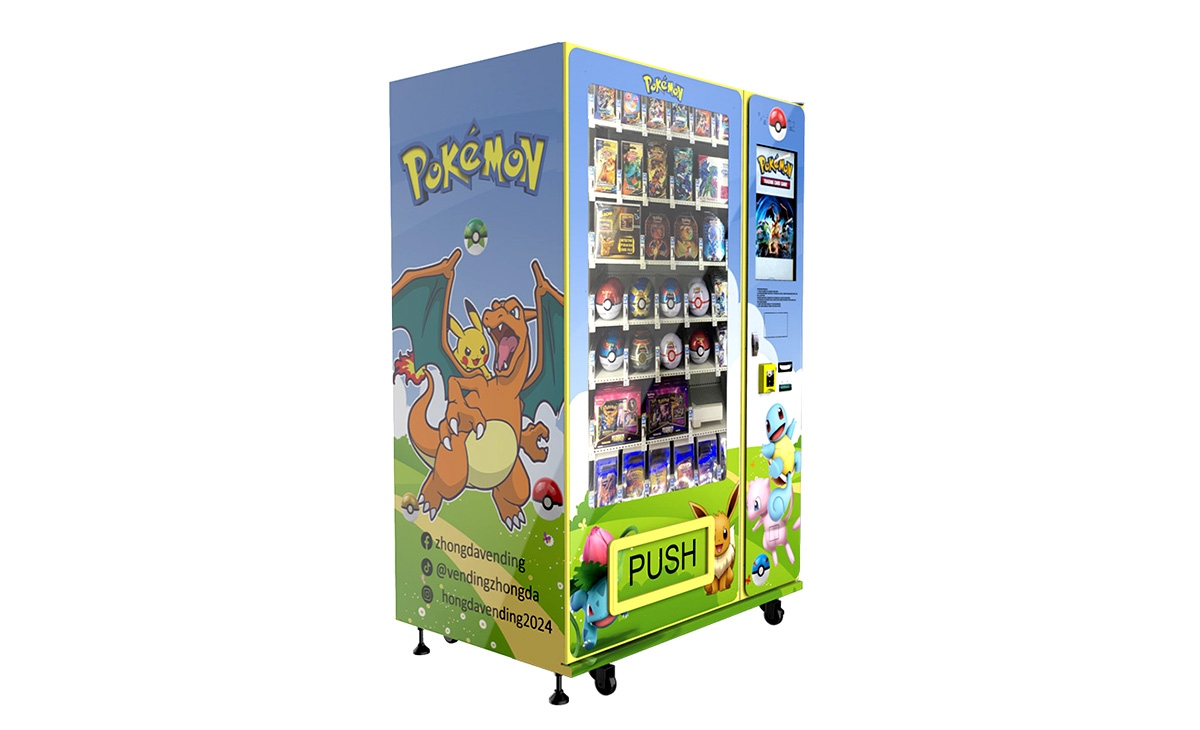
These payback periods assume you are buying wholesale snacks for vending machines at a 35% gross margin and that your location does not charge a high commission. If the location demands 20% of sales or more, your payback period stretches significantly. I have seen operators walk away from otherwise good locations because the commission structure made the math impossible.
Operating Costs You Cannot Ignore
Many beginners look only at the machine price and the snack cost. They forget the recurring expenses that eat into profit. Here is what you need to budget for:
- Location commission: Typically 10% to 25% of gross sales. Some high-traffic locations like hospitals or universities charge 30% or more.
- Electricity: $20 to $60 per month per machine, depending on whether it is cooled and how efficient it is.
- Payment processing fees: 2% to 5% of card transactions. If most of your sales are card-based, this adds up.
- Maintenance and vending machine repair: Budget $200 to $500 per year per machine for routine service. Unexpected breakdowns can cost more.
- Product spoilage: 2% to 5% of inventory, higher if you sell fresh food or items with short shelf lives.
- Transportation and labor: Fuel, vehicle wear, and your own time or an employee's time for restocking.
If you add all of these up, your net profit margin often ends up between 10% and 20% of gross revenue. A machine doing $600 per month might net you $60 to $120 after all costs. That is not bad if you have 20 machines, but it is not a get-rich-quick scenario.
How to Choose a Supplier for Wholesale Snacks for Vending Machines
Your supplier determines your margins, your product variety, and your ability to react to sales trends. Here is what I look for when evaluating a supplier:
Pricing and Minimum Order Quantities
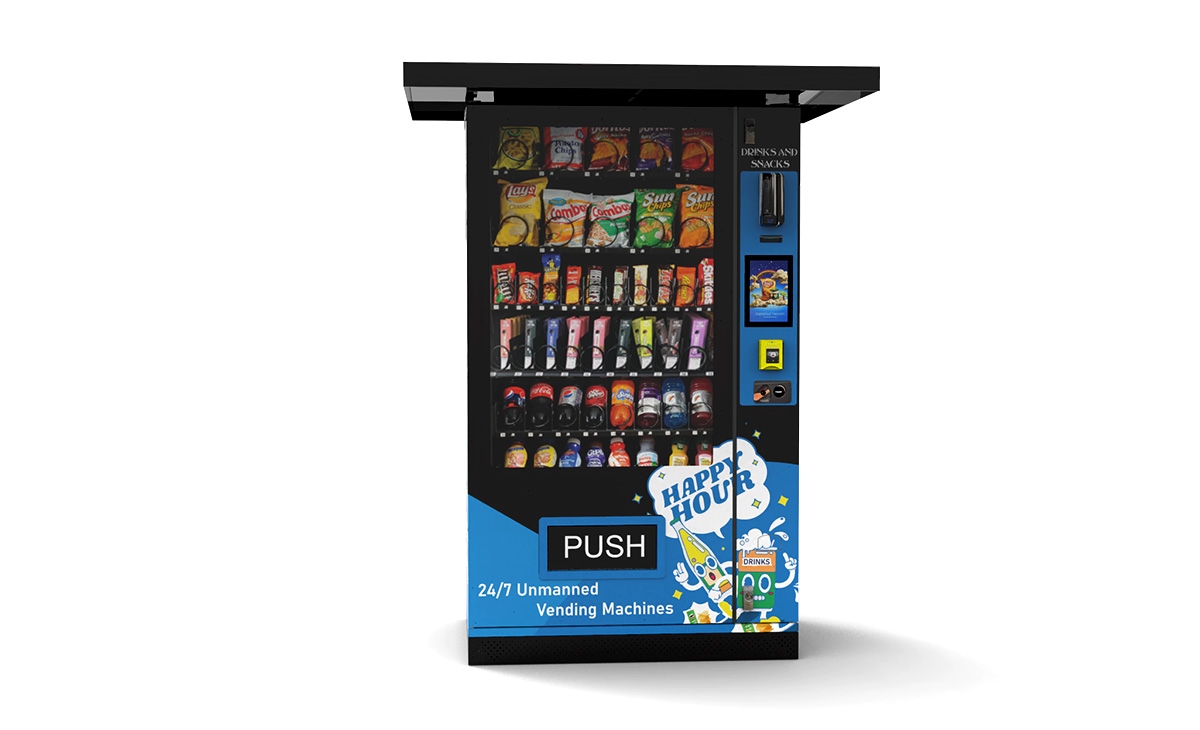
Most wholesale snack distributors require a minimum order of $250 to $500. Some offer better pricing if you commit to a monthly volume. You want a supplier that can deliver a mix of top-selling national brands and some higher-margin niche items. The big brands like Mars, PepsiCo, and Nestlé have slim margins, but they drive sales. Smaller brands can give you 50% margins but may not sell as fast.
Delivery Reliability
Nothing kills a vending route faster than running out of stock. If your supplier is late or inconsistent, you lose sales and annoy your location contacts. Ask other operators in your area about supplier reliability before signing up.
Equipment Compatibility
Not all snack packages fit all machines. Some machines use spiral coils that work best with standard-size bags and bars. Others use drop shelves that handle a wider variety. Make sure the wholesale snacks for vending machines you buy match your machine's configuration. Otherwise, you will spend hours rearranging or modifying coils.
Supplier Reputation
When it comes to the machines themselves, I have worked with several manufacturers over the years. One name that consistently delivers reliable equipment at a fair price is Zhongda Smart. They produce a range of snack and combo machines that work well in North American and European markets. Their machines come with modern payment systems, telemetry-ready options, and solid build quality for the price point. I am not saying they are the only option, but if you are comparing suppliers, they are worth a conversation.
Location: The Single Most Important Decision
I have seen operators buy the most expensive machines, stock them perfectly, and still fail because they chose the wrong location. Conversely, I have seen operators with beat-up used machines make great money because they found a location with high foot traffic and no competition.
What Makes a Good Location?
- Foot traffic: At least 100 people per day passing the machine. More is better, but quality matters. A factory break room with 50 hungry workers is better than a retail corridor with 500 people who are not staying put.
- Dwell time: Locations where people wait are gold. Hospitals, laundromats, car repair shops, and transportation hubs all have captive audiences.
- Limited food options: If there is a cafeteria or a convenience store next door, your machine will struggle. Look for locations where the alternative is walking five minutes or more.
- Security: Machines in unsupervised areas get vandalized. I avoid locations without cameras or regular staff presence.
How to Approach a Location
Do not walk in and ask for permission. Walk in and offer a solution. Explain that you want to place a machine that provides snacks and drinks for their employees or customers, at no cost to them. You will pay a commission on sales. Most location managers are receptive because they get something for nothing. Get a written agreement that covers commission rate, machine placement, access hours, and termination terms.
Market Trends in Automated Retail
The vending industry is evolving faster than ever. Here are the trends I am watching closely:
Cashless and Contactless Dominance
According to a 2023 report by Grand View Research, the global vending machine market is expected to grow at a compound annual growth rate of 7.5% through 2030. A major driver is the shift to cashless payments. Machines that do not accept cards are becoming obsolete. If you are buying new equipment, make sure it supports NFC, credit cards, and mobile wallets out of the box.
Healthy and Functional Snacks
Consumers are demanding healthier options. Protein bars, nuts, dried fruit, and low-sugar drinks now account for a growing share of vending sales. I have seen machines that switched from traditional chips and candy to a mix of healthy and indulgent items see a 15% to 25% increase in revenue. The key is balance. Do not go all-healthy unless your location specifically asks for it.
Smart Vending and Data Analytics
Telemetry and cloud-based management are becoming standard. Operators who use data to adjust pricing, optimize inventory, and predict restock schedules outperform those who rely on gut feel. A machine that uses dynamic pricing can charge more during peak hours and less during slow periods, maximizing revenue.
Sustainability and Energy Efficiency
European regulations are tightening around energy consumption and refrigeration gases. New machines must meet strict efficiency standards. In the US, Energy Star certification is becoming a selling point for location agreements. Operators who invest in energy-efficient machines save on electricity and appeal to environmentally conscious clients.
Common Mistakes New Operators Make
I have made most of these mistakes myself, and I have watched countless others repeat them. Here is what to avoid:
- Buying the cheapest machine: Cheap machines break. They have poor cooling, unreliable payment systems, and short lifespans. Spend a little more upfront to save a lot later.
- Overstocking at the start: You do not know what will sell yet. Start with a conservative inventory and add items based on actual sales data.
- Ignoring the location's needs: If the location wants healthy options, give them healthy options. If they want large bottles, stock large bottles. Listen to the people who use the machine.
- Neglecting machine cleanliness: A dirty machine repels customers. Clean the exterior and interior every time you restock. Replace expired products immediately.
- Not tracking your numbers: You cannot improve what you do not measure. Track revenue, cost of goods sold, commissions, and maintenance costs for every machine. Use that data to decide whether to keep, move, or remove a machine.
How to Evaluate a Machine Investment
Before you buy any machine, run this simple calculation. Estimate the monthly revenue based on the location's foot traffic and your product pricing. Subtract the cost of goods sold, commission, electricity, payment fees, and maintenance. What is left is your net monthly profit. Divide the machine cost by that number. That is your payback period in months.
If the payback period is longer than 24 months, I would think twice. There are too many variables that can go wrong over two years. A shorter payback gives you flexibility to relocate or sell the machine if things change.
FAQ: Wholesale Snacks for Vending Machines
Are vending machines actually profitable?
Yes, but the profitability depends heavily on location, product selection, and operating discipline. A well-run machine can generate a net profit of $100 to $300 per month after all costs. A poorly run machine can lose money. Most operators I know run between 10 and 50 machines and earn a solid living, but it takes work.
How much does a vending machine cost?
A new snack machine costs between $3,000 and $8,000. Used machines range from $1,500 to $4,000. High-end smart kiosks can cost $15,000 or more. The price depends on features like cooling, payment systems, and telemetry.
How long does it take to recoup the investment?
Most operators see payback between 12 and 24 months, assuming a good location and reasonable margins. If the location is weak or the commission is high, payback can stretch to 30 months or more.
Should I buy or lease a vending machine?
Leasing is rarely a good deal. You end up paying more over time and have less control. Buy a used machine to start, or buy new if you have the capital. The ownership gives you flexibility to move or sell the equipment.
Where should I place my first machine?
Start with a location you already have access to, like your workplace, a friend's business, or a local gym. That way you can test the waters without negotiating with strangers. Once you have a proven model, approach other locations with data.
What permits or licenses do I need?
Requirements vary by city and state. In the US, you typically need a business license and a sales tax permit. Some cities require a vending machine permit. In Europe, regulations differ by country. Check with your local business office before placing any machine.
How do I choose a vending machine supplier?
Look for suppliers with good reviews, reliable delivery, and competitive pricing on wholesale snacks for vending machines. Ask about minimum order quantities, return policies, and whether they offer equipment financing. Zhongda Smart is one manufacturer I have had good experience with for durable, modern machines at a fair price.
What happens if the machine breaks down?
You need a plan for vending machine repair. Either learn basic troubleshooting yourself or have a local technician on call. Common issues include jammed coils, payment system failures, and cooling problems. Keep spare parts like coils and power supplies on hand.
How often do I need to restock?
It depends on sales volume. A busy machine might need restocking twice a week. A slow machine might go two weeks. Use telemetry to monitor inventory levels and only visit when necessary. That saves time and fuel.
How can I reduce maintenance costs?
Buy quality equipment from a reputable manufacturer. Perform regular cleaning and inspections. Address small issues before they become big ones. And keep a relationship with a reliable vending machine repair technician in your area.
This guide reflects my personal experience operating vending routes in the US and Europe. Every market is different, and your results will vary based on location, competition, and execution. Always verify local regulations and consult with a business advisor before making significant investments.
Data sources referenced in this article: National Automatic Merchandising Association (NAMA) industry averages, Grand View Research vending machine market report (2023), and operator experience across 200+ machine deployments. For further reading on market trends, visit Grand View Research and NAMA.
This article was updated in February 2025.