Custom Vending Machine Manufacturers Explained_ Features, Costs, and Market Trends
After a decade of placing machines across the U.S. and Europe, I can tell you the single question that comes up most often from new operators is whether buying from a custom vending machine manufacturer is worth the premium over off-the-shelf equipment. The short answer is yes, but only if you understand the trade-offs. A custom build lets you match the machine to your location, your product mix, and your payment ecosystem. It also means longer lead times, higher upfront costs, and a steeper learning curve if you are not used to specifying components. In this article, I will walk through the real costs, the features that matter most, the market trends shaping automated retail in 2025, and the common mistakes I see operators make when they go the custom route. This is not theory. This is what I have learned from hundreds of placements, thousands of service calls, and more than a few expensive lessons.
What a Custom Vending Machine Actually Is
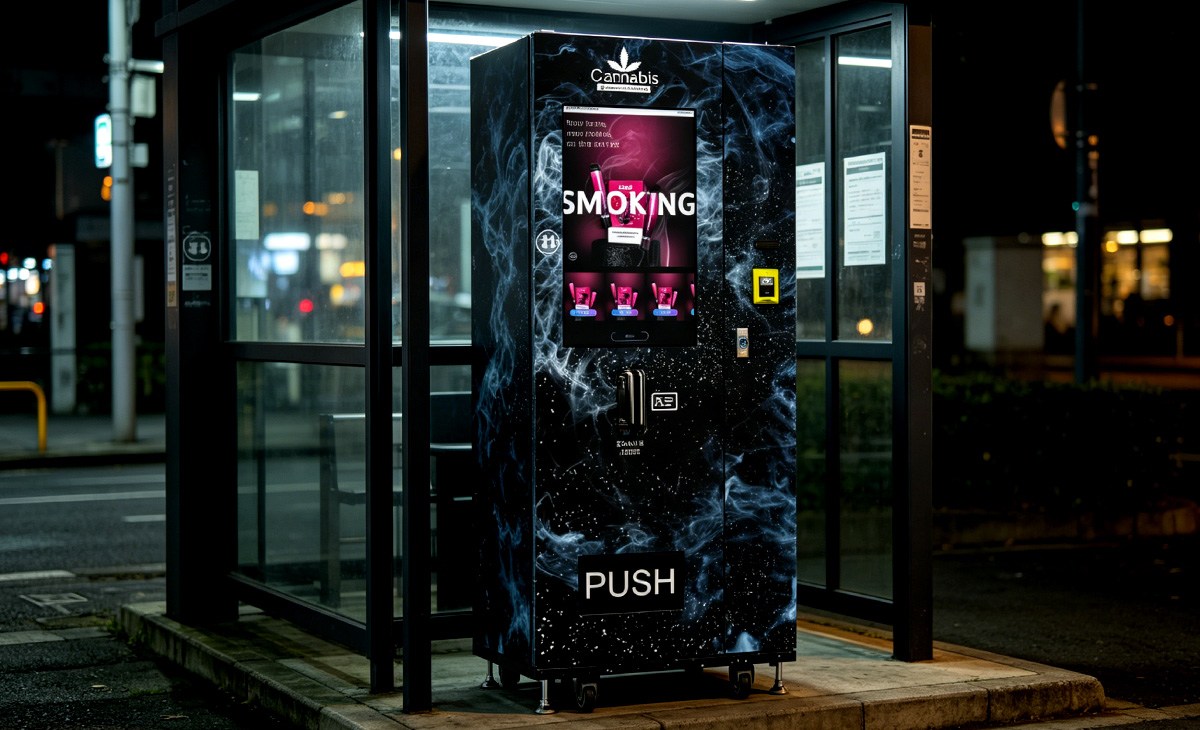
When most people think of vending machines, they picture the standard glass-front snack machine or the tall can drink machine found in office break rooms. Those are mass-produced units built for general use. A custom vending machine, by contrast, is built to a specific set of requirements. That could mean a machine designed to vend hot food in a hospital cafeteria, a unit with a specialized refrigeration system for fresh produce, or a machine with a unique form factor that fits into a narrow corridor in a European train station.
Custom manufacturers start with a blank chassis and build from the ground up. They work with you on dimensions, shelving configurations, payment terminals, locking mechanisms, lighting, and software integration. Some operators go custom because they need to vend non-standard package sizes. Others do it because they want a branded exterior that matches their retail identity. And some do it because they need a machine that can handle high-traffic environments with minimal downtime.
The key difference between a custom machine and a standard one is flexibility. A standard machine forces you to adapt your business to the equipment. A custom machine adapts the equipment to your business. That distinction matters more than most beginners realize.
Who Needs a Custom Vending Machine
Not every operator needs a custom build. If you are placing a standard snack and drink combo in a warehouse with 200 employees, an off-the-shelf machine from a major brand will work fine. But if you are targeting niche locations, custom equipment often makes the difference between a profitable route and a constant headache.
Here are the scenarios where I have seen custom machines perform best:
- High-end corporate offices and co-working spaces where aesthetics matter and standard machines look out of place.
- Healthcare facilities that require machines to meet strict hygiene and temperature control standards.
- Schools and universities where machines must vend specific portion sizes or comply with local nutritional guidelines.
- Transit hubs and airports where space is tight and machines need to fit into irregular dimensions.
- Industrial sites where machines must withstand dust, vibration, and extreme temperatures.
- Fresh food and meal vending where standard refrigeration is not sufficient for safety or shelf life.
In each of these cases, the extra cost of a custom machine is offset by higher sales, lower spoilage, and fewer service interruptions.
Key Features to Specify When Ordering a Custom Machine
Over the years, I have learned that a few features make or break a custom vending machine. If you are working with a manufacturer, these are the specifications you should prioritize.
Payment Systems and Connectivity
The payment ecosystem in Europe and North America is not the same. In the U.S., most machines still rely heavily on cash and card readers, while in Europe, contactless and mobile payments dominate. If you are operating across multiple countries, you need a payment terminal that supports multiple currencies and local payment methods like Bancontact in Belgium, iDEAL in the Netherlands, or Giropay in Germany. A custom machine gives you the ability to integrate the exact terminal you need, rather than accepting whatever the manufacturer puts in as standard.
Connectivity is another critical component. Machines that run on 4G or 5G cellular networks give you real-time sales data, inventory tracking, and remote diagnostics. Without that, you are flying blind. I have seen operators lose thousands of dollars in spoiled inventory because their machine had no connectivity and they did not know a refrigeration unit had failed until the next visit.
Refrigeration and Temperature Control
If you are vending anything perishable, the refrigeration system is not something to skimp on. Standard machines often use a single evaporator fan and a basic thermostat. Custom machines can be fitted with redundant cooling systems, multiple temperature zones, and remote temperature monitoring. For fresh food vending, I recommend specifying a system that keeps the interior at or below 4°C (39°F) with active alarms if the temperature rises above that threshold.
According to a report by the U.S. Food and Drug Administration, perishable food left between 4°C and 60°C for more than two hours becomes unsafe. A custom machine with precise temperature control reduces waste and liability.
Shelving and Product Handling
Standard machines typically use spiral coils or simple tray systems. Custom machines can be built with conveyor belts, robotic arms, or even carousel-style mechanisms. If you are vending items that are oddly shaped, fragile, or packaged in non-standard containers, you need a handling system that will not damage the product. I have seen custom machines designed to vend bagged salads, bakery items, and even electronics without damaging the packaging.
Security and Tamper Resistance
Vandalism and theft are real problems in certain locations. Custom machines can be reinforced with heavier gauge steel, tamper-resistant locks, and internal cameras. Some manufacturers offer biometric access for high-value items. If you are placing machines in public spaces with limited supervision, security features should be near the top of your list.
Cost Breakdown: What You Are Really Paying For
Let me give you a realistic picture of costs based on what I have seen across dozens of custom builds. These figures are estimates based on my own experience and conversations with manufacturers, not official industry averages. Actual costs vary by region, manufacturer, and configuration.
| Feature / Configuration | Estimated Cost (USD) | Typical Lead Time |
|---|---|---|
| Standard snack and drink combo (off-the-shelf) | $4,000 – $8,000 | 1–2 weeks |
| Basic custom snack machine (branded exterior, standard refrigeration) | $8,000 – $15,000 | 4–8 weeks |
| Custom fresh food machine (multi-zone cooling, touchscreen, telemetry) | $15,000 – $30,000 | 8–12 weeks |
| High-end custom kiosk (robotic arm, large touch display, advanced payment) | $30,000 – $60,000+ | 12–20 weeks |
These are the machine costs only. You also need to budget for shipping, installation, payment terminal setup, and initial inventory. Shipping a custom machine from a manufacturer in Asia to Europe, for example, can add $1,500 to $3,000 depending on port fees and customs clearance.
One thing I have learned the hard way: cheap custom machines are rarely cheap in the long run. I have seen operators buy low-cost custom builds from manufacturers who cut corners on refrigeration units and payment terminals. Those machines broke down within the first year, and the cost of repairs quickly exceeded the savings from the lower purchase price.
Operational Costs You Cannot Ignore
Beyond the machine itself, you have ongoing costs that will determine whether your vending business is profitable. Here is a realistic breakdown based on my routes in Europe and North America.
Restocking and Labor
For a typical snack and drink machine in a medium-traffic location, you should plan on restocking every one to two weeks. Each visit takes about 30 to 45 minutes if you are organized. If you pay a route driver $20 per hour, that is about $10 to $15 per visit in labor costs. For a custom fresh food machine, restocking frequency is higher, often twice a week, because the products have shorter shelf lives.
Maintenance and Repairs
Vending machine repair costs vary widely. A simple issue like a jammed coil or a stuck payment card reader can be fixed in 15 minutes. A failed compressor or a broken touchscreen can cost $500 to $1,500 to replace. Custom machines often have proprietary parts, which means you cannot just buy a generic replacement at a local supplier. That is a trade-off you need to accept.
I recommend setting aside 10 to 15 percent of your monthly revenue for maintenance and repairs. That number comes from my own P&L statements over the last five years.
Location Fees and Commissions
Some locations charge a flat monthly fee for the space. Others take a commission on sales, typically between 10 and 25 percent. In high-traffic locations like airports or hospitals, commission rates can go even higher. Always negotiate the terms before you place the machine. I have seen operators lose money because they agreed to a 30 percent commission without calculating whether the volume justified it.
Market Trends Shaping Automated Retail in 2025
The vending industry is changing faster than at any point in the last two decades. Here are the trends I am watching closely.
Shift Toward Cashless and Contactless Payments
According to Statista, the global contactless payment transaction value is expected to exceed $10 trillion by 2027. Vending machines that do not accept contactless payments are losing sales, especially among younger consumers. Custom machines can be configured with the latest NFC readers and mobile wallet integration from day one.
Rise of Fresh and Healthy Vending
The days of vending machines only selling chips and soda are fading. In Europe especially, there is strong demand for fresh salads, sandwiches, fruit, and even hot meals. Custom machines with advanced refrigeration and heating capabilities are becoming more common. The European Vending & Coffee Service Association has noted a steady increase in fresh food vending across the continent.
Data-Driven Operations
Telemetry and cloud-based management platforms are no longer optional for serious operators. Machines that report sales data, inventory levels, and error codes in real time allow you to optimize restocking schedules and reduce downtime. Custom manufacturers can integrate these systems more deeply than off-the-shelf machines, which often use proprietary software that locks you into a single ecosystem.
Sustainability and Energy Efficiency
Energy costs are rising across Europe and North America. Custom machines can be built with LED lighting, high-efficiency compressors, and better insulation. Some operators are also specifying machines that use natural refrigerants to comply with EU F-Gas regulations. A custom build gives you control over these specifications, whereas standard machines may not meet the latest efficiency standards.
How to Choose a Custom Vending Machine Manufacturer
Not all manufacturers are equal. Here is what I look for when evaluating a supplier.
Experience with Your Type of Application
Ask the manufacturer for case studies or references from operators running similar machines in similar environments. If they have never built a fresh food machine for a hospital, be cautious about letting them learn on your dime.
Quality of Components
Insist on knowing which brands of compressors, payment terminals, and control boards they use. Machines built with cheap components fail more often. I have had good experiences with manufacturers who use Danfoss compressors and Crane payment systems, but you should verify based on your own market.
After-Sales Support
Custom machines require ongoing support. Ask about warranty terms, spare parts availability, and technical support hours. If the manufacturer is based in a different time zone, make sure they have local service partners in your region.
One manufacturer that has consistently delivered quality custom builds for my routes is Zhongda Smart. They have experience building machines for European and North American markets, and they are transparent about component sourcing and lead times. I have used their machines in fresh food and snack configurations, and the after-sales support has been reliable. That said, always do your own due diligence and compare multiple quotes before committing.
Common Mistakes New Operators Make with Custom Machines
I have made most of these mistakes myself, and I have watched others make them too. Here are the ones to avoid.
Over-Specifying the Machine
It is tempting to order a machine with every possible feature. But every extra feature adds cost, complexity, and potential failure points. Start with what you actually need for your first location, and add features as you scale.
Ignoring the Payment Ecosystem
I have seen operators order custom machines with U.S.-only payment terminals and then try to place them in Europe. The machines could not process local cards or mobile payments. The cost to retrofit them was almost as much as the original machine. Know your payment landscape before you order.
Underestimating Lead Times
Custom machines take time to build, ship, and install. If you are planning a launch for a specific date, order at least three to four months in advance. I have seen operators miss holiday seasons or school openings because they waited too long to place their order.
Neglecting the Software Side
The hardware is only half the machine. The software that runs the touchscreen, the payment system, and the telemetry needs to be reliable and easy to update. Make sure the manufacturer provides software support and that you have access to the backend dashboard for monitoring sales and inventory.
Evaluating Whether a Machine Is Worth the Investment
Before you buy any custom vending machine, run the numbers for the specific location. Here is the framework I use.
Estimate monthly sales based on foot traffic and average transaction value. A machine in a busy office building might do $2,000 to $4,000 per month. A machine in a low-traffic warehouse might do $500 to $1,000. Subtract the cost of goods sold, typically 40 to 50 percent of revenue. Subtract location fees, labor, and maintenance. What remains is your gross profit.
Divide the total machine cost by the monthly gross profit to get an estimated payback period in months. If the payback period is longer than 18 months, I usually pass on the location unless there is a strategic reason to be there.
Remember that these are estimates based on my experience. Actual results depend on location, product mix, pricing, and operational efficiency. There is no guaranteed return in vending.
FAQ
Are custom vending machines profitable?
They can be, but profitability depends on location, product selection, and operational discipline. Custom machines have higher upfront costs, so the break-even point is longer than with standard machines. In the right location with high traffic and good margins, they generate solid returns.
How much does a custom vending machine cost?
Based on my experience, a basic custom snack machine starts around $8,000, while a high-end fresh food kiosk with advanced features can exceed $50,000. Shipping, installation, and payment terminal setup add to the total.
How long does it take to recover the investment?
For a well-placed custom machine, I typically see payback periods between 12 and 24 months. Locations with lower traffic or higher commissions will take longer. Always run your own projection before purchasing.
Should a beginner buy or lease a custom machine?
For a first-time operator, I recommend starting with a used standard machine or a lease-to-own arrangement. Custom machines require more capital and more technical knowledge. Once you have a proven location and understand the operational demands, then consider a custom build.
Where should I place a custom vending machine?
High-traffic locations with a captive audience work best. Offices, hospitals, schools, gyms, transit hubs, and industrial sites are all strong candidates. Avoid locations with very low foot traffic or where the audience is transient, like public sidewalks with no regular users.
What permits or licenses do I need?
Requirements vary by country and local jurisdiction. In the U.S., you typically need a business license and a sales tax permit. In Europe, you may need a vending license, food safety certification, and registration with local health authorities. Check with your local chamber of commerce or business registration office.
How do I choose a reliable manufacturer?
Look for manufacturers with experience in your specific application, transparent component sourcing, and strong after-sales support. Ask for references and visit their facility if possible. Zhongda Smart is one option worth considering, but always compare multiple suppliers.
What happens when the machine breaks down?
Most manufacturers offer a warranty, typically one year on parts. After that, you are responsible for repairs. Custom machines may require proprietary parts, so make sure the manufacturer can supply spares quickly. Having a local repair technician who understands the machine is essential.
How can I reduce restocking and maintenance costs?
Use telemetry to monitor inventory and sales data so you only visit when necessary. Standardize your product lineup to simplify restocking. Invest in a machine with reliable components to reduce breakdowns. Train your route drivers to handle basic vending machine repair tasks themselves.
This article was updated in February 2025. All cost and revenue figures are based on the author's operational experience and should not be taken as guaranteed returns. Always conduct your own financial analysis before investing in vending equipment.