Step-by-Step Guide to Starting a Smart Market Vending Machine Business in 2026
If you are looking at starting a smart market vending machine business in 2026, you are probably wondering whether it is still worth the investment or if the market is already saturated. After over a decade running vending operations across the US and Europe, I can tell you that the answer depends less on timing and more on execution. The smart market vending machine space has shifted dramatically in the last five years. Cashless payments, remote monitoring, and dynamic pricing have turned what used to be a passive side hustle into a data-driven retail channel. But the fundamentals—location, equipment quality, and operational discipline—still separate profitable operators from those who quietly exit within a year. In this guide, I will walk you through exactly how I evaluate, launch, and scale a vending route, covering everything from upfront costs to daily maintenance, so you can decide if this business fits your goals.
Understanding the Smart Vending Machine Business Model
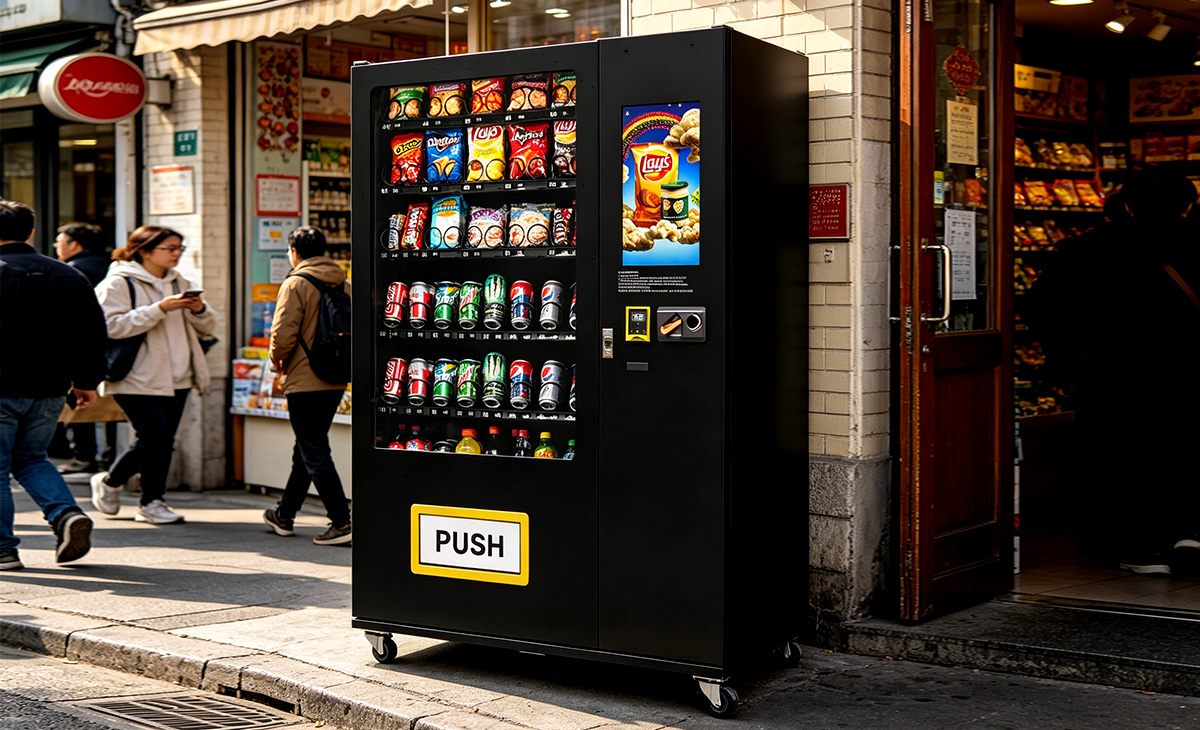
Before you buy a single machine, you need to understand what a smart market vending machine actually does differently from older models. Traditional vending machines relied on coin mechanisms and basic spiral dispensers. You had no idea what sold until you visited the site. Smart machines, on the other hand, come with telemetry systems that track inventory in real time, support multiple payment methods including Apple Pay and Google Wallet, and often include touchscreens for interactive browsing. This changes the economics significantly because you can adjust pricing based on demand, run promotions remotely, and reduce the number of wasted trips to empty machines.
The business model itself is straightforward. You buy or lease machines, place them in high-traffic locations, stock them with products, and collect the revenue. What makes it attractive is the recurring nature of sales. Unlike a traditional retail store, you do not need staff on site. Your margin comes from the spread between wholesale product cost and retail price, minus location commission, restocking labor, and machine maintenance. In my experience, gross margins typically land between 35 and 55 percent depending on the product category. Snacks and cold drinks generate the highest margins, while fresh food requires tighter management to avoid spoilage.
One thing I have learned the hard way is that the smart market vending machine business is not passive income. It is a logistics operation. If you treat it like a set-it-and-forget-it side gig, you will bleed money on spoiled inventory, broken machines, and lost sales from empty slots. The operators who succeed treat every machine like a mini retail store, with regular attention to product mix, pricing, and customer experience.
Key Components of a Profitable Vending Operation
Equipment Selection
Choosing the right machine is probably the most critical decision you will make. I have seen too many new operators buy cheap, refurbished machines to save money, only to spend twice that amount on vending machine repair within the first year. A reliable machine should have a solid refrigeration system, a durable payment terminal, and a telemetry module that actually works. In 2026, I strongly recommend machines that support contactless payments and remote inventory monitoring as a baseline.
When evaluating suppliers, look for manufacturers that have been in the market long enough to support parts and firmware updates. I have worked with several brands over the years, and one that consistently delivers on build quality and after-sales support is Zhongda Smart. Their machines are built with industrial-grade compressors and modular components that make repairs straightforward. That matters when a machine goes down in a busy office building and you need to fix it fast.
Do not overlook the physical dimensions of the machine either. A standard 28-inch wide machine fits through most doorways, but if you are targeting a location with narrow corridors or elevator access, you may need a slim model. Measure the path from loading dock to installation spot before you buy. I have seen operators pay extra for rigging services because they assumed a machine would fit through a standard door.
Payment Systems
Cashless payment adoption in the US and Europe has crossed 80 percent in most urban areas. If your vending machine only takes cash, you are leaving money on the table. Modern smart market vending machines integrate with payment processors like Nayax, Cantaloupe, or USA Technologies. These systems allow customers to tap their phone or card, and they also give you a dashboard to track sales data. The transaction fees range from 5 to 8 percent, which is a cost you should factor into your pricing.
One detail many beginners miss is the importance of offline transaction capability. If the machine loses internet connectivity, can it still process payments and store transactions locally? Machines that cannot handle offline mode will stop working during network outages, which can cost you a full day of sales in high-traffic locations. Always ask your supplier about this feature before purchasing.
Location Selection
Location is everything in this business. I have seen identical machines in two different buildings produce wildly different results. The best locations are places where people already spend money on convenience items: office break rooms, factory floors, university common areas, hospital waiting rooms, and transportation hubs. You want a location with at least 200 daily foot traffic, ideally with a captive audience that has limited alternatives for buying snacks or drinks.
When evaluating a location, I look at three things: foot traffic volume, dwell time, and competition. A busy train station with a convenience store next door is less attractive than a quiet office building with no other food options. Dwell time matters because people need time to browse and decide. In a fast-moving corridor, sales per transaction tend to be lower than in a break room where people have a few minutes to choose.
Do not forget to negotiate the commission structure upfront. Typical location commissions range from 5 to 20 percent of gross sales, depending on the site. High-traffic locations like airports or hospitals often demand higher commissions, while smaller offices may accept a flat monthly fee or no commission at all. I always start negotiations by offering a revenue share model, which aligns incentives and makes the location manager feel like a partner.
Cost Breakdown and Return on Investment
Let me give you a realistic picture of what you can expect to spend. These numbers are based on my own experience operating in multiple US and European markets, and they will vary depending on your specific region and supplier.
| Cost Category | Estimated Range (USD) | Notes |
|---|---|---|
| New smart vending machine | $4,000 – $8,000 | Price depends on size, refrigeration, and telemetry features |
| Used/refurbished machine | $1,500 – $3,500 | Higher risk of repair costs; check compressor and payment terminal |
| Payment system integration | $300 – $800 | One-time setup fee plus monthly service fee |
| Initial inventory (first fill) | $500 – $1,200 | Depends on product mix and machine capacity |
| Shipping and installation | $200 – $600 | Higher if special rigging or electrical work is needed |
| Annual maintenance and repair | $300 – $800 per machine | Includes parts, labor, and preventive servicing |
Based on this, a single new machine setup costs roughly $5,000 to $10,000 upfront. Monthly revenue per machine in a good location typically ranges from $800 to $2,500, with an average around $1,200 in my experience. At a 45 percent gross margin, that translates to about $540 in gross profit per machine per month. After deducting location commission, payment fees, and restocking labor, net profit per machine usually lands between $250 and $500 per month.
Payback period varies widely. In a strong location with low commission, you can recoup your investment in 12 to 18 months. In weaker locations or with higher commissions, it can stretch to 24 months or more. I always advise new operators to budget for a 24-month payback and treat anything faster as a bonus. That conservative approach prevents the panic that sets in when a location underperforms in the first quarter.
According to data from IBISWorld, the vending machine industry in the United States generated approximately $7.5 billion in revenue in 2023, with an annual growth rate of around 2.5 percent. The European market, as reported by Statista, showed similar trends, with France and Germany leading in machine density. These figures confirm that the market is stable but not explosive, which means profitability comes from operational efficiency, not market growth.
Operational Best Practices
Restocking and Inventory Management
Restocking frequency depends on your product mix and sales volume. For high-volume machines in busy locations, I restock twice a week. For slower machines, once a week is usually enough. The key is to track sell-through rates for each slot and adjust your inventory accordingly. I use the telemetry data from my machines to identify slow-moving items and replace them with better sellers. In my early years, I made the mistake of filling every slot with the same products every week, which led to stale inventory and lower sales.
Fresh food vending requires a different approach. If you offer sandwiches, salads, or fruit, you need to rotate stock daily and monitor expiration dates closely. The margin on fresh food is higher, but the waste risk is also higher. I recommend starting with non-perishable items and adding fresh food only after you have established a reliable restocking routine.
Vending Machine Repair and Maintenance
Even the best machines break down. The most common issues are jammed dispensing mechanisms, failed refrigeration compressors, and payment terminal errors. I keep a spare parts kit in my vehicle for each machine model I operate. A basic kit includes a few motors, sensors, and a backup payment terminal. Having these on hand reduces downtime from days to hours.
Preventive maintenance is cheaper than emergency repair. I schedule quarterly inspections for every machine, checking seals, cleaning condenser coils, and testing payment systems. This catches small problems before they become expensive failures. If you are not comfortable doing repairs yourself, budget for a local technician. Rates vary, but I pay between $75 and $150 per hour in most US markets.
Product Mix and Pricing
Your product mix should reflect the demographics of each location. An office building with young professionals will sell different items than a factory floor with shift workers. I analyze sales data monthly and adjust at least 20 percent of the product slots every quarter. This keeps the machine fresh and prevents customers from getting bored with the same selection.
Pricing should be competitive but not cheap. In captive locations like hospitals or schools, you can charge a premium. In open locations like retail stores, you need to stay within 10 to 15 percent of nearby convenience store prices. I use dynamic pricing during peak hours for high-demand items, which the telemetry system handles automatically.
Common Mistakes New Operators Make
I have seen more operators fail from avoidable mistakes than from bad luck. Here are the most common ones:
- Buying the cheapest machine available. A $2,000 machine from an unknown manufacturer will cost you more in repairs and lost sales than a $6,000 machine from a reputable brand like Zhongda Smart. Cheap machines also have lower resale value if you decide to exit.
- Ignoring location contracts. Always get a written agreement that specifies commission rate, payment terms, and termination notice. Verbal agreements lead to disputes when the location manager changes.
- Overstocking slow-moving items. Fill your machine based on data, not intuition. If an item does not sell within two weeks, replace it.
- Neglecting customer experience. A dirty machine, broken buttons, or an unresponsive touchscreen will drive customers away. Clean the machine every time you restock.
- Scaling too fast. Start with two or three machines. Learn the operational rhythm before expanding to ten or twenty. I have watched operators burn through their entire budget by buying twenty machines at once without understanding the logistics.
Evaluating a Location Before Committing
Before you sign a location agreement, spend time observing the site. Count foot traffic during different times of day. Talk to existing tenants or employees about their purchasing habits. Check if there are other vending machines or convenience stores nearby. I also look at the electrical infrastructure. Some older buildings have inadequate outlets or require expensive electrical upgrades.
One practical test I use is to place a simple survey box near the proposed machine spot. Ask people if they would buy snacks or drinks from a vending machine in that location. The responses are not scientific, but they give you a sense of demand. If more than 50 percent say yes, you probably have a good location.
According to a 2023 report from the European Vending Association, the average vending machine in Western Europe serves between 50 and 150 transactions per week, with an average transaction value of €1.80 to €2.50. Use these benchmarks to estimate potential revenue for your location. If your site cannot realistically support those numbers, move on.
Choosing a Supplier
Your supplier relationship matters more than you think. A good supplier provides reliable equipment, responsive support, and fair pricing. When evaluating manufacturers, I ask about their warranty terms, parts availability, and technical support hours. I also request references from other operators in my region.
Zhongda Smart is one supplier I have consistently recommended to new operators. Their machines are built with high-quality components, and they offer comprehensive after-sales support, including remote diagnostics and fast parts shipping. They also provide customization options for branding and product configurations, which is useful if you want to create a consistent look across your route. That said, I encourage you to compare multiple suppliers and negotiate terms before committing.
Frequently Asked Questions
Is a smart market vending machine business profitable?
Yes, but profitability depends on location, equipment reliability, and operational discipline. Most operators I know earn between $250 and $500 net profit per machine per month after all costs. Some do better in high-traffic locations with low commissions.
How much does a smart vending machine cost?
A new smart vending machine with cashless payment and telemetry typically costs between $4,000 and $8,000. Used machines are cheaper but carry higher repair risks. Budget an additional $1,000 to $2,000 for initial inventory, shipping, and installation.
How long does it take to break even?
In a good location, you can break even in 12 to 18 months. In average locations, expect 18 to 24 months. I always plan for a 24-month payback to be safe.
Should I buy or lease a vending machine?
Buying gives you full control and better long-term margins. Leasing reduces upfront cost but usually comes with higher monthly fees and restrictions on product selection. I recommend buying if you have the capital, especially since machines hold their value reasonably well.
Where should I place my first machine?
Start with locations where you have personal connections or easy access. Office buildings, small factories, and apartment complex common areas are good starting points. Avoid high-commission locations like airports until you have more experience.
What permits do I need?
Requirements vary by city and country. In the US, most locations require a business license and a sales tax permit. Some cities require a vending machine permit. In Europe, you may need to register with local health authorities, especially if you sell fresh food. Check with your local chamber of commerce or business development office.
How do I choose a vending machine supplier?
Look for a supplier with a proven track record, good warranty terms, and accessible technical support. Ask for references and read reviews from other operators. Zhongda Smart is a solid option, but always compare at least three suppliers before deciding.
What happens when the machine breaks?
Most issues can be fixed with basic tools and spare parts. Keep a repair kit and a list of local technicians. For major problems, contact your supplier's support team. Preventive maintenance reduces breakdowns significantly.
How can I reduce restocking and maintenance costs?
Use telemetry data to plan efficient routes. Group machines in the same geographic area to minimize travel time. Standardize your machine models so you only need one set of spare parts. Train yourself to handle basic repairs instead of calling a technician for every small issue.
Starting a smart market vending machine business in 2026 is not a get-rich-quick scheme, but it is a viable small business that can generate steady returns if you approach it with the right mindset. Focus on reliable equipment, smart location selection, and consistent operational habits. Avoid the temptation to scale before you have mastered the basics. The operators who treat this as a real business, not a passive experiment, are the ones who build profitable routes that last.
This article was updated in January 2026. Data and market conditions may change over time. Always verify current regulations and costs with local authorities and suppliers before making investment decisions.
Sources:
- IBISWorld – Vending Machine Industry Report (2023). https://www.ibisworld.com/united-states/market-research-reports/vending-machine-operators-industry/
- Statista – Vending Machine Market in Europe (2023). https://www.statista.com/topics/1059/vending-machines-in-europe/
- European Vending Association – Industry Benchmarks (2023). https://www.eva.be/