Best Drinks In Vending Machines in 2026_ Ultimate Guide, Costs, and Buying Tips
If you are looking into the best drinks in vending machines in 2026, you are likely trying to figure out whether this business is still worth your time and money. After over a decade running vending routes across the US and parts of Europe, I can tell you that the market has shifted significantly. The days of simply filling a machine with soda cans and hoping for the best are long gone. Today, the most profitable machines are those that offer a mix of functional beverages, premium waters, and sugar-free options. This ultimate guide covers the costs, the equipment, the real numbers, and the buying tips that will save you from losing money on the wrong setup. Whether you are a first-time buyer or an operator looking to upgrade, the information here comes from actual experience, not theory.
What Has Changed in the Vending Industry by 2026
The vending industry in 2025 and 2026 has seen a clear move toward healthier options and cashless payments. According to a report from IBISWorld, the vending machine industry in the United States generates over $7 billion annually, and the trend toward better-for-you beverages is driving growth. In Europe, the shift is even more pronounced. Many schools, hospitals, and corporate offices now require that at least 50 percent of vending inventory meets specific nutritional standards. If you ignore this, you will lose placement contracts.
From my own experience, I have seen machines that used to sell 60 percent soda now struggle to move 30 percent. Energy drinks and flavored sparkling water have taken over. In 2026, the best drinks in vending machines are not just about taste; they are about perceived value and functional benefits. Electrolyte-infused water, plant-based protein shakes, and low-sugar cold brew coffee are now standard in high-performing locations.
Understanding the Core Economics of Vending Machines
Before you buy any machine, you need to understand the numbers. I have seen too many new operators jump in because they saw a shiny machine and thought it was a license to print money. It is not. Vending is a volume business with thin margins if you do not control your costs.
Initial Investment Breakdown
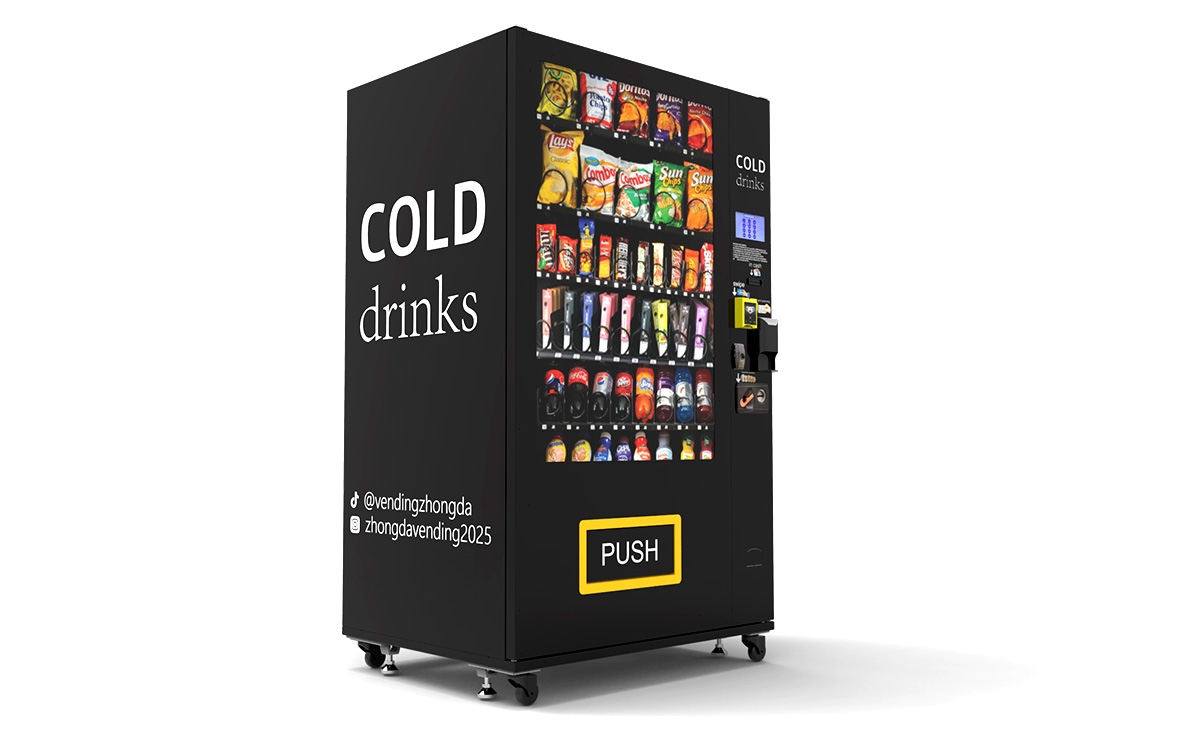
The cost of a new vending machine in 2026 ranges from $3,000 for a basic used unit to over $12,000 for a modern smart machine with a touchscreen, telemetry, and a card reader. The average new combo machine that sells both drinks and snacks sits around $7,000 to $9,000. If you are looking at a dedicated beverage machine with glass-front merchandising, expect to pay between $5,500 and $8,500. These prices are based on what I have seen from suppliers including Zhongda Smart, who offer reliable equipment for the mid-range market.
| Machine Type | New Price Range (USD) | Used Price Range (USD) | Typical Locations |
|---|---|---|---|
| Basic Can Soda Machine | $3,000 - $4,500 | $1,500 - $2,500 | Small offices, break rooms |
| Glass-Front Beverage Machine | $5,500 - $8,500 | $2,500 - $4,000 | Schools, gyms, hospitals |
| Combo Machine (Drinks + Snacks) | $7,000 - $9,000 | $3,000 - $5,000 | Factories, warehouses |
| Smart Vending Machine with Telemetry | $9,000 - $12,000 | $5,000 - $7,000 | High-traffic retail, transit hubs |
Operational Costs You Cannot Ignore
Your monthly costs are not just the product. You have to account for credit card processing fees, which typically run 2.5 to 3.5 percent per transaction. Then there is the location commission. Some locations will ask for nothing; others will demand 15 to 25 percent of gross sales. I have a machine in a hospital that pays 20 percent commission, and it is still profitable because the volume is high. A machine in a low-traffic office that pays 10 percent commission can lose money if you are not careful.
Electricity costs vary, but a refrigerated beverage machine runs about $30 to $60 per month depending on local rates. Repairs and vending machine repair costs average $200 to $500 per year per machine if you maintain it well. If you neglect it, a compressor failure can cost $800 to replace.
Revenue and Profit Margins
Based on my own routes, a well-placed beverage machine in a mid-traffic location does between $300 and $800 in monthly sales. A high-traffic location like a gym or a busy factory can do $1,200 to $2,500 per month. The gross profit margin on drinks is typically 35 to 50 percent after product cost. For example, a can of soda that sells for $1.50 costs you around $0.60 to $0.75. A premium bottled water that sells for $2.00 costs you about $0.50. The margin is better on water and energy drinks, which is why you see fewer soda-only machines now.
Choosing the Right Location for Your Vending Machine
Location is everything. I have placed machines in what looked like perfect spots that failed, and I have put machines in odd corners that surprised me. The key is understanding foot traffic and dwell time. A location with 200 people walking past per day but no reason to stop is worse than a location with 50 people who are stuck waiting for a bus or standing in a break room.
Best Locations for Beverage Vending in 2026
- Gyms and fitness centers: These are gold mines for water, electrolyte drinks, and protein shakes. People are thirsty and willing to pay a premium.
- Schools and universities: Many schools now ban soda, but they allow sparkling water, juice, and milk-based drinks. Check local regulations first.
- Hospitals and medical offices: Staff and visitors need drinks around the clock. Commission rates can be high, but volume makes up for it.
- Manufacturing plants and warehouses: Workers on break have limited time. A machine right next to the break area will see consistent sales.
- Transit hubs and train stations: High turnover, but competition is fierce. You need a machine that accepts cards and mobile payments.
Locations I Avoid
I avoid small offices with fewer than 30 employees. The sales volume is too low to justify the restocking trips. I also avoid locations where the only power outlet is far from the traffic flow. I once placed a machine in a basement break room of a 50-person office, and it did $80 a month. The electricity and my time cost more than that. I moved it after three months.
How to Select a Vending Machine Supplier
This is where most beginners make a mistake. They buy the cheapest machine they can find online, often from a supplier with no local support. I have seen machines from unknown brands break down within six months, and the owner cannot find replacement parts. When you are evaluating suppliers, look for companies that have been in business for at least five years and offer a warranty on parts and labor for at least one year.
Zhongda Smart is one supplier I have worked with on several machines for mid-range locations. Their machines are solid, the telemetry system works reliably, and their after-sales support is responsive. I recommend them specifically for operators who want a balance between cost and durability. Avoid machines that use proprietary parts that only one supplier can fix. That is a trap that will cost you in vending machine repair bills later.
The Best Drinks in Vending Machines in 2026: What to Stock
Your product mix determines your success more than the machine itself. I have seen operators fill a machine with whatever was on sale at the warehouse, and they wonder why sales are flat. You need to think like a retailer. The best drinks in vending machines in 2026 fall into four categories:
- Functional beverages: Electrolyte water, vitamin-infused water, and plant-based protein shakes. These sell at higher price points and have strong margins.
- Premium waters: Still and sparkling water in glass or aluminum bottles. Consumers trust these brands and will pay $2.50 to $3.00 per bottle.
- Low-sugar and zero-sugar options: Diet sodas, zero-sugar energy drinks, and unsweetened teas. This category is growing fast, especially in corporate and health-focused locations.
- Cold brew coffee and iced lattes: Bottled cold brew has become a staple in office buildings. If your machine can keep it cold enough, it will outsell soda in many locations.
What to Avoid Stocking
Do not stock large glass bottles in machines that are prone to vibration. They break, and cleanup is a nightmare. Also avoid drinks with high sugar content in locations where the client specifically asked for healthy options. I lost a contract once because I left a few full-sugar sodas in a machine at a health clinic. The facility manager saw them and told me to remove the machine.
Payment Systems and Technology in 2026
If your machine does not accept credit cards and mobile payments in 2026, you are losing at least 40 percent of potential sales. I have data from my own route showing that cash-only machines do about 60 percent of the volume of cashless machines in the same type of location. A study from Statista confirms that over 80 percent of vending transactions in the US are now cashless. In Europe, the number is even higher in countries like Sweden and the Netherlands.
When you buy a machine, make sure it comes with a card reader that supports NFC for Apple Pay and Google Pay. If you are buying a used machine, budget $400 to $700 to retrofit it with a modern payment system. Do not skip this. I have seen operators try to save money on payment systems, and they regretted it within a month.
Maintenance and Vending Machine Repair
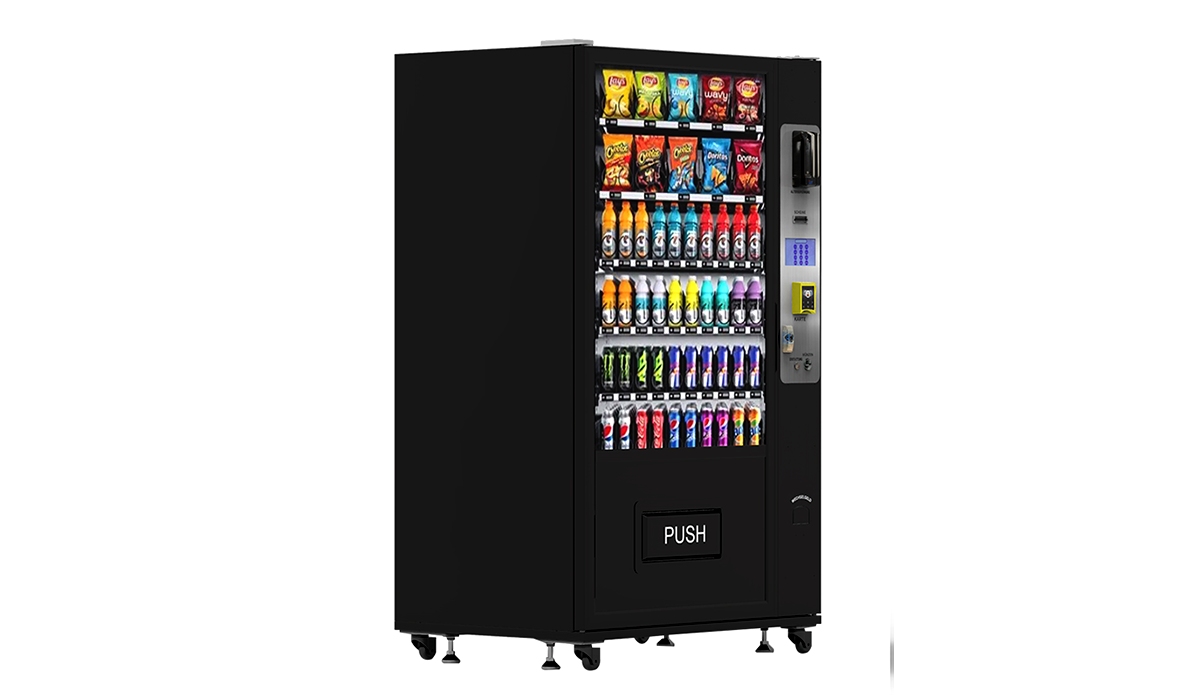
You will have breakdowns. It is not a matter of if, but when. The most common issues are jammed products, faulty coin mechanisms, and refrigeration failures. If you are running a route of more than five machines, you need a relationship with a local vending machine repair technician. I recommend finding someone who works on multiple brands, not just one manufacturer. That way you are not stuck waiting for a specialist.
Preventive maintenance is key. Clean the condenser coils every three months. Check the door gaskets for wear. Test the temperature regularly. A machine that runs too warm will spoil product, and a machine that runs too cold will freeze drinks and cause cans to burst. I have seen both happen, and both are expensive mistakes.
How to Evaluate a Machine Investment
Before you buy any machine, run this simple calculation. Estimate the monthly sales based on foot traffic. A conservative estimate is $0.50 to $1.00 per person per month in a workplace setting. Multiply that by the number of potential users. If the location has 100 employees, your estimated monthly revenue is $50 to $100. That is too low. You want locations where the estimate is at least $400 per month.
Then calculate your monthly costs: product cost at 50 to 60 percent of revenue, commission at 10 to 20 percent, credit card fees at 3 percent, and electricity at $40. If your net profit after all costs is less than $100 per month, the machine is not worth your time. I have a personal rule: I do not place a machine unless I expect to make back my investment within 18 to 24 months. If the numbers do not work on paper, they will not work in reality.
Common Mistakes New Operators Make
I have made most of these mistakes myself, so I can tell you about them honestly. The first mistake is buying a machine before securing a location. You end up with a machine sitting in your garage, losing value. The second mistake is underestimating the time required for restocking and cleaning. A route of ten machines can take two full days per week if you are doing it right. The third mistake is ignoring the data. Modern machines with telemetry tell you exactly what sells and what does not. If you ignore that data, you are guessing.
The fourth mistake is buying a machine that is too large for the location. A 12-selection beverage machine in a small break room looks impressive, but it will take months to sell through inventory, and some drinks will expire. Start with a smaller machine and upgrade if the location proves itself.
Self-Service Kiosk vs. Traditional Vending Machine
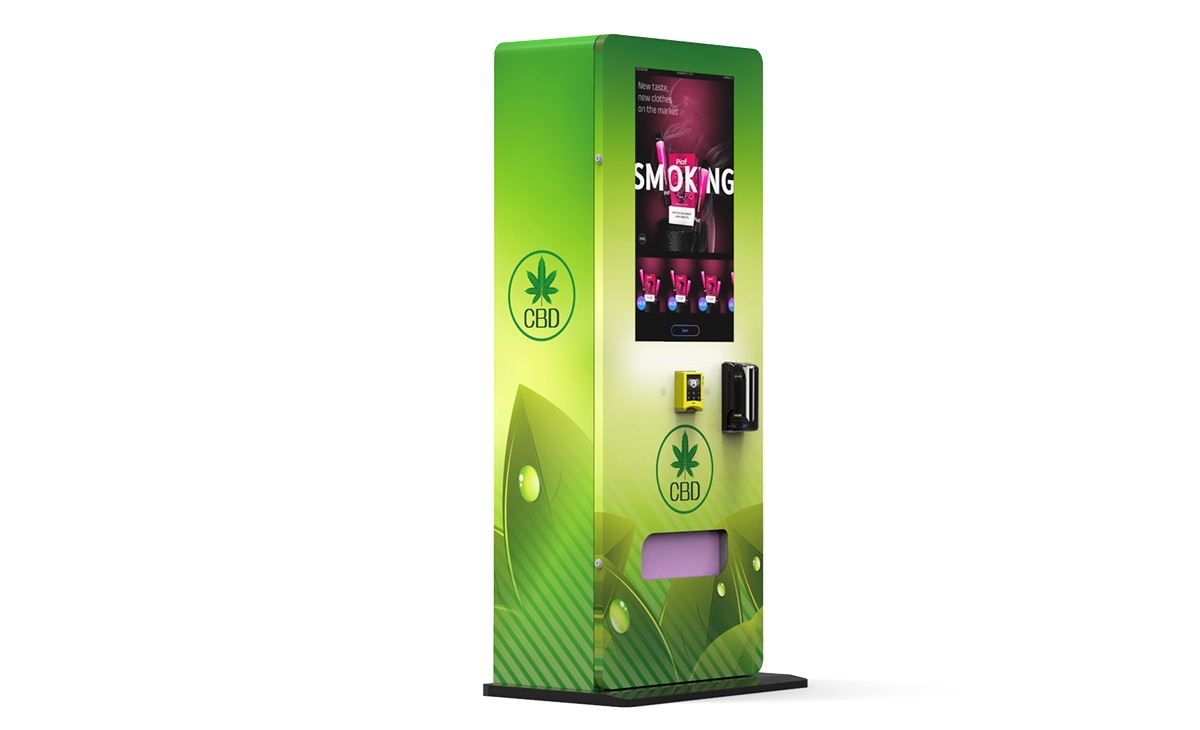
Some operators ask me whether they should switch to a self-service kiosk for beverages. The answer depends on the location. A self-service kiosk that allows customers to choose from a wider menu and pay by card works well in high-traffic areas like transit stations. But the cost is higher, and the technology is more complex. For most standard locations, a traditional glass-front beverage machine with a card reader is sufficient and more reliable. I have seen self-service kiosks go down for days because of a software glitch, while a traditional machine can be fixed with a simple part swap.
The Role of Automated Retail in the Beverage Market
Automated retail is growing, but it is not replacing traditional vending machines overnight. What I see is a convergence. More machines now have screens that display nutritional information and promotions. Some machines even allow you to pre-order a drink via an app and pick it up with a code. This is becoming common in Europe, especially in France where distributeur automatique units in train stations now offer fresh orange juice and hot soup alongside cold drinks. If you are operating in a market like that, you need to stay current with the technology or risk losing placement to competitors.
Buying Tips for 2026
Here is what I tell every new operator who asks for advice. Buy a machine with a good warranty and a reliable payment system. Do not buy the cheapest machine you can find. Do not buy a machine without seeing it in person or having someone inspect it. If you are buying from a supplier like Zhongda Smart, ask for references from other operators in your area. Check the availability of spare parts. Make sure the machine uses standard shelving and not custom sizes that are hard to replace.
Negotiate the price. Most suppliers have some margin, especially if you are buying multiple machines. Ask about shipping costs and whether installation is included. Some suppliers will deliver to a loading dock, but you are responsible for moving the machine to the final location. That can cost another $200 to $400 if you need to hire movers.
Frequently Asked Questions
Are vending machines profitable in 2026?
Yes, but only if you choose the right location and stock the right products. A single machine in a good location can generate $300 to $2,500 per month in revenue. After costs, net profit typically ranges from $100 to $800 per month per machine. The key is volume and consistency.
How much does a vending machine cost?
A new beverage vending machine costs between $3,000 and $12,000 depending on features. Used machines range from $1,500 to $5,000. You also need to budget for a card reader, which adds $400 to $700 for a retrofit.
How long does it take to break even?
With a well-placed machine, most operators break even within 12 to 24 months. If the machine is in a poor location, it may take three years or more. I always calculate a worst-case scenario before buying.
Should a beginner buy or lease a machine?
I recommend buying a used or mid-range new machine rather than leasing. Leasing contracts often lock you into high monthly payments, and you do not build equity. If you buy, you own the asset and can move it if the location does not work out.
Where is the best place to put a vending machine?
Gyms, hospitals, schools, factories, and transit hubs are the best locations. Avoid small offices with low headcount and locations where you cannot get a reliable power supply.
What permits do I need to operate a vending machine?
Requirements vary by state and country. In the US, you typically need a business license, a sales tax permit, and a food handling permit if you sell perishable items. In Europe, you may need to register as a food business operator. Check with your local authorities before placing any machine.
How do I choose a vending machine supplier?
Look for suppliers with a track record of at least five years, a warranty on parts and labor, and availability of spare parts. Ask for references. Zhongda Smart is one supplier I have used for mid-range machines, and their support has been reliable.
What happens when the machine breaks down?
You need a local vending machine repair technician or a supplier that offers remote diagnostics. Many modern machines have telemetry that alerts you to issues before they become serious. Always have a backup plan for common problems like jammed products.
How can I reduce restocking and maintenance costs?
Use a machine with telemetry so you know exactly what is selling and when you need to restock. This reduces wasted trips. Also, choose a location that is close to your home or warehouse to minimize travel time. Clean and maintain the machine regularly to avoid expensive repairs.
Running a vending machine business in 2026 is not a passive income scheme. It requires attention to product trends, location management, and equipment maintenance. But if you approach it with realistic expectations and solid data, it can be a reliable source of income. The best drinks in vending machines today are not the same as they were five years ago, and they will change again. Stay flexible, watch your numbers, and do not be afraid to move a machine that is underperforming. That is the real secret to making this work over the long term.
This article was updated in May 2026. Data on industry revenue is based on IBISWorld reports on vending machine operations in the United States. Cashless transaction statistics are from Statista, 2025. Operational cost estimates are based on personal experience running vending routes in multiple states and regions. Always consult local regulations and a qualified accountant before making business investments.