Smart Ai Vending Machine Explained_ Features, Costs, and Market Trends
After spending over a decade placing, servicing, and sometimes pulling machines out of bad locations across the US and Europe, I can tell you this upfront: the Smart AI Vending Machine is not a gimmick. It is a legitimate shift in how automated retail operates. If you are reading this because you are considering buying one, or you are trying to understand whether this technology can actually improve your margins, the short answer is yes—but only if you match the right machine to the right location and understand the real costs involved. The Smart AI Vending Machine brings computer vision, real-time inventory tracking, and cashless payment integration into a single unit, which changes the economics of the business significantly compared to traditional spiral or coil machines. Let me walk you through what I have learned from deploying these units in real commercial environments, not from a brochure.
What Makes a Smart AI Vending Machine Different
If you have been in the vending business for any length of time, you know the pain of mechanical failures. Coils jam, motors burn out, and customers walk away frustrated. A Smart AI Vending Machine replaces most of that mechanical complexity with sensors, cameras, and weight detection. Instead of a product being pushed off a coil, the system recognizes what the customer picks up and charges them accordingly. This is not just a convenience upgrade. It changes the entire operational model.
In a traditional machine, you are limited to products that fit a specific coil size. With an AI-driven unit, you can sell items of varying shapes and sizes in the same compartment. I have seen operators stock fresh sandwiches next to electronics accessories in the same machine without any mechanical reconfiguration. The machine learns what is being taken and adjusts the inventory count in real time. This reduces the number of trips you need to make for restocking because you know exactly what is low, not just what the sales report says from the last collection.
Another major difference is the payment experience. These machines are built for a cashless world. They accept contactless cards, Apple Pay, Google Pay, and even some local mobile wallets depending on the market. In my experience, locations that see high foot traffic from younger demographics—like university campuses or tech office lobbies—see a measurable lift in sales when you switch from a cash-only or card-only traditional machine to an AI-powered unit. The friction of payment disappears, and the transaction time drops to under ten seconds.
Real Costs: What You Are Actually Paying For
Let me be direct about pricing because I have seen too many newcomers get blindsided. A basic traditional vending machine can cost you anywhere from 2,000 to 5,000 USD. A Smart AI Vending Machine starts at around 6,000 USD and can go up to 15,000 USD or more depending on the size, screen configuration, and software capabilities. That is a significant jump, but the total cost of ownership over three years often favors the AI unit if you factor in reduced maintenance and fewer service calls.
Here is a breakdown based on what I have seen deployed in commercial settings across the US and Europe:
| Machine Type | Initial Cost (USD) | Monthly Maintenance (est.) | Average Monthly Revenue (good location) | Typical Payback Period |
|---|---|---|---|---|
| Traditional coil machine | 2,500 – 5,000 | 80 – 150 | 800 – 1,500 | 12 – 24 months |
| Smart AI Vending Machine | 6,000 – 15,000 | 40 – 100 | 1,500 – 3,500 | 8 – 18 months |
| Self-service kiosk (food) | 10,000 – 20,000 | 100 – 200 | 2,000 – 5,000 | 10 – 20 months |
These numbers are based on my own operational data and discussions with other operators in the US and EU markets. The payback period depends heavily on location rent, product margin, and foot traffic. A machine in a hospital staff break room will perform differently than one in a hotel lobby. The Smart AI Vending Machine tends to perform better in locations where variety and speed matter more than sheer volume of low-margin snacks.
Where to Place These Machines for Maximum Return
I have placed machines in gyms, office buildings, car dealerships, university dormitories, and even small retail shops. The single most important factor is not foot traffic alone—it is dwell time and purchase intent. A location where people are waiting for something, like a laundry room or a bus station waiting area, will outperform a location with high foot traffic but no pause point.
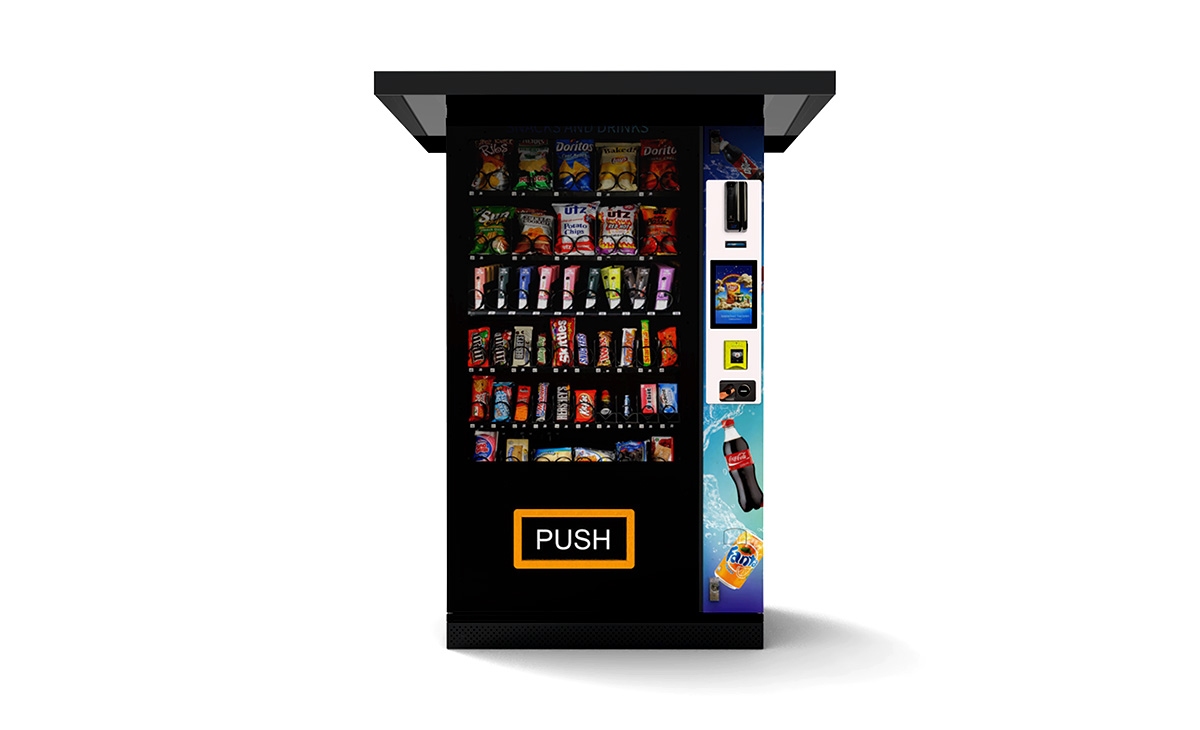
For a Smart AI Vending Machine, the ideal location has at least 500 to 1,000 people passing through per day, with at least 20 percent of them stopping to look. In my experience, office buildings with 200+ employees generate consistent daily sales between 50 and 120 USD per machine. Gyms tend to generate higher margins because you can sell protein bars, shakes, and small fitness accessories at a premium. The self-service kiosk format works well in locations where customers expect a quick, frictionless transaction.
One mistake I see repeatedly is placing a high-cost AI machine in a low-traffic location just because the rent is cheap. The machine itself becomes the biggest expense. You are better off paying higher rent for a high-traffic spot and using a lower-cost machine if your budget is tight. The Smart AI Vending Machine only makes financial sense when the location can generate enough daily transactions to cover the higher upfront cost within a reasonable time frame.
Operational Realities: Maintenance and Repair
Let me talk about something that most sales pages skip: vending machine repair. Traditional machines break. Coils snap, motors burn, and refrigeration units fail. With an AI-driven machine, the failure points shift. You are dealing with camera modules, touchscreens, and software bugs instead of mechanical jams. In my experience, the frequency of breakdowns is lower with AI machines, but when they do break, you need a technician who understands the software side, not just someone who can replace a motor.
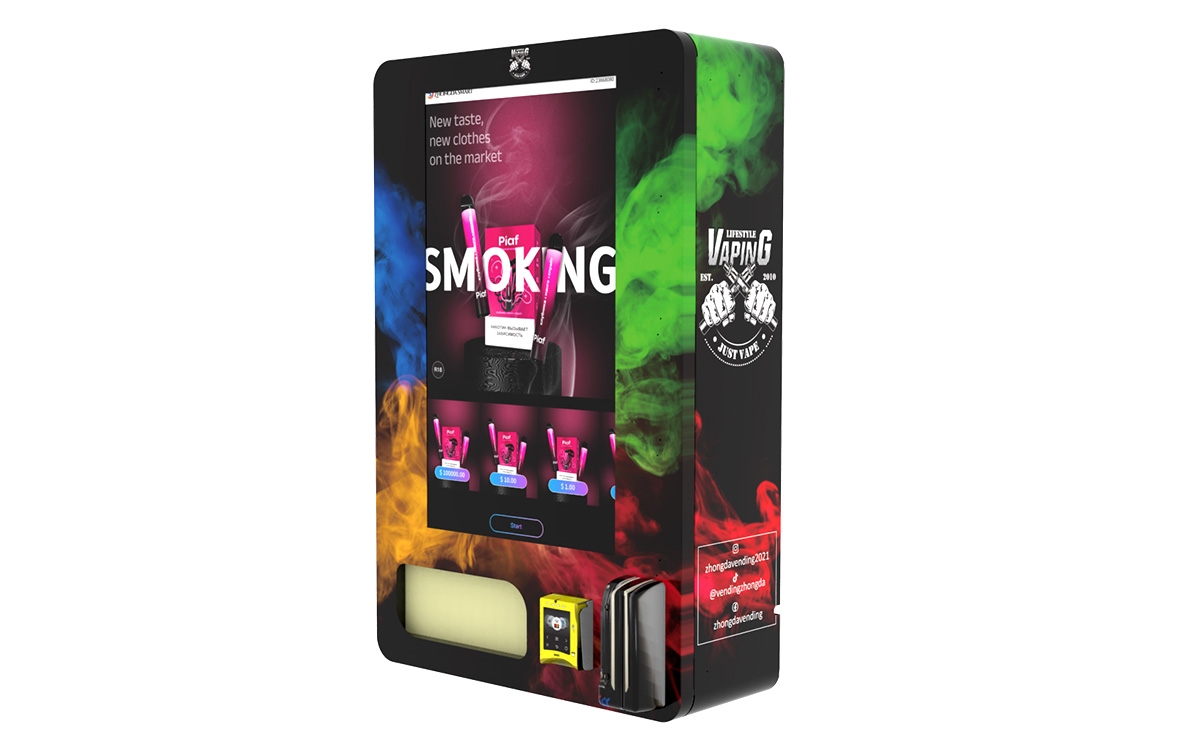
I have worked with several manufacturers over the years, and one name that consistently delivers reliable hardware and responsive support is Zhongda Smart. Their machines use modular components that make field repairs faster, and their software platform allows remote diagnostics. This is critical. If you can identify a problem before you drive to the location, you save time and money. I recommend any operator looking at AI vending to prioritize manufacturers that offer remote monitoring and a local service network.
For operators in Europe, you also need to consider compliance with local regulations. In France, for example, machines that sell food must comply with hygiene standards set by the Direction Générale de l'Alimentation. In Germany, the packaging laws (VerpackG) require you to register your business and report packaging volumes. These are not deal-breakers, but they add overhead that you must account for in your budget.
How to Evaluate a Supplier
I have bought machines from three different suppliers over the past decade. The first one was a mistake. The machine looked good on paper but had terrible software support, and the company went out of business within two years. That taught me a hard lesson: you are not just buying hardware. You are buying a long-term relationship with a supplier who will support you when something goes wrong.
When evaluating a supplier for a Smart AI Vending Machine, look for the following:
- A proven track record of deployments in your target market, not just in Asia or the Middle East.
- Clear documentation on how to handle vending machine repair, including local service partners.
- A software platform that gives you real-time sales data, inventory levels, and error alerts.
- Modular design that allows you to replace components without sending the whole unit back to the factory.
- Reasonable lead times and transparent shipping costs.
Zhongda Smart is one of the few manufacturers that checks all these boxes. I have used their machines in two different deployments, and their support team has been responsive even during time zone differences. That said, always ask for references from operators in your region before committing to a large order.
Cost vs. Revenue: A Realistic View
I want to be honest about revenue expectations. A single Smart AI Vending Machine in a good location can generate between 1,500 and 3,500 USD per month in gross sales. Margins on typical vending products range from 25 to 40 percent after cost of goods. So your gross profit per machine per month is roughly 375 to 1,400 USD. From that, you subtract rent (if any), credit card processing fees (usually 2 to 3 percent), restocking labor, and maintenance reserves.
In my experience, a well-placed machine will net you between 200 and 800 USD per month after all costs. That is not a get-rich-quick number. But if you scale to ten or twenty machines, the numbers become meaningful. The key is to avoid overpaying for the machine and to negotiate favorable location terms.
According to a report by IBISWorld, the vending machine industry in the US alone generates over 7 billion USD annually, with growth driven by cashless payment adoption and healthier product offerings. The European market, as tracked by Statista, shows similar trends, with France and Germany leading in machine density per capita. These data points confirm that the market is healthy, but individual results vary widely based on execution.
Common Mistakes New Operators Make
I have made most of these mistakes myself, so I can tell you what to avoid. The first mistake is buying a machine before securing a location. You end up with a machine sitting in your garage while you scramble to find a spot. Always secure the location first, ideally with a signed agreement, then order the machine.
The second mistake is underestimating the cost of stock. You need to fill the machine with product before it generates any revenue. That initial inventory can cost anywhere from 500 to 2,000 USD depending on the machine size. If you buy premium items like energy drinks or protein bars, the upfront cost is higher.
The third mistake is ignoring the payment system. In Europe, many customers expect to pay with local cards or mobile wallets. If your machine only accepts US credit cards, you will lose sales. Make sure the payment terminal supports the local market. Some AI machines come with integrated payment modules that handle multiple currencies and payment methods out of the box.
Finally, do not neglect the user interface. A Smart AI Vending Machine with a confusing touchscreen will drive customers away. Test the interface yourself. Is it intuitive? Can a customer complete a purchase in under 15 seconds without help? If not, the machine will underperform regardless of location quality.
Market Trends and What They Mean for You
The automated retail space is evolving quickly. I have seen a rise in hybrid machines that combine traditional vending with a self-service kiosk interface. These machines allow customers to browse products on a screen, see nutritional information, and pay without touching the machine. Post-pandemic, touchless transactions have become a baseline expectation, not a luxury.
Another trend is the integration of AI for dynamic pricing. Some machines now adjust prices based on time of day or inventory levels. For example, a machine in an office building might lower the price of snacks after 3 PM to clear inventory before the end of the day. This is still early-stage, but I have tested it in a few locations and seen a 10 to 15 percent lift in sales during slow periods.
Data from the European Vending Association shows that the number of connected vending machines in Europe grew by over 20 percent between 2020 and 2023. This shift toward connectivity is what makes the Smart AI Vending Machine a logical investment for operators who want to stay competitive. If you are still running machines that require manual collection of sales data, you are operating at a disadvantage.
FAQ
Are Smart AI Vending Machines profitable?
Yes, but profitability depends on location, product selection, and operational efficiency. In a good location with high foot traffic and low rent, a single machine can net between 200 and 800 USD per month after all costs. Scaling to multiple machines improves overall returns.
How much does a Smart AI Vending Machine cost?
Prices range from 6,000 to 15,000 USD depending on size, screen configuration, and software features. Additional costs include shipping, installation, initial inventory, and payment system setup.
How long does it take to recoup the investment?
Based on my experience, payback periods range from 8 to 18 months for a well-placed machine. Locations with lower traffic or higher rent will extend the payback period significantly.
Should I buy or lease a machine?
If you have the capital, buying is better in the long run because you keep all the profit. Leasing reduces upfront risk but eats into your margins. I recommend buying if you have at least three to five locations secured.
Where is the best place to put an AI vending machine?
Locations with high dwell time and purchase intent perform best. Office buildings with 200+ employees, gyms, university common areas, and hospital staff rooms are consistently strong performers.
What permits do I need to operate?
Requirements vary by country and city. In the US, you typically need a business license and a sales tax permit. In Europe, you may need to register for VAT and comply with local food safety regulations if you sell perishable items. Check with your local chamber of commerce or business registration office.
How do I choose a reliable supplier?
Look for suppliers with a proven track record in your market, remote monitoring capabilities, and local service support. Zhongda Smart is a manufacturer I have worked with successfully, but always verify references and test the machine before committing to a bulk order.
What happens if the machine breaks down?
Most AI vending machines come with a warranty for the first year. After that, you need a service plan or a local technician who understands the hardware and software. Remote diagnostics can help identify issues before you visit the site, saving time and money.
How can I reduce restocking and maintenance costs?
Use the machine's real-time inventory data to plan restocking trips only when needed. Stock high-margin, fast-moving items to reduce the frequency of low-stock alerts. Choose a machine with modular components to simplify vending machine repair.
Final Thoughts from the Field
The Smart AI Vending Machine is not a magic bullet, but it is a serious tool for operators who understand the fundamentals of location, cost control, and customer experience. I have seen too many people jump into this business thinking the machine will do all the work. It will not. You still need to manage inventory, negotiate location terms, handle repairs, and adapt to changing customer preferences. But if you approach it with realistic expectations and a willingness to learn from mistakes, the automated retail space offers a solid path to recurring revenue. Start with one machine. Learn the rhythm. Then scale.
This article was last updated in March 2025. Market conditions, pricing, and regulations may change. Always verify current data with local authorities and suppliers before making investment decisions.