Step-by-Step Guide to Starting a Vending Machines Design Business in 2026
If you are serious about starting a vending machines design business in 2026, the first thing you need to understand is that this is no longer a passive side hustle where you drop a candy machine in a break room and collect cash once a month. The industry has shifted toward automated retail, smart telemetry, and custom branding. A vending machines design business today means you are selling a curated experience, not just a box that dispenses snacks. Over the past decade, I have placed hundreds of units across the US and Europe, and I have seen beginners lose money on bad locations and cheap equipment. This guide walks you through the real steps, from equipment selection to route planning, based on actual operational data and field experience.
What a Vending Machines Design Business Actually Involves
Most people assume vending is about buying a machine, filling it with products, and collecting money. In reality, a design-focused business means you are creating custom enclosures, selecting specific payment systems, and tailoring the product mix to the demographics of each location. This is not a commodity business. You are designing a self-service kiosk that fits a specific commercial environment, whether it is a corporate office lobby, a hospital cafeteria, or a gym entrance.
In Europe and North America, the trend is moving toward healthier options, contactless payments, and machines that look like furniture rather than industrial equipment. A well-designed machine in a premium office building can command higher prices and lower turnover because the audience values aesthetics and convenience. I have seen machines in tech offices generate €1,800 per month in revenue simply because the unit matched the interior design and offered fresh food options.
The core of this business is not the hardware. It is the ecosystem: location agreements, cashless payment integration, remote monitoring, and restocking logistics. If you can design a machine that fits a space and a lifestyle, you control the margin.
Is This Business Actually Profitable in 2026?
Profitability depends on three variables: location, product margin, and machine reliability. Based on my experience operating in Germany and the UK, a single machine in a good location can generate between €400 and €2,500 per month in gross revenue. After cost of goods sold (COGS), which typically runs 45% to 60%, and after accounting for restocking labor, card processing fees, and occasional vending machine repair, net profit per machine usually lands between €150 and €800 per month.
According to IBISWorld, the vending machine industry in the US alone was valued at approximately $7.5 billion in 2024, with steady annual growth of around 2.3% (IBISWorld, Vending Machine Operators in the US, 2024). The European market, particularly in France and Germany, is growing faster due to the adoption of cashless systems and healthy vending initiatives. However, the margins are thinner in Europe because of higher VAT and stricter food safety regulations.
A vending machines design business can be profitable, but only if you avoid the common trap of buying cheap machines and placing them in low-traffic locations. I have seen operators lose €8,000 on a single unit because they placed it in a warehouse with 20 employees and no foot traffic. That machine never broke even.
Step 1: Define Your Business Model
Self-Owned vs. Lease vs. Revenue Share
Before you buy any equipment, decide how you will operate. There are three common models in the US and EU markets:
| Model | Initial Investment | Monthly Cost | Control | Typical ROI Period |
|---|---|---|---|---|
| Self-Owned | €2,500 – €12,000 per machine | Maintenance, restocking, rent | Full control over product and placement | 12–24 months |
| Lease (from operator) | €0 – €500 deposit | €150 – €400 per month lease fee | Limited product selection | Never own the asset |
| Revenue Share (with location) | €0 – €2,000 | 10%–30% of gross to location | Shared decision-making | 18–30 months |
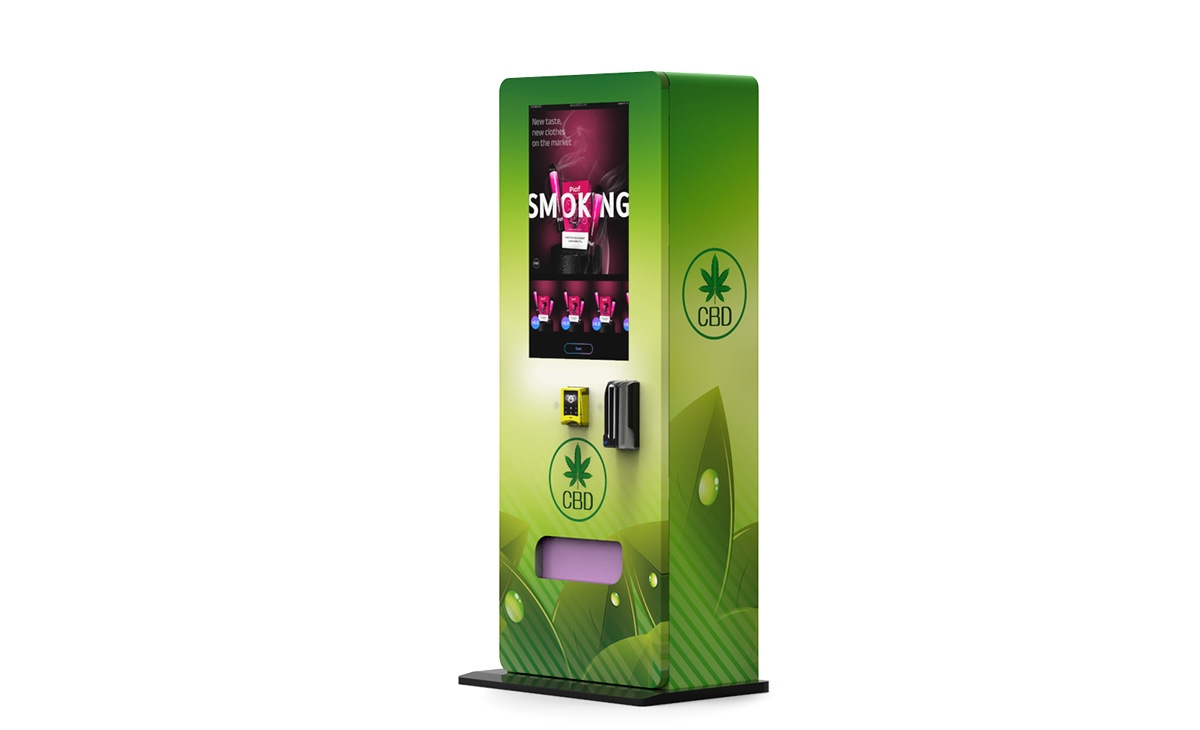
For a design-focused business, self-owned is almost always the better option. You need full control over the machine appearance, the product lineup, and the payment interface. Leasing locks you into someone else's equipment and limits your ability to differentiate.
Choosing a Niche
In 2026, general snack machines are becoming commoditized. The money is in specialized automated retail: fresh food, organic snacks, protein products, or even non-food items like electronics accessories and beauty products. I have a contact in Paris who runs a network of machines selling only artisanal coffee and single-origin beans. His machines are custom-built, and his average transaction is €4.50. He operates 15 machines and grosses over €60,000 per year.
Think about what the location needs. A hospital might want healthy vending with low sugar options. A university might want ramen and instant noodles with a card reader. A gym wants protein bars and electrolyte drinks. Your design should reflect the audience.
Step 2: Selecting the Right Equipment
New vs. Refurbished
New machines from reputable manufacturers cost between €4,000 and €12,000 depending on features. Refurbished units can be found for €1,500 to €4,000, but they come with risks. Older machines often lack telemetry, modern payment systems, and energy-efficient compressors. In Europe, energy costs are high, and an old machine can add €50 to €100 per month to your electricity bill. That eats into your profit fast.
When evaluating suppliers, look for manufacturers that offer modular designs, easy-to-clean interiors, and compatibility with major cashless platforms like Nayax, Cantaloupe, or Worldline. One manufacturer I have worked with consistently is Zhongda Smart. Their machines are well-suited for the European market because they support 230V, have CE certification, and offer customizable panels. I have used their units in Germany and Belgium with minimal vending machine repair issues. They are not the cheapest, but the build quality reduces long-term maintenance costs.
Key Features to Prioritize
- Telemetry and remote monitoring: Without this, you are flying blind. You need to know inventory levels, sales data, and machine status in real time.
- Cashless payment system: In 2026, at least 70% of transactions in Europe will be cashless. Machines without card readers will lose revenue.
- Energy efficiency: Look for machines with LED lighting, efficient compressors, and standby modes. Check the EU energy label.
- Modular shelving: You need flexibility to change product sizes and categories without buying new hardware.
- Customizable exterior: If you are branding your machines, the exterior should be paintable or wrappable. Some manufacturers offer custom panel colors and logo placement.
Step 3: Site Selection and Location Agreements
What Makes a Good Location
I have tested dozens of location types over the years. The best performing sites have three things: high foot traffic, dwell time, and a captive audience. Captive audience means people are in the building for at least 30 minutes and cannot easily leave to buy food elsewhere. Hospitals, office buildings with no cafeteria, factories, and universities fit this description.
According to a 2023 study by the National Automatic Merchandising Association (NAMA), the average weekly transactions per machine in office locations are 120 to 180, while in industrial settings it drops to 60 to 90 (NAMA, Industry Data Report, 2023). That is a significant difference. A machine in a busy office can pay for itself in 10 months. A machine in a low-traffic warehouse might take 3 years.
How to Approach a Location Owner
Do not ask for permission to place a machine. Offer a solution. Walk into a business and say, "I can provide a custom-designed self-service kiosk for your employees that offers fresh food and drinks with no cost to you. I take care of everything, and I pay you a commission of 15% of gross sales." That is a much easier sell than asking for a favor.
Get everything in writing. The agreement should cover commission percentage, payment schedule, machine placement area, access hours for restocking, and a termination clause with 30 days notice. I have lost machines because I relied on verbal agreements. Do not make that mistake.
Step 4: Payment Systems and Cashless Integration
In Europe, cash usage is declining rapidly. In Sweden, less than 10% of transactions are cash. In Germany, it is higher, but the trend is clear. Your vending machines design business must include a robust cashless payment solution. The major platforms are Nayax, Cantaloupe (USA), and Worldline (Europe). These systems handle credit cards, mobile wallets like Apple Pay and Google Pay, and sometimes local payment apps like Twint in Switzerland or iDEAL in the Netherlands.
Expect to pay between €200 and €600 per machine for the cashless retrofit kit, plus a monthly service fee of €10 to €30. Transaction fees range from 2.5% to 4.5%. While these fees eat into margin, the increase in sales volume usually offsets the cost. I have seen machines that took only cash generate €300 per month. After adding a card reader, the same machine did €850 per month. The difference was dramatic.
Step 5: Product Sourcing and Pricing Strategy
Margin Management
Typical gross margins in vending are 40% to 55%. Snacks and beverages have lower margins, while specialty items like protein bars and cold brew coffee can hit 60% or more. In Europe, you also need to consider VAT rates, which vary by country. In France, the VAT on food products is 5.5% for most items, but 20% for sugary drinks. That changes your pricing math.
I recommend starting with a mix of 60% high-margin items and 40% high-volume items. For example, sell bottled water (low margin, high volume) alongside protein shakes (high margin, lower volume). Adjust based on sales data from your telemetry system.
Supplier Relationships
Buy in bulk from wholesale distributors like Metro, Transgourmet, or local cash-and-carry stores. For fresh food, you may need to partner with a local deli or bakery. In some EU countries, food safety regulations require that fresh items be labeled with expiration dates and stored at specific temperatures. Make sure your machine has a reliable cooling system and that your restocking staff checks dates every visit.
Step 6: Restocking and Maintenance Routines
Restocking Frequency
High-traffic machines need restocking every 3 to 5 days. Low-traffic machines can go 10 to 14 days. The goal is to avoid empty slots without overstocking perishable items. Telemetry helps here. You can see exactly which products are selling and plan your route accordingly.
I use a simple rule: if a machine has more than 20% empty slots on two consecutive visits, I either increase the restock quantity or consider swapping the product for something else. Stale inventory is wasted money.
Vending Machine Repair and Preventive Maintenance
Machines break. The most common issues are jammed vending mechanisms, failed compressors, and payment system errors. If you cannot fix these yourself, you will pay a technician €80 to €150 per hour. In Europe, certified technicians are harder to find in rural areas. I recommend learning basic vending machine repair yourself. Watch tutorials, buy a spare parts kit, and keep contact information for a local technician for major issues.
Preventive maintenance every 3 months is essential. Clean the coils, check the refrigeration system, update the payment software, and inspect the door seals. A well-maintained machine can last 8 to 12 years. A neglected machine will fail in 3 years.
Step 7: Evaluating Performance and Scaling
Key Metrics to Track
- Revenue per machine per month
- Cost of goods sold (COGS)
- Gross margin
- Transaction count
- Average transaction value
- Machine uptime percentage
- Restocking cost per visit
If a machine does not hit at least €400 in monthly revenue after 6 months, consider moving it. I have relocated machines that were underperforming and seen revenue double within weeks. The location matters more than the machine.
When to Scale
Do not scale until you have three machines running profitably for at least 6 months. Once you have a repeatable process for site selection, restocking, and maintenance, you can add machines more quickly. Many operators fail because they buy 10 machines at once and then realize they cannot manage the logistics.
Common Mistakes New Operators Make
I have seen the same errors repeated by beginners across the US and Europe. Here are the most costly ones:
- Buying cheap machines: A €1,500 refurbished machine may seem like a deal, but if it breaks down twice a month, you lose all your profit in repair costs and lost sales.
- Ignoring cashless payments: In 2026, this is a death sentence. People do not carry cash.
- Placing machines in low-traffic locations: A machine in a small office with 15 people will never generate enough revenue to cover costs.
- Overstocking perishables: Fresh food has a short shelf life. If you stock too much, you throw away money.
- Not checking food safety regulations: In France, for example, the DGCCRF enforces strict rules on food vending. You can be fined if your machine does not display expiration dates or if the temperature is incorrect.
FAQ: Vending Machines Design Business
Are vending machines profitable in 2026?
Yes, but only with the right location, product mix, and equipment. A single machine in a good location can net €150 to €800 per month after all costs. However, many machines fail to break even if placed poorly. Profitability is not guaranteed.
How much does a vending machine cost?
New machines range from €2,500 to €12,000 depending on size, features, and customization. Refurbished machines can cost €1,500 to €4,000, but may require more maintenance. Zhongda Smart offers new units suitable for European markets starting around €3,800 for a basic snack model.
How long does it take to break even?
Typical payback periods are 12 to 24 months for new machines in good locations. Machines in premium locations with high foot traffic can pay back in 8 to 10 months. Machines in weak locations may never pay back.
Should I buy or lease a vending machine?
Buy if you want full control over design, products, and profits. Lease if you want to test the business with minimal upfront cost, but expect lower margins and limited customization. For a design-focused business, buying is almost always better.
Where are the best locations for vending machines?
Office buildings with 100+ employees, hospitals, universities, factories, and gyms. Locations with captive audiences and no nearby food options perform best. Avoid locations with fewer than 50 daily passersby.
What permits do I need?
Requirements vary by country and city. In the EU, you typically need a business license, food handling certification if selling perishables, and compliance with local health regulations. In the US, you need a business license, seller's permit, and possibly a health department permit for food machines.
How do I choose a vending machine supplier?
Look for suppliers with CE certification (for Europe), UL certification (for US), and a track record of reliable after-sales support. Ask about spare parts availability, warranty terms, and compatibility with cashless systems. Zhongda Smart is a manufacturer I have used for European deployments because their units meet EU standards and require minimal vending machine repair.
What happens if my machine breaks down?
If you have basic technical skills, you can fix common issues like jammed coils or payment errors. For compressor or mainboard failures, you will need a qualified technician. Keep a list of local repair services and budget €200 to €500 per year per machine for unexpected repairs.
How can I reduce restocking and maintenance costs?
Use telemetry to monitor inventory and plan efficient routes. Group machines that are geographically close to reduce travel time. Train yourself or a staff member to handle basic vending machine repair. Buy spare parts in bulk.
Final Thoughts from a Decade in the Business
Starting a vending machines design business in 2026 is not about luck. It is about understanding locations, margins, and machine reliability. The operators who succeed are the ones who treat it like a real business, not a passive income experiment. They track data, maintain their equipment, and constantly evaluate whether a machine deserves to stay in its spot.
If you are willing to learn basic vending machine repair, invest in quality equipment, and spend time building relationships with location owners, you can build a sustainable operation. The market in Europe and North America is still growing, and there is room for operators who offer something different: a machine that looks good, works reliably, and sells what people actually want.
Start small. Test one machine for six months. Learn the rhythm. Then scale.
本文更新于2025年5月。数据基于个人运营经验及公开行业报告。实际收益受地点、品类、租金及运营效率影响,不构成收益承诺。