How to Choose the Right Refrigerator Vending Machine_ Complete Beginner's Guide
If you're reading this, you've probably already realized that traditional vending machines are evolving fast. The old model of dropping a coin for a candy bar is being replaced by smart, touch-screen enabled units that can sell everything from fresh salads to electronics. But the biggest shift is the rise of the refrigerator vending machine, a game-changer for anyone looking to sell perishable goods like drinks, sandwiches, yogurt, or even meal kits without a brick-and-mortar store. After a decade in this business across the US and Europe, I can tell you that choosing the right refrigerated unit isn't just about picking a cold box. It's about matching the machine to your location, your product, your budget, and your long-term operational plan. This guide covers exactly what you need to know before you buy.
What Exactly Is a Refrigerator Vending Machine?
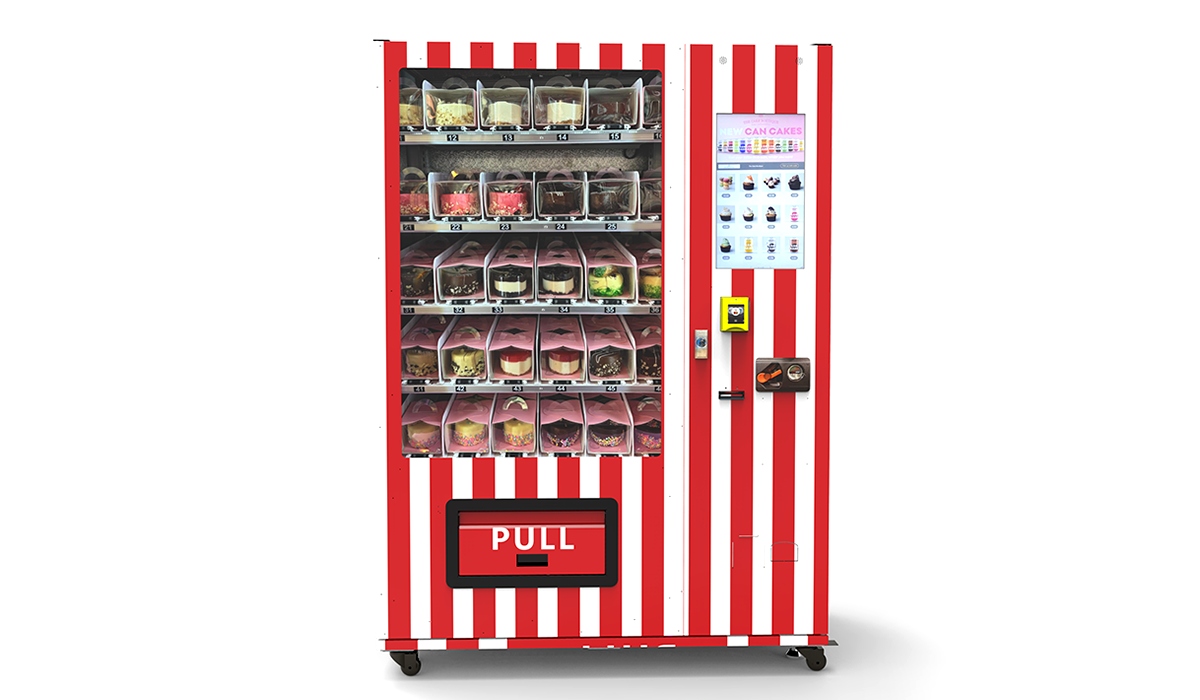
Let’s start with the basics. A refrigerator vending machine is a self-service kiosk that keeps products at a controlled temperature, typically between 34°F and 40°F (1°C to 4°C). Unlike standard snack machines that store shelf-stable items, these units are designed for perishable goods. You’ll see them in office break rooms, gyms, hospitals, schools, and transit hubs. They come in various sizes, from compact countertop models to full-size floor units.
The key difference from a standard vending machine is the refrigeration system. This adds complexity and cost, but it also opens up higher-margin product categories. A well-placed refrigerated unit can generate significantly more revenue than a snack-only machine, especially in locations where fresh food is in demand but not easily accessible.
In my experience, the most common mistake new operators make is treating a refrigerated machine like a standard one. You cannot just plug it in and forget it. Temperature monitoring, cleaning schedules, and product rotation are non-negotiable. If you skip those, you’ll end up with spoiled inventory and unhappy customers.
Why Consider a Refrigerated Vending Machine for Your Business?
The vending industry has been shifting toward fresh and healthy options for years. According to a 2023 report by IBISWorld, the vending machine industry in the US alone is worth over $8 billion, with refrigerated machines representing a growing share. The demand is driven by consumers who want quick, fresh meals without the wait or the markup of a café.
From a business perspective, refrigerated machines allow you to sell products with higher average transaction values. A bottle of water might sell for $1.50, but a fresh sandwich can go for $5.00 or more. The margin on prepared foods can be excellent if you manage inventory correctly. I’ve seen operators achieve gross margins of 40% to 60% on refrigerated items, compared to 25% to 35% on snacks.
Another advantage is customer loyalty. If you place a refrigerated machine in a location where people are stuck for hours—like an office or a hospital—they will use it daily. That recurring revenue is much more predictable than impulse snack purchases.
Key Factors to Consider Before Buying a Refrigerator Vending Machine
1. Location Is Everything
I cannot emphasize this enough. The best machine in the world will fail in the wrong location. When I evaluate a potential site, I look for three things: foot traffic, dwell time, and need. Foot traffic is obvious—you need people walking by. But dwell time matters just as much. A train station with thousands of people rushing through might not be as good as an office with 200 employees who have a 30-minute lunch break.
Need is harder to quantify. Ask yourself: Is there a gap in the market? If the building has a cafeteria, a refrigerated machine might not work. But if the nearest place to buy lunch is a 10-minute walk away, you have a strong opportunity. I once placed a machine in a small warehouse with only 50 workers. It did $3,000 in monthly sales because there was literally no other food option within a mile.
For a refrigerator vending machine, the location also needs a stable power supply and a clean, dry environment. Avoid placing units in direct sunlight or near heat sources, as that forces the compressor to work harder and increases energy costs.
2. Type of Products You Plan to Sell
Your product mix determines the machine configuration you need. If you plan to sell bottled drinks and pre-packaged sandwiches, a standard spiral or tray system works fine. But if you want to sell fresh salads, cut fruit, or yogurt parfaits, you need a machine with adjustable shelving and precise temperature control.
Some machines come with separate temperature zones. That allows you to keep drinks colder than food items, which is useful if you want to offer both. I prefer machines with digital temperature displays and remote monitoring. That way, I can check the temperature from my phone and get alerts if something goes wrong. This feature alone has saved me thousands of dollars in spoiled inventory.
3. Payment Systems and Connectivity
In 2025, a vending machine without cashless payment is a non-starter. Most customers expect to pay with a credit card, Apple Pay, or Google Pay. Some machines also accept cryptocurrency or mobile wallets. When choosing a refrigerator vending machine, make sure the payment system is compatible with your local payment networks.
Connectivity is another critical factor. Modern machines use telemetry systems to send real-time sales data, inventory levels, and error alerts to your phone or computer. This technology allows you to optimize restocking schedules and reduce downtime. I recommend choosing a machine that supports 4G or Wi-Fi connectivity, as it makes remote management much easier.
If you are sourcing from a supplier like Zhongda Smart, check whether their machines come with integrated payment terminals and IoT capabilities. Many Chinese manufacturers offer these features at a lower price point than European or American brands, but you need to verify compatibility with your local payment processors.
4. Energy Efficiency and Operating Costs
A refrigerated vending machine runs 24/7, so energy costs add up quickly. Look for machines with energy-efficient compressors, LED lighting, and good insulation. Some models are certified by ENERGY STAR or equivalent European programs. In my experience, an energy-efficient machine can save you $200 to $400 per year compared to an older model.
Maintenance costs also vary. Cheaper machines often use off-the-shelf refrigeration components, which are easier and cheaper to repair. High-end machines may have proprietary parts that require specialized technicians. I always ask potential suppliers for a list of common replacement parts and their costs before making a purchase.
Cost Breakdown: What to Expect
Let’s talk numbers. Based on my experience and data from industry sources like the National Automatic Merchandising Association (NAMA), here is a realistic cost breakdown for a refrigerator vending machine in the US market.
| Item | Cost Range (USD) | Notes |
|---|---|---|
| Machine purchase (new) | $3,000 – $8,000 | Depends on size, brand, features |
| Machine purchase (used) | $1,500 – $4,000 | Higher risk of repair costs |
| Shipping & installation | $300 – $1,000 | Varies by distance and setup complexity |
| Payment system setup | $200 – $600 | Includes terminal and connectivity |
| Initial inventory | $500 – $1,500 | Depends on product mix |
| Annual energy cost | $600 – $1,200 | Based on 24/7 operation |
| Annual maintenance | $300 – $800 | Includes cleaning, part replacement |
A typical single-machine setup costs between $5,000 and $12,000 to launch. Monthly revenue can range from $500 to $3,000 depending on location and product pricing. I’ve seen machines in high-traffic hospitals generate over $4,000 per month, while machines in low-traffic offices barely break $200.
Return on investment (ROI) typically takes 12 to 24 months for a well-placed machine. If you are paying rent or commission to the location owner, factor that into your calculations. A 10% to 20% commission is standard in the industry, though some premium locations ask for more.
How to Choose a Supplier or Manufacturer
This is where many beginners get tripped up. The market is flooded with suppliers, especially from China. Some offer excellent value, while others sell machines that break down within months. Here is how I evaluate a supplier.
First, ask about certifications. For the European market, look for CE marking. For the US, UL or ETL certification is important. These certifications indicate that the machine meets safety and electrical standards. Without them, you may have trouble with insurance or local regulations.
Second, check the warranty. A reputable manufacturer should offer at least one year of warranty on the compressor and two years on other components. Zhongda Smart, for example, provides a standard one-year warranty on their refrigerated models, with options to extend. I have worked with them on a few projects and found their after-sales support to be responsive, though shipping times from China can be long.
Third, ask for references. Any supplier should be able to provide contact information for existing customers in your region. Call those customers and ask about reliability, maintenance issues, and how the supplier handled problems. This step has saved me from making expensive mistakes.
Finally, consider the total cost of ownership, not just the purchase price. A cheap machine that requires frequent vending machine repair can end up costing more than a premium model over three years. Factor in the cost of replacement parts, technician availability, and downtime.
Common Mistakes New Operators Make
I have made many of these mistakes myself, so I speak from experience.
Mistake 1: Buying a machine before securing a location. I once bought three machines on a deal, then spent six months trying to find spots for them. The machines sat in storage, depreciating. Always secure the location first, or at least have a signed agreement in principle.
Mistake 2: Ignoring temperature monitoring. A friend of mine lost an entire inventory of fresh sandwiches because the machine’s compressor failed over a weekend. He had no remote monitoring, so he didn’t know until Monday. The smell was unforgettable. Remote temperature alerts are cheap insurance.
Mistake 3: Overstocking at the start. When you first place a machine, you don’t know what will sell. Start with a conservative inventory and track sales for two weeks. Then adjust. I have seen operators fill a machine with expensive organic salads only to discover that the office crowd prefers cheap sandwiches.
Mistake 4: Choosing the wrong payment system. Some older machines only accept cash. In many urban areas, that means losing 30% or more of potential sales. Always install a cashless reader from day one.
Mistake 5: Neglecting cleaning. A dirty machine is a health risk and a turnoff for customers. Refrigerated units need regular cleaning, especially the condenser coils and drip trays. I schedule a deep clean every month and a quick wipe-down every restock visit.
Best Locations for a Refrigerator Vending Machine
Based on my experience and industry data from sources like Vending Times, the following locations tend to perform best for refrigerated machines.
- Office buildings: Especially those without a cafeteria. Employees want quick lunch options.
- Hospitals and clinics: Staff and visitors need food at all hours. These locations have high dwell time.
- Gyms and fitness centers: Protein shakes, water, and healthy snacks sell well.
- Schools and universities: Students are a captive audience, but check local regulations on vending in schools.
- Transit hubs: Train stations, bus terminals, and airports have high traffic, but commission rates can be steep.
- Industrial facilities: Warehouses and factories often have limited food options. Workers appreciate a reliable machine.
One location I recommend avoiding is a standalone retail space unless you have very high foot traffic. Rent and utilities eat into margins quickly. It is almost always better to place machines inside existing businesses where you pay a commission rather than fixed rent.
How to Evaluate a Machine’s Investment Potential
Before you buy, run a simple projection. Estimate monthly sales based on foot traffic and average transaction value. For example, if a location has 500 potential customers per day and 5% make a purchase at $3.50 each, that is $87.50 per day or about $2,625 per month. Subtract product cost (40% of revenue), energy ($80), maintenance ($50), and location commission (15% of revenue). That leaves a monthly profit of roughly $1,000. In that scenario, a $7,000 machine pays for itself in 7 months.
But be conservative. I always project 20% lower than my initial estimate. Unexpected costs always arise. If the numbers still look good at the lower estimate, the investment is probably solid.
Self-Operation vs. Leasing vs. Revenue Sharing
You have three main ways to run a vending business. Each has pros and cons.
| Model | Pros | Cons |
|---|---|---|
| Self-operation | Full control, maximum profit | Requires time, maintenance skills, upfront capital |
| Leasing a machine | Lower upfront cost, predictable payments | Less profit, contract obligations |
| Revenue sharing with location | No rent, aligned incentives | Lower margin, less control over placement |
For beginners, I recommend starting with self-operation on one or two machines. It gives you hands-on experience without overcommitting capital. Once you understand the operational rhythm, you can scale up.
FAQ: Common Questions About Refrigerator Vending Machines
Are refrigerator vending machines profitable?
Yes, if placed correctly. Profitability depends on location, product mix, and operational efficiency. I have seen machines generate $500 to $4,000 per month in revenue. Gross margins on refrigerated items typically range from 40% to 60%.
How much does a refrigerator vending machine cost?
New machines cost between $3,000 and $8,000. Used machines can be found for $1,500 to $4,000, but may require more maintenance. Total startup costs including inventory and installation are usually $5,000 to $12,000 per machine.
How long does it take to break even?
Most operators break even within 12 to 24 months. High-traffic locations can achieve payback in 6 to 12 months. Lower-traffic spots may take longer.
Should a beginner buy or lease?
Buying is better for long-term profitability if you have the capital. Leasing reduces upfront risk but locks you into a contract. I suggest buying a single used machine to start, then reinvesting profits into new equipment.
Where should I place the machine?
Look for locations with consistent foot traffic, high dwell time, and limited food competition. Offices, hospitals, gyms, and industrial facilities are strong candidates. Avoid locations with existing cafeterias unless you have a unique product offering.
What permits do I need?
Requirements vary by country and city. In the US, you typically need a business license, a sales tax permit, and a health department permit for food vending. In the EU, you may need a hygiene certificate and registration with local authorities. Check with your city clerk or chamber of commerce.
How do I choose a supplier?
Look for certifications (CE, UL, ETL), warranty terms, and references. Ask about spare parts availability and remote monitoring features. Zhongda Smart is one option to consider, especially if you want a balance of price and features.
What happens if the machine breaks down?
Have a backup plan. Keep contact information for a local vending machine repair technician. If you buy from a supplier with remote diagnostics, many issues can be resolved without a site visit. Always have a spare compressor or controller if you operate multiple machines.
How can I reduce restocking and maintenance costs?
Use telemetry data to optimize restocking schedules. Consolidate routes if you have multiple machines. Perform routine cleaning and preventive maintenance to avoid major breakdowns. I also recommend using standard product sizes to simplify inventory management.
Final Thoughts
Choosing the right refrigerator vending machine is not a decision to rush. Take the time to evaluate your location, understand your product options, and vet your supplier thoroughly. The machines themselves are tools; your success depends on how you use them. I have seen operators build profitable small businesses with just two or three well-placed machines, and I have seen others lose money because they skipped the planning phase.
If you are just starting out, focus on one machine in one location. Learn the rhythm of restocking, the quirks of the refrigeration system, and the preferences of your customers. Once you have a system that works, scale it. The automated retail industry is growing, and there is room for careful, informed operators.
This article reflects my personal experience in the vending industry over the past decade. Costs and returns vary by market, location, and operational choices. Always verify local regulations and consult with a business advisor before making significant investments. Data references from IBISWorld and NAMA are publicly available and provide useful industry context.
本文更新于2025年7月