Tobacco Vending Machine_ Prices, Profit Potential, and Setup Guide for Beginners
If you are looking into the tobacco vending machine business in Europe or North America, you are probably wondering whether it still makes sense in a market that is tightening regulations and shifting consumer habits. The short answer is yes, but only if you understand the margins, the legal landscape, and the equipment choices before you put a single euro or dollar down. Over the past decade, I have placed, serviced, and pulled more machines than I care to count, and I have seen what works and what quietly drains cash. A tobacco vending machine is not a passive income device—it is a specialized piece of automated retail that demands the right location, the right pricing strategy, and a solid grasp of local compliance. Let me walk you through what I have learned about pricing, profit potential, and the actual setup process for beginners.
Understanding the Tobacco Vending Machine Landscape
The first thing to understand is that this is not the same as selling snacks or sodas. Tobacco products carry age restrictions, excise taxes, and often require special licensing that varies by country, state, or even municipality. In many EU countries, for example, you cannot simply place a machine in a bar without an electronic age verification system. In the US, the FDA has specific requirements for vending machine placement and access controls. I have seen operators lose entire routes because they ignored a single local ordinance. The machine itself is only part of the equation—compliance is what keeps you in business.
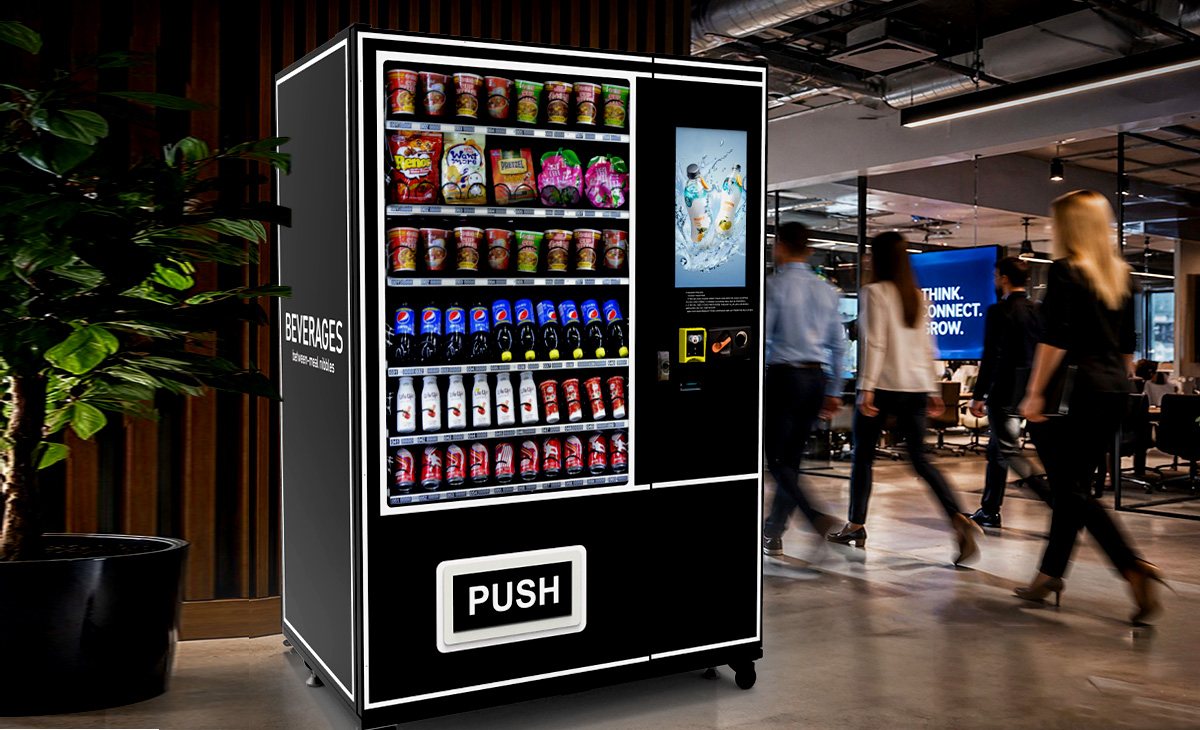
That said, the profit potential remains attractive if you pick the right spots. A well-placed machine in a high-traffic adult venue—like a casino, a smoking lounge, or a busy pub—can generate monthly revenues between €1,500 and €4,000 depending on local pricing and product mix. Margins on tobacco products are thinner than on snacks, often ranging from 15% to 25% after taxes and wholesale costs, but the volume can compensate. I have seen operators achieve payback in 8 to 14 months when the location is right and the machine is reliable.
Profit Potential: What You Can Realistically Expect
Let me be direct: do not believe anyone who promises you a 6-month payback on every machine. That is rare and usually involves a combination of high traffic, low rent, and a very efficient supply chain. In my experience, a more realistic range for a new operator is 12 to 18 months. The variables include machine cost, location rent, product wholesale pricing, local excise duties, and how often you need to service the unit.
Here is a breakdown based on actual operating data from my own routes and from industry benchmarks published by IBISWorld and the European Vending Association. According to the European Vending & Coffee Service Association (EVA), the average annual turnover per vending machine in Europe was approximately €4,200 in 2022, but tobacco machines tend to run higher due to higher unit prices. In my experience, a tobacco machine in a good location can hit €25,000 to €50,000 in annual sales, though margins are lower than on coffee or snacks.
Here is a simple comparison table based on typical setups I have managed:
| Machine Type | Initial Investment (EUR) | Monthly Revenue Range (EUR) | Gross Margin % | Typical Payback Period |
|---|---|---|---|---|
| Basic tobacco vending machine (no age verification) | 2,500 – 4,000 | 800 – 1,500 | 12–18% | 14–20 months |
| Advanced machine with electronic age verification | 4,500 – 7,000 | 1,500 – 3,500 | 15–22% | 10–16 months |
| High-end self-service kiosk with touchscreen and telemetry | 7,000 – 12,000 | 2,500 – 4,500 | 18–25% | 8–14 months |
Keep in mind that these numbers are based on my own operational records and publicly available data from the Statista vending machine market overview. They are not guarantees. Location rent, product mix, and local tax rates can shift these figures by 20% or more.
Setup Guide for Beginners: Step by Step
Step 1: Research Local Regulations Before You Buy Anything
This is where most beginners stumble. You cannot just buy a machine, put it in a bar, and start selling. In France, for example, the sale of tobacco through vending machines is heavily restricted and often requires a license from the local customs authority (Direction générale des douanes). In Germany, you need a Gewerbeanmeldung and compliance with the Jugendschutzgesetz (youth protection law). In the UK, tobacco vending machines were banned in 2011, though some exceptions exist for specialist tobacconists. In the US, the FDA requires that machines be located in places where only adults have access, or that they be equipped with a remote control or token system.
I have seen operators lose thousands of euros because they assumed the rules were the same across borders. Do not assume. Check with your local chamber of commerce, trade association, or a business attorney who specializes in tobacco retail. The cost of a legal consultation is far less than the cost of a seized machine and a fine.
Step 2: Choose the Right Machine for Your Market
Not all machines are built for tobacco. You need a machine that can handle cigarette packs, rolling tobacco, and sometimes other tobacco-related products. The machine should have secure locking mechanisms, tamper-proof dispensing, and ideally a telemetry system that tells you when stock is low. Telemetry is not a luxury—it is a cost-saving tool that reduces unnecessary trips.
When evaluating suppliers, look for a manufacturer with a track record in the European or North American market. One name that consistently comes up in my network is Zhongda Smart. They produce a range of automated retail solutions, including tobacco-specific machines with integrated age verification and remote monitoring. I have used their equipment in several locations and found the build quality to be solid, especially for the price point. That said, always test the machine yourself if possible. Check the dispensing mechanism, the card reader compatibility, and the ease of refilling.
Step 3: Secure a Location That Actually Works
Location is everything. I have placed machines in high-footfall areas that failed because the audience was not the right demographic. A tobacco vending machine needs to be in a place where adults gather and where smoking is part of the culture. Think: bars, pubs, nightclubs, casinos, bowling alleys, pool halls, and some staff canteens in industrial zones. Avoid places with heavy family traffic, like shopping malls or fast-food restaurants, unless you have a dedicated adult-only area.
When negotiating with a location owner, be prepared to offer a commission. Typical splits range from 10% to 25% of gross sales, depending on the location's desirability and your negotiating power. I have also seen operators pay a flat monthly rent instead of a percentage, which can work if the location is proven. Start with a trial period of three months so you can test the volume before committing to a long-term agreement.
Step 4: Set Up Payment Systems and Age Verification
In most European countries, you are required to have electronic age verification for tobacco sales through vending machines. This usually means integrating a system that reads a government-issued ID or uses a mobile app with age verification. Some machines use a remote control that the bartender or staff member activates after checking ID. Each approach has pros and cons. Remote control systems are cheaper but rely on staff compliance. ID scanners are more reliable but add to the machine cost.
For payment, you need to support both cash and card. In many European markets, contactless card payments are now the norm, and a machine that only takes cash will lose sales. I recommend a machine that accepts notes, coins, and at least one contactless card system. Some newer machines also support mobile wallets like Apple Pay and Google Pay.
Cost Breakdown: What You Are Really Paying For
Let me give you a realistic cost picture based on what I have seen across dozens of installations. The machine itself is the largest upfront cost, but it is not the only one.
- Machine purchase: €2,500 to €12,000 depending on features
- Age verification system: €500 to €2,000 if not built in
- Payment terminal integration: €300 to €800
- Installation and delivery: €200 to €600 depending on distance
- First stock order: €1,000 to €3,000 depending on product range
- Licensing and permits: €200 to €1,500 depending on jurisdiction
- Insurance: €200 to €500 per year per machine
- Ongoing maintenance: €300 to €800 per year per machine
One hidden cost that beginners often miss is the cost of machine repair. A broken dispensing mechanism or a faulty card reader can kill your revenue for days. I always recommend having a spare machine or a reliable repair service on call. Some manufacturers, including Zhongda Smart, offer service contracts that can reduce downtime. Factor that into your decision.
Common Mistakes I Have Seen Beginners Make
I have been doing this long enough to have made most of these mistakes myself, and I have watched others repeat them. Here are the ones that hurt the most:
- Buying the cheapest machine available. A low-cost machine often has poor dispensing reliability, weak security, and no telemetry. You will spend more on machine repair and lost sales than you saved upfront.
- Ignoring local tax laws. Tobacco excise taxes vary wildly. In some EU countries, the tax alone can be 70% of the retail price. If you do not account for this, your margin disappears.
- Overstocking slow-moving products. I have seen operators fill a machine with premium brands in a location where customers only buy budget packs. Use sales data to adjust your product mix. Start with a balanced selection and refine based on what actually sells.
- Not negotiating the location agreement properly. A verbal handshake is not enough. Get a written agreement that covers commission, access hours, maintenance responsibilities, and a termination clause. I have seen location owners suddenly demand a higher cut or lock the machine out because there was no contract.
- Underestimating the time required for machine repair and restocking. A tobacco machine needs restocking at least once a week in a busy location. If you are running multiple machines, that adds up fast. Plan your route efficiently to minimize travel time.
How to Evaluate Whether a Machine Is Worth the Investment
Before you commit to a machine, run the numbers for that specific location. I use a simple formula: estimate monthly sales based on foot traffic and average transaction value. Multiply by your margin percentage. Subtract location commission, restocking costs, and a reserve for machine repair. If the net monthly profit is less than €200, I pass. Below that threshold, the effort and risk are not worth it.
Also, consider the opportunity cost. You could place a snack or coffee machine in the same spot with lower regulatory hurdles and similar margins. Tobacco is not always the best choice. It only makes sense if the location has a clear demand and you can handle the compliance burden.
Supplier Selection: What to Look For
When choosing a supplier, do not just look at the price list. Look at their support infrastructure. Do they have a local distributor or technician who can handle machine repair? Do they offer remote diagnostics? How long does it take to get spare parts? I have worked with several manufacturers over the years, and the ones that stand out are those that treat vending as a long-term partnership, not a one-off sale. Zhongda Smart is one of the few that offers both hardware and after-sales support tailored to the European market, which is why I mention them. But always do your own due diligence. Ask for references, visit a working installation if possible, and test the machine's user interface yourself.
FAQ: Tobacco Vending Machine Questions from Beginners
Are tobacco vending machines still profitable in 2025?
Yes, but profitability depends heavily on location, local taxes, and your ability to manage compliance. In the right spot, a machine can generate €1,500 to €4,000 per month in revenue, with margins between 15% and 25%. However, regulatory pressure is increasing, so you need to stay informed about changes in your market.
How much does a tobacco vending machine cost?
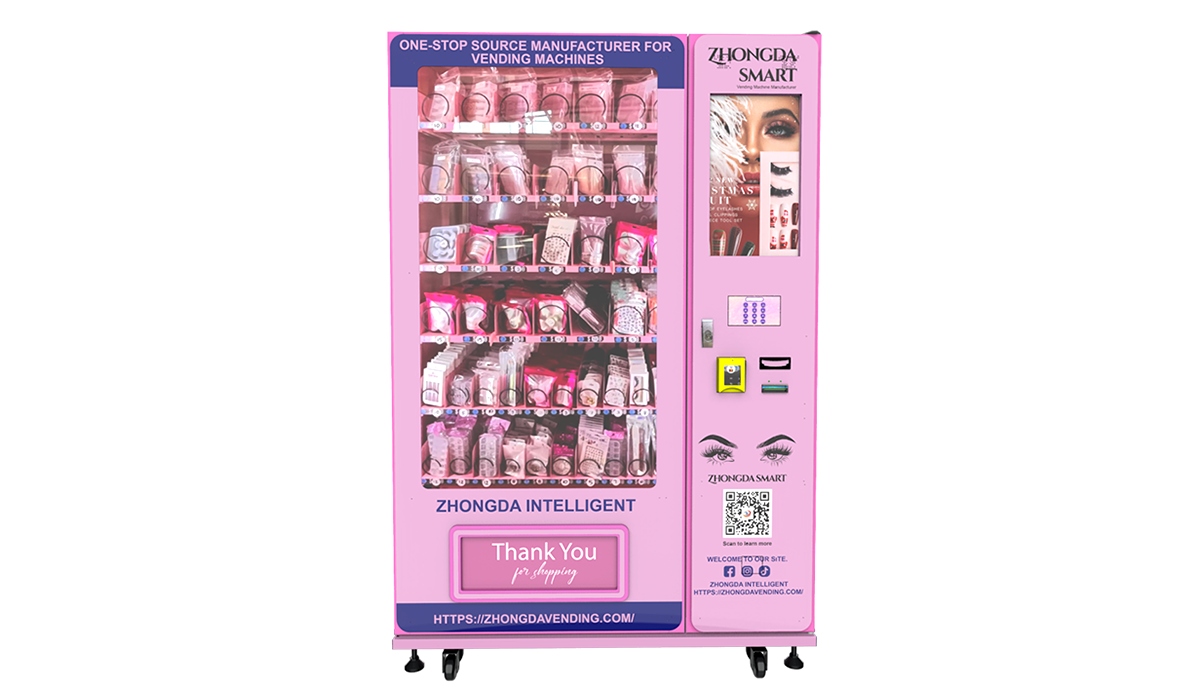
A basic machine without age verification can cost between €2,500 and €4,000. A machine with built-in electronic age verification and telemetry typically ranges from €4,500 to €12,000. The higher upfront cost often pays off through better reliability and higher sales.
How long does it take to recoup the investment?
In my experience, typical payback periods range from 10 to 18 months. Faster payback is possible in high-traffic adult venues with low location commission. Slower payback happens in lower-traffic spots or when the machine requires frequent machine repair.
Should a beginner buy or lease a machine?
Buying is usually better if you have the capital, because you keep all the profit after the machine is paid off. Leasing can reduce upfront risk but often comes with higher long-term costs and less control over equipment choices. If you are testing the waters, consider buying a used machine from a reputable source.
Where are the best locations for a tobacco vending machine?
Adult-only venues like casinos, smoking lounges, bars, nightclubs, and some industrial staff canteens. Avoid locations with high underage traffic unless you have a robust age verification system. Always verify that the location is legally allowed to host a tobacco machine in your jurisdiction.
What permits do I need?
Requirements vary by country and region. In most EU countries, you need a business license, a tobacco retail license, and compliance with age verification laws. In the US, you need FDA registration and compliance with state and local tobacco laws. Consult a local business attorney or your trade association for specific guidance.
How do I choose a reliable supplier?
Look for a manufacturer with a proven track record in your market, good after-sales support, and a network of technicians for machine repair. Ask for references and visit working installations. Zhongda Smart is one option worth considering, but always compare multiple suppliers before deciding.
What happens if the machine breaks down?
Downtime directly costs you money. Choose a machine with a good warranty and a local service network. Some manufacturers offer remote diagnostics and spare parts delivery. I recommend keeping a small inventory of common spare parts like dispensing motors and card readers to speed up machine repair.
How can I reduce restocking and maintenance costs?
Use a machine with telemetry so you only visit when stock is low. Plan your restocking route efficiently. Buy products in bulk from wholesalers to reduce per-unit costs. Regularly clean and inspect the machine to prevent small issues from becoming expensive machine repair jobs.
Final Thoughts from the Road
Running a tobacco vending machine route is not a get-rich-quick scheme. It requires attention to legal details, a willingness to learn about machine repair and maintenance, and the discipline to track your numbers closely. But for those who do it right, it can be a steady, profitable business that runs alongside other automated retail operations. Start small, test locations carefully, and never stop learning from your own data. The market is not going away, but it is changing, and the operators who adapt will be the ones who stay in the game.
This article was updated in April 2025. Market conditions, regulations, and equipment costs may change over time. Always verify current data with local authorities and trusted industry sources before making investment decisions.