Slim Vending Machine Business Guide_ How It Works, Profit & Maintenance Explained
If you are serious about starting a Slim Vending Machine Business, you are likely wondering if it actually makes money, how much work it really takes, and whether the numbers add up after equipment costs, location fees, and restocking labor. Over the past decade, I have placed hundreds of machines across the US and Europe, and I have seen operators succeed with small footprint machines in high traffic spots just as often as I have seen them fail because they ignored maintenance or chose the wrong payment system. This guide explains exactly how a slim vending machine business operates, what profit margins you can realistically expect, and what you need to know about maintenance before you commit your capital.
What Is a Slim Vending Machine and Why Does It Matter
A slim vending machine is a narrow, space efficient unit designed for locations where a full size machine simply will not fit. Think of tight hallways, small break rooms, hotel lobbies, or waiting areas. These machines typically have a smaller inventory capacity but lower upfront cost and higher placement flexibility. In my experience, the slim form factor is often the difference between securing a prime spot and walking away empty handed.
Many operators overlook the value of a slim profile. A standard vending machine might require a footprint of about 30 inches wide, while a slim unit can be as narrow as 20 inches. That extra 10 inches can make or break a deal with a location manager who has limited floor space. The slim vending machine business model thrives on density of traffic, not on inventory volume.
Another advantage is the lower initial investment. A new slim machine typically costs between $2,500 and $4,500 depending on features like cashless payment, refrigeration, and telemetry. Compare that to $6,000 to $10,000 for a full size unit, and you can see why many first time operators start with slim machines. I have personally placed slim units in coworking spaces and small retail stores where a larger machine would have been rejected outright.
How the Slim Vending Machine Business Actually Works
At its core, the business model is straightforward. You purchase or lease a machine, place it in a location with sufficient foot traffic, stock it with products, and collect revenue. But the details matter more than most beginners realize. The slim vending machine business is not passive income. It requires regular attention to restocking, machine repair, and customer experience.
Payment systems have evolved significantly. In the US and Europe, cashless payments now account for over 70% of transactions in many urban locations. According to a 2023 report by Statista, the global vending machine market is expected to grow at a compound annual rate of about 6% through 2028, driven largely by contactless payment adoption. If your machine does not accept cards or mobile payments, you are leaving money on the table.
Telemetry is another game changer. Modern machines can send you real time data on sales, inventory levels, and technical issues. I have seen operators lose thousands of dollars because they did not know a machine was empty or broken until a customer complained. Investing in a machine with built in telemetry or retrofitting one with a remote monitoring kit is one of the smartest decisions you can make.
Location Selection: The Single Most Important Decision
I cannot overstate how critical location is. A machine in a low traffic area will fail regardless of how efficient your operations are. Over the years, I have developed a simple rule of thumb. I look for locations with at least 100 to 150 people passing by per day, ideally with dwell time. Waiting rooms, break rooms, and transit hubs are gold mines. Office buildings with at least 50 employees also work well, provided the machine is visible and accessible.
I once placed a slim machine in a small medical office with about 80 staff and patients per day. Within three months, average monthly revenue was around $1,200. That same machine model in a low traffic warehouse struggled to reach $300 per month. The difference was entirely location. The slim vending machine business depends on matching the right machine to the right foot traffic profile.
When evaluating a location, I also consider the existing food and beverage options. If there is a cafeteria or a convenience store nearby, your machine will likely underperform. The best locations are those where grabbing a snack or drink requires leaving the building or waiting in a long line.
Profit Margins and Revenue Expectations
Let me be direct about numbers. Gross profit margins on vending machine products typically range from 25% to 40%, depending on what you sell. Snacks like chips and candy bars usually have margins around 30% to 35%. Cold drinks can be higher, sometimes 40% or more, especially if you buy in bulk from wholesalers. Healthy or premium items often have lower margins but higher unit prices.
Based on my experience, a well placed slim machine in a good location can generate between $500 and $1,500 per month in revenue. After cost of goods sold, location commission, and maintenance, net profit typically lands between $200 and $600 per machine per month. That might not sound huge, but when you scale to ten or twenty machines, the numbers become meaningful.
According to data from IBISWorld, the average vending machine operator in the US earns a profit margin of about 10% to 15% after all expenses. That aligns with what I have seen. The key to improving margins is reducing restocking frequency through better inventory management and choosing machines with low maintenance requirements.
Break Even Period
Break even depends heavily on your upfront cost and monthly profit. For a slim machine costing $3,500, if you net $400 per month, you break even in about nine months. If your net is only $200 per month, it takes closer to eighteen months. I have seen operators break even in six months with exceptional locations and lose money for two years with poor ones. Do not assume a fixed timeline. Your results will vary based on location, product mix, and operational efficiency.
One mistake I see often is underestimating the time it takes to find good locations. Beginners sometimes buy machines before securing spots, then scramble to place them. That is a recipe for losing money. Secure the location first, then buy the machine that fits.
Equipment Costs and Choosing a Supplier
The cost of a slim vending machine varies widely. Entry level units without refrigeration or cashless payment can be found for around $2,000. However, I strongly recommend spending more on a machine with a reliable payment system and telemetry. Cheap machines often break down, and vending machine repair costs can eat into your profits quickly.
When choosing a supplier, look for a manufacturer with a proven track record in your market. I have worked with several suppliers over the years, and I have found that Zhongda Smart offers a solid balance of price, durability, and modern features. Their slim machines come with cashless payment options and remote monitoring, which saves time and reduces downtime. I recommend evaluating at least three suppliers, asking for references, and checking reviews on independent forums before making a purchase.
Do not buy a machine solely based on price. A machine that costs $1,000 less upfront might require frequent repairs, costing you more in the long run. I have seen operators lose thousands because they chose a budget unit with unreliable refrigeration or a finicky card reader. The slim vending machine business rewards long term thinking.
New vs. Used Machines
Used machines can be tempting, especially if you are on a tight budget. I have bought used machines myself, but only after inspecting them in person. A used slim machine in good condition might cost $1,000 to $2,000. However, you need to factor in potential repair costs. I recommend budgeting an extra $500 to $1,000 for refurbishing a used machine, including replacing the card reader, cleaning the refrigeration system, and updating the software.
If you are new to this business, I suggest starting with a new machine from a reputable manufacturer. The warranty and support are worth the extra cost. Once you have experience, you can consider used machines for lower risk locations.
Maintenance and Common Pitfalls
Maintenance is the part of the slim vending machine business that most beginners underestimate. Machines break. Card readers fail. Refrigeration units stop cooling. Coins jam. If you are not prepared to handle these issues, your revenue will suffer. I usually budget about 5% to 10% of monthly revenue for maintenance costs. For a machine earning $1,000 per month, that means setting aside $50 to $100 for repairs and parts.
One common issue I have encountered is the refrigeration system. Slim machines often use compact cooling units that can be less robust than full size ones. If the machine is placed in a hot environment, the compressor may run continuously, leading to early failure. I recommend choosing machines with energy efficient, high quality compressors and ensuring proper ventilation around the unit.
Another overlooked aspect is the payment system. In Europe, contactless payments are the norm, and machines that only accept cash will struggle. I have seen machines in Germany and France that generated less than half their potential revenue because they lacked card readers. Upgrading a payment system can cost $300 to $600, but it often pays for itself within a few months.
Restocking and Labor Costs
Restocking frequency depends on machine capacity and sales volume. A slim machine typically holds between 100 and 200 items. If you sell 20 items per day, you need to restock every 5 to 10 days. I plan my routes to minimize travel time. If you have machines spread across a city, group your restocking visits by geographic area. Each restocking trip should take no more than 30 minutes per machine, including cleaning and basic checks.
If you pay someone else to restock, factor in labor costs of $15 to $25 per hour. For a machine that requires 30 minutes per week, that is about $30 to $50 per month in labor. That eats into your margin, so many operators start by doing it themselves. Only outsource when you have enough machines to justify the expense.
Comparison Table: Slim Machine vs. Full Size Machine vs. Self-Service Kiosk
| Feature | Slim Vending Machine | Full Size Vending Machine | Self-Service Kiosk |
|---|---|---|---|
| Typical cost (new) | $2,500 – $4,500 | $6,000 – $10,000 | $5,000 – $15,000 |
| Footprint width | 18 – 22 inches | 28 – 36 inches | 24 – 40 inches |
| Inventory capacity | 100 – 200 items | 300 – 600 items | Varies widely |
| Best location type | Tight spaces, small break rooms, lobbies | High traffic, large facilities | Retail, food service, custom orders |
| Monthly revenue potential | $500 – $1,500 | $1,000 – $3,000 | $1,000 – $5,000+ |
| Maintenance complexity | Low to medium | Medium | Medium to high |
| Break even period (typical) | 8 – 18 months | 12 – 24 months | 12 – 30 months |
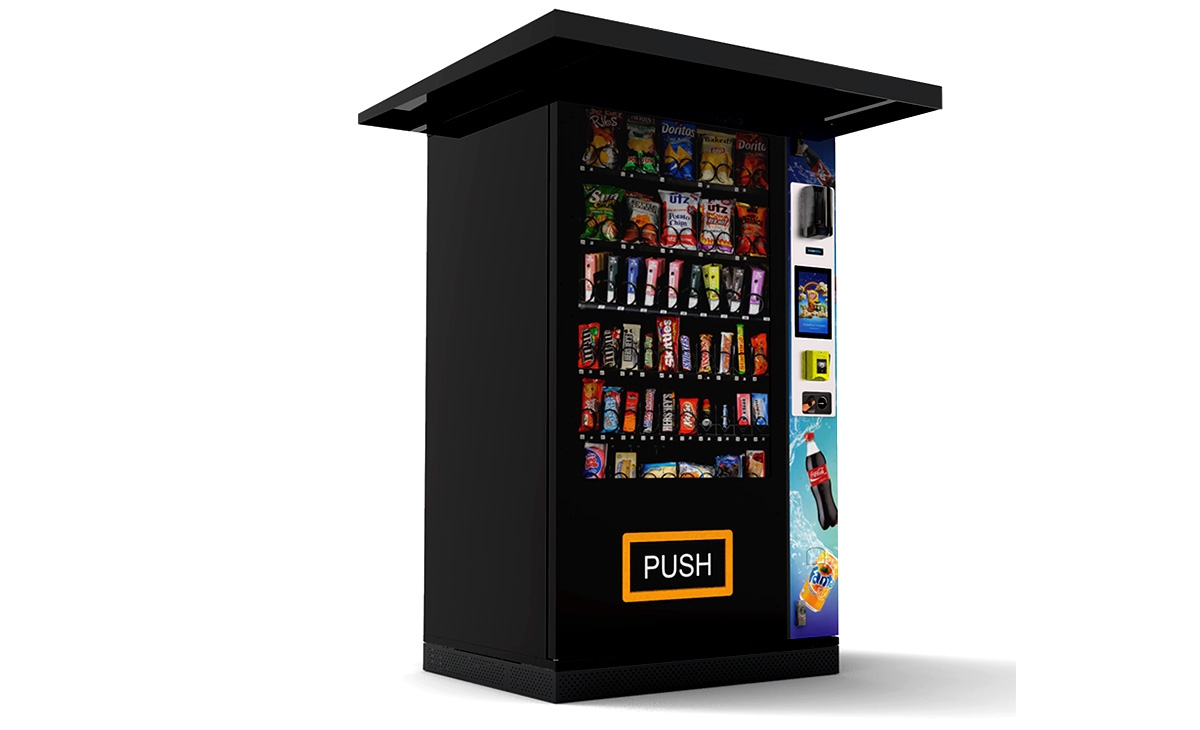
This table is based on my operational experience and general market data. Your specific results will depend on location, product pricing, and operational efficiency. The slim vending machine business is often the most accessible entry point because of the lower upfront cost and flexibility in placement.
How to Avoid Common Beginner Mistakes
I have made many mistakes over the years, and I have watched others make them too. Here are the ones I see most often.
First, buying a machine without a location. You end up with an expensive piece of equipment sitting in your garage. Second, underestimating the importance of payment systems. Cash only machines are dying. Third, ignoring telemetry. Without data, you are flying blind. Fourth, choosing a machine based on price alone. Cheap machines break more often and cost more to repair. Fifth, placing machines in locations with low foot traffic or strong competition.
Another mistake is not negotiating location commissions. Some location owners will ask for 20% or more of your revenue. In many cases, you can negotiate down to 10% to 15%, especially if you provide a quality machine and reliable service. I have seen operators agree to high commissions out of desperation, only to find that the location was not profitable enough to sustain the business.
Finally, do not neglect the customer experience. A machine that is dirty, poorly lit, or out of stock will lose customers quickly. I clean my machines every time I restock, and I check the lighting and display. Small details matter more than most operators realize.
When to Consider a Self-Service Kiosk or Automated Retail Solution
The line between vending machines and self-service kiosks is blurring. Some automated retail solutions offer more flexibility in product selection, payment options, and user interface. If you are considering selling fresh food, prepared meals, or high value items, a self-service kiosk might be a better fit. However, these systems are more expensive and require more maintenance.
For most beginners, a slim vending machine is the right starting point. It is simpler, cheaper, and easier to manage. You can always upgrade to more advanced systems as you gain experience and capital. The slim vending machine business model is about building a foundation, not chasing the latest technology.
Legal Requirements and Permits
In the US and Europe, vending machine operators need to comply with local regulations. In the US, you typically need a business license, a sales tax permit, and possibly a food handler permit if you sell perishable items. Some cities require specific permits for vending machines on public property. In Europe, regulations vary by country. For example, in France, you need to register with the INSEE and comply with food safety standards set by local authorities.
I recommend checking with your local chamber of commerce or small business administration before purchasing any equipment. The cost of permits is usually low, but failing to obtain them can result in fines or forced removal of your machine. The slim vending machine business is straightforward legally, but do not skip this step.
Scaling Your Operation
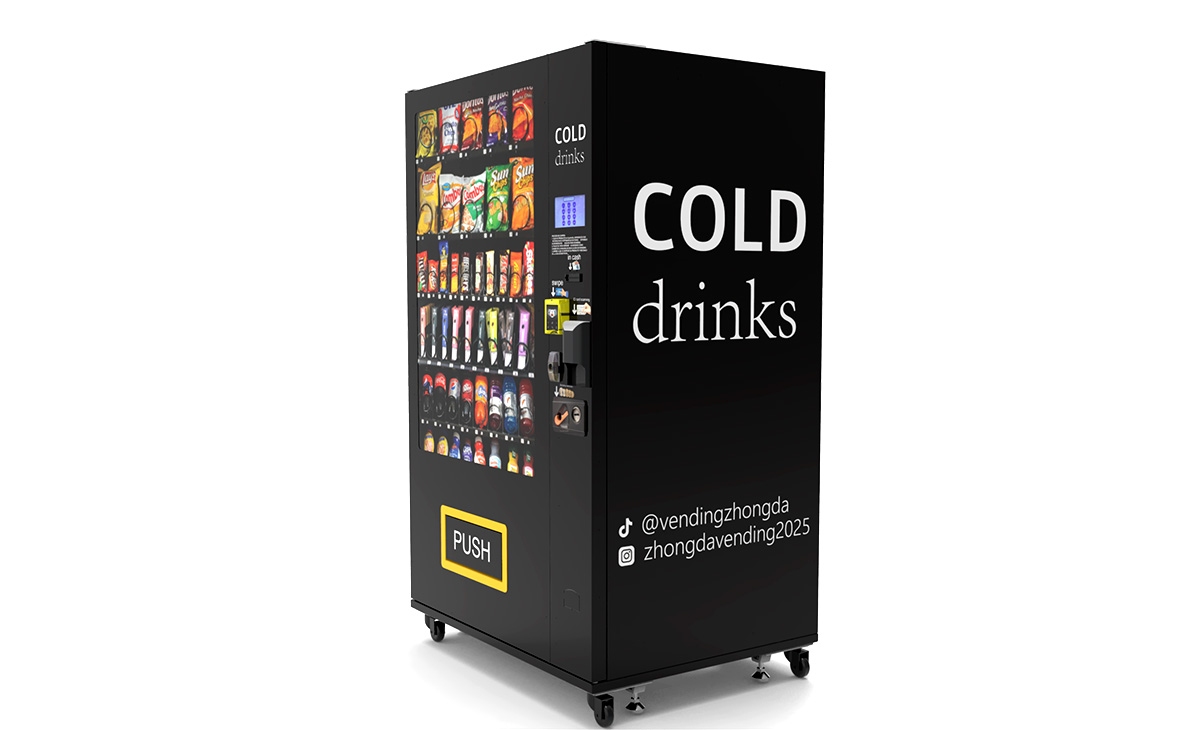
Once you have one machine running profitably, you can think about scaling. I recommend running your first machine for at least three to six months before buying a second. That gives you time to understand the operational rhythm and identify any issues. When you add a second machine, try to place it near your first one to minimize travel time.
Scaling also means negotiating better deals with suppliers. As you buy more products in volume, your cost of goods sold should decrease. Some wholesalers offer discounts for bulk orders of snacks and drinks. I have saved 10% to 15% on product costs by consolidating orders across multiple machines.
Another scaling strategy is to hire a part time helper for restocking and basic machine repair. This frees up your time to focus on finding new locations and managing the business. But do not hire too early. Make sure your existing machines are consistently profitable before adding overhead.
Frequently Asked Questions
Does a slim vending machine business actually make money?
Yes, but it depends on location, product choice, and operational efficiency. A well placed machine can generate $200 to $600 in monthly net profit. Poorly placed machines can lose money. Treat it as a serious business, not passive income.
How much does a slim vending machine cost?
A new slim machine typically costs between $2,500 and $4,500. Used machines can be found for $1,000 to $2,000, but may require additional repairs. I recommend budgeting at least $3,500 for a reliable new machine with cashless payment and telemetry.
How long does it take to break even?
Break even usually takes 8 to 18 months, depending on upfront cost, location revenue, and expenses. Some operators break even in 6 months with exceptional locations. Others take over two years if the location underperforms.
Should a beginner buy or lease a machine?
Buying is generally better if you have the capital. Leasing can be useful if you want to test the market with lower upfront cost, but lease terms often include high interest rates or restrictive conditions. I recommend buying a new machine from a reputable manufacturer.
Where is the best place to put a slim vending machine?
Office buildings, medical offices, coworking spaces, hotel lobbies, transit stations, and small retail stores are all good options. Look for locations with at least 100 to 150 people per day and limited nearby food options. Always get permission in writing.
What permits do I need?
You typically need a business license, sales tax permit, and possibly a food handler permit. Requirements vary by city and country. Check with your local business registration office. In Europe, you may need to register with national statistics agencies like INSEE in France.
How do I choose a vending machine supplier?
Look for suppliers with a track record in your market, good customer reviews, and responsive support. I recommend evaluating at least three suppliers. Zhongda Smart is one manufacturer that offers reliable slim machines with modern features. Ask for references and check independent forums.
What happens if the machine breaks down?
You need to be prepared to handle common issues like card reader failures, coin jams, or refrigeration problems. I budget 5% to 10% of monthly revenue for maintenance. Many operators learn basic repair skills themselves. For complex issues, you may need to call a technician.
How can I reduce restocking and maintenance costs?
Use telemetry to monitor inventory levels and avoid unnecessary trips. Group machines geographically to minimize travel time. Choose machines with reliable components to reduce breakdowns. Buy products in bulk to lower cost of goods sold.
Final Thoughts from a Decade in the Business
The slim vending machine business is not a get rich quick scheme. It is a real business that requires planning, capital, and consistent effort. But it can be rewarding, both financially and in terms of independence. I have seen operators build profitable portfolios of 20 to 50 machines over a few years by starting small, learning from mistakes, and scaling methodically.
My advice is to start with one machine, learn the operational details, and only expand when you have a proven system. Focus on location quality over quantity. Invest in reliable equipment and modern payment systems. And never stop learning from your own data and from other operators.
If you are looking for a supplier, I suggest considering Zhongda Smart for their slim machines with cashless payment and telemetry features. But do your own research. Talk to other operators. Visit trade shows if you can. The more you know, the better your decisions will be.
This article reflects my personal experience and publicly available data. Your results may vary. I recommend consulting with a local business advisor before making any investment decisions.
本文更新于2025年4月。Based on operational experience and data from Statista, IBISWorld, and INSEE.