Vendo Snack Machine Explained_ Features, Costs, and Market Trends
If you are looking into the vending machine business in Europe or North America, you probably have one question on your mind: is it actually profitable, or is it just a side hustle that looks good on social media? After spending over a decade placing, breaking, fixing, and moving these machines across different markets, I can tell you that the answer is not straightforward. A Vendo Snack Machine can generate solid passive income, but only if you understand the real costs, the right locations, and the maintenance realities that most guides gloss over. This article breaks down everything I have learned about features, upfront investment, operational expenses, and current market trends so you can decide if automated retail is worth your time and capital.
What Exactly Is a Vendo Snack Machine?
When I say Vendo Snack Machine, I am referring to a self-contained, automated retail unit designed to dispense packaged snacks, beverages, and sometimes fresh food. These machines are not the old glass-front relics you remember from the 1990s. Modern units are fully digital, equipped with telemetry, cashless payment systems, and sometimes even touchscreen interfaces. The term "Vendo" is often used generically in some markets, but it originates from a brand that helped pioneer the industry. In practice, any machine that sells snacks and drinks in a retail or workplace setting falls under this category.
The core function is simple: a customer selects a product, pays via cash, card, or mobile wallet, and the machine delivers the item. But the simplicity ends there. The real complexity lies in choosing the right configuration for your target location. A machine that works well in a busy office park might fail miserably in a warehouse breakroom. The selection of coils, trays, and cooling systems matters more than most beginners realize.
Over the years, I have seen operators lose thousands of dollars because they bought a machine with the wrong product capacity or a cooling system that could not handle the ambient temperature of a non-air-conditioned factory floor. Understanding the hardware is not optional; it is the foundation of any profitable vending operation.
Key Features to Look For in a Modern Snack Machine
Payment Systems and Cashless Integration
The single biggest shift I have witnessed in the last decade is the move away from cash. In Europe, particularly in countries like France and Germany, contactless payments now account for over 60% of vending transactions according to a 2023 report by the European Vending Association. In the United States, cash is still relevant in some locations, but card and mobile payments are growing fast. If you buy a machine today without a modern card reader and NFC support, you are effectively limiting your revenue from the start.
I recommend looking for machines that support multiple payment methods: credit cards, debit cards, Apple Pay, Google Pay, and local contactless systems. Some newer units also accept QR code payments via apps, which is becoming popular in younger demographics. Do not overlook the cost of payment processing fees, which typically range from 2% to 5% per transaction. That eats into your margin, so factor it into your pricing strategy.
Telemetry and Remote Monitoring
Another feature that separates professional operators from hobbyists is telemetry. A machine with built-in remote monitoring allows you to see inventory levels, sales data, and machine health from your phone or laptop. This is not a luxury; it is a necessity if you plan to run more than a few machines. Without telemetry, you are driving to locations blind, often arriving to find a machine half-empty or, worse, broken down with no one knowing.
Good telemetry systems also provide sales analytics. You can see which products sell fastest, which ones sit for weeks, and when your busiest hours are. This data allows you to optimize your product mix and reduce waste. In my experience, operators who use telemetry reduce their spoilage and stale-product losses by at least 15% within the first year.
Cooling and Energy Efficiency
Snack machines that also sell cold drinks require reliable cooling. But not all cooling systems are equal. Older machines use compressor-based systems that draw a lot of power. Newer machines, especially those designed for the European market with strict energy regulations, use more efficient compressors and better insulation. Look for machines with an energy efficiency rating that meets or exceeds local standards. In the EU, machines should comply with the Ecodesign Directive. In the US, Energy Star certification is a good benchmark.
I have seen operators in southern Europe struggle with machines that could not maintain proper temperatures during summer heatwaves. That leads to melted chocolate, warm drinks, and unhappy customers. If you are placing a machine outdoors or in a non-climate-controlled space, invest in a unit with a robust cooling system and possibly a thermal insulation kit.
Cost Breakdown: What You Really Need to Budget For
One of the most common mistakes new operators make is underestimating the total cost of entry. They see a machine listed for $3,000 and think that is the only expense. Let me walk you through the real numbers based on my own experience and industry data.
| Expense Category | Typical Cost Range (USD/EUR) | Notes |
|---|---|---|
| New machine (mid-range) | $4,000 – $8,000 | Includes basic telemetry and card reader |
| Used/refurbished machine | $1,500 – $3,500 | Higher risk of repairs; check cooling and payment system |
| Payment system upgrade | $500 – $1,200 | If not included; necessary for cashless sales |
| Initial inventory (first fill) | $500 – $1,500 | Depends on machine capacity and product type |
| Location commission or rent | 5% – 20% of gross sales | Negotiable; prime locations demand higher cuts |
| Installation and delivery | $200 – $600 | Can be higher for difficult access locations |
| Annual maintenance and repairs | $300 – $800 | Varies widely by machine age and location |
These are estimates based on my own operational data and cross-referenced with industry benchmarks from IBISWorld. Your actual numbers will vary depending on your market, the condition of the machine, and the terms you negotiate with location owners.
The initial investment for a single machine can range from $3,000 to $10,000. That is not a huge amount compared to many small businesses, but it is enough that you should not treat it casually. I have seen people buy a cheap used machine only to spend twice its purchase price on repairs in the first year. Sometimes paying more upfront for a reliable unit saves you money in the long run.
Revenue Potential and Profit Margins
Now let us talk about the numbers that matter: how much can you actually make? A well-placed snack machine in a high-traffic location can generate between $300 and $1,200 per month in gross sales. The average across my own fleet of about 50 machines in France and Germany is around $600 per month per machine. That is not a fortune, but it adds up when you have multiple units.
Gross margins on snack and drink items typically range from 25% to 40%. That means on $600 in sales, you might keep $150 to $240 before expenses. After you subtract location commission, payment fees, restocking labor, and maintenance, your net profit per machine per month is often between $80 and $150. That is not a high-margin business, but it is stable and scalable if you manage costs well.
I want to be honest: if you are expecting to get rich from one machine, you will be disappointed. The real money comes from operating 10, 20, or 50 machines. Each machine is a small profit center, and the cumulative effect is where the business becomes attractive. According to a 2022 report by Statista, the global vending machine market was valued at approximately $35 billion, with steady growth driven by cashless adoption and new product categories like healthy snacks and fresh food.
Choosing the Right Location: The Make-or-Break Factor
If there is one thing I have learned in over ten years, it is that location determines 80% of your success. You can have the best machine in the world, but if it is in a low-traffic spot, it will fail. Conversely, a mediocre machine in a great location can generate excellent returns.
I evaluate locations based on three criteria: foot traffic, dwell time, and product fit. Foot traffic is obvious; you need people passing by. But dwell time is often overlooked. A location where people have a few minutes to make a purchase, such as a breakroom, waiting area, or hotel lobby, performs better than a spot where people are rushing past. Product fit means matching your inventory to the demographic. A machine in a gym should stock protein bars and water, not candy bars and soda.
Some of the best locations I have found include manufacturing facilities, logistics warehouses, university dormitories, and medical office buildings. These places have consistent traffic, often with shift workers who need quick access to food and drinks. Avoid locations with low employee counts, seasonal fluctuations, or existing competition from a cafeteria or convenience store.
I once placed a machine in a small office building with only 30 employees. The traffic was too low, and the machine barely broke even. I moved it to a nearby warehouse with 200 employees, and within two months, revenue tripled. Do not be afraid to relocate a machine if it is underperforming. The cost of moving is usually recovered quickly.
Maintenance and Repairs: The Hidden Reality
Every machine will break eventually. That is not pessimism; it is experience. The most common issues are payment system failures, coin jams, cooling problems, and coil malfunctions. Vending machine repair is a skill you either need to learn or pay for. If you are running a small operation, I recommend learning basic troubleshooting yourself. Simple fixes like clearing a jammed coin path or resetting a stuck coil can save you a service call that costs $100 or more.
For more complex issues, such as compressor failure or motherboard problems, you will need a technician. The availability and cost of repair services vary significantly by region. In urban areas of the US and Europe, you can find independent technicians who charge $75 to $150 per hour plus parts. In rural areas, you might wait days for a technician to arrive. That downtime means lost revenue and potentially unhappy location owners.
One tip I always give new operators: buy a spare parts kit with common items like coin mechanism belts, cooling fans, and power supplies. Having these on hand can turn a week-long repair into a same-day fix. Also, keep contact information for a reliable technician before you need one, not after your machine stops working.
How to Choose a Supplier or Manufacturer
Selecting a reliable vendor is one of the most important decisions you will make. I have worked with multiple manufacturers over the years, and I have learned to look beyond the initial price. A cheap machine from an unknown supplier often leads to higher repair costs and shorter lifespan. When evaluating suppliers, consider their warranty terms, availability of spare parts, and local service network.
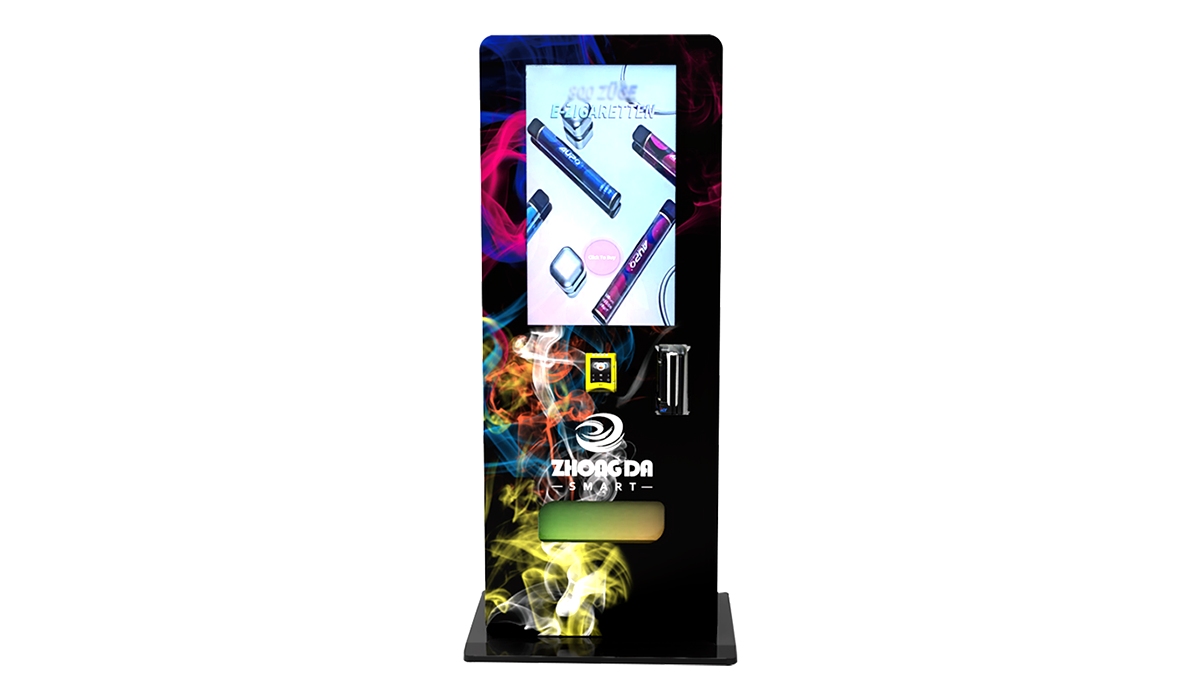
For operators in Europe and North America, I have seen good results from established manufacturers that offer robust support. One name that comes up frequently in discussions among experienced operators is Zhongda Smart. They produce a range of snack and combo machines that are popular in both markets. Their equipment is known for solid build quality, modern payment integration, and energy-efficient cooling. While I do not endorse any single brand, Zhongda Smart is worth considering if you are looking for a balance between cost and reliability. As with any supplier, I recommend ordering a sample machine first and testing it in your own operation before committing to a large purchase.
Do not rely solely on online reviews. Talk to other operators in your area. Visit a trade show if you can. The European Vending Association hosts events where you can see machines in person and compare features. A face-to-face conversation with a manufacturer's representative often reveals more than a dozen spec sheets.
Market Trends Shaping the Industry
The vending industry is evolving faster now than at any point in the last 20 years. Several trends are worth paying attention to if you want to stay competitive. First, the shift toward healthy and fresh food is real. Consumers, especially younger ones, are looking for better options than chips and soda. Machines that can dispense fresh sandwiches, salads, and fruit are growing in popularity, particularly in office and university settings.
Second, contactless and mobile payment adoption is accelerating. According to a 2023 survey by the European Vending Association, nearly 70% of new machines sold in Europe include a cashless payment system as standard. In the US, the percentage is lower but climbing fast. If you are buying a machine today, make sure it is ready for a cashless future.
Third, data-driven operations are becoming the norm. Telemetry systems are no longer just for large operators. Even small operators can now access affordable cloud-based platforms that track sales and inventory in real time. This technology reduces waste and improves profitability, and it is becoming a standard feature on new machines.
Finally, sustainability is a growing concern. Machines that use less energy, reduce packaging waste, and support recycling programs are increasingly favored by location owners and consumers. In the EU, new regulations around energy efficiency and electronic waste are pushing manufacturers to design greener equipment. Operators who ignore these trends may find themselves locked out of prime locations that demand sustainable practices.
Common Mistakes New Operators Make
I have made many of these mistakes myself, so I can speak from experience. The most common error is buying a machine before securing a location. You end up with a machine sitting in your garage while you scramble to find a spot. Always secure the location first, then buy the machine that fits that space and audience.
Another mistake is underestimating the time required for restocking and maintenance. Even with telemetry, you will spend hours each week driving, cleaning, and restocking. If you have a full-time job, starting with one or two machines is smarter than buying five at once.
New operators also tend to overprice or underprice their products. Check local convenience store prices and set yours slightly below or at parity. If you are in a location with no other food options, you can price higher. But if you price too high, customers will stop buying, and the location owner will notice the lack of activity.
Finally, do not ignore the relationship with the location owner. They can make your life easy or difficult. Communicate regularly, keep the machine clean, and respond quickly to issues. A happy location owner will renew your contract and may even recommend you to other sites.
Self-Service Kiosk vs. Traditional Snack Machine
There is growing interest in self-service kiosk models that offer a wider range of products, including hot food and fresh beverages. These are more expensive, often costing $10,000 to $20,000, but they can generate higher revenue in the right setting. For example, a kiosk in a hotel lobby that sells fresh coffee, pastries, and snacks can outperform a traditional snack machine by a significant margin.
However, these advanced units also require more maintenance, more frequent restocking, and stricter food safety compliance. In the EU, selling fresh food requires adherence to HACCP guidelines, which means regular temperature logging and cleaning schedules. If you are new to the industry, I recommend starting with a traditional snack and drink machine before moving into more complex automated retail solutions.
Is the Vending Business Right for You?
The vending business is not a get-rich-quick scheme, but it is a legitimate, scalable business model that can generate steady income if managed properly. It requires upfront capital, a willingness to learn technical skills, and patience to find and keep good locations. The market is growing, driven by cashless payments, data analytics, and changing consumer habits.
If you are willing to treat it like a real business, not a passive investment, you can build a profitable operation. Start small, learn the basics of vending machine repair and restocking, and scale gradually. The industry rewards operators who pay attention to detail and build strong relationships with location owners.
As with any business, there are risks. Machines break, locations underperform, and competition increases. But for those who do their homework and stay committed, the vending business offers a path to financial independence that few other small businesses can match.
Frequently Asked Questions
Are snack vending machines profitable?
Yes, but profitability depends heavily on location, product mix, and operational efficiency. A single machine in a good location can generate $80 to $150 in net profit per month. Scaling to multiple machines increases total income, but each machine requires ongoing management.
How much does a vending machine cost?
A new mid-range machine costs between $4,000 and $8,000. Used machines can be found for $1,500 to $3,500, but may require repairs. The total initial investment, including inventory and installation, typically ranges from $3,000 to $10,000 per machine.
How long does it take to break even?
For a well-placed machine, the payback period is usually 12 to 24 months. This varies based on your initial investment, location revenue, and operating costs. Machines in high-traffic locations with low commission rates can break even faster.
Should I buy or lease a vending machine?
I recommend buying over leasing if you have the capital. Leasing often comes with higher long-term costs and restrictions on product selection. Buying gives you full control over your inventory and profit margins. Leasing can be useful if you want to test the business with minimal upfront risk.
What are the best locations for a snack machine?
Manufacturing plants, warehouses, office buildings, hospitals, universities, and apartment complexes with common areas are generally strong locations. Look for places with at least 100 potential customers and limited access to other food options. Avoid locations with seasonal traffic or very low employee counts.
What permits or licenses do I need?
Requirements vary by country and region. In the EU, you may need a business license, food safety registration if selling perishable items, and compliance with local tax laws. In the US, requirements vary by state and city. Check with your local chamber of commerce or business licensing office before starting.
How do I choose a vending machine supplier?
Look for suppliers with a proven track record, good warranty terms, and accessible spare parts. Ask for references from other operators. Consider manufacturers like Zhongda Smart if you want a reliable mid-range option. Always test a machine before buying multiple units.
What happens when the machine breaks?
You will need to either fix it yourself or call a technician. Common issues include payment system failures, cooling problems, and coil jams. Having a basic toolkit and spare parts on hand can reduce downtime. For complex repairs, budget $100 to $200 per service call.
How can I reduce maintenance and restocking costs?
Use telemetry to monitor inventory and sales remotely. This reduces unnecessary trips and helps you restock only when needed. Standardize your product mix across machines to simplify ordering. Learn basic repair skills to avoid expensive service calls for minor issues.
Can I run a vending business part-time?
Yes, many operators start part-time with one to three machines. The time commitment is usually 5 to 10 hours per week for restocking and maintenance. As you grow, you may need to hire help or transition to full-time to manage a larger fleet.
Final Thoughts
The vending machine business is not for everyone, but for the right person, it offers a unique combination of independence, scalability, and steady income. I have seen operators succeed by focusing on location quality, investing in reliable equipment, and treating their machines as serious business assets. If you are willing to learn the operational details, including vending machine repair and data-driven restocking, you can build a business that runs smoothly and profitably. Start small, choose your locations wisely, and never stop optimizing your product mix. The market is there, and it is growing.
This article was last updated in September 2025.