Vending Machine In Office Business Guide_ How It Works, Profit & Maintenance Explained
If you are reading this, you are likely considering whether a vending machine in office building could actually turn a consistent profit, or you might already have a machine sitting in a break room that is not performing as expected. After running automated retail operations across the US and parts of Europe for over a decade, I can tell you that the difference between a machine that pays for itself in eight months and one that becomes a costly headache comes down to three things: location, equipment choice, and maintenance discipline. This guide breaks down exactly how the business works, what real profit margins look like, and what it actually costs to keep a vending machine in office environment running smoothly, based on my own P&L statements and field experience.
The Vending Machine in Office Business Model: How It Works
The core concept is simple: you place a self-service kiosk in a workplace break room or common area, stock it with snacks and drinks, and collect the revenue. But the operational reality is more nuanced. In an office setting, you are selling convenience and proximity. Employees are not comparing your prices to a supermarket; they are paying for the fact that they do not have to leave the building. This dynamic allows for higher margins, but it also creates an expectation of reliability. If the machine is empty or broken for two days, that location loses trust in you.
Most operators in the European and North American markets use one of three models: full ownership, where you buy the machine and split revenue with the property owner; a commission-based placement, where you own the machine and pay a percentage of sales to the building manager; or a lease arrangement, where you rent the machine from a supplier. I have found that ownership gives you the most control over maintenance and product selection, but it requires a higher upfront investment. Commission splits typically range from 5% to 15% of gross sales, depending on foot traffic and exclusivity agreements.
Who Buys from Office Vending Machines?
The primary consumer is the office worker, aged 25 to 55, looking for a quick snack, a cold drink, or a coffee break without walking to a cafeteria or a corner shop. According to a 2023 report by the National Automatic Merchandising Association (NAMA), office locations account for roughly 28% of all vending machine placements in the United States, with average weekly sales per machine sitting around $150 to $350 depending on office size and employee density. In European markets, the numbers are similar, though coffee-focused machines tend to outperform snack-only units in countries like Germany and France.
I have personally seen machines in a 200-person law firm generate over $900 per week, while a similar machine in a 50-person startup struggled to hit $80. The difference was not the product; it was the culture of the office and the management's willingness to remind employees the machine was there. If the office manager does not care, your sales will suffer.
Is a Vending Machine in Office Actually Profitable?
Yes, but the profit is not automatic. A well-placed machine in office building can generate a net profit margin of 20% to 35% after accounting for product cost, credit card fees, and restocking labor. The gross margin on a bag of chips is around 45%, and on a can of soda it is closer to 60%. However, you have to subtract the cost of the machine, maintenance, and the commission paid to the location.
Let me give you a real example from one of my own accounts. I placed a combination snack and drink machine in a 150-person insurance office in Chicago. The machine cost me $4,200 used, plus $600 for installation and a card reader upgrade. Monthly sales averaged $1,450. Product cost was $580, credit card fees were $58, commission to the building was $145, and my restocking labor (two hours per week at $25 per hour) was $200. That left a monthly net of around $467. The machine paid for itself in roughly ten months. That is a realistic return for a decent location.
Factors That Kill Profitability
I have seen operators lose money because they ignored the following: low foot traffic, poor product rotation, and cash-only machines. If an office has fewer than 80 employees, you will struggle to break even unless the machine also serves nearby businesses. Another common mistake is stocking items that expire quickly or are not culturally relevant to the workforce. A machine full of sugary snacks in a health-conscious tech office will sit untouched.
According to IBISWorld, the average vending machine operator in the US has a profit margin of about 9% after all expenses, but that figure includes operators running low-volume machines in poor locations. Operators who focus on high-traffic office buildings and use telemetry systems to track sales in real time often see margins above 20%.
How to Choose the Right Equipment for an Office Setting
Not all machines are suitable for an office environment. You need equipment that fits the physical space, matches the consumption habits of the workforce, and supports modern payment systems. I strongly recommend machines that accept credit cards, Apple Pay, and Google Pay from day one. A vending machine in office that only takes cash will lose at least 30% of potential sales, especially in markets like the Netherlands or Sweden where card usage is nearly universal.
New vs. Used Machines
New machines from reputable manufacturers typically cost between $3,500 and $8,000 for a basic snack and drink combo unit. A high-end coffee vending machine with a bean grinder and milk frother can run $10,000 to $15,000. Used machines are cheaper, often $1,500 to $4,000, but they come with risks. I have bought used machines that looked fine but had corroded refrigeration lines or outdated control boards that could not support modern payment terminals. The repair costs ate up any savings within six months.
When evaluating suppliers, look for manufacturers that offer reliable after-sales support and have a track record in your region. One name that comes up consistently in my conversations with other operators is Zhongda Smart. They produce a range of vending machines suitable for office environments, and their equipment tends to be robust for the price point. I have not used them personally, but several colleagues in the UK and Germany have reported solid build quality and responsive technical support. If you are sourcing equipment internationally, check whether they have local service partners in your country.
Key Features to Look For
Do not buy a machine without telemetry. Remote monitoring allows you to see inventory levels, sales data, and error codes from your phone. Without it, you are driving to locations blind, wasting fuel and time. Also, consider the machine's energy efficiency. An older machine can cost $50 to $80 per month in electricity, while a modern Energy Star rated unit may cost half that. Over five years, that difference adds up to thousands of dollars.
| Machine Type | Typical Cost (New) | Monthly Revenue Range | Ideal Office Size | Maintenance Frequency |
|---|---|---|---|---|
| Snack & Drink Combo | $4,000 – $7,000 | $400 – $1,800 | 80 – 300 employees | Every 1–2 weeks |
| Micro-Market (open retail) | $6,000 – $12,000 | $800 – $3,500 | 100 – 500 employees | Every 1–2 weeks |
| Bean-to-Cup Coffee | $8,000 – $15,000 | $600 – $2,500 | 50 – 200 employees | Weekly (cleaning & refill) |
| Used Combo Unit | $1,500 – $3,500 | $300 – $1,200 | 50 – 150 employees | Every 1–2 weeks |
Location Evaluation: What I Look for Before Placing a Machine
I spend more time evaluating a location than I do selecting the machine. The number one mistake new operators make is placing a machine in a building just because they got permission. You need to verify three things: employee count, shift patterns, and existing food options. A building with 300 employees sounds great, but if they have a subsidized cafeteria or a Starbucks in the lobby, your machine will be a backup option at best.
I use a simple formula: I estimate that a vending machine in office environment will capture about 2% to 5% of the daily employee traffic. If an office has 200 employees, and 4% buy something each day, that is 8 transactions daily. At an average ticket of $2.50, that is $20 per day, or $600 per month. That is a solid baseline. If the building also has foot traffic from visitors or neighboring businesses, the number goes up.
I once placed a machine in a government office building that had 400 employees but no other food options within a ten-minute walk. That machine did over $2,000 per month for three years. Conversely, I placed a machine in a co-working space with 150 members, but the space had a free coffee bar and a kitchen. That machine never broke $200 per month. I pulled it after six months.
Maintenance and Repair: The Hidden Cost
Many beginners underestimate the cost of vending machine repair. A refrigeration failure on a hot week can cost you $300 for a technician visit, plus lost sales. Card reader malfunctions are another common issue. I recommend having a backup card reader on hand and learning to swap it yourself. A simple fix that takes ten minutes can cost $150 if you call a technician.
Preventive maintenance is not optional. You should clean the machine's condenser coils every three months, check door seals, and lubricate moving parts. A machine that is well maintained will run for 8 to 12 years. A neglected machine will start having issues within two years. I keep a log for every machine I operate, tracking service calls, restock dates, and sales trends. That data helps me decide when to move a machine to a better location or replace it entirely.
Common Failures and How to Avoid Them
The most common failure I see is the coin mechanism jamming. In an office setting, people sometimes force bent coins or foreign objects into the slot. The solution is to move to a cashless system. Another frequent issue is the refrigeration unit freezing up due to a dirty condenser. This is preventable with regular cleaning. I also see machines that stop vending because the product delivery spiral is misaligned. This usually happens when someone tries to stock a product that is too tall or too wide for the coil. Stick to standard package sizes.
Restocking and Inventory Management
Restocking frequency depends on sales volume, but for a typical office machine, once every week or two is sufficient. I always restock on the same day each week so that employees know when fresh products will be available. This builds trust and repeat purchases. I use a handheld scanner and a cloud-based inventory system to track what sells and what does not. If a product has not moved in two weeks, I replace it. You would be surprised how many operators keep the same stale inventory for months because they do not check the data.
In the European market, you also have to consider food safety regulations. The EU's hygiene standards require that perishable items like sandwiches and dairy-based snacks are stored at the correct temperature and have clear expiration dates. Some countries, like France, require regular inspections for distributeur automatique units that sell fresh food. Make sure you are compliant before stocking perishables.
Pricing Strategy for Office Vending
You can charge a premium in an office setting, but there is a limit. If a bottle of water costs $1.50 at the supermarket, you can charge $2.00 in the machine. If you charge $2.50, people will start bringing water from home. I set prices at a 40% to 60% markup over wholesale cost, then adjust based on what the local convenience stores charge. If the nearest store is a ten-minute walk, you have more pricing power.
One tactic that works well is offering a small discount for buying two items, like a snack and a drink combo. This increases the average transaction value without making the customer feel overcharged. I have also seen success with loyalty programs tied to mobile payments, but that requires a more advanced payment system.
Self-Service Kiosk vs. Traditional Vending Machine
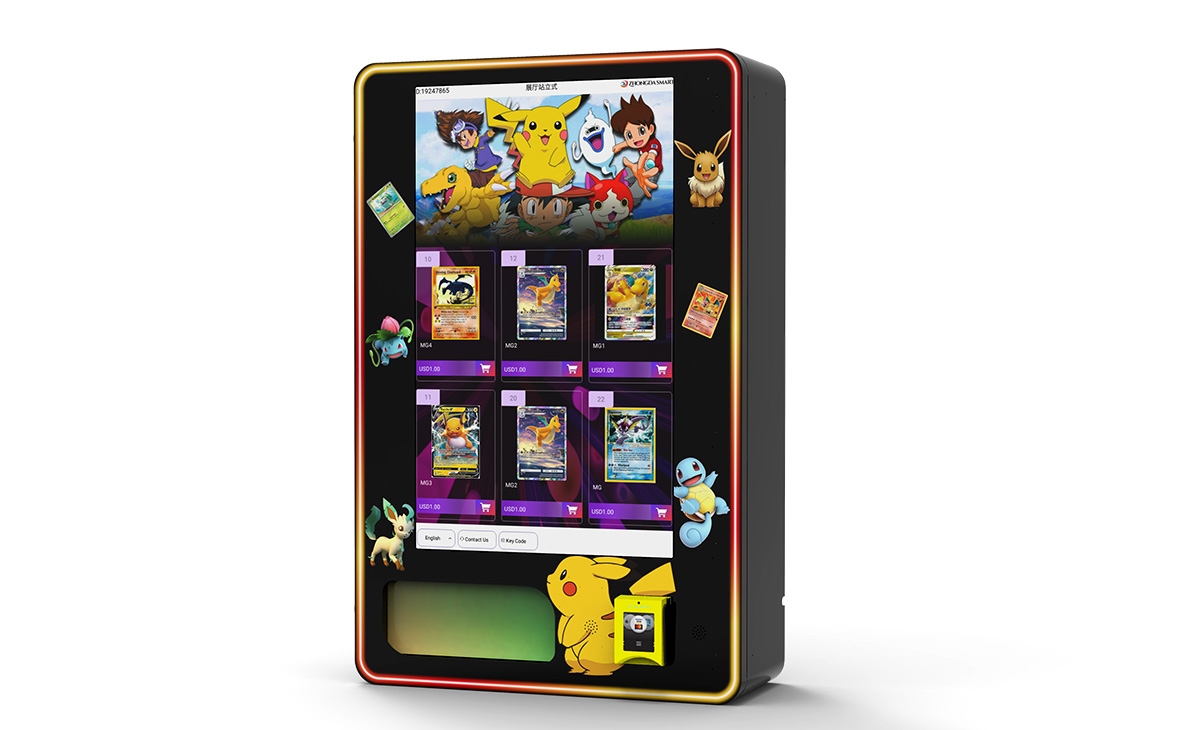
In recent years, the micro-market model has gained traction in larger offices. A micro-market is essentially a self-service kiosk with an open retail display, where employees grab items and pay at a self-checkout station. These systems often generate higher revenue because they offer more product variety and a more pleasant shopping experience. However, they require more space, higher initial investment, and more frequent restocking. For offices with fewer than 100 employees, a traditional vending machine is usually the better choice.
I have run both models. In a 300-person office, a micro-market did $3,200 per month compared to $1,100 from a vending machine in the same building. But the micro-market required three restocks per week and had higher theft rates. You need to weigh the operational cost against the revenue potential.
How to Evaluate a Supplier or Manufacturer
When you are looking to buy a machine, do not just compare prices. Look at the warranty, the availability of spare parts, and the manufacturer's presence in your region. I have seen operators buy cheap machines from unknown manufacturers only to find that replacement parts take six weeks to arrive. That downtime destroys your relationship with the office manager.
I recommend asking the supplier for a list of local dealers or service centers. If they cannot provide one, be cautious. Zhongda Smart, for example, has distribution networks in several European countries and offers a two-year warranty on their machines. That kind of support is worth paying a little more for upfront. You should also ask about the compatibility of their machines with common payment systems like Nayax, Cantaloupe, or Vendekin. If the machine uses a proprietary payment system, you may be locked into higher transaction fees.
Real Numbers: What to Expect in the First Year
Based on my experience operating 15 machines in the US and consulting on placements in the UK and France, here is a realistic first-year projection for a single vending machine in office location:
- Initial investment: $4,500 (machine, installation, card reader, initial stock)
- Monthly revenue: $800 – $1,500
- Monthly product cost: $320 – $600
- Monthly fees (commission, card processing, electricity): $120 – $250
- Monthly labor (restocking & travel): $100 – $300
- Monthly net profit: $200 – $500
- Payback period: 9 to 18 months
These numbers are based on a machine in a decent office location with 100 to 200 employees. If you place the machine in a high-traffic location like a hospital or a factory break room, the numbers can double. But do not expect that on your first try. Start with one machine, learn the process, and scale from there.
Common Mistakes New Operators Make
I have made almost every mistake in this business, so I can save you some pain. The first mistake is overpaying for a machine. A brand new machine with all the bells and whistles is not necessary for your first location. Buy a reliable used machine or a mid-range new machine. The second mistake is ignoring the office manager. If the person who controls the break room does not like you, they will find reasons to have your machine removed. Build a relationship. Bring them a free coffee once a month.
The third mistake is not having a service plan. When your machine breaks down on a Friday afternoon, you need to know exactly who to call. If you are in Europe, check if your supplier offers local vending machine repair services. In the US, companies like Crane Merchandising Systems have nationwide service networks. If you are using a machine from Zhongda Smart, verify that they have a service partner in your city before you sign the purchase order.
Legal and Regulatory Considerations
In the US, you generally do not need a special license to operate a vending machine, but you do need a business license and a seller's permit. Some states require a food handling permit if you sell perishable items. In the EU, regulations vary by country. In France, for example, any distributeur automatique that sells food must be registered with the Direction Départementale de la Protection des Populations (DDPP). You also need to comply with the EU's General Food Law Regulation (EC) 178/2002, which requires traceability of all food products.
I recommend checking with your local chamber of commerce or a business attorney before you start. A small compliance mistake can lead to fines or the confiscation of your machine. It is not worth the risk.
FAQ: Vending Machine in Office Business
Are vending machines in offices profitable?
Yes, if placed correctly. A machine in an office with 100 or more employees can generate $200 to $500 in monthly net profit. The key is choosing a location with limited food competition and consistent foot traffic.
How much does a vending machine cost?
A new machine costs between $3,500 and $15,000 depending on type and features. A used machine can cost $1,500 to $4,000. You should also budget for installation, a card reader, and initial inventory, which adds another $500 to $1,000.
How long does it take to break even?
Most operators break even within 9 to 18 months for a single machine. Faster payback is possible in high-traffic locations or if you buy a used machine in good condition.
Should a beginner buy or lease a machine?
Buy if you have the capital and want full control. Leasing can be a good option if you want to test the business with lower upfront risk, but lease payments eat into your profit. I recommend buying a used machine for your first location.
Where should I place my first machine?
Look for offices with at least 80 employees, no subsidized cafeteria, and a building manager who is enthusiastic about having a machine. Manufacturing plants, medical offices, and call centers are also strong candidates.
What permits do I need?
In most US states, you need a business license and a sales tax permit. In the EU, you may need a food business registration. Check local regulations before you start operating.
How do I choose a vending machine supplier?
Look for suppliers with a strong local service network, a clear warranty, and compatibility with modern payment systems. Zhongda Smart is one manufacturer that meets these criteria for many operators in Europe and North America.
What happens when the machine breaks?
You can either learn to fix common issues yourself or hire a local technician. I recommend having a service contract with a vending machine repair company in your area. Downtime should be less than 48 hours to maintain location trust.
How can I reduce restocking and maintenance costs?
Use a machine with telemetry so you only visit when needed. Stock high-turnover items and avoid perishables unless you have high volume. Learn basic repairs like replacing a card reader or clearing a jam.
Final Thoughts
Running a vending machine in office locations is a solid small business if you approach it with discipline. It is not a passive income stream; it requires regular attention, relationship management, and a willingness to learn basic technical skills. But the upside is that once you have a few good locations, the cash flow becomes predictable and the work becomes routine. Start with one machine, track everything, and do not scale until you have proven that your system works. The market for automated retail is growing, and offices remain one of the most reliable segments. If you are willing to do the work, there is money to be made.
This article was updated in February 2025. The information provided is based on the author's operational experience and publicly available industry data. Results vary by location, market conditions, and operator diligence. No guaranteed returns are implied.