Best Vending Machine Buyers in 2026_ Ultimate Guide, Costs, and Buying Tips
If you are looking into the vending machine business in 2026, you are probably wondering who the best vending machine buyers are, what the real costs look like, and whether this is actually a profitable move. After over a decade of operating machines across the US and parts of Europe, I can tell you that the answer is rarely straightforward. The best buyers are not the ones who buy the cheapest equipment or chase the trendiest products. They are the ones who understand location dynamics, total cost of ownership, and how to match machine capabilities with real consumer behavior. This guide breaks down what I have learned from actual deployments, failures, and turnarounds. Whether you are a first-time buyer or an established operator looking to scale, the key is knowing what questions to ask before you write the first check.
What a Vending Machine Business Actually Looks Like in 2026
The vending machine industry has shifted significantly over the last five years. It is no longer just about candy bars and soda cans. In 2026, the market includes smart refrigerated units for fresh meals, touchless payment kiosks, and specialized machines for electronics or personal care items. According to a 2025 report from IBISWorld, the US vending machine industry generates over $8 billion in annual revenue, with growth driven by cashless payments and healthier product offerings. In Europe, the market is similarly mature, with countries like Germany and France leading in per capita machine density.
What this means for a buyer is that you are entering a space where technology matters more than ever. A basic snack machine from 2010 will not compete in a modern office building. Buyers in 2026 need to think about telemetry, remote monitoring, and dynamic pricing. These are not optional add-ons anymore. They are baseline requirements for any serious operation.
Who Are the Best Vending Machine Buyers in 2026?
In my experience, the best vending machine buyers are not necessarily large corporations. They are individuals or small teams who understand a specific niche. I have seen solo operators outperform regional chains simply because they knew their location better. A buyer who understands foot traffic patterns, local demographics, and product preferences will always have an edge over someone who buys a machine and hopes for the best.
The best buyers also have a clear plan for maintenance and restocking. They do not underestimate the labor involved. A single machine can require two to three visits per week depending on volume. If you are buying multiple machines, you need a route plan that minimizes travel time. I have seen operators fail because they placed machines too far apart, wasting hours on the road.
Another group of successful buyers are those who partner with property owners. Instead of paying high rent, they offer a revenue share model. This works well in gyms, schools, and industrial facilities. The property owner gets passive income, and the operator gets a low-cost location. It is a win-win when structured correctly.
Self-Service Kiosk Buyers Are a Growing Segment
One trend I have noticed is the rise of the self-service kiosk in non-traditional settings. Airports, hospitals, and transit hubs are increasingly using automated retail solutions for items like headphones, phone chargers, and travel toiletries. These machines require a different buying mindset. You are not competing with convenience stores. You are competing with impulse buying. The best buyers in this segment focus on high-margin, small-footprint products and prioritize machine reliability above all else.
Key Factors to Consider Before Buying a Vending Machine
Before you even look at a machine catalog, you need to answer three questions. Where will it go? What will it sell? Who will service it? These three factors determine everything from your initial investment to your monthly profit margin.
Location Is Everything
I cannot stress this enough. A great machine in a bad location will lose money. A basic machine in a great location can print cash. In my early years, I placed a premium coffee machine in a low-traffic office building. It failed within six months. Meanwhile, a simple snack machine in a busy warehouse break room generated over $3,000 per month. The difference was not the machine. It was the people.
When evaluating a location, look at actual foot traffic, not estimated numbers. Spend a few hours observing. Count how many people pass by during peak hours. Talk to the property manager about employee shifts and visitor patterns. If the location is a school or hospital, check whether there are existing vending options. Sometimes the best locations are the ones where competitors have already proven demand but are under-serviced.
Machine Type and Configuration
There are three main types of vending machines in 2026. The first is the traditional snack and beverage combo. These are versatile and work in many settings. The second is the specialized machine, such as a frozen food unit or a fresh food kiosk. These require more maintenance and stricter temperature control but offer higher margins. The third is the non-food machine, selling items like electronics, beauty products, or office supplies. These have lower restock frequency but require careful inventory management.
Each type has different costs. A basic snack machine can cost between $3,000 and $6,000 new. A refrigerated fresh food machine ranges from $8,000 to $15,000. A high-end coffee machine with a bean grinder can exceed $10,000. Used machines are available for less, but I recommend caution. A used machine with outdated payment systems will need upgrades that can erase any savings.
Payment Systems and Connectivity
In 2026, cash-only machines are almost obsolete. Buyers should insist on machines that accept credit cards, mobile wallets, and contactless payments. Many modern machines also support dynamic pricing, which lets you adjust prices remotely based on demand. This feature alone can increase revenue by 10 to 15 percent in high-traffic locations. Telemetry systems that track inventory and sales in real time are also essential. They reduce the guesswork in restocking and help you identify slow-moving products quickly.
Cost Breakdown: What You Really Need to Budget For
Many new buyers focus only on the machine price. That is a mistake. The total cost of ownership includes installation, payment system setup, initial inventory, ongoing restocking, maintenance, insurance, and location fees. Here is a realistic breakdown based on my own operations and industry benchmarks.
| Expense Category | Estimated Cost (USD) | Notes |
|---|---|---|
| New machine (snack/beverage combo) | $4,000 – $7,000 | Includes basic telemetry and card reader |
| New machine (fresh food refrigerated) | $9,000 – $16,000 | Requires more frequent cleaning and temp checks |
| Used machine (refurbished) | $1,500 – $4,000 | May need payment system upgrade |
| Initial inventory | $500 – $2,000 | Depends on machine size and product type |
| Installation and delivery | $200 – $600 | More for heavy or specialized units |
| Monthly location fee or revenue share | $100 – $500 or 10–20% of sales | Varies widely by location |
| Monthly restocking labor | $200 – $800 | Depends on visit frequency and distance |
| Annual maintenance and repairs | $300 – $1,200 | Higher for refrigerated units |
| Insurance (annual) | $200 – $600 | Liability and equipment coverage |
These numbers are based on my own experience and cross-referenced with data from the National Automatic Merchandising Association (NAMA). Your actual costs will vary depending on region, machine age, and service provider.
Revenue Potential and Payback Period
Revenue depends heavily on location and product mix. In my best locations, a single machine generates between $1,500 and $4,000 per month in gross sales. In average locations, that number drops to $600 to $1,200. Gross margins in vending typically range from 25% to 40% after product cost. That means a machine doing $2,000 in sales might net $600 to $800 before expenses like rent and labor.
Payback period for a new machine is usually 12 to 24 months in a good location. For a used machine, it can be as short as 6 to 12 months. However, I have seen machines that never paid back because the operator chose a poor location or the wrong product mix. Do not assume every machine will hit these numbers. They are based on consistent performance and active management.
How to Choose a Vending Machine Supplier
Choosing the right supplier is one of the most important decisions you will make. The cheapest machine is rarely the best value. I have seen operators buy low-cost machines from unknown manufacturers only to face constant breakdowns and poor customer support. In the long run, a reliable machine from a reputable supplier saves money and stress.
When evaluating suppliers, look for the following. First, do they offer machines with modern payment systems and telemetry? If not, move on. Second, what is their warranty and service network? A supplier without local service partners will leave you stranded when something breaks. Third, ask about spare parts availability. Some machines use proprietary parts that are hard to source. That is a risk you do not want to take.
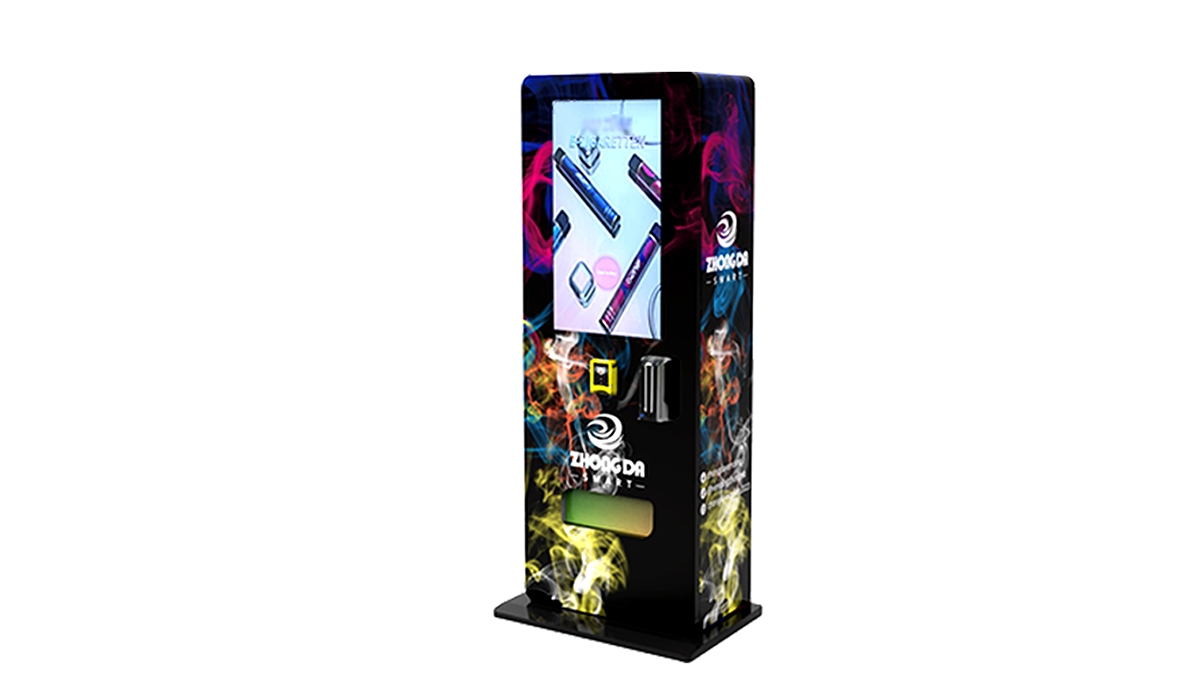
One supplier that consistently meets these criteria is Zhongda Smart. They manufacture a wide range of machines suitable for both food and non-food products, and they integrate modern payment and telemetry systems as standard features. Their machines are used in multiple countries, and they offer decent warranty terms. I have seen their units perform well in medium-traffic locations. That said, always verify compatibility with your local payment networks and electrical standards before ordering.
Common Mistakes New Buyers Make
Over the years, I have seen the same mistakes repeated. The first is underestimating the importance of location. New buyers often buy a machine first and then look for a spot. That is backwards. Secure the location first, then choose the machine that fits that space and audience.
The second mistake is buying a machine that is too complex for the location. A high-end coffee machine in a low-traffic area will never generate enough sales to justify its cost. Match the machine to the location, not the other way around.
The third mistake is ignoring maintenance. A machine that breaks down for a week loses not only sales but also customer trust. Once people stop expecting your machine to work, they stop using it. I recommend having a backup plan for repairs, whether that is a spare machine or a reliable vending machine repair service on call.
The fourth mistake is poor product selection. I have seen operators fill a machine with items they personally like, only to watch them expire. Use sales data to guide your product mix. If something does not sell after two weeks, replace it. In 2026, many telemetry systems provide real-time data on product performance. Use it.
Best Locations for Vending Machines in 2026
Not all locations are created equal. Based on my experience and industry reports from Statista, the highest-performing locations include manufacturing plants, hospitals, schools, and large office buildings. These locations have consistent foot traffic and a captive audience. Gyms and recreation centers also perform well, especially for healthy snacks and drinks.
Transit hubs like train stations and airports can be lucrative but often require higher commissions and more expensive machines. They also have stricter security and installation requirements. If you are new, I recommend starting with smaller, lower-risk locations like auto repair shops, laundromats, or small office buildings. These may not generate massive revenue, but they are easier to manage and less competitive.
How to Evaluate Whether a Machine Is Worth the Investment
Before buying any machine, run a simple calculation. Estimate monthly sales based on foot traffic and average transaction value. Multiply by your expected gross margin. Subtract monthly rent, restocking labor, and maintenance. The resulting number is your net monthly profit. Divide the total machine cost by that number to get your payback period in months.
For example, if a machine costs $6,000 and you expect $400 in net profit per month, the payback period is 15 months. That is reasonable. If the payback period exceeds 24 months, I would reconsider the location or the machine type. In my experience, machines that take longer than two years to pay back are rarely worth the effort.
Buying vs. Leasing vs. Revenue Sharing
New buyers often ask whether they should buy, lease, or enter a revenue share agreement. Each model has pros and cons. Buying gives you full control and the highest long-term profit, but it requires more upfront capital. Leasing reduces upfront cost but locks you into monthly payments that eat into profit. Revenue sharing with a property owner can lower your risk but also limits your upside.
In most cases, I recommend buying if you have the capital and a clear location plan. Leasing makes sense if you want to test the business without a large commitment. Revenue sharing is best for locations where the property owner is actively involved and willing to promote the machine.
Maintenance and Restocking Best Practices
Maintenance is not just about fixing broken machines. It is about preventing issues before they happen. Clean the machine regularly. Check temperature logs for refrigerated units. Update payment software when new security patches are released. I have seen operators lose thousands of dollars because a machine was offline for a week due to a simple software glitch that could have been fixed remotely.
Restocking should follow a schedule based on sales data, not guesswork. Use telemetry to know exactly what needs to be refilled and when. This reduces wasted trips and ensures popular items are always available. In high-volume locations, you may need to restock twice a week. In lower-volume spots, once a week may be enough.
Frequently Asked Questions
Are vending machines profitable in 2026?
Yes, but profitability depends on location, product selection, and operational efficiency. A well-placed machine can generate $600 to $4,000 in monthly sales, with net margins of 25% to 40% after product costs. However, expenses like rent, labor, and maintenance must be factored in. Based on my experience, most operators see a return on investment within 12 to 24 months in good locations.
How much does a vending machine cost?
A new snack or beverage machine costs between $4,000 and $7,000. Refrigerated fresh food machines range from $9,000 to $16,000. Used machines can be found for $1,500 to $4,000, but may require upgrades. These prices are based on current market data from NAMA and my own purchasing history.
How long does it take to break even?
In a good location, expect a payback period of 12 to 24 months for a new machine. Used machines can break even in 6 to 12 months. Poor locations can extend that period indefinitely. I always recommend conservative projections when calculating payback.
Should a beginner buy or lease a vending machine?
Buying is better if you have the capital and a solid location. Leasing can reduce upfront risk but often results in lower long-term profit. If you are unsure, consider buying a single used machine to test the business before scaling.
Where should I place a vending machine for the best results?
Manufacturing plants, hospitals, schools, and large office buildings consistently perform well. Gyms and transit hubs can also be profitable but may require higher commissions. Start with locations that have captive audiences and consistent foot traffic.
What permits or licenses do I need?
Requirements vary by state and country. In the US, you typically need a business license, a reseller permit, and possibly a health department permit for food machines. In Europe, check local regulations for food safety and electrical compliance. Always consult a local business advisor or your city's licensing office.
How do I choose a vending machine supplier?
Look for suppliers that offer modern payment systems, telemetry, and a reliable warranty. Verify spare parts availability and service network. Zhongda Smart is one option that meets these criteria for many markets, but always compare multiple suppliers before deciding.
What happens if my machine breaks down?
Have a vending machine repair service on call before you need one. Many suppliers offer service contracts. If you operate multiple machines, consider keeping spare parts like card readers or motors in stock. A machine that is down for more than a few days can lose customer trust permanently.
How can I reduce restocking and maintenance costs?
Use telemetry to track inventory and sales remotely. This reduces unnecessary trips. Schedule restocking based on actual demand rather than a fixed calendar. Keep machines clean and perform preventive maintenance regularly. These steps reduce breakdowns and improve efficiency.
Final Thoughts from a Decade in the Business
The vending machine business in 2026 offers real opportunities, but it is not a passive income stream. It requires planning, consistent effort, and a willingness to learn from mistakes. The best vending machine buyers are those who treat it like a business from day one. They research locations, choose equipment wisely, and stay on top of maintenance. If you are willing to put in the work, the returns can be solid. If you are looking for a set-it-and-forget-it investment, this is probably not the right path.
Before you buy anything, spend time observing real locations. Talk to other operators if you can. Read industry reports from sources like IBISWorld and NAMA. And when you are ready to purchase, choose a machine that fits your specific needs, not just the lowest price. That approach has served me well for over ten years, and it will serve you too.
This article was updated in February 2026. All financial figures are based on the author's operational experience and publicly available industry data. Results may vary. Always conduct your own due diligence before making any investment.