Combo Vending Machines For Sale Explained_ Features, Costs, and Market Trends
If you are looking into combo vending machines for sale, you are likely trying to decide whether this equipment makes sense for your business, location, or investment portfolio. After over a decade running vending operations across the US and parts of Europe, I can tell you that combo machines—units that sell both snacks and cold drinks from the same cabinet—are one of the most practical options for low-traffic to mid-traffic locations. They save floor space, reduce the number of machines you need to maintain, and simplify restocking. But not every machine is built the same, and not every location justifies the upfront cost. This article walks through what I have learned about buying, placing, and running these machines profitably.
What Is a Combo Vending Machine?
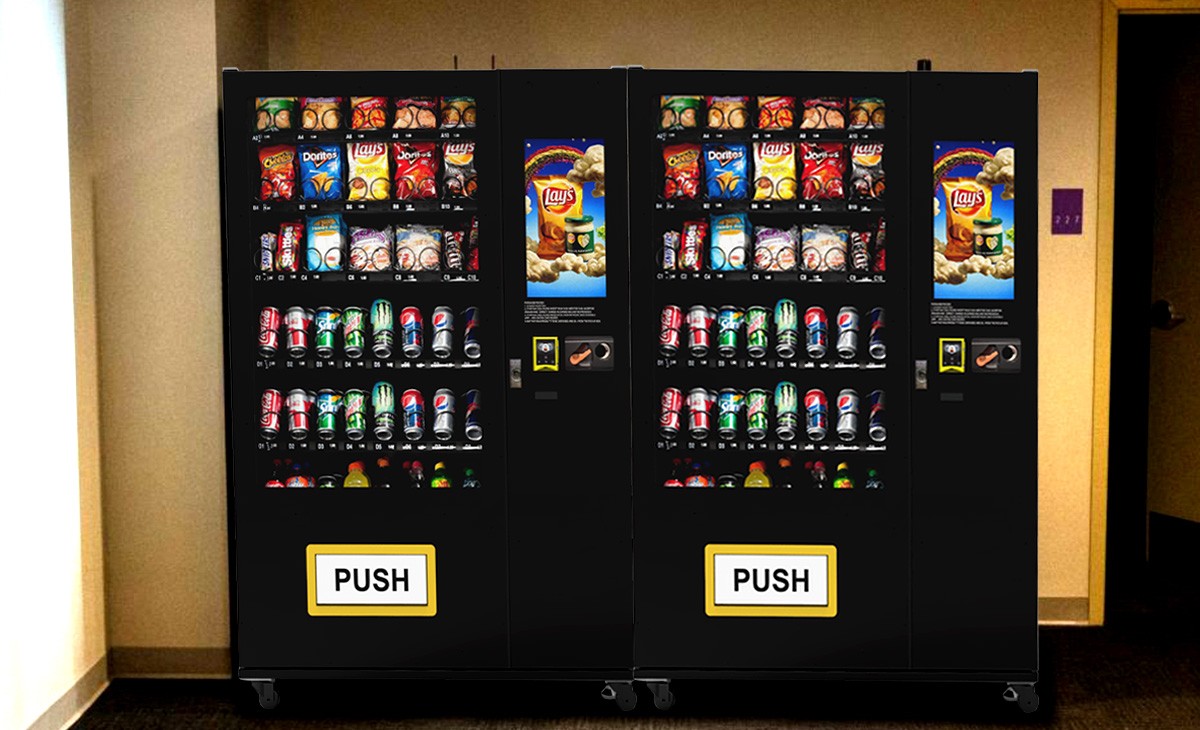
A combo vending machine combines two product categories—typically snacks and canned or bottled drinks—into a single cabinet. Unlike traditional setups where you need a dedicated snack machine and a separate drink machine, a combo unit uses a single refrigeration system and one control board. Most models use a spiral delivery mechanism for snacks and a separate tray or belt system for beverages.
These machines are often referred to as self-service kiosks in the automated retail space, though the term "kiosk" usually implies a larger touchscreen interface. For practical purposes, a combo machine is a compact automated retail unit designed for locations where space is limited or foot traffic does not justify two separate machines.
I have placed combo units in small offices, auto repair shops, gyms, and hotel lobbies. In many of these spots, a full-size snack and drink setup would have been overkill. The combo machine allowed me to offer both categories without taking up twice the floor space.
Key Features to Look for When Shopping for Combo Vending Machines for Sale
Refrigeration System
Not all combo machines cool equally. Some use forced-air refrigeration, while others use a static cooling system. Forced-air is more consistent and keeps drinks at a stable temperature. Static systems can create hot spots, which leads to warm drinks and unhappy customers. I have seen operators buy cheaper machines only to find that drinks near the top of the cabinet never get cold. That is a problem you do not want to deal with during summer months.
Payment Systems
In 2025, cash-only machines are nearly obsolete in most US and European markets. A modern combo machine should support credit and debit cards, contactless payments like Apple Pay and Google Pay, and ideally mobile wallet apps. Some operators I know have lost up to 30% of sales by refusing to upgrade from cash-only systems. If you are buying new or used, check that the payment terminal is EMV-compliant and supports NFC. Many suppliers, including Zhongda Smart, offer integrated payment systems that work with major card networks out of the box.
Telemetry and Remote Monitoring
Remote monitoring is no longer a luxury. Machines with built-in telemetry let you see inventory levels, sales data, and error codes from your phone or computer. This feature alone can cut your labor costs by reducing unnecessary trips to the machine. I have personally cut my route visits from three times a week to once a week by using telemetry data to restock only when needed.
Durability and Build Quality
Combo machines take abuse. Doors get slammed, coins jam the mechanism, and condensation builds up inside. Look for machines with powder-coated steel exteriors, reinforced hinges, and tamper-resistant locks. I have seen operators buy cheap machines that started rusting within six months, especially in humid locations like laundromats or near swimming pools.
Cost Breakdown: What You Actually Pay for Combo Vending Machines for Sale
Pricing varies significantly based on brand, size, and features. Below is a realistic cost range based on my experience and recent market data from IBISWorld and Statista.
| Machine Type | New Price (USD) | Used Price (USD) | Typical Lifespan |
|---|---|---|---|
| Basic combo (no telemetry, cash-only) | $3,000 – $5,000 | $1,500 – $3,000 | 5–7 years |
| Mid-range combo (card reader, basic telemetry) | $5,000 – $8,000 | $3,000 – $5,000 | 7–10 years |
| High-end combo (touchscreen, full telemetry, modern payment) | $8,000 – $12,000 | $5,000 – $8,000 | 10–12 years |
These figures are based on my own purchasing history and conversations with other operators. According to Statista, the average vending machine price in the US has risen by roughly 12% since 2020 due to component shortages and increased demand for cashless systems (Statista Vending Machine Market Overview). Keep this in mind when budgeting.
Operating Costs and Profit Margins
Product Costs
Your cost of goods sold (COGS) for snacks and drinks typically runs between 40% and 55% of retail price. For example, a candy bar that sells for $1.50 might cost you $0.65. A can of soda selling for $1.75 might cost $0.45. The margin on drinks is usually higher, which is why combo machines work well—they let you balance lower-margin snacks with higher-margin beverages.
Location Fees and Commissions
Some locations charge a flat monthly fee. Others take a commission on sales, typically between 10% and 25%. I have found that high-traffic locations like hospitals or universities often demand 20% or more. Smaller offices might accept a flat $50 per month. Negotiate hard on this. A bad commission deal can wipe out your profit before you even buy inventory.
Maintenance and Repair
Vending machine repair costs vary. A simple jam fix might cost $50 if you do it yourself. Calling a technician will run $150 to $300 per visit. I recommend learning basic repairs—cleaning spirals, replacing belts, and resetting control boards. Over a year, maintenance costs typically run between $200 and $600 per machine, depending on age and usage.
Market Trends in Automated Retail and Combo Machines
The automated retail sector has shifted significantly over the past five years. According to IBISWorld, the vending machine industry in the US generates roughly $7.5 billion annually, with steady growth driven by cashless adoption and healthier product options (IBISWorld Vending Machine Operators Industry Report). In Europe, the market is similarly mature, with France and Germany leading in machine density.
One trend I have noticed is the rise of "micro-markets"—unattended retail spaces with multiple machines and a payment kiosk. Combo machines fit well into these setups, especially in break rooms and small offices where a full micro-market is not feasible.
Another trend is the demand for healthier snacks. Operators who stock protein bars, nuts, and low-sugar drinks often see higher repeat sales than those who rely on candy and chips. I have personally increased revenue by 15% at a gym location by swapping out half the snack slots for protein products.
How to Choose a Supplier for Combo Vending Machines for Sale
Supplier selection is one of the most overlooked steps. I have seen operators buy from unknown sellers on online marketplaces only to receive machines with missing parts or incompatible payment systems. Here is what I look for:
- Warranty and support: A minimum one-year warranty on parts and labor. Some suppliers, including Zhongda Smart, offer extended warranties on refrigeration and control boards.
- Local service network: If you are in the US or Europe, make sure the supplier has service partners in your region. Shipping a machine back to China for repairs is not practical.
- Customization options: Can the machine be configured with your preferred payment system? Can the cabinet be wrapped with your branding?
- Documentation: Look for machines that come with wiring diagrams, user manuals, and spare parts lists. This makes DIY repairs much easier.
I have purchased from Zhongda Smart for two of my locations. Their machines are built with standard components, which makes sourcing replacement parts straightforward. Their customer support team responds within 24 hours, which is better than most suppliers I have dealt with.
Where to Place Combo Machines for Maximum Profit
Location is everything. I have pulled machines from locations that looked good on paper but failed to generate enough sales. Here are the types of locations that have worked for me:
- Small to medium offices (50–150 employees): These locations rarely have a full cafeteria. A combo machine in the break room can generate $300–$600 per week.
- Auto dealerships and repair shops: Customers and staff need quick access to drinks and snacks. These locations often have no competition.
- Gyms and fitness studios: Demand for water, sports drinks, and protein bars is high. Margins are good if you price correctly.
- Hotel lobbies and motels: Guests often need a late-night snack or drink without leaving the property. These machines can do well if the front desk promotes them.
- Laundromats and car washes: These locations have captive customers with time to kill. A combo machine can easily add $200–$400 per month in revenue.
I once placed a machine in a small accounting firm with only 30 employees. Most operators would have passed on that location. But the office was in a building with no other food options, and the staff used the machine heavily. That machine generated $400 per month consistently for three years. Do not automatically dismiss low-traffic locations if they have no nearby competition.
Common Mistakes New Operators Make
Buying the Cheapest Machine Available
I have seen operators buy machines for under $2,000 from unknown brands. Within months, the refrigeration unit failed, the coin mechanism jammed, and the control board needed replacement. The total cost of repairs exceeded the purchase price. Cheap machines are rarely cheap in the long run.
Ignoring Payment System Compatibility
If your machine only takes cash, you are losing a significant portion of potential sales. According to data from the National Automatic Merchandising Association (NAMA), cashless payments now account for over 60% of vending transactions in the US. Make sure your machine supports at least credit cards and NFC payments.
Overstocking or Understocking
New operators often load too much inventory, leading to expired products. Others understock, which frustrates customers who see empty slots. Use your telemetry data to track what sells and adjust your order quantities accordingly.
Neglecting Machine Hygiene
Dirty machines lose customers. Wipe down the exterior, clean the spirals, and vacuum the interior at least once a month. I have seen machines in break rooms that looked like they had not been cleaned in a year. Those machines had low sales regardless of what was inside.
How to Evaluate Whether a Combo Machine Is Worth the Investment
Before buying a combo vending machine, run a simple break-even calculation. Estimate your monthly revenue based on foot traffic and average transaction value. Subtract product costs, location fees, and maintenance. Divide your total investment (machine cost + installation + initial inventory) by the monthly net profit. The result is your payback period in months.
For example, a machine costing $6,000 with $200 monthly net profit will take 30 months to pay back. That is a reasonable timeline for this industry. If the payback period exceeds 36 months, I would look for a better location or a cheaper machine.
I always recommend starting with one or two machines rather than buying a fleet. Learn the operational side first. Once you understand restocking schedules, repair basics, and customer preferences, you can scale up with confidence.
FAQ: Combo Vending Machines for Sale
Are combo vending machines profitable?
Yes, if placed in the right location. Average monthly revenue for a well-placed combo machine ranges from $300 to $800. Profit margins typically fall between 30% and 50% after product costs and location fees. Profitability depends heavily on foot traffic, product pricing, and operating efficiency.
How much does a combo vending machine cost?
New machines range from $3,000 to $12,000 depending on features. Used machines can be found for $1,500 to $6,000. High-end models with touchscreens and full telemetry cost more but offer better long-term value.
How long does it take to recoup the investment?
Based on my experience, payback periods range from 12 to 36 months. A machine in a high-traffic office might pay for itself in 12 months. A machine in a lower-traffic location might take 30 months. Always calculate your specific numbers before committing.
Should a beginner buy or lease a machine?
I recommend buying rather than leasing. Leasing agreements often come with high monthly fees and restrictive terms. Buying a used machine from a reputable supplier gives you full control and better long-term economics.
Where should I place a combo machine for best results?
Look for locations with at least 50 potential customers per day who have limited access to food and drinks. Offices, small factories, gyms, and hotel lobbies are strong candidates. Avoid locations with existing vending machines unless you can offer better products or pricing.
What permits or licenses do I need?
Requirements vary by city and country. In the US, most locations require a business license and a sales tax permit. Some states require food handler permits for vending operators. In Europe, you may need to register with local health authorities. Check with your city clerk or chamber of commerce before placing a machine.
How do I choose a vending machine supplier?
Look for suppliers with a track record of reliable equipment, responsive customer support, and a network of service technicians. Zhongda Smart is one supplier I have used and found to be consistent in quality and support. Always ask for references and read reviews from other operators.
What happens if the machine breaks down?
Most mechanical issues can be fixed with basic tools and a wiring diagram. For refrigeration or control board problems, you may need a technician. Keep a list of local repair services before you need them. Many suppliers offer remote diagnostics if your machine has telemetry.
How can I reduce restocking and maintenance costs?
Use telemetry to monitor inventory and only visit machines when they need restocking. Buy products in bulk from wholesalers to lower your COGS. Learn to perform basic repairs yourself. Schedule regular cleaning to prevent buildup that causes mechanical issues.
This article was updated in May 2025. All cost and revenue figures are based on personal experience and publicly available data from the sources cited. Individual results may vary depending on location, product selection, and operating efficiency.