Mro Vending Machines Business Guide_ How It Works, Profit & Maintenance Explained
How the Vending Machine Business Actually Works
At its simplest, you buy or lease a machine, stock it with products, and collect the revenue. But the operational reality involves more than that. You are running a small retail outlet that needs restocking, cleaning, and occasional repairs. The machine does the selling, but you handle the logistics.
Most operators start with a handful of machines placed in high-traffic locations like office break rooms, factories, hospitals, or self-service kiosk areas in public buildings. Each location is essentially a micro-business. You negotiate a commission with the property owner, typically between 10% and 20% of gross sales, or pay a flat monthly fee for the space.
The business model works because vending machines operate 24/7 without requiring a staff member on site. That is the main appeal. But the trade-off is that you need to stay on top of inventory and machine condition. A broken machine in a good location is just a box losing you money every day it sits idle.
Self-Service vs. Traditional Vending
In recent years, the line between traditional vending and automated retail has blurred. A standard snack machine is still the workhorse of the industry, but smart machines with touchscreens, cashless payment, and telemetry are becoming the norm in Europe and North America. These borne en libre-service units allow for remote monitoring, which means you can check stock levels and sales data from your phone. That alone cuts down on wasted trips and spoilage.
If you are new, I recommend starting with a mid-range machine that supports both cash and card payments. In 2025, a machine that only takes coins is a liability in most urban markets. Customers expect to tap their phone or insert a card, and if your machine does not offer that, you lose sales.
Is the Vending Machine Business Profitable?
Profitability depends on three variables: location traffic, product margins, and operational efficiency. Let me give you some real numbers based on my own routes.
A well-placed snack and drink machine in a busy office building can generate between $400 and $1,200 per month in gross revenue. The average gross margin on snacks is around 35% to 45%, while drinks can go as high as 60% to 70%, especially if you buy in bulk from wholesalers. After subtracting product cost, location commission, and maintenance, a single machine might net you $150 to $500 per month.
That does not sound huge, but when you scale to ten or twenty machines, the numbers add up. The key is to keep your operating costs low and your machine uptime high. According to a 2023 report by IBISWorld, the vending machine operators industry in the U.S. generates approximately $7.5 billion in annual revenue, with average profit margins around 12% to 15% after all expenses. That is a realistic benchmark for a small operator running a lean route.
What Affects Profit the Most?
From experience, the single biggest factor is location quality. A machine in a low-traffic break room might do $100 a month and barely cover costs. The same machine in a distribution center with 500 employees can do $1,500 a month. Do not underestimate the power of foot traffic.
Second is product selection. You need to rotate items based on what sells. Healthy snacks, protein bars, and sparkling water are trending in many European markets. In the U.S., chips and candy still dominate, but sugar-free options are growing fast. If you ignore local preferences, your machine sits full while customers walk past.
Third is machine reliability. Cheap machines break more often. Every time you drive out to fix a jammed coil or replace a faulty cooling unit, you lose time and money. Over a year, those repair calls can eat up 10% to 15% of your gross revenue.
How Much Does a Vending Machine Cost?
Equipment costs vary widely based on type, features, and whether you buy new or used. Here is a rough breakdown based on what I have seen in the U.S. and European markets.
| Machine Type | New Price (USD) | Used Price (USD) | Typical Use Case |
|---|---|---|---|
| Basic snack machine | $2,500 – $4,500 | $800 – $2,000 | Small offices, break rooms |
| Combo snack & drink machine | $4,500 – $7,500 | $1,500 – $3,500 | Factories, schools, hospitals |
| Smart vending machine (touchscreen, telemetry) | $6,000 – $12,000 | $3,000 – $6,000 | High-traffic public areas, modern offices |
| Cold drink machine (glass front) | $3,000 – $5,500 | $1,000 – $2,800 | Gyms, retail, transit hubs |
These prices are estimates based on market data from industry distributors and my own purchasing history. Keep in mind that shipping and installation can add another $200 to $600 per machine, especially if you need to run a dedicated power line or install a wireless payment terminal.
Should You Buy New or Used?
If you have the budget, buy new. Used machines can save you money upfront, but they often come with hidden problems. I have bought used machines that looked fine but had corroded wiring, worn-out compressors, or outdated payment systems that could not be upgraded. The cost of repairs quickly ate up the savings.
That said, if you find a used machine from a reputable vendor who refurbishes them properly, it can be a good entry point. Just factor in an extra $500 to $1,000 for potential repairs in the first year.
Choosing a Vending Machine Supplier
Not all manufacturers are created equal. Some build machines that last a decade with minimal issues, while others cut corners on components like the refrigeration unit or the coin mechanism. When evaluating suppliers, I look at three things: build quality, after-sales support, and availability of spare parts.
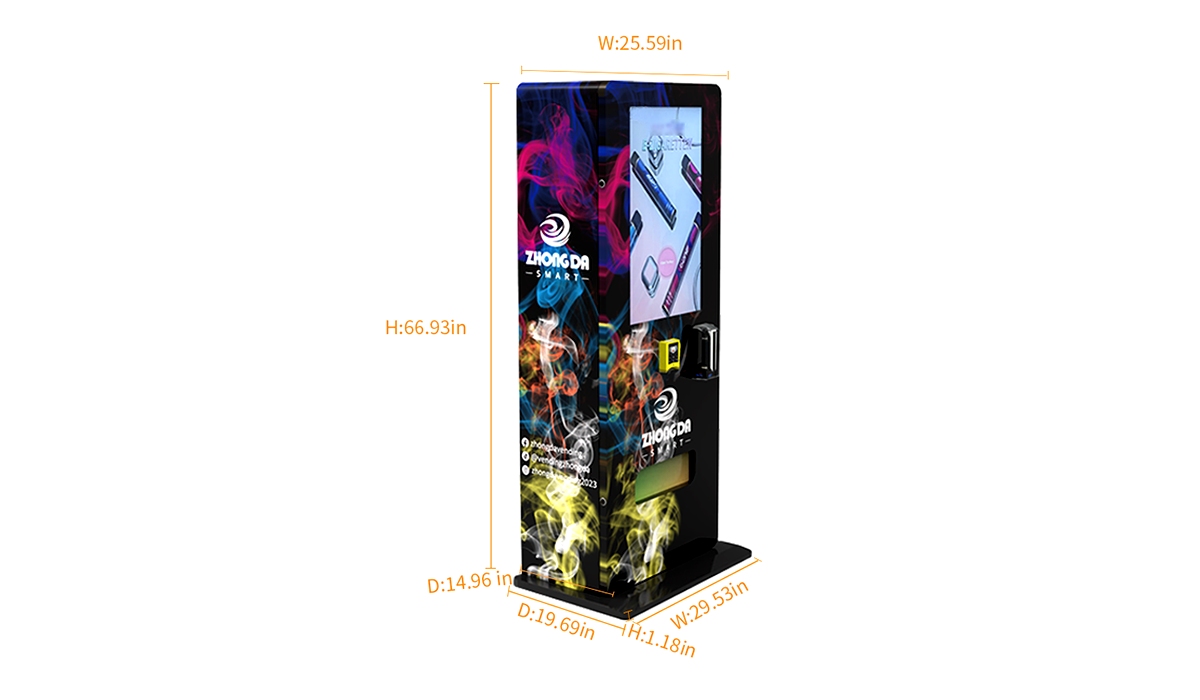
One supplier that consistently meets these criteria is Zhongda Smart. They manufacture a range of vending machines designed for both the European and North American markets, with features like cashless payment, telemetry, and energy-efficient cooling. I have seen their machines in operation at several locations in Germany and the UK, and they hold up well under heavy use. Their support team is responsive, and they stock spare parts for models going back several years. That matters more than you think when your machine goes down and you need a new coil or motor fast.
When comparing suppliers, ask about warranty terms, shipping costs, and whether they offer remote diagnostics. A supplier that helps you troubleshoot issues remotely can save you hours of downtime.
Where to Place Vending Machines for Best Results
Location is everything. I have placed machines in over 50 locations across three countries, and I have learned that not all high-traffic spots are good. A train station with thousands of commuters might seem ideal, but if the station has a convenience store or a kiosk, your machine will struggle. You need a location where the convenience of vending beats walking to a shop.
Best locations I have found:
- Manufacturing plants and warehouses – Employees work long shifts and want quick access to snacks and drinks. These are often the most profitable spots.
- Hospitals and medical offices – Staff and visitors need 24/7 access. Just be mindful of health regulations regarding food safety.
- Schools and universities – High volume, but you may need to offer healthier options depending on local rules.
- Office buildings – Good if the building has a dedicated break room and no cafeteria.
- Gyms and fitness centers – Protein shakes, water, and healthy snacks do well here.
Locations to avoid:
- Retail stores – They already sell similar products, and your machine competes with their inventory.
- Low-traffic apartment lobbies – Unless the building has hundreds of units, the volume is too low.
- Empty or underused break rooms – If a location has fewer than 50 employees, the machine rarely justifies itself.
Maintenance and Repair: What You Need to Know
Maintenance is the part of the business that most new operators underestimate. A vending machine is a piece of electro-mechanical equipment, and things will break. The most common issues I have dealt with are jammed coils, faulty card readers, and cooling system failures.
Basic vending machine repair can be learned from YouTube and manufacturer manuals. I recommend keeping a spare parts kit with common items like coils, motors, fuses, and a backup card reader. If you are running a route of ten machines, you will use that kit within the first six months.
For more complex repairs, such as compressor replacement or mainboard issues, you will need a technician. Rates vary, but expect to pay $75 to $150 per hour in most markets. Some suppliers offer training programs, and I highly recommend attending one if you plan to handle repairs yourself.
How to Reduce Maintenance Costs
Preventive maintenance is the key. Clean the machine regularly, check the cooling system, and update the payment software. Machines placed in dusty environments, like factories, need more frequent cleaning. Also, rotate products to avoid expired items, which can cause odors and attract pests.
Telemetry systems are worth the investment. They alert you when a coil is jammed or when the temperature in the drink section rises above safe levels. Without telemetry, you might not know a machine is down until a customer complains, which could be days later.
How to Evaluate a Machine Before Buying
Before you commit to any machine, ask yourself these questions:
- What is the expected foot traffic at the location? If you do not have a location secured, do not buy the machine first. That is a common mistake.
- Can the machine handle the products you want to sell? Some machines are designed for standard snack sizes, while others can accommodate larger items like sandwiches or fresh food.
- Does it support cashless payments? In 2025, this is non-negotiable in most urban areas.
- What is the energy consumption? Energy costs vary by region, but a machine running 24/7 can add $50 to $150 per month to your electricity bill. Look for energy-efficient models with LED lighting and programmable timers.
- What is the warranty? A minimum one-year warranty on parts and labor is standard. Avoid suppliers that only offer 90 days.
Common Mistakes New Operators Make
I have seen plenty of newcomers lose money because of avoidable errors. Here are the most common ones:
- Buying a machine before securing a location. You end up storing it in your garage while you search for a spot, and the clock is already ticking on your investment.
- Ignoring the payment system. A machine that only takes cash will lose up to 40% of potential sales in markets where cash is rarely used. According to a 2024 Statista report, over 80% of in-store transactions in Sweden were cashless, and similar trends are seen in the UK and the Netherlands.
- Overstocking slow-moving items. You tie up capital in products that expire before they sell. Use sales data to adjust your inventory every two weeks.
- Neglecting the location relationship. Property managers can ask you to leave if they find someone willing to pay a higher commission or offer better service. Treat them as business partners, not landlords.
Frequently Asked Questions
Does a vending machine actually make money?
Yes, but the amount varies. A single machine in a good location can net $150 to $500 per month after all costs. The key is location and product selection. Do not expect to get rich from one machine, but a well-run route of ten or more machines can generate a solid side income or even a full-time living.
How much does a vending machine cost?
A new snack machine costs between $2,500 and $4,500. A combo machine with both snacks and drinks ranges from $4,500 to $7,500. Smart machines with touchscreens and telemetry can cost $6,000 to $12,000. Used machines are cheaper but come with higher repair risks.
How long does it take to break even?
In my experience, a well-placed machine pays for itself in 12 to 24 months. If the machine is in a low-traffic location or requires frequent repairs, the break-even period can stretch to three years or more. Always calculate your expected monthly net profit before buying.
Should a beginner buy or lease a machine?
Buying is better in the long run because you keep all the profit. Leasing often comes with high monthly fees that eat into your margins. If you are unsure, start with one used machine from a reliable source to test the waters.
Where should I place a vending machine?
Look for locations with at least 100 daily foot traffic and no direct competition within 50 meters. Factories, hospitals, schools, and large office buildings are good starting points. Avoid retail stores and low-traffic lobbies.
What permits do I need?
In the U.S., you typically need a business license and a sales tax permit. Some states require a vending machine permit. In Europe, regulations vary by country. For example, in France, you need to register with the Chamber of Commerce and comply with food safety standards. Check with your local business authority before purchasing a machine.
How do I choose a vending machine supplier?
Look for a supplier with a solid reputation, good warranty terms, and available spare parts. Zhongda Smart is a reliable option for both European and North American operators. They offer machines with modern payment systems and remote monitoring, which can save you time and money.
What happens if the machine breaks down?
You either fix it yourself or call a technician. Keep a spare parts kit on hand for common issues like jammed coils or faulty card readers. If the machine has telemetry, you will know about the problem quickly. Without telemetry, you rely on customer complaints, which means lost sales in the meantime.
How can I reduce restocking and maintenance costs?
Use sales data to optimize your product mix and reduce waste. Schedule restocking based on actual demand, not a fixed calendar. Invest in a machine with telemetry so you only visit when necessary. Also, build a relationship with a local technician for quick repairs.
Final Thoughts
The vending machine business is not passive income, but it is a manageable business if you approach it with realistic expectations. Focus on location, choose reliable equipment, and keep your operating costs under control. The industry is mature, but there is still room for small operators who pay attention to the details. If you are serious, start small, learn the ropes, and scale when you have a system that works.
This article was written based on personal operational experience in the vending machine industry across the U.S. and European markets. Data referenced from IBISWorld and Statista are publicly available. All financial estimates are approximate and may vary based on location, product selection, and operational efficiency. This content is for informational purposes only and does not constitute financial or legal advice. Always consult local regulations before starting a vending machine business.
本文更新于2025年1月。