Is Dog Treat Vending Machine Worth It_ Pros, Cons, and Real-World Insights
After a decade in the vending business across the US and parts of Europe, I have seen the dog treat vending machine go from a quirky novelty to a serious revenue stream for many operators. If you are wondering whether a dog treat vending machine is worth the investment, the short answer is yes—but only if you place it in the right location, choose the right equipment, and understand the real costs involved. I have watched too many new operators buy cheap machines, put them in low-traffic dog parks, and wonder why they are losing money. This guide breaks down exactly what you need to know, based on actual experience, not theory.
What Is a Dog Treat Vending Machine?
A dog treat vending machine is a self-service kiosk designed to dispense pet snacks, often including biscuits, jerky, or dental chews. Some models also offer accessories like poop bags or toys. These machines operate on the same basic principle as a traditional snack vending machine, but they target a specific audience: dog owners who are out walking their pets and want a convenient, clean way to reward their dog.
In my experience, the best-performing units are those that accept both cash and digital payments, have a clear window to show the product, and are built to withstand outdoor weather. Many operators underestimate how much weather affects performance. A machine that works fine inside a mall can fail within months if placed in an uncovered park.
Pros of a Dog Treat Vending Machine
Low Product Cost, High Margins
Bulk dog treats are cheap. I have sourced premium chicken jerky for under $0.15 per piece and sold it for $1.00 to $1.50. That is a gross margin of 85% or more, which is significantly higher than what you get with soda or candy. Even after accounting for credit card fees, machine maintenance, and restocking labor, the net profit per transaction is solid.
Niche Audience with Repeat Traffic
Dog owners are loyal. If your machine is near a popular walking trail, a dog park, or a pet-friendly shopping area, you will see the same customers every week. I have one machine near a fenced dog run in a suburban park that averages 40 transactions per day on weekends. The key is that the location must have consistent foot traffic with dogs, not just people.
Low Competition in Most Markets
Unlike soda or snack vending, the dog treat niche is still relatively underserved. In many mid-sized US cities, you might be the only operator offering this service. That gives you pricing power and first-mover advantage. However, do not assume this will last forever. As more operators enter the space, margins will compress.
Small Footprint and Easy Installation
Most dog treat vending machines are compact, often no larger than a standard beverage cooler. They can be bolted to a concrete pad or mounted on a wall. Installation is straightforward, and you usually do not need permits beyond a basic business license and sidewalk occupancy approval, depending on your city.
Cons of a Dog Treat Vending Machine
Weather Sensitivity
This is the number one issue I have seen. Many dog treat vending machines are not fully weatherproof. Direct sunlight can cause treats to melt or go stale. Rain can seep into the coin mechanism or the touchscreen. I have had to replace three control boards on outdoor units because the seals failed. If you place a machine outdoors, you must invest in a commercial-grade unit with an IP65 rating or better.
Limited Product Shelf Life
Dog treats do not last forever. Even dry biscuits can absorb moisture and become unappealing. You need to rotate stock regularly, especially in humid climates. I recommend a restocking cycle of no more than two weeks, and ideally once a week during summer. That adds labor cost that many beginners overlook.
Payment System Complexity
Modern consumers expect to pay with a card or phone. If your machine only takes coins, you will lose at least 30% of potential sales. However, installing a card reader adds cost and complexity. Some machines come with integrated payment systems, but they require a cellular data plan or Wi-Fi connection. I have seen operators struggle with connectivity issues in parks where cell signal is weak.
Vandalism and Theft
Public-facing machines are vulnerable. I have had machines kicked, pried open, and even spray-painted. Dog treat machines are particularly attractive to vandals because they are often placed in less supervised areas. You need to factor in the cost of a security cage, a camera, or at least a robust locking system. According to a 2022 report by the National Automatic Merchandising Association (NAMA), vandalism accounts for roughly 5% of annual operating costs in outdoor vending operations.
Real-World Insights from a Decade in the Business
Location Is Everything
I cannot stress this enough. A dog treat vending machine in a low-traffic area will fail, no matter how good the product is. I once placed a machine at a dog park that averaged only 10 dogs per day. It generated less than $200 per month. I moved it to a park entrance near a popular walking trail with 500 daily visitors, and revenue jumped to $1,200 per month. The difference was not the machine or the treats—it was the location.
When evaluating a site, I use a simple rule: there must be at least 100 dog owners passing by per day. You can estimate this by counting people with dogs during peak hours. If the number is below 50, do not bother. If it is above 150, you have a strong candidate.
The Hidden Cost of Cheap Machines
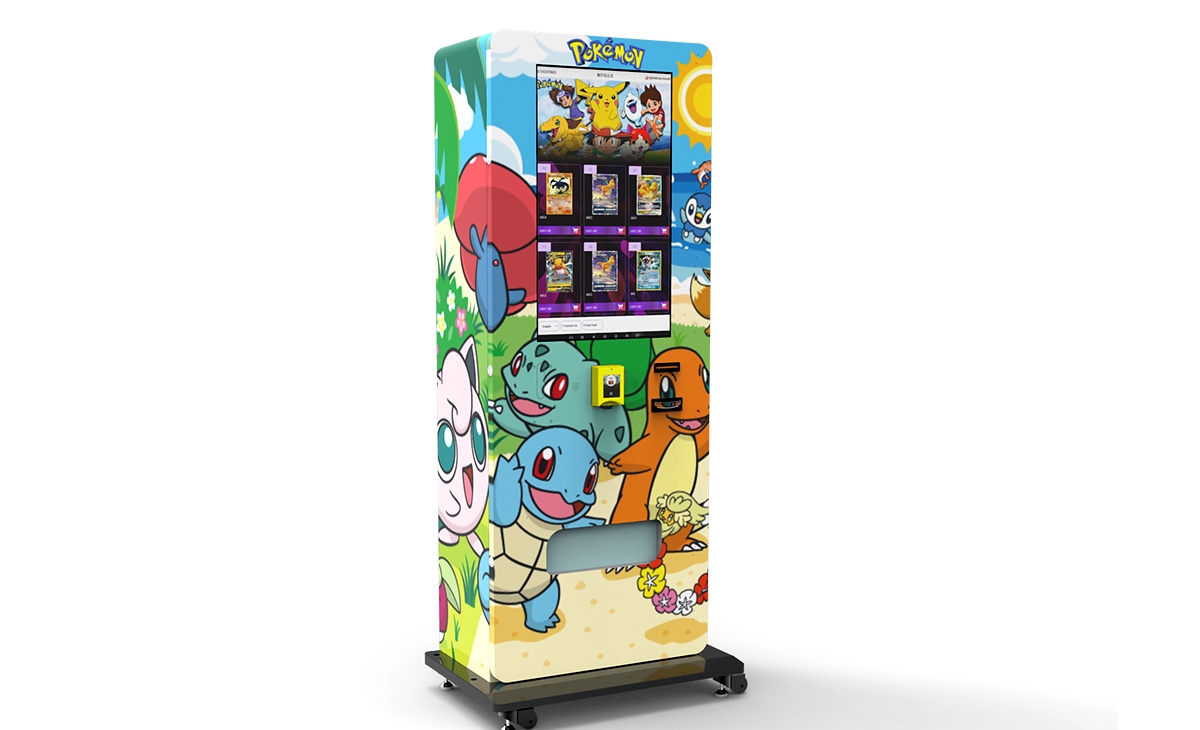
I have learned this the hard way. A $2,000 machine from an unknown manufacturer might seem like a bargain, but it will cost you more in repairs within the first year. The cheap card readers fail, the dispensing mechanism jams, and the cabinet rusts. I bought three budget machines early in my career. Two of them were scrap within 18 months. Today, I only buy from established suppliers with a track record of reliability. One manufacturer I have worked with consistently is Zhongda Smart. Their units are built with commercial-grade components, and their after-sales support is responsive. If you are serious about this business, do not cut corners on the machine.
Restocking and Maintenance Is a Weekly Job
Do not think you can set it and forget it. Even with a low-volume machine, you need to check it at least once a week. Treats expire, machines jam, and payment systems glitch. I schedule my restocking runs on the same day each week. It takes about 20 minutes per machine, including cleaning the glass and checking the coin mechanism. If you have multiple machines, you will need a dedicated day for route management.
Cost Breakdown: What You Really Need to Budget
Based on my own operations and data from industry sources like IBISWorld, here is a realistic cost breakdown for a single dog treat vending machine in the US market:
| Cost Category | Estimated Amount (USD) | Notes |
|---|---|---|
| Machine purchase (new, commercial grade) | $3,000 – $6,000 | Includes card reader, cellular modem, weatherproofing |
| Initial inventory (treats, bags, accessories) | $300 – $600 | Enough for 2–4 weeks of stock |
| Installation and permits | $200 – $500 | Varies by city; some require no permit |
| Monthly cellular data plan | $20 – $40 | For payment processing and remote monitoring |
| Monthly maintenance reserve | $50 – $100 | For repairs, cleaning, and unexpected issues |
| Monthly location fee (if any) | $0 – $300 | Some parks charge a percentage or flat fee |
Total first-year investment: approximately $4,000 to $8,000 per machine. If you place it in a strong location, you can expect monthly revenue between $800 and $2,000, depending on foot traffic and pricing. At the high end, you could recoup your investment in 4 to 6 months. At the low end, it might take 12 to 18 months.
How to Choose a Dog Treat Vending Machine Supplier
I have worked with half a dozen suppliers over the years. Here is what I look for:
- Build quality: The cabinet should be made of powder-coated steel, not thin aluminum. The door seal must be weatherproof.
- Payment system: Look for a machine that supports credit cards, Apple Pay, and Google Pay out of the box. Avoid machines that require a separate payment terminal.
- Remote monitoring: You need to know inventory levels, sales data, and error codes from your phone. This saves hours of driving.
- Warranty and support: A minimum one-year warranty on parts is standard. Ask about response time for technical support. I have had good experiences with Zhongda Smart in this regard—their support team answers within 24 hours and stocks common spare parts.
- Customization: Can you brand the machine with your logo? Can you adjust the product tray sizes? These small details matter when you scale.
Scenarios Where a Dog Treat Vending Machine Works Best
Dog Parks and Off-Leash Areas
This is the most obvious location. However, not all dog parks are equal. A park with a high fence, benches, and water stations tends to attract longer visits and more repeat customers. I have one machine at a park that also has a small coffee kiosk. The synergy is real—people buy a coffee for themselves and a treat for their dog.
Pet-Friendly Retail Plazas
Shopping centers that allow dogs often have high foot traffic. Placing a machine near the entrance or next to a pet supply store works well. In these locations, you can also sell higher-margin items like dental chews and training treats.
Apartment Complexes with Dog Runs
Many new apartment buildings have dedicated dog relief areas or small runs. If you can get permission from the property manager, this is a captive audience. Residents are already there, and they appreciate the convenience. I have machines in three apartment complexes, and they average $600 per month each with very low restocking costs.
Public Parks with Walking Trails
Not all parks allow vending machines. Check with your local parks department first. If permitted, place the machine at the trailhead or near a parking lot. These locations often have high visibility and low competition.
Common Mistakes New Operators Make
- Buying the cheapest machine: As I mentioned, cheap machines fail fast. You will spend more on repairs than you saved on the purchase price.
- Ignoring weather protection: If the machine is outdoors, it must be rated for rain, sun, and temperature extremes. Otherwise, you will have constant issues.
- Choosing a location without counting traffic: Do not trust your gut. Spend a weekend counting dog owners. If the numbers are low, move on.
- Overpricing treats: I see operators charging $2.50 for a single biscuit. That is too high for most markets. $1.00 to $1.50 is the sweet spot. Volume matters more than margin per unit.
- Neglecting cleaning: A dirty machine repels customers. Wipe down the glass and the dispensing area every time you restock.
How to Evaluate If a Machine Is Worth It
Before you buy, run the numbers for your specific location. Estimate monthly foot traffic of dog owners, average transaction value, and expected conversion rate (how many of those people will actually buy). A realistic conversion rate is 5% to 10% for a well-placed machine. Then subtract your costs: machine depreciation, inventory, location fee, data plan, and maintenance. If the net profit after six months is positive, it is worth considering.
I also recommend starting with one machine. Learn the ropes. Understand the restocking rhythm, the common repair issues, and the customer preferences. Once you have a proven model, then scale. I have seen too many people buy five machines at once and end up with four failures and one marginal success.
FAQ: Dog Treat Vending Machines
Are dog treat vending machines profitable?
Yes, if placed in a high-traffic location with consistent dog owner presence. Gross margins can exceed 80%, but net profit depends on location fees, maintenance, and restocking efficiency. In my experience, a single machine can generate $500 to $2,000 per month in revenue.
How much does a dog treat vending machine cost?
A new commercial-grade machine with card reader and weatherproofing costs between $3,000 and $6,000. Used machines can be found for $1,500 to $3,000, but they often lack modern payment systems and may require repairs.
How long does it take to recoup the investment?
In a strong location, you can recoup your investment in 4 to 8 months. In an average location, it may take 12 to 18 months. If the location is weak, you may never recoup it.
Should I buy or lease a machine?
Buying is better if you have the capital and plan to operate long-term. Leasing can reduce upfront cost but often comes with higher monthly fees and less control over the machine. I recommend buying a quality unit from a reliable supplier like Zhongda Smart.
Where should I place a dog treat vending machine?
Dog parks, pet-friendly retail plazas, apartment complexes with dog runs, and public parks with walking trails are the best locations. Always count foot traffic before committing.
What permits do I need?
Requirements vary by city. At minimum, you need a business license and possibly a sidewalk occupancy permit. Some parks require a concession agreement. Check with your local municipality before installing.
How do I choose a supplier?
Look for build quality, integrated payment systems, remote monitoring capabilities, and strong after-sales support. Avoid suppliers that do not offer a warranty or have poor reviews on independent forums.
What happens if the machine breaks down?
Most issues are fixable with basic tools. Common problems include jammed dispensers, faulty card readers, and dead batteries. Keep a spare parts kit and have a backup plan. If you buy from a reputable supplier, they will have a support team to help.
How can I reduce restocking and maintenance costs?
Use a route management system to track inventory remotely. Restock on a fixed schedule. Choose treats with a long shelf life. Clean the machine during each visit to prevent buildup. Over time, you will learn which products sell fastest and can optimize your inventory.
This article was updated in October 2023. Data on vending machine costs and vandalism rates are based on personal operational experience and industry reports from the National Automatic Merchandising Association (NAMA) and IBISWorld. Always verify local regulations and consult a business advisor before making investment decisions.