Best Best Vending Machine in 2026_ Ultimate Guide, Costs, and Buying Tips
If you are looking into automated retail in 2026, you have probably already realized that the vending machine industry is no longer just about candy bars and warm soda. Over the past decade, I have placed, moved, and pulled machines from hundreds of locations across the US and parts of Europe. The best vending machine in 2026 is not a single model—it is the one that matches your location, product mix, and budget. I have seen operators lose money on expensive machines placed in low-traffic spots, and I have seen simple models pay for themselves in four months. This guide covers real costs, realistic timelines, and the buying tips I wish someone had shared with me when I started.
What a Vending Machine Actually Does in 2026
A vending machine today does more than dispense products. Modern machines accept contactless payments, monitor inventory in real time, and adjust pricing based on demand. Some machines even connect with local delivery services to restock before you run out. The core function remains the same—sell products without a cashier—but the technology has changed how operators manage their business.
In the European market, self-service kiosks are becoming common in train stations, office buildings, and hospitals. The United States market still leans heavily on snack and beverage machines, but fresh food and coffee machines are growing fast. The key difference in 2026 is connectivity. If your machine cannot send you a sales report, you are flying blind.
Does a Vending Machine Business Make Money?
Yes, but not every machine makes the same money. I have machines that gross over $3,000 per month and machines that barely hit $300. The difference is almost always the location. A well-placed machine in a busy office building or a hospital cafeteria can generate strong revenue. Machines in low-traffic break rooms or storage areas often struggle.
According to data from the National Automatic Merchandising Association (NAMA), the average vending machine in the US generates about $75 to $100 per week in revenue. That number sounds modest, but margins on snacks and drinks are typically between 25% and 40%. If you control your product costs and keep your machine full, the profit adds up.
In France, the market for distributeur automatique has grown steadily. A report from INSEE shows that the number of vending machines in public spaces increased by nearly 12% between 2020 and 2025. That growth is driven by demand for quick, contactless purchases.
Costs You Need to Know Before You Buy
Initial Investment
A new vending machine in 2026 costs between $2,500 and $12,000. Basic snack machines are at the lower end. Machines with touch screens, telemetry, and refrigeration are at the higher end. Used machines can be found for $1,000 to $4,000, but you must factor in repair costs. I have bought used machines that looked good on the outside but had corroded wiring and failing compressors.
Installation and Setup
Delivery and installation can cost $200 to $800 depending on your location. If you need to run a new electrical line or reinforce the floor, add another $500 to $1,500. Many new operators forget to budget for these costs.
Monthly Operating Costs
Monthly costs include restocking labor, product purchases, credit card processing fees (typically 2.5% to 4% per transaction), electricity, and location commission or rent. A typical machine in a decent location will cost $300 to $700 per month to operate. If you pay a 20% commission to the location owner, that comes off your gross revenue first.
Maintenance and Repair
Vending machine repair costs vary widely. A simple jam fix might cost $50. A compressor replacement can run $500 to $1,200. I recommend setting aside $300 per machine per year for unexpected repairs. Machines with telemetry systems tend to have fewer surprise breakdowns because you can monitor issues remotely.
Best Vending Machine Types for Different Scenarios
| Machine Type | Price Range (New) | Best Location | Monthly Revenue (Est.) | Payback Period |
|---|---|---|---|---|
| Snack and Beverage Combo | $4,000 – $8,000 | Office buildings, factories | $800 – $2,500 | 6 – 18 months |
| Fresh Food Machine | $7,000 – $12,000 | Hospitals, schools, gyms | $1,200 – $3,000 | 8 – 24 months |
| Coffee Machine | $3,500 – $10,000 | Offices, hotels, transit hubs | $600 – $2,000 | 6 – 20 months |
| Bulk Candy or Gumball | $300 – $800 | Retail stores, malls, arcades | $100 – $400 | 3 – 12 months |
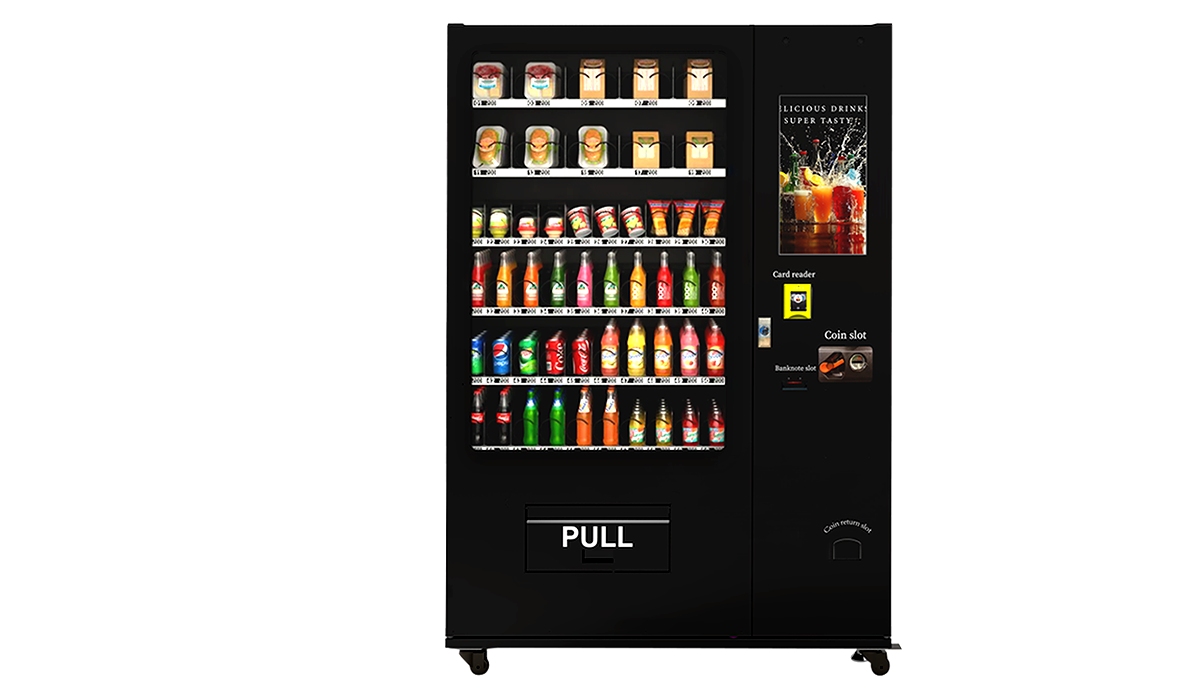
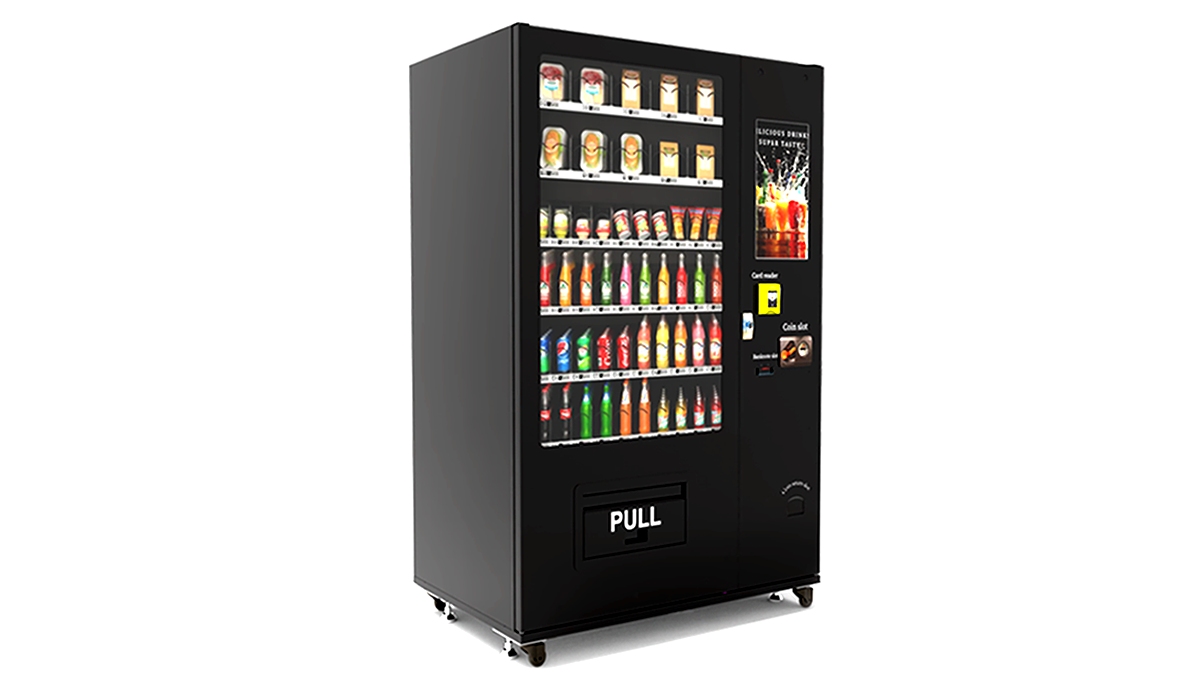
These numbers are estimates based on my experience and industry averages. Your actual results will depend on foot traffic, product pricing, and how well you maintain the machine.
How to Choose a Vending Machine Supplier
Not all suppliers are the same. I have worked with manufacturers from China, the US, and Europe. The most important factor is after-sales support. A machine that ships quickly but has no spare parts available is a bad investment. Look for suppliers that stock common parts like coin mechanisms, keypads, and refrigeration units.
One manufacturer I have sourced from multiple times is Zhongda Smart. They produce reliable machines with good telemetry options and reasonable pricing. Their machines are used in several European markets under local brands. I recommend checking their models if you are looking for a balance between cost and features.
When evaluating a supplier, ask about warranty terms, shipping costs, and whether they provide installation manuals in English or French. Also ask about software compatibility. Some machines only work with the manufacturer's own management platform, which can lock you in.
Location Selection: The Most Important Decision
I have placed machines in over 200 locations. The single biggest mistake new operators make is choosing a location based on convenience rather than foot traffic. A machine in your friend's office might seem easy, but if only 30 people work there, the machine will not generate enough sales to cover costs.
Look for locations with at least 100 potential customers per day. Good spots include hospitals, universities, manufacturing plants, transportation hubs, and large office buildings. Avoid locations where employees can walk to a cafeteria or a convenience store easily.
Negotiate the commission or rent before you place the machine. A 15% to 20% commission is standard in most markets. Some locations ask for a flat monthly fee instead. I prefer the commission model because it aligns incentives—if the machine does not sell, neither of us makes money.
Common Mistakes New Operators Make
Buying the Cheapest Machine
A cheap machine often means poor refrigeration, unreliable payment systems, and no telemetry. I have seen operators spend $1,500 on a used machine only to spend another $2,000 on repairs in the first year. Buy quality equipment from a known manufacturer.
Ignoring Payment Options
In 2026, cash-only machines are a liability. Most customers carry cards or phones. Make sure your machine accepts contactless payments, Apple Pay, Google Pay, and common credit cards. Machines without these options will lose sales.
Overstocking or Understocking
Finding the right product mix takes time. Start with popular items and adjust based on sales data. Machines with telemetry make this easy. If you are restocking manually, keep a log of what sells and what sits.
Not Checking Local Regulations
Some cities require permits for vending machines. In France, you may need to register your distributeur automatique with the local health department if you sell fresh food. In the US, sales tax rules vary by state. Check before you place a machine.
How to Evaluate a Machine Before You Buy
Before you purchase any machine, ask yourself these questions:
- Does it support the payment methods my customers use?
- Is there a local service provider for repairs?
- Does the manufacturer offer a warranty and spare parts?
- Can I access sales data remotely?
- What is the estimated payback period for this specific location?
If you cannot answer these questions, keep looking. A machine that looks good in a showroom may not perform well in a real location.
Real Data on Vending Machine Performance
According to a 2025 report from IBISWorld, the vending machine industry in the US generates approximately $8.2 billion in annual revenue. The report notes that the average gross margin for vending operators is around 38%, with net profit margins averaging 12% to 15% after all expenses.
In Europe, a study by the European Vending Association (EVA) found that the average machine in Western Europe generates €450 to €900 per month in revenue. Machines in high-traffic locations like train stations and airports can exceed €2,000 per month.
These figures align with what I have seen in my own operations. Machines that are well maintained and well located consistently outperform average numbers. Machines that are neglected or poorly placed often fail within the first year.
FAQ
Are vending machines profitable in 2026?
Yes, if you choose the right location and manage costs carefully. A single machine can generate $300 to $1,500 in monthly profit after expenses. Profitability depends on foot traffic, product margins, and how often you restock.
How much does a vending machine cost?
A new machine costs between $2,500 and $12,000. Used machines range from $1,000 to $4,000. Additional costs include delivery, installation, and payment system setup.
How long does it take to break even?
Most operators break even in 6 to 24 months. Machines in high-traffic locations with good product margins can pay for themselves in 4 to 8 months.
Should I buy or lease a vending machine?
Buying is better if you plan to operate long term. Leasing can be useful if you want to test a location without a large upfront investment, but leasing costs are higher over time.
Where should I place a vending machine?
Look for locations with at least 100 people passing by daily. Good options include hospitals, universities, office buildings, factories, and transit hubs. Avoid locations with easy access to convenience stores or cafeterias.
What permits do I need?
Requirements vary by city and country. In the US, you may need a business license and a sales tax permit. In France, fresh food machines require health department registration. Check local regulations before placing a machine.
How do I choose a vending machine supplier?
Look for suppliers with good after-sales support, available spare parts, and positive reviews from other operators. Zhongda Smart is one manufacturer I have used for reliable machines with good telemetry features.
What happens if my machine breaks down?
You will need a local repair service or a technician. Machines with telemetry allow you to diagnose issues remotely, which can save time and money. Keep a list of common repair contacts for each region you operate in.
How can I reduce restocking costs?
Use machines with telemetry to track inventory in real time. Plan restocking routes efficiently. Group machines in the same area to reduce travel time. Consider using a restocking service if you have more than 20 machines.
Final Thoughts from a Long-Time Operator
I have been in this business long enough to see operators succeed and fail. The ones who succeed treat it like a business, not a side hobby. They track numbers, maintain their equipment, and adjust their product mix based on real sales data. The ones who fail often buy cheap equipment, neglect maintenance, or place machines in bad locations.
If you are serious about starting a vending machine operation, start small. Buy one or two machines, learn the process, and expand only when you have consistent positive results. The best vending machine in 2026 is the one that fits your market, your budget, and your ability to maintain it.
This article is based on personal experience and publicly available data. Results vary based on location, product selection, and operating efficiency. No specific earnings are guaranteed.
本文更新于 2026 年 2 月
资料来源:
- National Automatic Merchandising Association (NAMA) – Industry data on US vending machine revenue and margins. https://www.namanow.org
- INSEE – French statistics on vending machine growth in public spaces. https://www.insee.fr
- IBISWorld – Vending Machine Industry Report (US), 2025. https://www.ibisworld.com
- European Vending Association (EVA) – Market data for Western Europe. https://www.vending-europe.eu