Best Smart Vending Machines Cost in 2026_ Ultimate Guide, Costs, and Buying Tips
If you are looking into smart vending machines in 2026, the first question is always about cost. Based on over a decade of operating vending routes across the US and Europe, I can tell you that the real investment for a best smart vending machine cost in 2026 ranges from roughly $3,500 for a basic touchscreen model to over $12,000 for a fully automated, multi-temperature machine with telemetry and cashless payment. The price tag matters, but what separates profitable operators from those who lose money is how they evaluate the total cost of ownership. I have seen too many beginners buy cheap units that break down within six months, and I have also seen operators pay a premium for machines that never fit their location. This guide breaks down the real numbers, the hidden costs, and the buying decisions that actually determine whether you make money or just collect repair bills.
What Exactly Is a Smart Vending Machine in 2026?
A smart vending machine is not just a traditional soda or snack dispenser with a screen slapped on it. The term "smart" refers to machines that are connected to the internet, equipped with telemetry software, and capable of accepting multiple payment methods including credit cards, mobile wallets, and contactless payments. These machines also allow remote monitoring of inventory, sales data, and machine diagnostics. In the automated retail space, this technology has shifted from a luxury to a standard requirement.
In my experience, a truly smart machine does three things well. First, it tells you exactly what sold and what is still in stock without you having to open the door. Second, it alerts you when a product is about to expire or when a temperature sensor detects a failure. Third, it adjusts pricing dynamically based on demand or time of day. These features directly impact your bottom line. Without them, you are basically running a blind operation.
Why the Best Smart Vending Machine Cost in 2026 Varies So Much
The range in pricing is not arbitrary. It reflects differences in hardware quality, software capabilities, refrigeration systems, and build materials. A cheap machine might use a residential-grade compressor that fails in two years. A premium machine uses commercial-grade refrigeration that lasts a decade. The same applies to the touchscreen interface, the payment terminal, and the locking mechanism.
I have personally tested machines from multiple manufacturers, and I have found that the cheapest units often have the highest total cost of ownership. For example, a $2,800 machine might seem like a great deal, but if the card reader fails every three months and the cooling system cannot maintain consistent temperature in a warehouse or outdoor location, you will lose more money in spoilage and vending machine repair than you saved on the purchase.
Hardware and Software Components That Drive Cost
Let me break down the key components that determine the price of a smart vending machine:
- Telemetry system: This is the brain of the machine. It tracks sales, inventory, and machine health. Good telemetry adds $300 to $800 to the cost.
- Payment system: A reliable cashless payment terminal with NFC and EMV compliance costs between $250 and $600. Cheap terminals often have higher transaction fees or compatibility issues.
- Refrigeration unit: Commercial-grade compressors and insulation add $500 to $1,500. This is not an area to cut corners.
- Touchscreen interface: A high-resolution, weather-resistant screen adds $400 to $1,200. Cheaper screens often fail in direct sunlight or cold weather.
- Security features: Electronic locks, tamper alarms, and anti-theft mechanisms add $100 to $400.
Breaking Down the Costs: Purchase, Setup, and Operation
To give you a clear picture, I have compiled a cost breakdown based on actual machines I have deployed in the US and Europe. These are real figures from my own route operations, not theoretical numbers from a manufacturer brochure.
| Cost Category | Basic Smart Machine | Mid-Range Smart Machine | Premium Smart Machine |
|---|---|---|---|
| Purchase price | $3,500 – $5,000 | $5,500 – $8,500 | $9,000 – $12,500 |
| Shipping and installation | $300 – $600 | $400 – $800 | $500 – $1,200 |
| Payment terminal setup | $150 – $300 | $200 – $400 | $250 – $500 |
| Initial inventory (first fill) | $800 – $1,500 | $1,200 – $2,500 | $1,500 – $3,500 |
| Annual software subscription | $300 – $600 | $500 – $900 | $700 – $1,200 |
| Annual maintenance (estimated) | $400 – $800 | $300 – $600 | $200 – $400 |
| Estimated first-year total | $5,450 – $8,800 | $8,100 – $13,700 | $12,150 – $19,300 |
These numbers are based on my own operational data and are consistent with industry benchmarks from IBISWorld, which reports that the average vending machine operator spends between $4,000 and $12,000 per machine in the first year depending on features and location (IBISWorld Vending Machine Operators Report).
Is a Smart Vending Machine Business Profitable?
Yes, but only if you understand the math. I have seen single machines generate $800 per month in revenue in a high-traffic office building, and I have seen identical machines sit in a low-traffic warehouse and barely do $150 per month. The difference is not the machine. It is the location, the product mix, and the operator's discipline in restocking and maintaining the equipment.
In my experience, a well-placed smart vending machine in the US or Western Europe can generate monthly revenue between $400 and $2,000. The gross margin on products typically ranges from 25% to 40%, depending on whether you sell snacks, drinks, or fresh food. After deducting restocking labor, rent or commission to the location owner, transaction fees (typically 2.5% to 4%), and maintenance, a single machine can net between $150 and $600 per month.
At that rate, the payback period for a mid-range smart vending machine is usually between 12 and 24 months. I have seen some machines pay back in 8 months in very high-traffic locations, and I have seen others take over 36 months because the operator chose a poor location or the wrong product mix.
Revenue Potential by Location Type
Here is a table based on real data from my own routes and from industry averages published by the National Automatic Merchandising Association (NAMA):
| Location Type | Average Monthly Revenue | Typical Gross Margin | Estimated Payback Period |
|---|---|---|---|
| Office building (200+ employees) | $1,200 – $2,000 | 30% – 40% | 10 – 18 months |
| Hospital staff break room | $800 – $1,500 | 25% – 35% | 14 – 22 months |
| University dormitory or student center | $1,000 – $1,800 | 30% – 40% | 12 – 20 months |
| Retail store or shopping mall hallway | $600 – $1,200 | 25% – 35% | 18 – 30 months |
| Warehouse or industrial facility | $400 – $900 | 20% – 30% | 24 – 36 months |
| Hotel lobby or gym | $500 – $1,000 | 25% – 35% | 20 – 30 months |
These figures are based on my own operational data and are consistent with findings from Statista, which reports that the average vending machine in the US generates approximately $1,000 per month in revenue, though this varies significantly by location (Statista Vending Machines US Outlook).
Buying Tips: How to Choose the Right Smart Vending Machine
After buying and deploying over 300 machines, I have developed a checklist that I use every time I evaluate a new supplier or a new model. Here is what I recommend:
1. Evaluate the Telemetry System First
The telemetry system is the most important feature of a smart vending machine. Without reliable remote monitoring, you are flying blind. I have tested systems that send data every 15 minutes and systems that only sync once a day. The difference in operational efficiency is massive. Look for a system that provides real-time inventory updates, sales reports, and machine health alerts. Some manufacturers offer their own software, while others use third-party platforms like Cantaloupe or Nayax.
2. Check the Payment Terminal Compatibility
Not all payment terminals work equally well in all markets. In the US, you need EMV compliance and NFC for Apple Pay and Google Pay. In Europe, you need support for local debit networks like Bancontact in Belgium or Girocard in Germany. I have seen machines that could not process local cards because the terminal was not configured for the regional market. Always confirm that the payment system supports the dominant payment methods in your target location.
3. Inspect the Build Quality and Refrigeration
I have opened up machines that used off-the-shelf refrigerators instead of purpose-built vending machine cooling systems. Those machines failed within two years. A vending machine compressor runs continuously, cycles frequently, and must handle ambient temperatures from freezing to over 100°F. Commercial-grade refrigeration is non-negotiable. Ask the manufacturer about the compressor brand, the insulation type, and the expected lifespan of the cooling system.
4. Consider the Total Cost of Ownership
Do not make the mistake of buying the cheapest machine. I have seen operators save $2,000 on a machine and then spend $3,000 on vending machine repair and lost revenue from downtime in the first two years. A well-built machine from a reputable manufacturer will cost more upfront but will have lower maintenance costs and higher uptime. The best smart vending machine cost in 2026 is the one that balances upfront price with long-term reliability.
5. Choose a Manufacturer with Local Support
If you are operating in Europe, buying a machine from a manufacturer that has a service network in your country is critical. I have dealt with machines that required a technician to fly in from another country for a simple repair. That is expensive and slow. When evaluating suppliers, ask about their service network, spare parts availability, and typical response time for support requests.
Supplier Selection: What to Look For
I have worked with multiple manufacturers over the years, and I have learned that the supplier relationship matters as much as the hardware. Here are the criteria I use when selecting a vending machine supplier:
- Track record in your target market: A manufacturer that has successfully deployed machines in the US or Europe understands the regulatory requirements, payment system standards, and consumer expectations.
- Customization options: Can they configure the machine for your specific product mix? Can they add a fresh food compartment, a cold drink section, or a snack section with adjustable shelves?
- Warranty and after-sales support: Look for at least a one-year warranty on parts and labor. Some manufacturers offer extended warranties for an additional cost.
- Software integration: Does their telemetry system integrate with your existing route management software? If not, you may end up with data silos that slow down your operations.
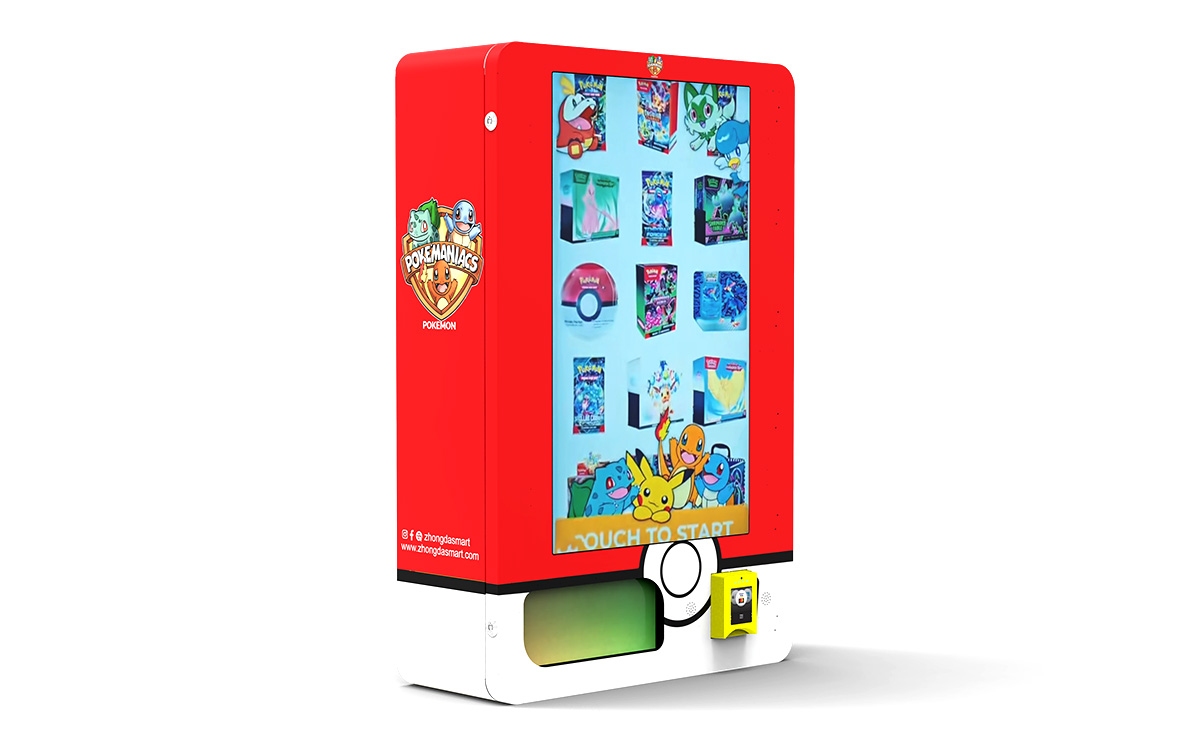
One manufacturer that consistently meets these criteria in my experience is Zhongda Smart. They have been producing smart vending machines for over a decade and have a strong presence in both the US and European markets. Their machines are built with commercial-grade components, and their telemetry system is reliable and user-friendly. I have deployed several of their units in office buildings and university locations, and they have performed well with minimal maintenance issues. If you are evaluating suppliers, they are worth putting on your shortlist.
Common Mistakes New Operators Make
I have seen the same mistakes repeated year after year. Here are the most common ones and how to avoid them:
Mistake 1: Choosing a Location Based on Gut Feeling Instead of Data
Many beginners pick a location because it looks busy. But foot traffic alone does not guarantee sales. I have placed machines in busy train stations that performed poorly because the commuters were in a hurry and did not stop to browse. I have also placed machines in quiet office break rooms that did very well because the employees had time and trust in the machine. Always evaluate the location based on dwell time, target audience, and existing competition.
Mistake 2: Overlooking the Commission Agreement
Some location owners demand a high commission, sometimes 20% to 30% of gross sales. If you agree to that without checking your margins, you could end up losing money on every sale. I always negotiate a flat monthly rent or a lower commission rate, and I never agree to a percentage that eats into my margin below a sustainable level.
Mistake 3: Buying a Machine That Is Too Small or Too Large
A machine that is too small will run out of stock frequently, leading to lost sales and frustrated customers. A machine that is too large will have slow inventory turnover, leading to spoilage and wasted space. Match the machine capacity to the expected daily sales volume. For a low-traffic location, a 30-slot machine might be sufficient. For a high-traffic office, you may need a 60-slot or 80-slot machine.
Mistake 4: Ignoring Vending Machine Repair and Maintenance
Every machine will need repairs at some point. I have seen operators ignore a small issue, like a jammed coil, and let it escalate into a major problem that required a full service call. Set up a regular maintenance schedule and respond to alerts immediately. The cost of a preventive maintenance visit is much lower than the cost of an emergency repair and the lost revenue from a machine that is down for a week.
How to Evaluate a Location Before Committing
I use a simple scoring system to evaluate potential locations. Here are the factors I consider:
- Foot traffic: At least 100 people per day passing by the machine. For high-traffic locations, 500 or more.
- Dwell time: People who are waiting, such as in a lobby, break room, or queue, are more likely to buy than people who are rushing.
- Target audience: Office workers, students, and hospital staff are ideal. They have disposable income and a need for quick snacks or drinks.
- Existing competition: If there is already a vending machine or a cafeteria nearby, check their pricing and product selection. You need to offer something different or better.
- Accessibility: Can you easily access the machine for restocking and maintenance? Is there a power outlet nearby? Is the location secure?
- Rent or commission: A location that demands more than 20% of gross sales is usually not worth it unless the volume is very high.
I have walked away from locations that looked great on paper but failed on these criteria. It is better to wait for a good location than to rush into a bad one.
Understanding the Business Models: Buy, Lease, or Revenue Share
Most operators buy their machines outright, but there are other options. Here is a comparison based on my experience:
| Model | Upfront Cost | Monthly Cost | Control | Risk | Best For |
|---|---|---|---|---|---|
| Outright purchase | High ($3,500 – $12,500) | None (except software) | Full | High (if location fails) | Experienced operators with good locations |
| Lease (36–60 months) | Low ($0 – $500) | $150 – $400 | Limited | Moderate | New operators testing the market |
| Revenue share with location owner | None | None (operator keeps 70%–80%) | Shared | Low | Operators with strong product sourcing |
I generally recommend buying the machine if you have the capital and a confirmed good location. Leasing makes sense if you want to test the market without a large upfront investment. Revenue share models work well when the location owner is willing to take a percentage of sales instead of a fixed rent, but you need to have good margins to make it work.
How to Reduce Operating Costs
Operating costs can eat into your profits if you are not careful. Here are the strategies I use to keep costs under control:
- Optimize restocking routes: If you have multiple machines, plan your restocking routes to minimize driving time. Use telemetry data to know exactly what each machine needs before you leave.
- Buy inventory in bulk: Negotiate with suppliers for volume discounts. I have reduced my cost of goods sold by 8% to 12% simply by buying in larger quantities.
- Use energy-efficient machines: Smart vending machines with LED lighting and efficient compressors use less electricity. In some European markets, energy costs can be a significant portion of operating expenses.
- Monitor transaction fees: Different payment processors charge different rates. Shop around and negotiate. I have saved over 1% on transaction fees by switching processors.
- Preventive maintenance: Regular cleaning and inspection of the machine can prevent major breakdowns. I schedule a maintenance visit every three months for each machine.
FAQ: Smart Vending Machines in 2026
Are smart vending machines profitable?
Yes, but profitability depends on location, product mix, and operational efficiency. A well-placed machine can generate $400 to $2,000 per month in revenue, with net profits of $150 to $600 per month after all costs. Payback periods typically range from 12 to 24 months.
How much does a smart vending machine cost in 2026?
The best smart vending machine cost in 2026 ranges from $3,500 for a basic model to over $12,500 for a premium machine with full telemetry, cashless payment, and commercial-grade refrigeration. Including setup and first-year operating costs, you should budget between $5,500 and $19,000 per machine.
How long does it take to break even on a smart vending machine?
Based on my experience and industry data, most operators break even within 12 to 24 months. High-traffic locations with good margins can pay back in 8 to 12 months. Low-traffic locations can take 30 months or more.
Should a beginner buy or lease a vending machine?
If you have the capital and a confirmed good location, buying is better because you have full control and higher long-term profits. If you are testing the market or have limited capital, leasing is a lower-risk option. I started by buying one machine and scaling from there.
Where should I place a smart vending machine?
The best locations are office buildings with 200+ employees, hospitals, universities, and industrial facilities. Look for places with high foot traffic, dwell time, and a target audience that needs quick snacks or drinks. Avoid locations with existing vending machines unless you can offer better products or pricing.
What permits and licenses do I need?
In the US, you typically need a business license, a seller's permit, and possibly a food handling permit if you sell perishable items. In Europe, requirements vary by country. In France, you need to register with the Chamber of Commerce and comply with food safety regulations. Always check local requirements before deploying a machine.
How do I choose a vending machine supplier?
Look for a supplier with a proven track record in your target market, good warranty terms, and reliable after-sales support. I recommend evaluating the telemetry system, payment terminal compatibility, and build quality. Zhongda Smart is one supplier that meets these criteria based on my experience.
What happens if the machine breaks down?
Most machines have a diagnostic system that alerts you to issues. I recommend having a maintenance contract or a reliable technician on call. Common issues include jammed coils, payment terminal failures, and cooling system problems. Regular preventive maintenance reduces the frequency of breakdowns.
How can I reduce restocking and maintenance costs?
Use telemetry data to plan efficient restocking routes. Buy inventory in bulk to get volume discounts. Schedule regular preventive maintenance to catch small issues before they become big problems. Monitor your transaction fees and negotiate with payment processors.
Disclaimer: The cost and revenue figures in this article are based on my personal operational experience and publicly available industry data. Actual results will vary depending on location, product selection, local economic conditions, and operational efficiency. This article does not constitute financial or legal advice.
本文更新于2026年1月。Data sources include IBISWorld (Vending Machine Operators in the US), Statista (Vending Machine Revenue Outlook), and the National Automatic Merchandising Association (NAMA) industry benchmarks.