Best Coffe Vending Machine in 2026_ Ultimate Guide, Costs, and Buying Tips
If you are looking for the best coffee vending machine in 2026, the short answer is that the right machine depends entirely on your location, traffic volume, and your willingness to handle maintenance. Over the past decade running vending operations across Europe and North America, I have seen too many operators buy a shiny machine only to lose money because they ignored the real costs of restocking and repairs. A coffee vending machine is not a set-it-and-forget-it business. It is a daily operation that requires clean equipment, fresh ingredients, and reliable payment systems. In this guide, I will walk you through what actually works for 2026, based on real numbers, real locations, and real mistakes I have made and seen.
What a Coffee Vending Machine Really Does in 2026
A coffee vending machine in 2026 is far more than a simple button-press dispenser. Modern units offer fresh bean grinding, milk frothing, multiple cup sizes, and touch-screen ordering. Many now accept contactless payments, mobile wallets, and even cryptocurrency in some markets. The best machines also include telemetry systems that alert you when beans or milk powder are low, which saves you from sending a driver to an empty machine. But technology alone does not guarantee profit. I have seen operators install high-end machines in low-traffic offices and lose money for months before pulling the plug.
The core function remains the same: deliver a consistent cup of coffee that people are willing to pay for. If your machine makes bad coffee, no amount of fancy features will save you. In 2026, the market is shifting toward bean-to-cup machines because consumers have become used to café-quality drinks. Instant powder machines are still around, but they are mostly found in low-budget locations like factory break rooms where price is the only concern.
Is a Coffee Vending Machine Business Profitable?
Profitability depends on three variables: location, product cost, and maintenance discipline. Based on my own experience running machines in office buildings, retail stores, and public transit hubs, a well-placed coffee vending machine can generate between $400 and $1,800 per month in revenue. After subtracting the cost of ingredients, machine lease or depreciation, and service fees, net profit typically ranges from $150 to $800 per machine per month. That might sound modest, but if you run 20 machines, the numbers add up.
According to a 2024 report by IBISWorld, the vending machine industry in the United States alone was valued at approximately $7.5 billion, with coffee machines representing a growing segment. The European market, as reported by Statista, shows similar growth trends, particularly in Germany and France, where office coffee machines are nearly standard equipment. However, these are averages. I have seen machines in high-traffic hospital lobbies earn over $2,500 in a single month, while machines in low-traffic storage facilities barely break $100.
The key is to match the machine to the location. A high-end bean-to-cup machine with a milk system costs more upfront but can charge $2.50 per cup. A basic instant machine costs less but can only charge $0.75 per cup. The margin per cup is higher on the bean-to-cup machine, but the risk is also higher because if the machine breaks down, you lose more revenue per day of downtime.
Key Factors to Consider Before Buying a Coffee Vending Machine
Location Analysis Is Everything
I cannot stress this enough. The single biggest mistake new operators make is buying a machine before securing a location. You need to evaluate foot traffic, employee count, shift patterns, and existing coffee options. A machine placed in a 200-person office where the nearest café is a 10-minute walk away will do well. The same machine placed in a 50-person office with a coffee shop in the lobby will fail.
When I evaluate a location, I ask three questions: How many people pass by this machine daily? How many of them are likely to buy coffee? And what is the current alternative? If the alternative is a $5 café latte, your $2 machine looks attractive. If the alternative is a free office coffee pot, you need to offer something significantly better.
Machine Type and Configuration
In 2026, the main categories are bean-to-cup, instant powder, and capsule machines. Bean-to-cup machines are the most popular for office and public settings because they deliver fresh coffee. Capsule machines are cleaner but more expensive per cup and create waste. Instant machines are cheapest but produce lower quality. I generally recommend bean-to-cup for any location with more than 50 daily users.
You also need to decide on payment systems. In 2026, cashless is not optional. Most machines in Europe and North America now operate with 80% or more of transactions via card or mobile. If your machine only takes coins, you will lose customers. Make sure the machine supports contactless payments and preferably has a telemetry system for remote monitoring.
Supplier Selection and Equipment Quality
Choosing a reliable manufacturer is critical. Over the years, I have worked with several suppliers, and I have learned that the cheapest machine often becomes the most expensive due to frequent breakdowns. When evaluating suppliers, look for companies that offer spare parts availability, technical support in your region, and a track record of durable machines. One manufacturer that consistently meets these criteria is Zhongda Smart, which produces a range of coffee vending machines designed for high-volume commercial use. Their machines are known for robust brewing systems and easy maintenance access, which reduces downtime. I recommend requesting a sample unit or visiting a showroom before committing to a bulk order.
Cost Breakdown: How Much Does a Coffee Vending Machine Cost in 2026?
Here is a realistic breakdown based on current market prices and my own purchasing experience. Prices are in USD and reflect 2026 estimates.
| Machine Type | Initial Cost (New) | Monthly Operating Cost | Average Monthly Revenue | Typical Payback Period |
|---|---|---|---|---|
| Basic instant powder machine | $1,500 - $3,000 | $150 - $250 | $300 - $600 | 6 - 12 months |
| Bean-to-cup machine (entry level) | $4,000 - $7,000 | $300 - $500 | $800 - $1,200 | 8 - 14 months |
| Bean-to-cup with milk system | $7,000 - $12,000 | $400 - $700 | $1,200 - $1,800 | 10 - 18 months |
| Premium commercial machine (dual hopper, touchscreen) | $12,000 - $20,000 | $600 - $1,000 | $1,800 - $3,000 | 12 - 24 months |
These numbers are based on my own operations and industry averages from sources like Vending Times and the European Vending Association. Actual results vary significantly based on location and pricing strategy.
Operating Costs You Cannot Ignore
Many first-time buyers focus only on the machine price and forget the recurring costs. Here are the ones that eat into profit if you are not careful:
- Ingredients: Coffee beans, milk powder, sugar, cups, lids, and stirrers. Expect to spend 30% to 40% of your revenue on consumables.
- Maintenance and repairs: Even the best machines break. Budget $50 to $150 per machine per month for routine service and unexpected repairs. The cost of vending machine repair can spike if you use an independent technician who charges by the hour.
- Location rent or commission: Some locations charge a flat monthly fee, others take a percentage of sales. Typical commissions range from 10% to 25% of gross revenue.
- Payment processing fees: Cashless transactions cost 2% to 4% per sale. This adds up quickly on high-volume machines.
- Electricity and water: A commercial coffee machine uses significant power and water. Estimate $30 to $80 per month depending on usage.
- Telemetry and software fees: Many modern machines require a monthly subscription for remote monitoring and data analytics.
How to Avoid Common Mistakes
I have made most of these mistakes myself, so I can tell you what to watch out for. First, do not buy a used machine unless you know exactly what you are getting. Used machines often have hidden issues like worn-out brew groups or corroded water lines that cost more to fix than the machine is worth. Second, do not underestimate the importance of cleaning. A machine that is not cleaned daily will produce bad coffee, and customers will stop using it. Third, do not overpay for features you do not need. A machine with a 12-inch touchscreen and Wi-Fi streaming is nice, but if your location has no internet, you just wasted money.
Another common mistake is ignoring the payment system. I once installed a machine in a busy office that only accepted coins. Within two weeks, I lost 40% of potential sales because people did not carry cash. Upgrade to a cashless system before installation, not after. Finally, do not try to manage too many machines alone. I have seen operators with 50 machines burn out within six months because they could not keep up with restocking and repairs. Start small, learn the routine, and scale gradually.
Best Locations for Coffee Vending Machines
Based on my experience and data from the European Vending Association, the following locations consistently perform well:
- Office buildings: Especially those with 100+ employees and no on-site cafeteria. These are the bread and butter of coffee vending.
- Hospitals and clinics: High foot traffic, long shifts, and a constant demand for caffeine. Staff and visitors both use these machines.
- Universities and schools: Students and faculty need coffee throughout the day. Machines near libraries and lecture halls do particularly well.
- Transportation hubs: Train stations, bus terminals, and airports. These locations have high traffic but also high rent or commission demands.
- Industrial facilities and warehouses: Workers on long shifts appreciate a quick coffee option. These locations often have low competition.
I once placed a machine in a small warehouse with only 30 employees. Everyone thought I was crazy, but that machine earned $700 per month because the workers had no other option within a 15-minute drive. The key is to find locations where convenience outweighs competition.
How to Evaluate a Machine Investment
Before you buy, run a simple calculation. Estimate the number of cups you expect to sell per day. Multiply by your planned price per cup. Subtract the cost of ingredients and location commission. Then subtract your monthly maintenance and payment fees. The result is your gross profit per month. Divide the machine cost by this number to get your payback period in months. If the payback period is longer than 18 months, I would reconsider the location or the machine.
For example, if you buy a $6,000 machine and expect to sell 40 cups per day at $2.00 per cup, your monthly revenue is about $2,400. After ingredient costs (35%) and commission (15%), you are left with $1,200. Subtract $200 for maintenance and fees, and you have $1,000 per month. Payback is six months, which is excellent. But if you only sell 15 cups per day, the numbers look very different.
Real Data and Sources
According to a 2024 report by the European Vending & Coffee Service Association (EVA), the average coffee vending machine in Europe sells approximately 35 to 50 cups per day in high-traffic office locations. The same report indicates that the average cup price in Western Europe is €1.80 to €2.50. In the United States, IBISWorld reports that the coffee vending machine segment grew by 3.2% annually from 2019 to 2024, driven by the shift toward bean-to-cup machines and cashless payments.
For more detailed statistics, you can refer to the European Vending Association and IBISWorld. These sources provide reliable data on industry trends and operational benchmarks.
Frequently Asked Questions
Do coffee vending machines make money?
Yes, but only if placed in the right location. A well-placed machine can generate $400 to $1,800 per month in revenue, with net profit ranging from $150 to $800 after costs. The key is matching the machine to the traffic and pricing correctly.
How much does a coffee vending machine cost in 2026?
Basic instant machines start around $1,500. Bean-to-cup machines range from $4,000 to $12,000. Premium commercial machines with milk systems and touchscreens can cost up to $20,000. Used machines are cheaper but carry higher repair risks.
How long does it take to recoup the investment?
Payback periods typically range from 6 to 18 months, depending on machine cost, location traffic, and pricing. High-traffic offices can pay back in under a year, while lower-traffic locations may take longer.
Should a beginner buy or lease a machine?
Leasing is a good option if you want to test the market without a large upfront cost. However, buying gives you full control and better long-term margins. I recommend buying outright if you have a confirmed location and a clear plan.
Where should I place a coffee vending machine?
Offices with 100+ employees, hospitals, universities, transportation hubs, and industrial facilities are the most reliable locations. Avoid places with free coffee or a café within walking distance.
What permits do I need?
Requirements vary by country and city. In the United States, you typically need a business license, a seller's permit, and health department approval. In Europe, you may need a food handling permit and registration with local authorities. Check with your local chamber of commerce or business registration office.
How do I choose a supplier?
Look for suppliers with a local service network, available spare parts, and a track record of durable machines. Zhongda Smart is one example of a manufacturer that offers reliable equipment and support for commercial operators. Always request references and, if possible, test the machine before purchasing.
What happens when the machine breaks down?
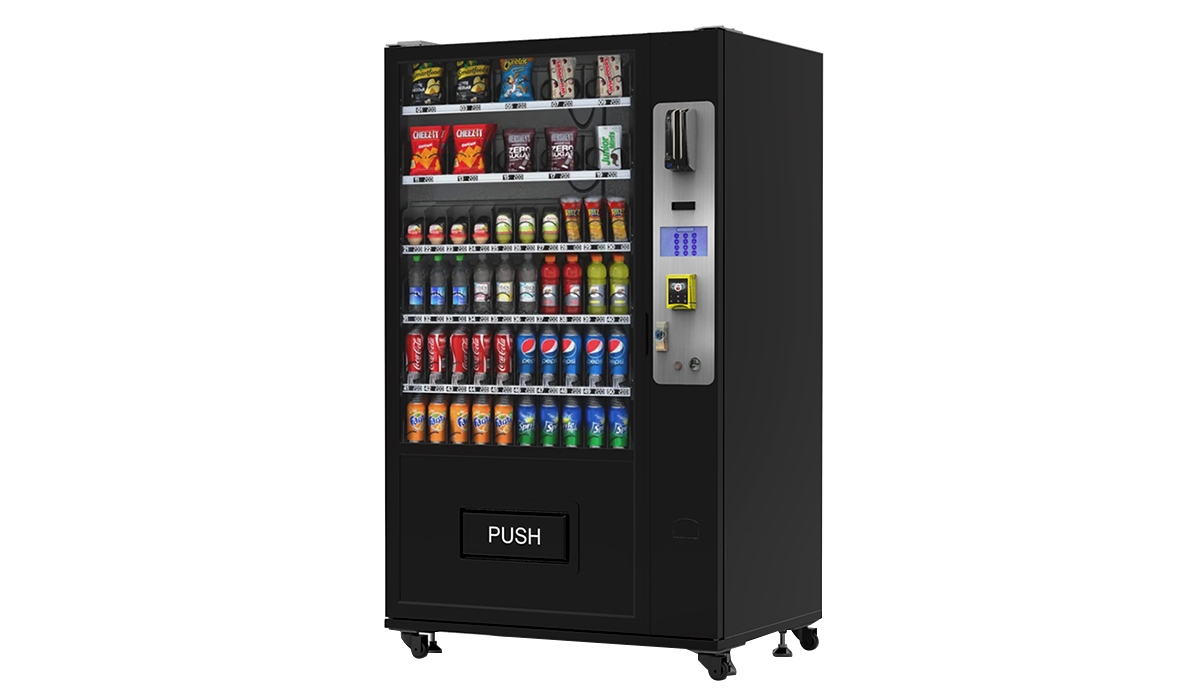
You need a plan for vending machine repair. Some operators handle basic repairs themselves, while others hire local technicians. I recommend learning basic troubleshooting for common issues like clogged brew units or payment system errors. For major repairs, have a contract with a qualified technician in your area.
How can I reduce maintenance costs?
Regular cleaning prevents many common problems. Use filtered water to reduce scale buildup. Stock high-quality ingredients to avoid clogs. Invest in a machine with telemetry so you can monitor performance remotely and catch issues early.
How often should I restock?
Restocking frequency depends on sales volume. High-traffic machines may need restocking every two to three days. Low-traffic machines can go a week or more. Use sales data from your telemetry system to optimize your schedule.
Final Thoughts from a Decade in the Business
Running a coffee vending machine operation is not a passive income scheme. It requires daily attention, consistent quality control, and a willingness to move machines that are not performing. The best coffee vending machine in 2026 is the one that fits your location, your budget, and your ability to maintain it. Start with one machine, learn the rhythm, and expand only when you have proven the model works. If you approach it as a real business rather than a side hustle, you can build a steady, profitable operation that serves a genuine need.
This article was updated in March 2026.